 Kemi Ajumobi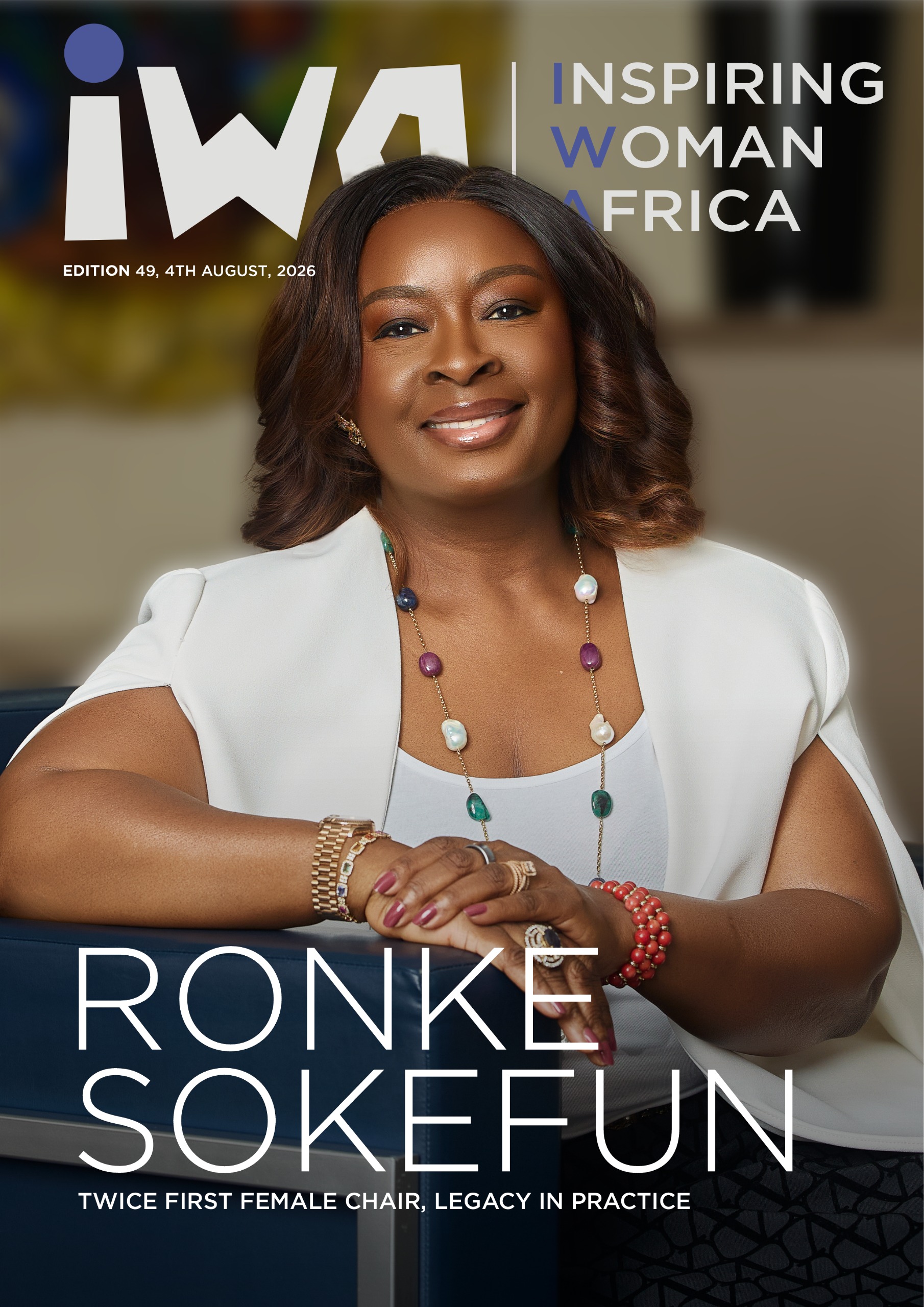
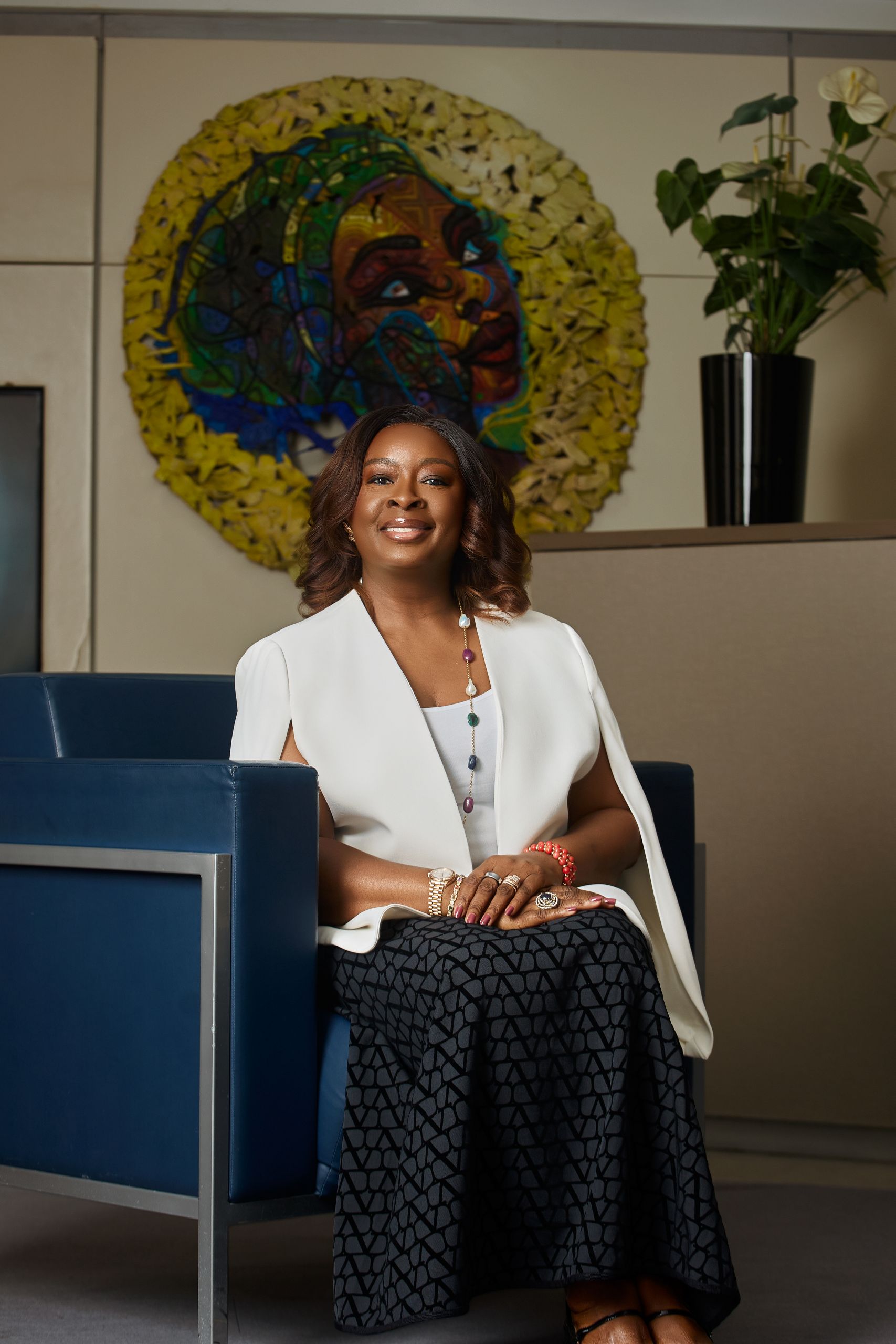
Ronke Sokefun, a Partner with the law firm TEMPLARS, is a distinguished legal practitioner and boardroom leader with close to four decades of experience spanning corporate law, governance, public policy, financial services, and strategic leadership.
She began her legal career at Ighodalo & Associates before joining Aluko & Oyebode, where she rose to the position of Partner. In 2002, she joined Ocean & Oil Services Limited as Head, Management Services and was subsequently appointed Group Chief Legal Officer of Oando Plc in 2007.
In 2011, she transitioned into public service with the Ogun State Government, serving first as Special Adviser/Director-General, Bureau of Lands & Survey, and later as Commissioner for Agriculture as well as Commissioner for Urban & Physical Planning. In these roles, she provided strategic leadership and oversaw the effective implementation of key government policies and developmental initiatives between 2011 and 2018.
Sokefun was appointed Chairman of the Board of the Nigeria Deposit Insurance Corporation in December 2018, becoming the first female to hold the position in the Corporation’s history. She served in that capacity until December 2022.
She is a Fellow of the Chartered Institute of Directors Nigeria and currently serves as Chairman of its Women’s Group. She is also a Fellow of the Institute of Chartered Secretaries and Administrators of Nigeria.
Sokefun is the Founder of the M.R.S. Foundation, a non-profit organisation focused on impactful social intervention initiatives.
She obtained her LL.B degree in 1987 and was called to the Nigerian Bar in 1988. She has attended several executive education programmes at globally renowned institutions including Harvard Business School, Kellogg School of Management, Cambridge Judge Business School, INSEAD and the Lagos Business School. She also holds an ESG Certification (GCB.D) from the Competent Boards Institute, Canada.
Ronke Sokefun serves on the boards of several organisations and currently chairs the Governance, People & Nominations Committee of the board of a foremost indigenous integrated energy company. She also chairs the board of a foremost Nigerian investment banking and financial services firm.
She is widely respected for her governance expertise, institutional leadership, and ability to build sustainable, high-performing organisations. In December 2025, she received the Olutoyin Olakunrin Woman Director of the Year Award by the Chartered Institute of Directors in recognition of her leadership role and mentoring activities.

Effective board leadership in practice beyond formal oversight
Effective board leadership goes beyond the titles, attending meetings and reviewing papers. It is about building a strong partnership between the board and management while maintaining the right level of independence. It means working together on strategy, understanding tye business and market realities, paying attention to culture, staff welfare and succession, while ensuring that governance principles are embedded in the way the organisation operates. Ultimately, it is about helping the institution succeed sustainably.
Most common governance failures you’ve seen in financial institutions, and how boards can prevent them
One of the biggest governance failures is focusing too much on short-term financial results at the expense of long-term sustainability. Another is when directors avoid asking difficult questions (when issues are glaring!) because they do not want to appear confrontational. Boards must remember that constructive challenge is part of their responsibility. The difficult conversations today often prevent much bigger problems tomorrow.
Structuring how you challenge management without disrupting execution
I believe trust comes first. You have to build a relationship with management so they understand that your questions and
observations are not antagonistic but are aimed at strengthening the organisation. Once there is mutual respect, and an understanding of a common goal, robust discussions become easier and everyone remains focused on improving the overall outcome.
Increase in the number of women on boards, what is responsible and how can we ensure the numbers keep rising?
I believe organisations are increasingly recognising the competence, experience and value that women bring to the boardroom. It is no longer simply about representation or tokenism. It is about capability. To sustain this progress, we must intentionally mentor, sponsor and prepare more women for leadership positions so there is a strong pipeline of qualified candidates.
When you became NDIC Chair, what was your first priority to strengthen confidence and stability?
There had been no board at NDIC for about five years before we assumed office. My immediate priority was to understand the backlog of matters awaiting board attention and ensure that we discharged our responsibilities thoughtfully rather than simply rubber-stamping decisions. It took time to settle in, but once we did, we remained focused on delivering our mandate responsibly throughout our tenure.
Governance or risk lessons from NDIC that Nigerian institutions should adopt more broadly
One lesson that stood out for me is that risk is constantly evolving. The risks organisations face today are very different from those of five or ten years ago. Institutions must continually reassess their operating environment, identify emerging risks that could derail their vision and develop appropriate mitigation strategies. Risk management should never be static.
Differences noticed between corporate governance and public sector governance
In my experience, the private sector generally has a greater appreciation of corporate governance and its value. In the public sector, there is still a need for greater awareness of how strong governance improves accountability, productivity and institutional performance. Good governance benefits every organisation, regardless of whether it is public or private.
Keeping public policy implementation aligned with the rule of law under political pressure
Political pressure is inevitable in public service. The important thing is to remain guided by the law or regulation establishing specific institutions and the mandates entrusted to them. Those should always be the compass for decision-making. Once those principles remain clear, it becomes much easier to navigate external pressures without compromising integrity.
If you had to teach private-sector leaders about public administration, what would you tell them?
I would first encourage them not to underestimate the quality of people within the public service. There are many dedicated professionals who understand policy, processes and institutional continuity. While public institutions may appear more bureaucratic, many of those procedures exist to ensure accountability and transparency. There is much the private sector can learn from that discipline.
Biggest misconception about women’s leadership in boardrooms
One of the biggest misconceptions is that women are there simply to make up the numbers. My experience has been quite the opposite. I have seen women chair some of the most critical board committees and lead boards with distinction, strengthening governance, accountability and decision-making.

How Board Chairs and CEOs can create environments where women can thrive – not just participate
It starts with recognising competence and creating opportunities based on merit. Women should be entrusted with meaningful leadership responsibilities and appointed to board committees where their knowledge and experience can make the greatest impact. When people are valued for what they bring to the table, they thrive.
From your experience with the Chartered Institute of Directors (Women’s Group), what initiatives have produced the best results?
Three things stand out for me: inclusivity, recognition and support. When women ffeelincluded, their contributions are acknowledged and they are supported to grow, they naturally become more confident leaders who, in turn, lift others.
Mentorship or sponsorship practices that made the largest difference for you
Listening and empathy. Some of the people who influenced me most were those who genuinely listened, understood my aspirations and challenged me to become better. Sometimes, believing in someone before they fully believe in themselves can make all the difference.
Being Chair of the companies you lead (and led) as first female
It has been both an honour and a huge responsibility. When you are the first woman to occupy a position, you know that people are watching (and judging!) – not just your decisions but your conduct. I became even more conscious of punctuality, preparation, temperament and professionalism because a chair sets the tone for the entire board. I have always believed that leadership begins by setting the right example.
To every female executive, what would you say?
Stay the course. Work hard. Own your space. Have a voice. Never stop learning or growing. Never be afraid to make mistakes. And as you rise, make it a point to lift other women along the way.
What are you looking forward to?
I look forward to more opportunities to serve, to make a meaningful impact, to leave institutions stronger than I met them and to continue raising and supporting the next generation of women leaders.
Concluding words
It has been a privilege to share my thoughts on governance and leadership. As women, we have made significant progress, but there is still much to do. I encourage women to join already thriving communities of women e.g. the CIoD Women’s Group. It gives a sense of belonging. We just had our Biennial Conference which provided strategic networking opportunities.
I hope that we will continue to raise governance standards and create opportunities based not on gender, but on competence, character and capability.