 Dr. Maymunah Yusuf Kadiri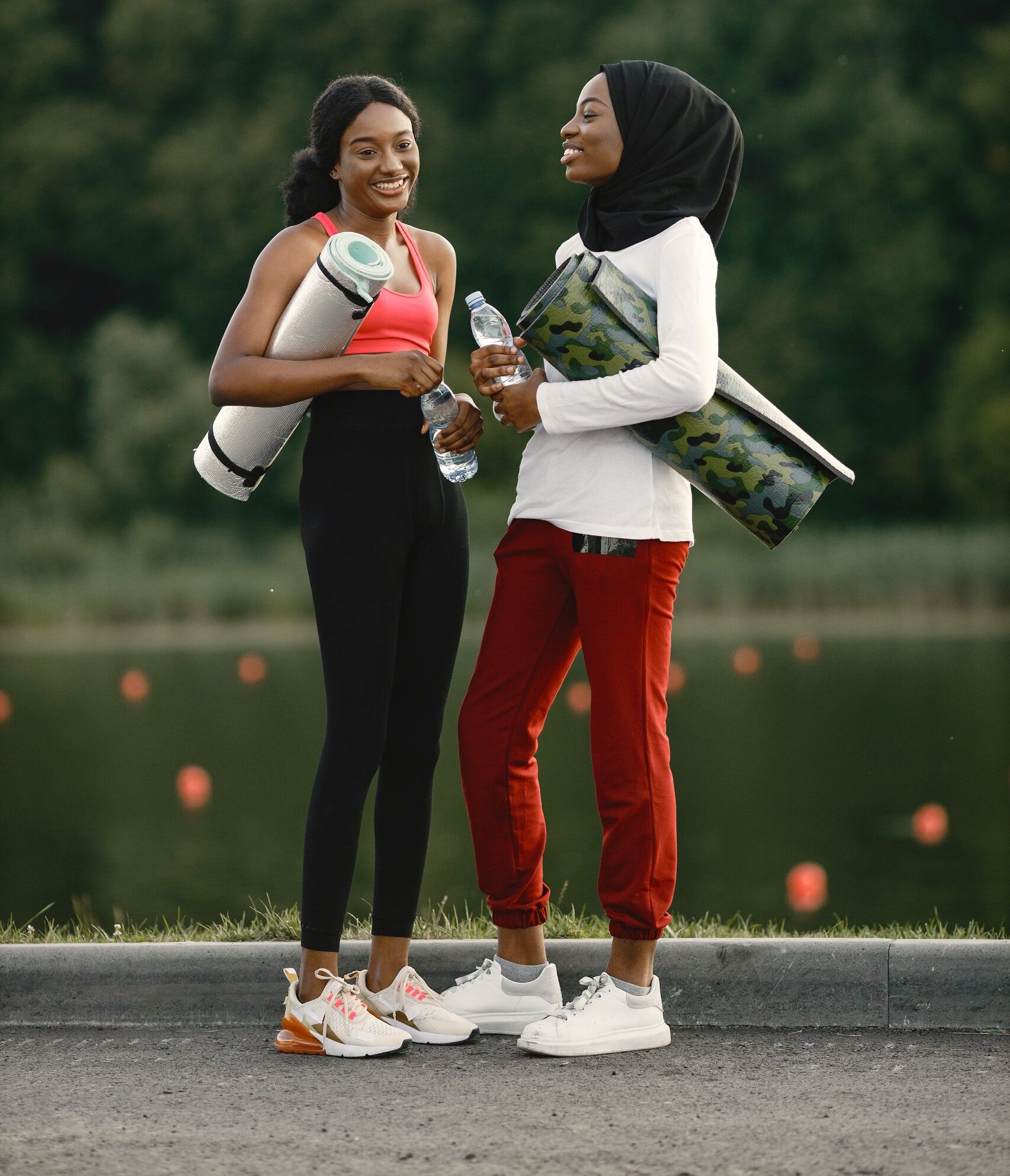
Jumoke began the year with a familiar promise: this year would be different. She bought new workout clothes, stocked her kitchen with healthy foods and committed to exercising regularly. Like millions of people, she was determined to become healthier. Yet within weeks the motivation faded, the gym visits stopped and the healthy routines quietly disappeared. It was not because she lacked discipline, time or resources. She was missing something far more powerful, community.
Many of us approach wellbeing as a personal project, believing success depends entirely on willpower. We download fitness apps, purchase supplements and make ambitious resolutions, yet overlook one of the strongest predictors of long-term health: the quality of our relationships. Holistic living reminds us that human beings are not designed to thrive in isolation. Our physical, emotional, mental, social and even spiritual wellbeing are deeply interconnected.
Jumoke worked remotely, lived alone and rarely interacted with neighbours or friends. Without realising it, isolation had become part of her lifestyle. Research has consistently shown that supportive relationships influence our health behaviours. We are more likely to stay active, eat nourishing meals, manage stress effectively and persevere through setbacks when we are encouraged by people who genuinely care about us.
Health is contagious. So are unhealthy habits. Families influence how children eat, sleep and move. Friends shape our attitudes towards exercise, alcohol, smoking and self-care. Workplaces influence stress levels, productivity and emotional wellbeing. Communities determine whether healthy choices become easy or difficult. The people around us quietly shape the lives we eventually live.
This is why holistic living extends beyond nutrition and exercise. It is about creating an environment where healthy choices are celebrated rather than discouraged. Walking with a friend, cooking together as a family, joining a community exercise group, attending faith gatherings, volunteering and checking on neighbours are all investments in wellbeing. They nourish not only the body but also the mind, relationships and sense of purpose.
When life becomes difficult, community often becomes our greatest medicine. Encouragement during setbacks strengthens resilience. Accountability keeps us moving when motivation disappears. Shared victories make healthy living enjoyable rather than exhausting. The journey becomes sustainable because no one is walking alone.
Perhaps the greatest lesson from Jumoke’s story is that lasting transformation rarely happens in isolation. Success is easier when surrounded by people who inspire us to become better versions of ourselves. Every conversation that uplifts, every family meal, every walk with a friend and every supportive community is helping to build healthier individuals and stronger societies.
As we rethink what it means to live well, we must move beyond the belief that health belongs only in hospitals and clinics. It begins in our homes, workplaces, schools, neighbourhoods and friendships. It grows where people encourage one another to make better choices every day.
Your greatest investment is not simply the food on your plate or the number of steps on your fitness tracker. It is also the people who walk beside you, encourage you when you stumble and remind you that wellbeing is never a solo journey. Healthy communities create healthy people, and healthy people build healthier nations.
About Author
Maymunah Yusuf Kadiri
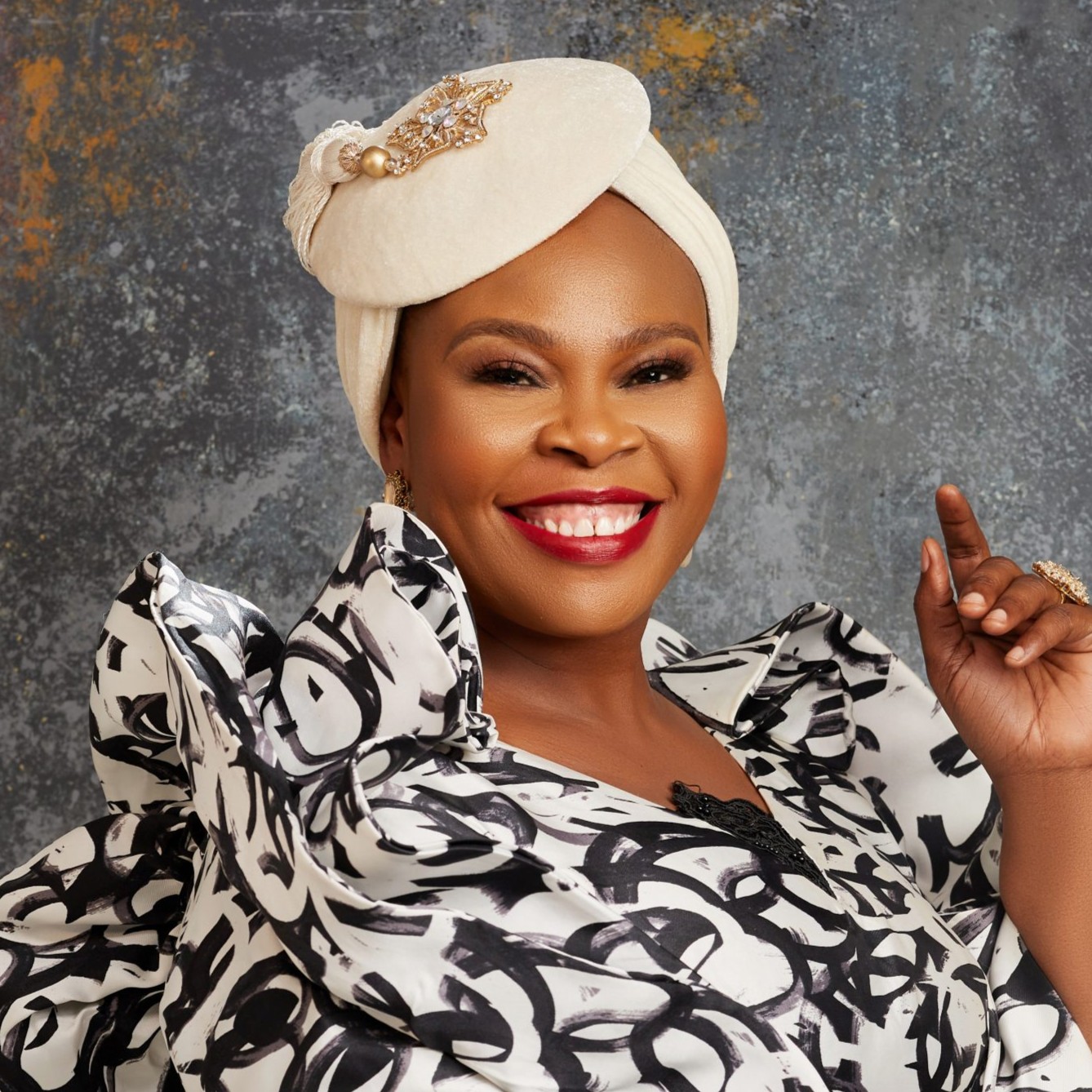
Dr. MAYMUNAH YUSUF KADIRI (aka DR. MAY) popularly referred to as “The Celebrity Shrink,” is a multiple award winning Mental Health Physician, Advocate & Coach. She is the convener of “The Mental Health Conference” and the Medical Director and Psychiatrist-In-Chief at Pinnacle Medical Services, Dr. Kadiri is a dynamic Consultant Neuro-Psychiatrist and a Fellow of the National Post Graduate Medical College of Nigeria (FMCPsych) with almost 20 years’ experience as a practicing Physician.
Latest Edition of IWA Magazine
October 6, 2026
THE NIGERIA I WANT: 11 Women, 11 Voices
Latest Posts
-
 Oct 6, 2026 After the Red Sea
 -
 Oct 6, 2026 NIGERIA AT 66: THE COURAGE TO KEEP BECOMING
 -
 Oct 6, 2026 The Independence Worth Celebrating