 Zainab Aderounmu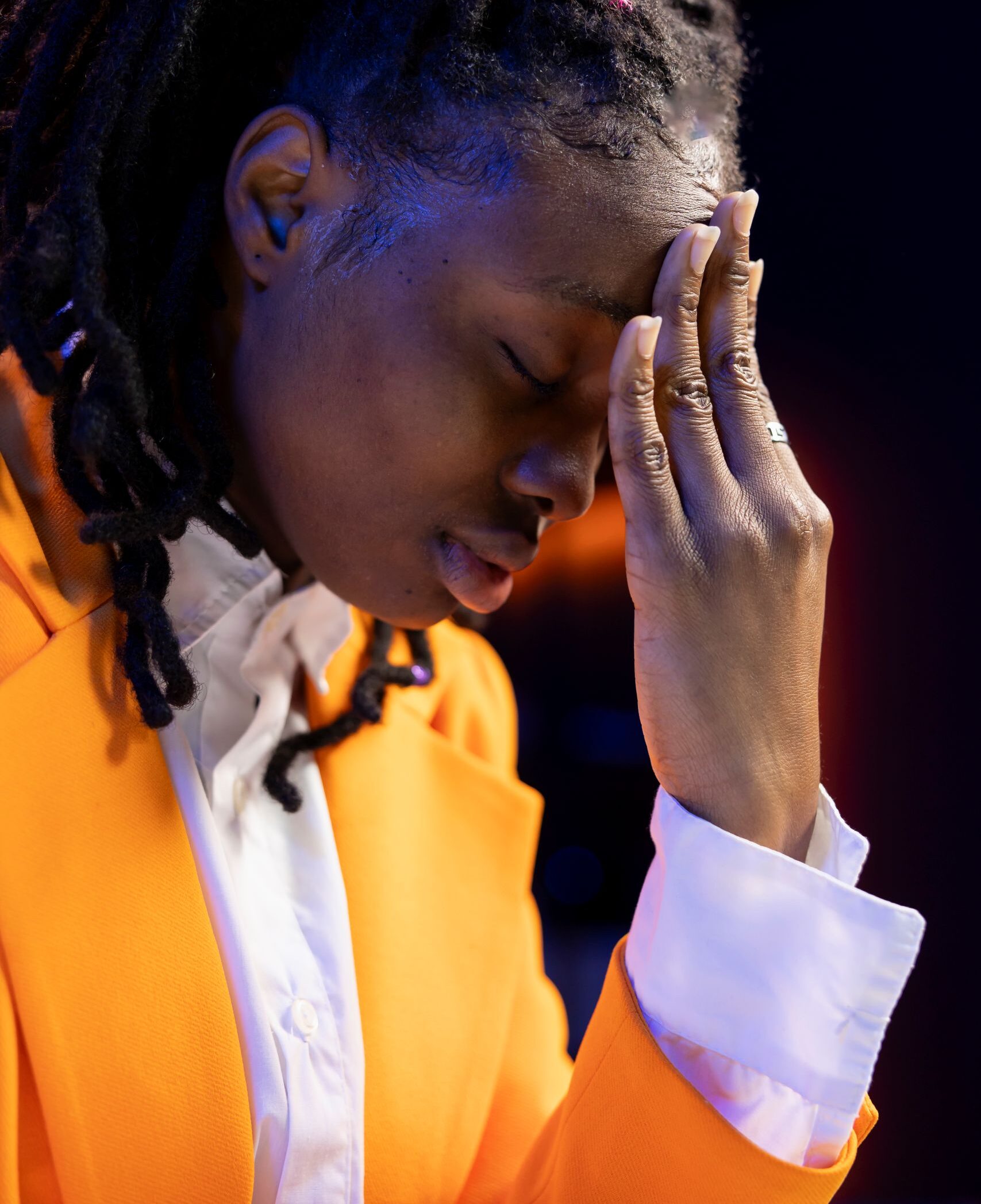
“Why didn’t I just stand up to share my idea? If only I had, I would’ve got the opportunity to manage the project, if only I took the moment. I would have said, ‘Ladies and gentlemen…’”
Do you recall a moment you wished you spoke up, or said something differently; those missed moments where you fixate on how you’d have said or done something? If only you had!? I had one of those moments recently. In fact, I have had them so many times. The problem wasn’t really a lack of confidence but an aversion to spontaneity. For some of us, it’s crucial that we know exactly what we planned to say or do. The key word is plan. There’s always a plan, so unexpected moments are often… very unexpected.
What makes a spontaneous person that way?
Being spontaneous means acting on your intuition without being frozen into inaction by overthinking. It means you’re fully at ease with the present, and not encumbered by future anxieties or past failures. Spontaneity may come naturally for people who display high levels of curiosity and strong desires to explore and experience new events. However, for others, its anxiety-inducing.
How often do you find yourself taking the exact same route to work everyday, even when there are alternatives? How many times have you visited that restaurant, not because it’s your favourite, but because it feels familiar, and you ‘just like the taste of your mouth afterwards?’ or you just don’t want to take chances. I remember my time in Helsinki, I blatantly refused to try a dish I didn’t recognise because I had tried something really terrible on day 2, so I stuck to rice and yoghurt. Basically, the brain craves familiarity. It treats familiar patterns as safe zones, and prefers to conserve your energy by sticking to what it recognises.
However, that can also keep your life small, and vanilla-like. I remember once in secondary school, when I realised I’d never been to the staff quarters before. Of course I had no reason to be there, but I was curious. Did I act on it? Absolutely not! I was afraid of the consequences, which underscores the fact that our gravitation toward the familiar stems from the need for safety. The problem isn’t our habits or familiar zones, the problem arises when they keep us from adapting and growing or taking up such crucial moments like those missed moments.
Obviously, there is a thin line between spontaneity and self destruction. The idea isn’t to act on whims all the time, but to strike a balance, and recognise moments you can’t go home to plan for. You just have to seize them once they appear. But, you also have to train your mind to see such moments. For instance, its sitting in a different chair from the same one you’ve sat in the conference room for the past few months. It’s taking a different route from the one you’ve taken for the past many years. It’s counting down to 5 when you want to seize a moment before your brain freezes into inaction.
This week, take some time to reflect on your patterns; are they keeping you stuck or helping you stay grounded? Do you need to embrace more security or curiosity? And, most importantly, how will you embrace discomfort without running into hiding?
About Author
Zainab Aderounmu A. W.
Zainab ADEROUNMU A. W. is a First Class graduate of English Language and the Overall Best Graduating Student from the Lagos State University, Lagos Nigeria. She’s a professional Master of Ceremonies, known as The Hijabi Compere , a public speaking coach and Communications Professional. She is currently a Youth advisor to the European Union where she doubles as the Spokesperson and Head of Communications & PR for the Youth Sounding Board.
The IWA Series 15 Conference is Here
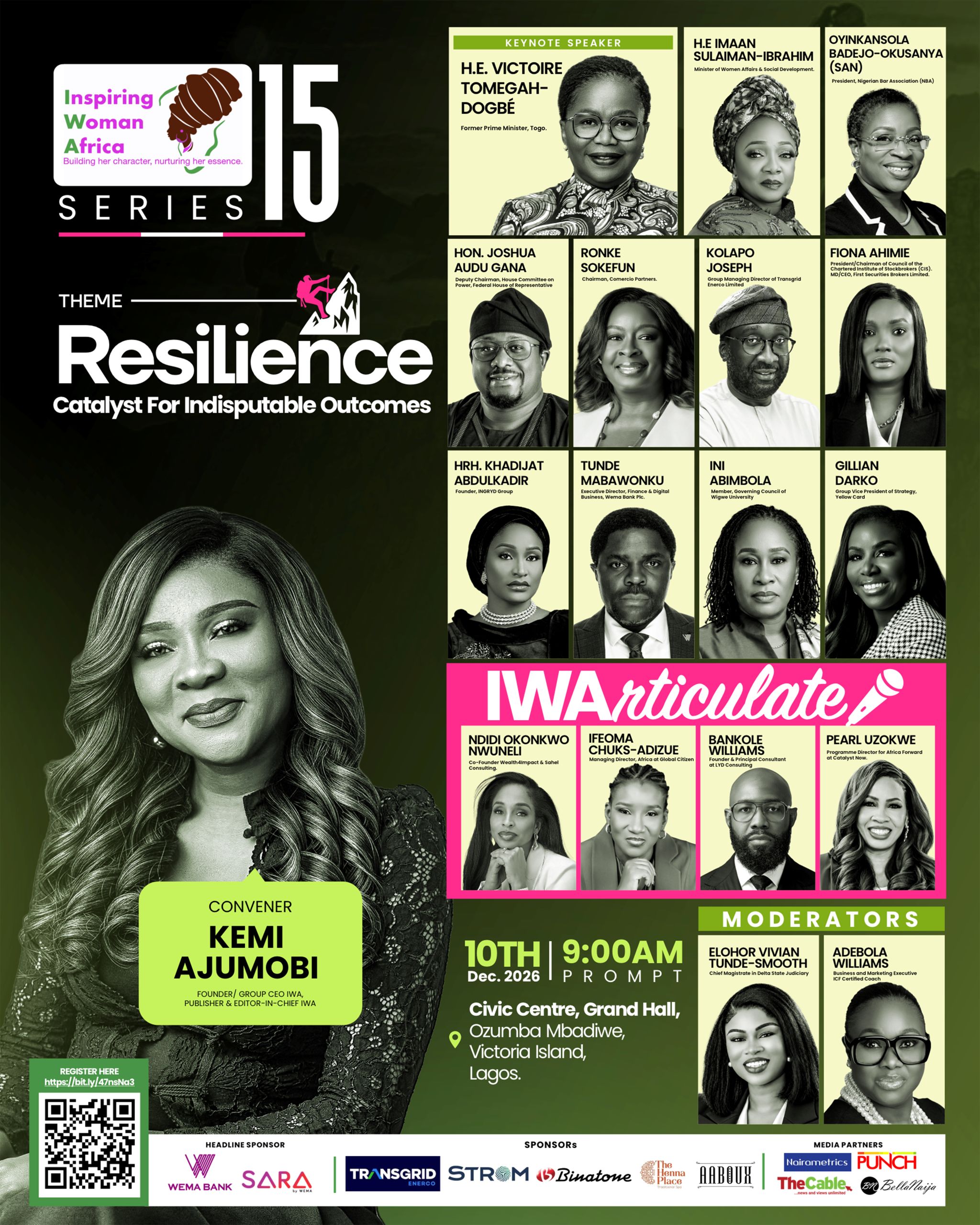
Click To Register
Latest Edition of IWA Magazine
October 20, 2026
Meet the Speakers of IWA Series 15 Conference
Latest Posts
-
 Oct 20, 2026 Hard Conversations: The Skill No One Puts on a CV
 -
 Oct 20, 2026 5 Africa Women Listed as 2026 Forbes Icons
 -
 Oct 20, 2026 You Are Wealthier Than You Think