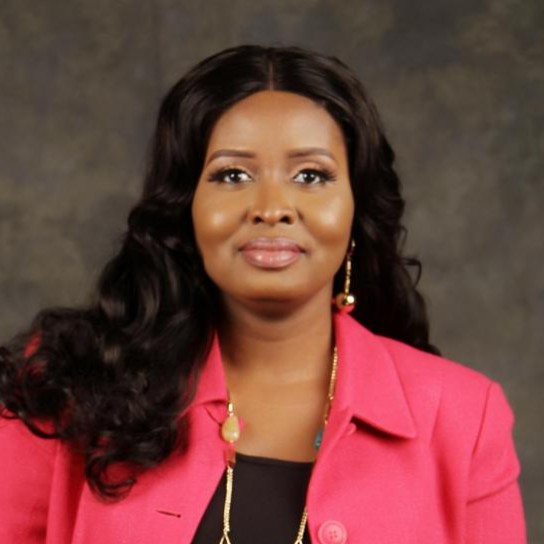
 Dr. Asmau Benzies Leo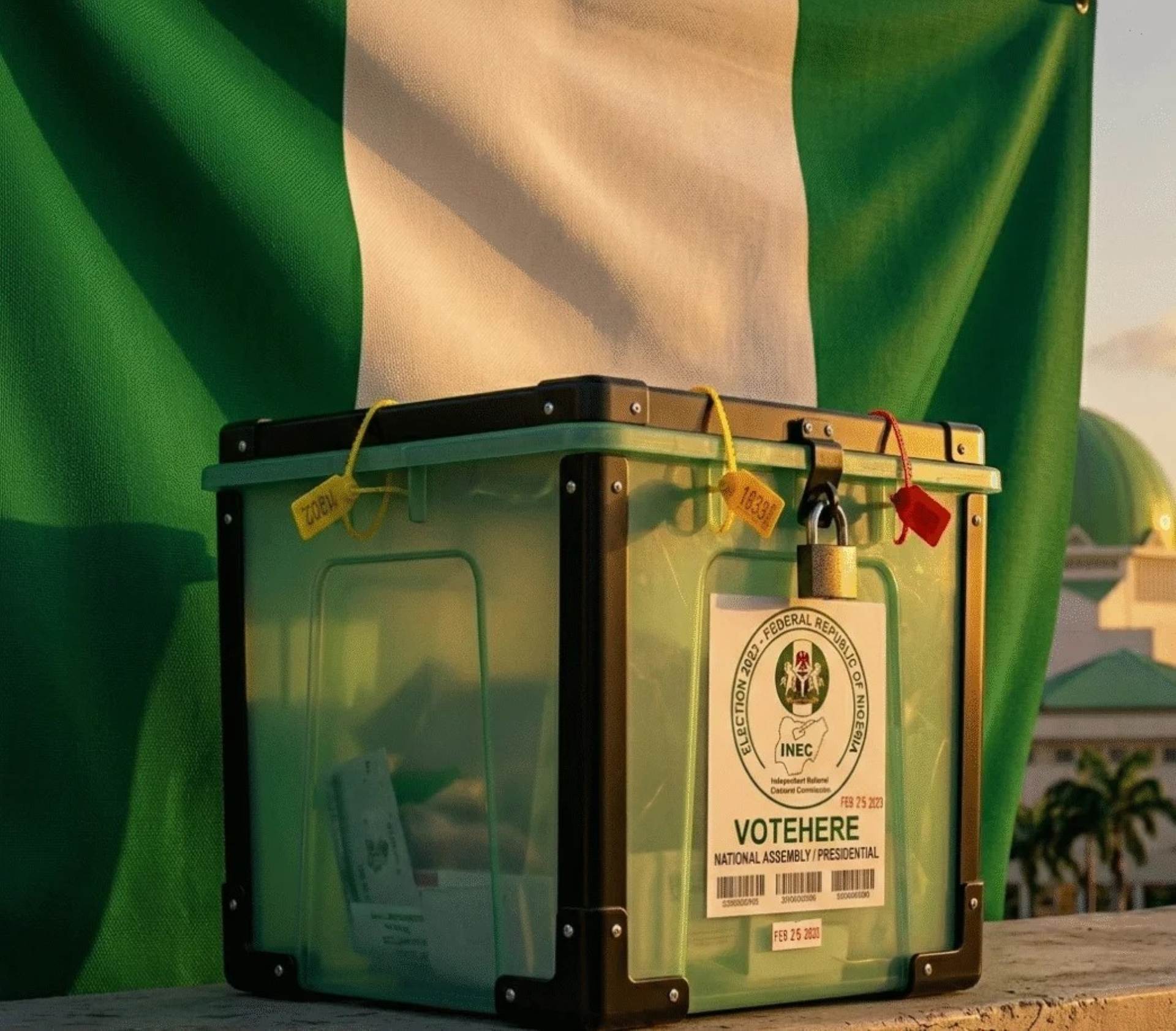
Nigeria’s political landscape has entered a decisive phase as political parties across the country commence preparations for the 2027 General Elections. The commencement of campaigns for the Presidential and National Assembly elections on 19 August 2026 signals the beginning of an intense period of political mobilisation, engagement and competition across party lines.
The next phase will commence on 9 September 2026, when campaigns for the Governorship and State Houses of Assembly elections officially begin. With the Presidential and National Assembly elections scheduled for 16 January 2027, followed by the Governorship and State Assembly elections on 6 February 2027, political parties now have a critical responsibility to ensure that the electoral process is not only competitive, but also inclusive, peaceful and representative.
Campaign Committees: The Engine of Electoral Mobilisation
Political parties have begun establishing and activating campaign committees at national, zonal, state, senatorial, federal constituency and ward levels. These structures are expected to coordinate campaign activities, voter mobilisation, communications, stakeholder engagement, logistics, fundraising and grassroots outreach.
However, the composition and leadership of these committees will matter as much as their numbers. Campaign committees should not become structures where women and young people are assigned ceremonial or supportive positions while strategic decisions remain concentrated in the hands of a few.
Women must be deliberately positioned at the heart of these campaign structures and, importantly, must lead significant aspects of the electoral process.
Women should occupy strategic positions as campaign directors, coordinators, policy advisers, communication leads, mobilisation coordinators, fundraising leaders and grassroots organisers. Their participation must translate into influence over campaign strategy, candidate selection, resource allocation and political decision-making.
Women Must Lead the Campaign for Women Candidates
The 2027 elections present an opportunity to move beyond the familiar narrative of women as the backbone of political mobilisation while remaining underrepresented among elected officials.
Women constitute a powerful electoral constituency, but their numerical strength as voters and grassroots mobilisers has not translated proportionately into political representation. This gap must be addressed deliberately.
Women leaders within political parties, women’s wings, civil society organisations and political networks must therefore lead the campaign for women’s political inclusion. Their task should not end with mobilising voters for male candidates. They must also advocate, organise and mobilise resources to ensure that female candidates are given genuine opportunities to contest, compete and win elections.
This requires women to build cross-party networks, support female candidates with campaign expertise, facilitate access to political financing, strengthen women’s grassroots structures and challenge discriminatory practices within political parties.
Most importantly, women must be prepared to campaign for women to win not merely to participate.
The objective should be to create an electoral environment where competent female candidates have the political, financial, organisational and security support required to compete effectively against their male counterparts.
From Token Representation to Political Power
For too long, women have been invited into political processes primarily as voters, supporters and mobilisers. Yet women are equally capable of shaping policies, leading campaigns, negotiating political alliances and governing at every level. The 2027 electoral cycle must therefore challenge tokenism.
Political parties should ensure that women are represented meaningfully in campaign committees and that female candidates receive equitable access to party platforms, campaign resources, media exposure and political networks. Where women are nominated, parties must demonstrate a genuine commitment to supporting them throughout the campaign and not abandoning them after nomination.
Women themselves must also recognise their collective political power. A coordinated women’s movement across party lines can influence candidate selection, policy priorities and voter mobilisation. While political loyalty and ideological differences will remain, there is significant space for women to unite around common demands for representation, protection, economic empowerment, peace and inclusive governance.
The 2027 Elections and the Imperative for Peace
The months leading to January 2027 will also test Nigeria’s capacity to manage political competition peacefully. Campaigns must be centred on ideas, programmes and policy choices rather than hate speech, misinformation, intimidation, ethnic mobilisation and political violence. Women have a particularly important role in peacebuilding during elections. As community leaders, political actors, civil society advocates and grassroots organisers, women can help identify emerging tensions, promote dialogue and advocate for non-violent political engagement.
Campaign committees should therefore integrate gender-sensitive conflict prevention and peacebuilding into their strategies, while political parties should commit themselves to protecting women candidates and supporters from harassment, intimidation and gender-based political violence.
A Defining Moment for Nigerian Democracy
The commencement of campaigns marks more than another stage in Nigeria’s electoral calendar. It represents an opportunity to redefine how political competition is conducted and who gets to shape the country’s political future.
Between now and 16 January 2027, and subsequently the 6 February 2027 Governorship and State Assembly elections, political parties will have an opportunity to demonstrate whether they genuinely believe in inclusive democracy.
For women, the moment is particularly important. Women must not wait to be invited to the table; they must organise, lead and occupy the table. They must lead campaign committees, shape political narratives, mobilise voters, negotiate political alliances and, most importantly, create the conditions for female candidates to win.
The 2027 elections should therefore become a turning point from women being treated as the engine of political mobilisation to women becoming drivers of political power and governance.
Nigeria cannot achieve a truly representative democracy when half of its population remains significantly underrepresented in political decision making. The campaign season offers an opportunity to change that reality.
The question is no longer whether women can participate. The question is whether Nigeria’s political system is ready to let women lead and whether women are ready to lead themselves into power.
About Author
Asmau Benzies Leo
Dr. Asmau Benzies Leo is a development practitioner with extensive national and international expertise in gender equality, peace-building, governance, and humanitarian action. She holds a PhD in Public Governance and Leadership, a Master’s degree in Conflict Management and Peace Studies, and executive certifications from leading institutions including Howard University, Harvard University and Glasgow Caledonian University. As Executive Director of the Centre for Non-violence and Gender Advocacy in Nigeria (CENGAIN), she has led ground-breaking advocacy initiatives on women’s political participation, gender-based violence prevention, and security sector reform across multiple World Bank, UN and EU-supported projects.
The IWA Series 15 Conference is Here
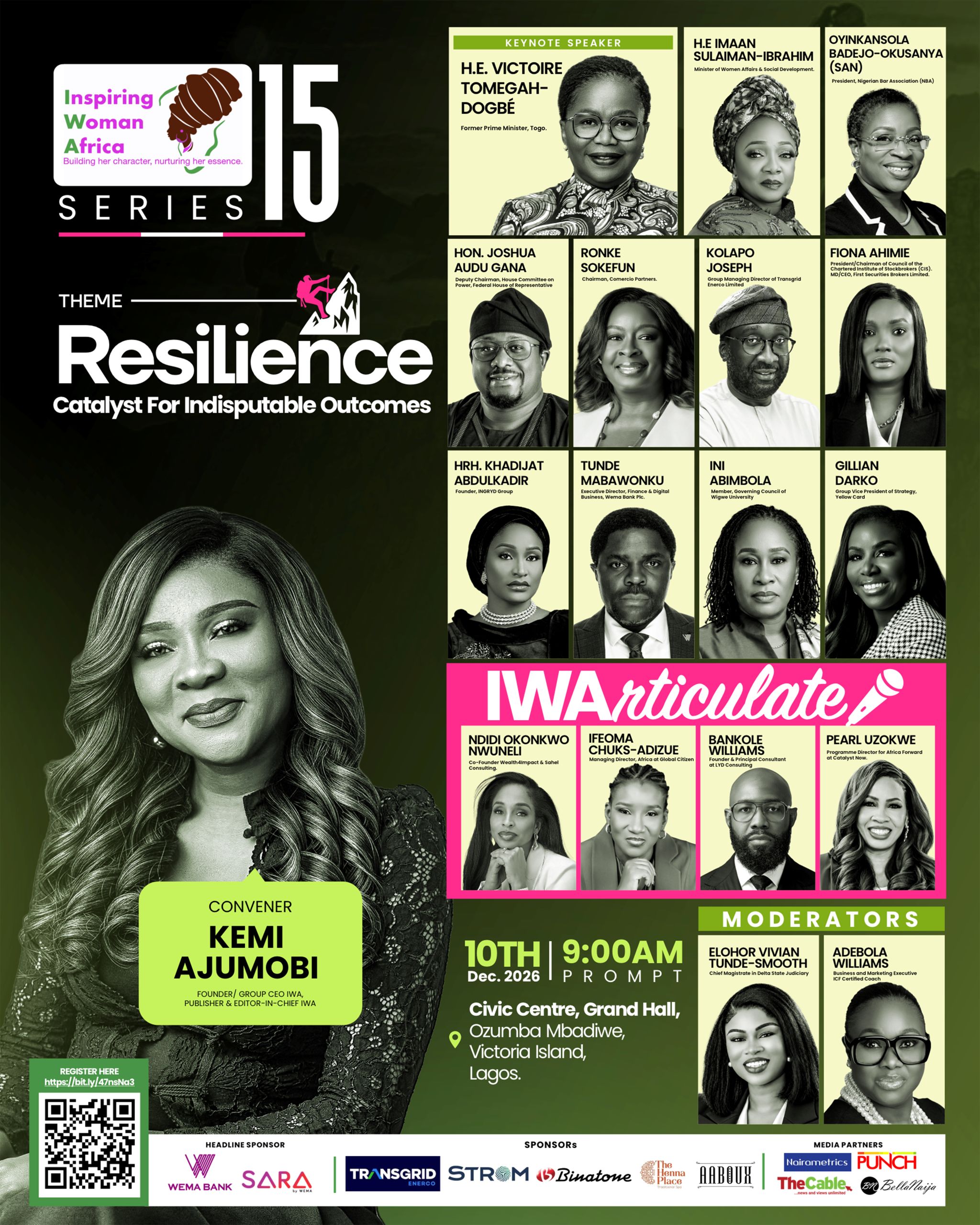
Click To Register
Latest Edition of IWA Magazine
October 20, 2026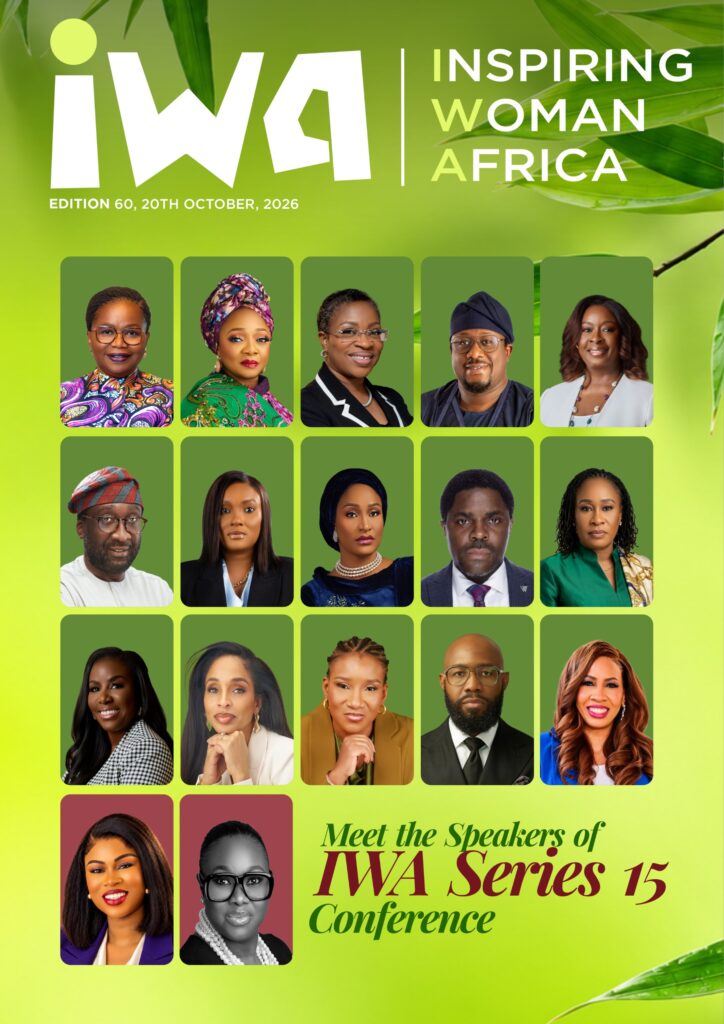
Meet the Speakers of IWA Series 15 Conference
Latest Posts
-
 Oct 20, 2026 Hard Conversations: The Skill No One Puts on a CV
 -
 Oct 20, 2026 5 Africa Women Listed as 2026 Forbes Icons
 -
 Oct 20, 2026 You Are Wealthier Than You Think