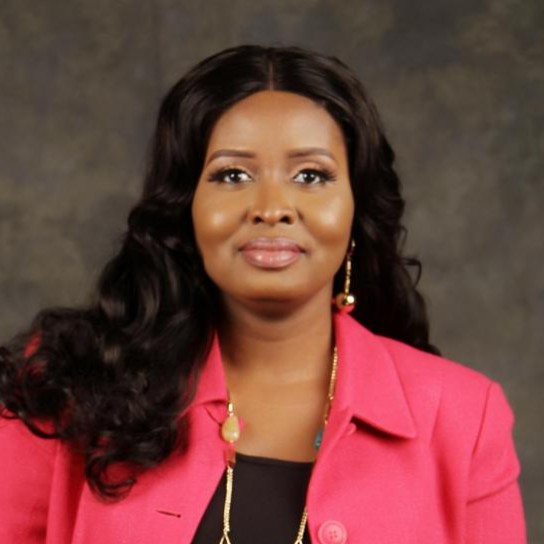
 Dr. Asmau Benzies Leo
For years, activists across Nigeria have described violence against women as a crisis hiding in plain sight; pervasive, normalised, and too often ignored. Today, as the federal government signals a renewed commitment to reforming the country’s central protective legislation, cautious optimism is emerging. There is a growing sense that Africa’s most populous nation may finally be treating gender-based violence with the urgency it demands.
The data underscores the gravity of the situation. Reported rape cases more than doubled between 2020 and 2022, according to government figures cited by rights organisations. In 2024 alone, femicide tracking platforms documented well over a hundred killings of women, with new cases continuing to surface this year. Perhaps more troubling is the persistence of deeply ingrained social norms: surveys indicate that nearly half of Nigerian women believe a husband is justified in striking his wife under certain circumstances. For researchers, this statistic highlights the extent to which domestic violence remains normalised, even as public outrage over individual incidents grows louder.
Against this backdrop, the Federal Ministry of Women Affairs and Social Development has begun reviewing the Violence Against Persons (Prohibition) Act of 2015 (VAPP Act), Nigeria’s primary legal framework addressing rape, domestic violence, forced marriage, and other forms of abuse. The Ministry has announced plans to introduce more than 40 new legal instruments, guidelines, and safeguarding frameworks aimed at strengthening protections nationwide.
Officials describe this effort as part of a broader policy shift, one that reframes gender based violence not merely as a social concern, but as a matter of national security and economic stability.
This reframing is significant. While the VAPP Act marked a landmark achievement when it was enacted, its impact has been limited by uneven adoption. More than a decade later, several of Nigeria’s 36 states have yet to properly domesticate the law, leaving millions of women particularly in parts of the North and Southeast without its full protections.
In these regions, survivors often rely on a fragmented system of state statutes, customary practices, and, in some cases, religious legal frameworks.
Even where the law is in force, enforcement remains inconsistent. Survivors frequently encounter police reluctance to pursue cases, societal pressure to resolve matters privately, and prolonged court processes that can stretch for years. Investigative reports have further revealed how plea bargains and out-of-court settlements in rape cases sometimes allow perpetrators to evade meaningful accountability, undermining both justice and deterrence.
Regional dynamics compound these challenges. In conflict-affected areas of northern Nigeria, women and girls displaced by violence face heightened risks of exploitation, even within camps designed for their protection. Human rights organisations have also reported an alarming pattern of abductions and sexual violence linked to militant activity, alongside the continued prevalence of forced child marriage in some communities. These practices not only endanger lives but also deprive girls of education and long-term opportunities.
Economic vulnerability further entrenches the cycle of abuse. Discriminatory widowhood practices, limited access to financial services, and a labor market dominated by informal employment leave many women without the economic means to escape abusive environments. For countless survivors, the decision to leave is not only emotional but also deeply financial and often untenable.
Despite these challenges, momentum for change is building. Civil society organizations like the Centre for Nonviolence and Gender Advocacy in Nigeria (CENGAIN), FIDA and other women led CSOs have continued to advocate for full domestication of the VAPP Act across all states, emphasizing that a national law without nationwide implementation offers only partial protection. These Advocacy groups are also calling for increased funding, specialized training for law enforcement, and the establishment of dedicated courts to expedite gender based violence cases and reforms which they argue are just as critical as legislative updates.
Encouragingly, the government’s evolving rhetoric suggests a growing recognition of the broader implications of the crisis. By framing violence against women as a threat to national development, policymakers are beginning to shift the narrative away from viewing it as a private or cultural issue. However, the true test lies not in policy language but in implementation.
For many Nigerian women, especially those whose experiences rarely make headlines, the success of these reforms will be measured not by legislative announcements, but by tangible changes on the ground. Will new frameworks reach police stations in Kano as effectively as they do in Abuja? Will courtrooms deliver timely justice? And will the promise of protection finally become a lived reality?
As Nigeria stands at this critical juncture, the question remains: can legal reform translate into meaningful, sustained change? The answer will shape not only the future of women’s rights in the country but also the nation’s broader trajectory toward justice, equity, and development.
About Author
Asmau Benzies Leo
Dr. Asmau Benzies Leo is a development practitioner with extensive national and international expertise in gender equality, peace-building, governance, and humanitarian action. She holds a PhD in Public Governance and Leadership, a Master’s degree in Conflict Management and Peace Studies, and executive certifications from leading institutions including Howard University, Harvard University and Glasgow Caledonian University. As Executive Director of the Centre for Non-violence and Gender Advocacy in Nigeria (CENGAIN), she has led ground-breaking advocacy initiatives on women’s political participation, gender-based violence prevention, and security sector reform across multiple World Bank, UN and EU-supported projects.
The IWA Series 15 Conference is Here
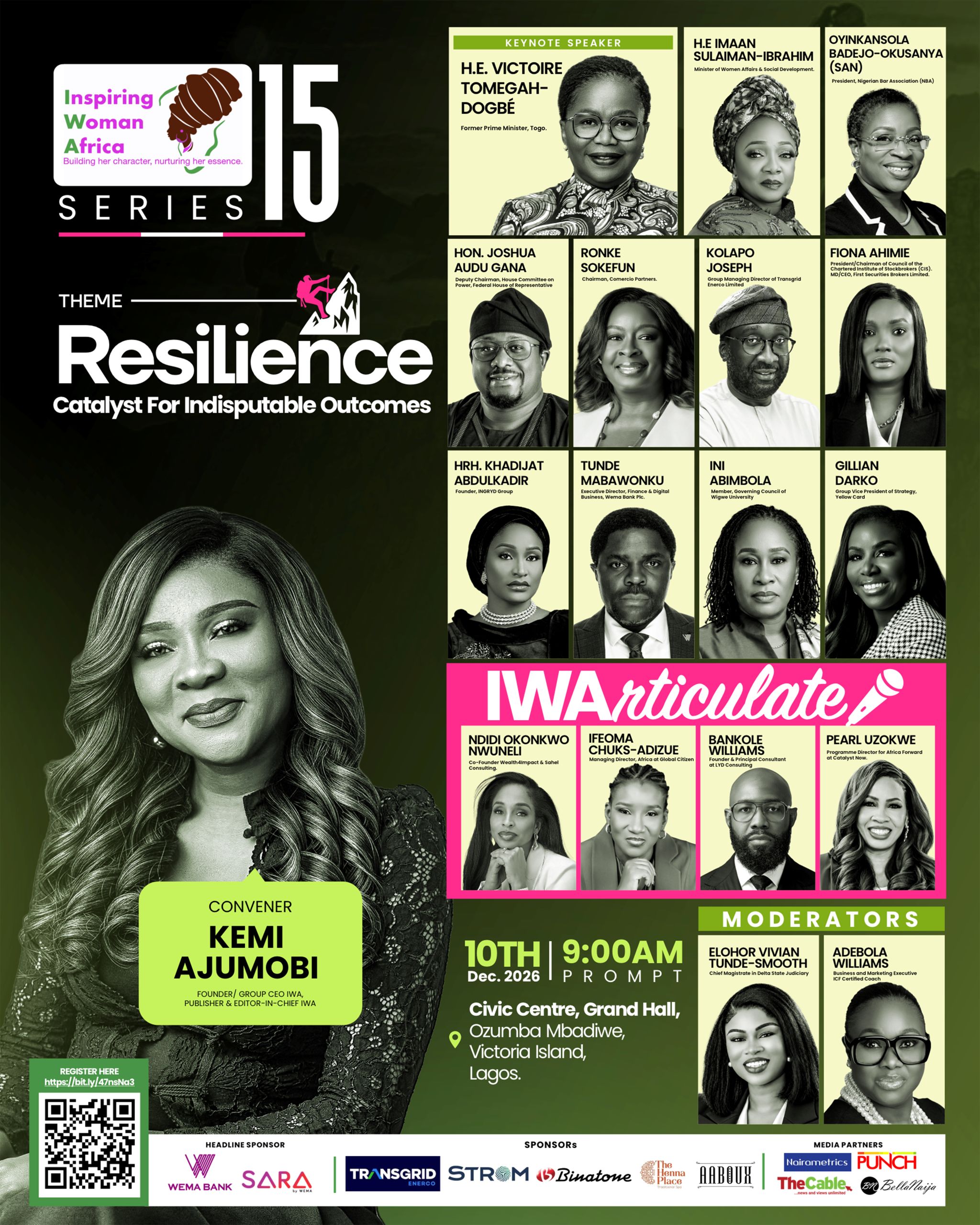
Click To Register
Latest Edition of IWA Magazine
October 20, 2026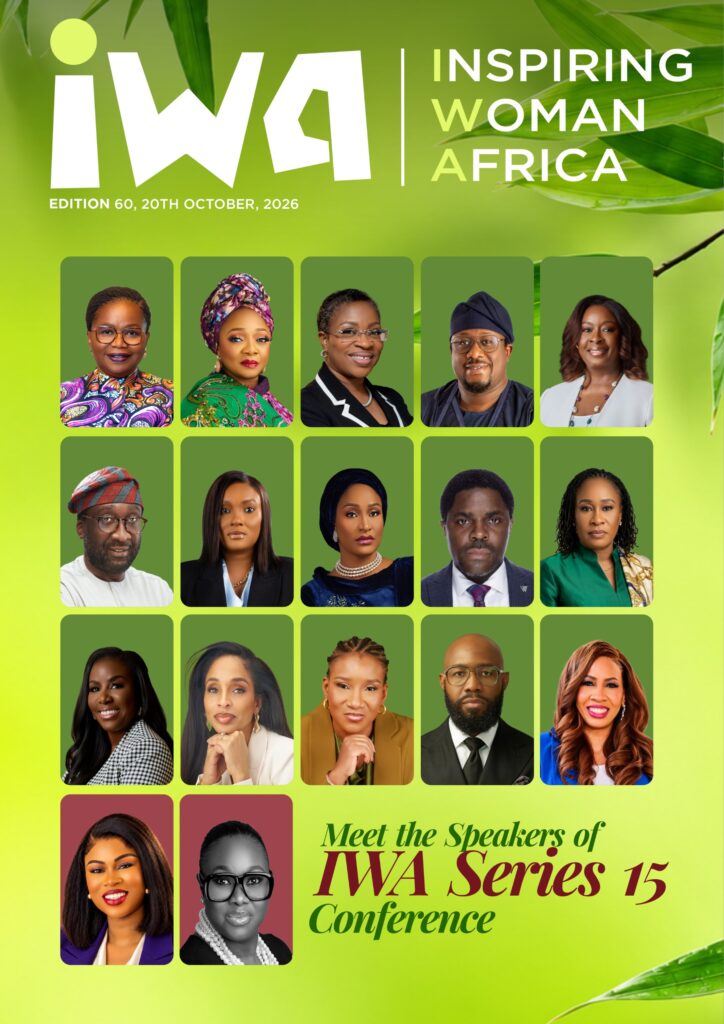
Meet the Speakers of IWA Series 15 Conference
Latest Posts
-
 Oct 20, 2026 Hard Conversations: The Skill No One Puts on a CV
 -
 Oct 20, 2026 5 Africa Women Listed as 2026 Forbes Icons
 -
 Oct 20, 2026 You Are Wealthier Than You Think