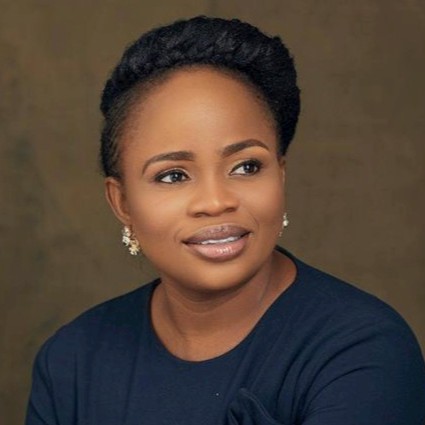
 Sola Adesakin
Let us start with what frugality is, because it deserves respect before it receives correction. The ability to live within your means, to resist the pull of lifestyle inflation, to find value without waste, these are not small things. They are the foundation of financial sanity. In a culture that celebrates consumption and makes spending feel like self-expression, the person who saves deliberately and spends with intention is doing something genuinely countercultural. That discipline matters.
But there is a ceiling on it. And too many people, particularly women who were raised to be careful rather than bold with money, hit that ceiling without realising it exists. They cut more, save more, spend less, and wonder why the needle is not moving the way they expected. The problem is not their discipline. The problem is that they have mistaken a management tool for a growth strategy.
Frugality manages money. It does not multiply it.
Think about what frugality actually does in mathematical terms. If you earn N300,000 a month and you are exceptionally disciplined, perhaps you save N90,000 of it. That is a 30% savings rate, which is genuinely impressive and puts you ahead of most people. But you are still working within a fixed number. The ceiling on your frugality is your income. You cannot save more than you earn, and cutting expenses has a floor. Rent, food, transportation, school fees, these do not disappear no matter how lean you run. At some point, the knife has nothing left to cut.
Wealth, real wealth, is not built by reducing what goes out. It is built by increasing what comes in and deploying it intelligently. That is a fundamentally different equation, and it requires a fundamentally different set of actions.
The first shift is from expense management to earning capacity. What are you worth in the market right now, and what would make you worth more? This is not an abstract question. It has specific answers. A professional certification that opens a new income tier. A skill set that positions you for consulting work alongside your salary. A body of work, writing, speaking, advising, that builds a reputation that commands higher fees. The women who move from financial stability to financial freedom almost always do so because they made a deliberate investment in their own earning power, not because they found one more thing to cut from the budget.
This is not comfortable territory for everyone, because it requires spending, sometimes significantly, on yourself. On education, on coaching, on tools, on visibility. The frugal instinct resists this. But the return on a well-chosen investment in your own capacity is often higher than anything else you will put your money into. A N200,000 course that moves your consulting rate from N150,000 to N400,000 per engagement is not an expense. It is the highest-returning investment in your portfolio.
The second shift is from saving to investing. Saving is money parked. Investing is money working. The difference over a decade is not marginal, it is transformational. N50,000 sitting in a standard savings account at 4% annual interest over ten years becomes roughly N74,000. The same N50,000 invested monthly in an instrument averaging 15% annual returns over ten years becomes approximately N13.5 million. Same discipline. Completely different outcome. The variable is not how much you saved. It is what you did with what you saved.
The third shift is understanding that income has a multiplier effect that frugality never will. When your income grows, your capacity to save, invest, and build grows with it. When your income stays flat and you are only managing the margin, you are playing a game with a fixed prize. Increasing your income, through skills, positioning, negotiation, business building, or investment returns, changes the size of the prize entirely.
None of this means stop being careful. It means stop confusing carefulness with a strategy. Frugality keeps the foundation clean. But foundations do not build themselves upward without new material. You need skills, income growth, and consistent investment to do that work.
The wealthiest people you know are not the most frugal ones. They are the ones who mastered the basics of not wasting money and then turned their full attention to the much more interesting and more rewarding work of multiplication.
Subtract what drains you. Then build what grows you.
Frugality is the floor. Make sure you are not also treating it as the ceiling.
About Author
Sola Adesakin
Sola Adesakin is a highly respected wealth coach and chartered accountant with over two decades of transformative impact in the finance industry. As the visionary founder of Smart Stewards Financial Advisory Limited and Smart Stewards Advisory LLC, she has revolutionized the financial wellbeing of countless individuals and businesses across 40 countries. Her methodical approach to ‘make-manage-multiply’ money principles has elevated many from financial stress to prosperity, and mediocrity to exceptional achievement.
Latest Edition of IWA Magazine
August 25, 2026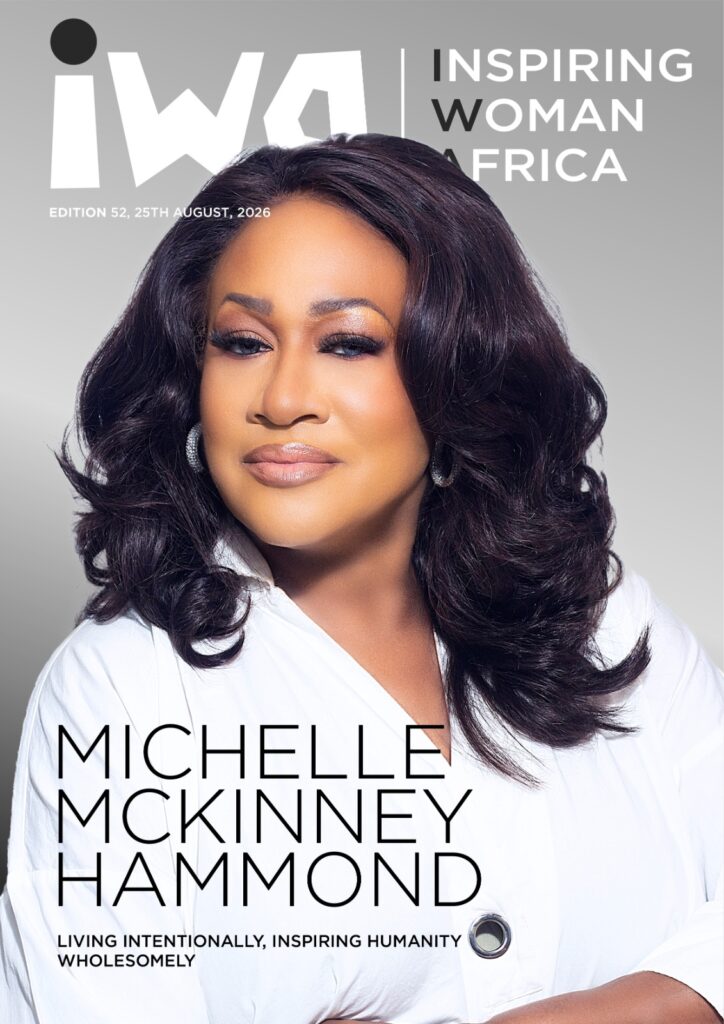
Michelle McKinney Hammond — Living Intentionally, Inspiring Humanity Wholesomely
Latest Posts
-
 Aug 25, 2026 Money Responds to Clarity