 Dr. Maymunah Yusuf Kadiri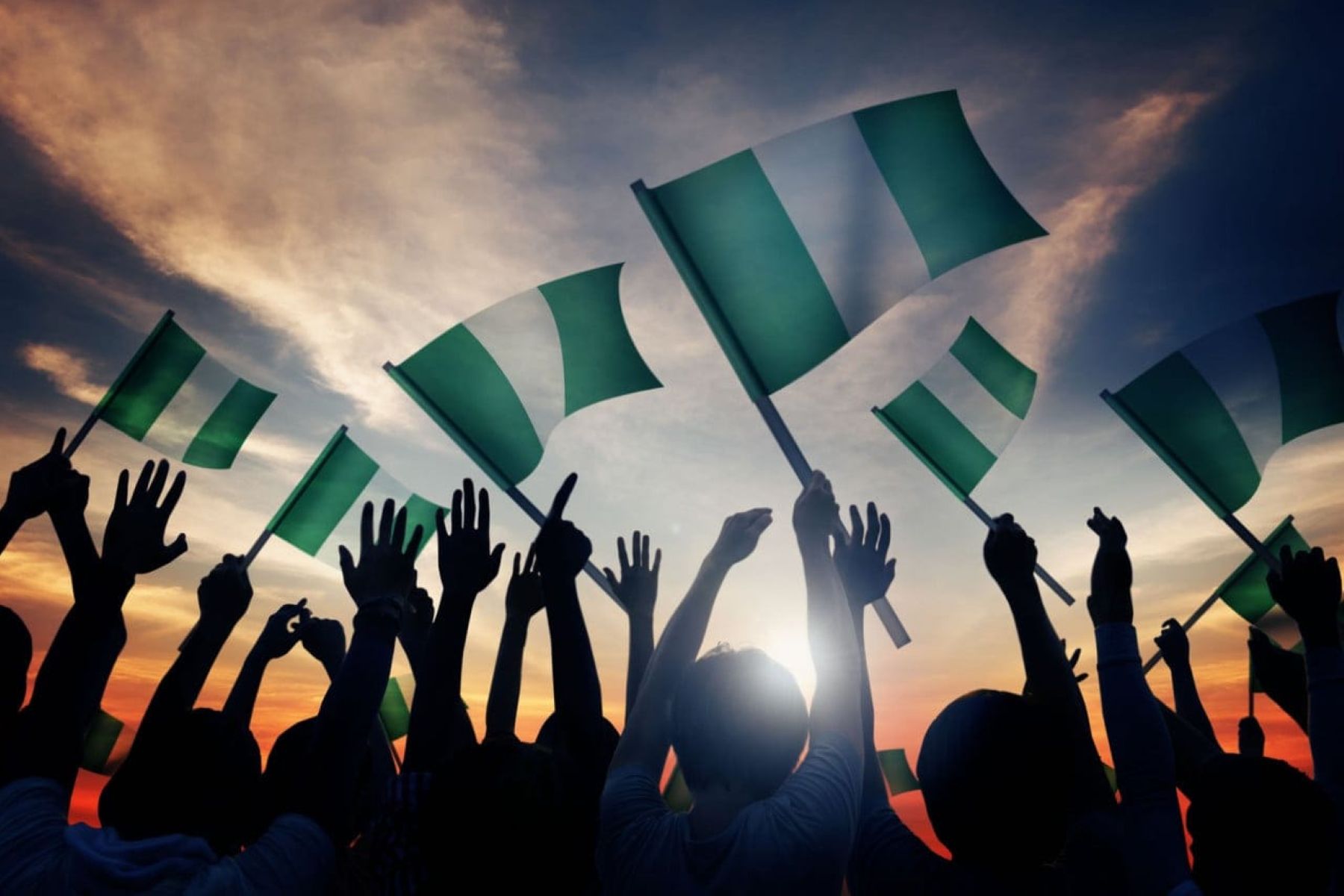
The Independence We Rarely Talk About
Every Independence Day, we speak about freedom. We remember the lowering of one flag and the raising of another. We celebrate the courage, possibility and promise of nationhood. But this year, as Nigeria marks 66 years of independence, I want us to ask a more intimate question: beyond the freedom of a nation, how free are the people living inside it?
I have sat across from highly successful Nigerians who can pay salaries, lead organisations, raise families and solve everybody else’s problems, yet cannot sleep without their minds racing. I have met women who are dependable to everyone except themselves, men who were taught that strength means silence, young people who are exhausted before life has truly begun, and parents who are working so hard to give their children a better future that they are barely present in their children’s today. They are functioning. They are achieving. They are surviving. But are they free?
Holistic living invites us to expand our definition of freedom. Freedom is not only the absence of external control. It is also the ability to inhabit your own life with health, dignity, connection and purpose. It is being able to rest without feeling useless, to say no without drowning in guilt, to seek help without shame, to eat in a way that nourishes rather than punishes you, to move your body because you value it, and to have relationships in which you do not have to disappear in order to belong.
This matters because health does not begin and end in a hospital. The World Health Organisation describes wellbeing as shaped by the conditions in which people are born, grow, live, work and age. Our mental health is influenced not only by individual choices but also by family life, social connection, work, economic pressures, safety and community. That is why holistic living cannot be reduced to green smoothies, gym memberships or expensive retreats. It is the architecture of everyday life.
For many Nigerians, that architecture is under pressure. There are bills to pay, people depending on us, long commutes, uncertain incomes, family expectations, digital overload and the constant temptation to keep pushing because stopping feels dangerous. Under prolonged stress, the body and mind pay attention even when we do not. Sleep becomes lighter. Patience becomes shorter. Concentration becomes harder. Food becomes comfort. Relationships become strained. We may begin calling chronic depletion “normal” simply because everyone around us appears equally tired.
This Independence Day, perhaps we need a declaration of personal freedom. Freedom from glorifying exhaustion. Freedom from believing that suffering is proof of seriousness. Freedom from measuring our worth only by productivity. Freedom from carrying inherited emotional wounds without ever examining them. Freedom from relationships that repeatedly diminish us. Freedom from the performance of having it all together when what we desperately need is support.
But holistic freedom also requires responsibility. We cannot control every circumstance around us, and we should never blame people for struggling in conditions that make wellbeing difficult. Yet within the choices available to us, we can begin to build healthier rhythms. We can protect sleep as a biological necessity, not a reward for finishing everything. We can move our bodies regularly, eat more nourishing foods, create moments of quiet, reduce unnecessary digital noise, invest in friendships, nurture faith or meaning, attend preventive health checks and seek professional help when distress begins to interfere with daily life.
Families can create emotional freedom by making home a place where feelings can be named without ridicule. Workplaces can create healthier cultures by rewarding sustainable performance rather than permanent availability. Communities can make it easier for people to belong instead of suffering alone. And each of us can learn that asking, “How are you really?” is sometimes more patriotic than another speech about resilience, because strong nations are ultimately made of human beings whose wellbeing matters.
Nigeria’s story has always contained extraordinary endurance. But endurance should not be our only national superpower. The next chapter must also make room for recovery, prevention, compassion, connection and flourishing.
So, as the green and white flags rise this Independence Day, celebrate the country, but conduct another kind of independence audit. What owns too much of your peace? What habit is quietly stealing your health? What expectation keeps you performing a life that no longer fits? What conversation have you postponed? What help have you been too proud or afraid to request?
Political independence gave us the right to determine our national future. Holistic independence asks us to become intentional about the lives we are building within that future.
So here is an Independence pledge worth carrying beyond October 1: “I will protect my mind, honour my body, nurture my relationships, work without worshipping exhaustion, make room for rest, live with purpose, seek help when I need it and leave the people and places around me healthier than I found them.
Nigeria is 66. May this be the year we stop asking only whether we are surviving and begin asking whether we are truly living. Because a nation does not flourish in the abstract. A nation flourishes when its people can flourish too.
About Author
Maymunah Yusuf Kadiri
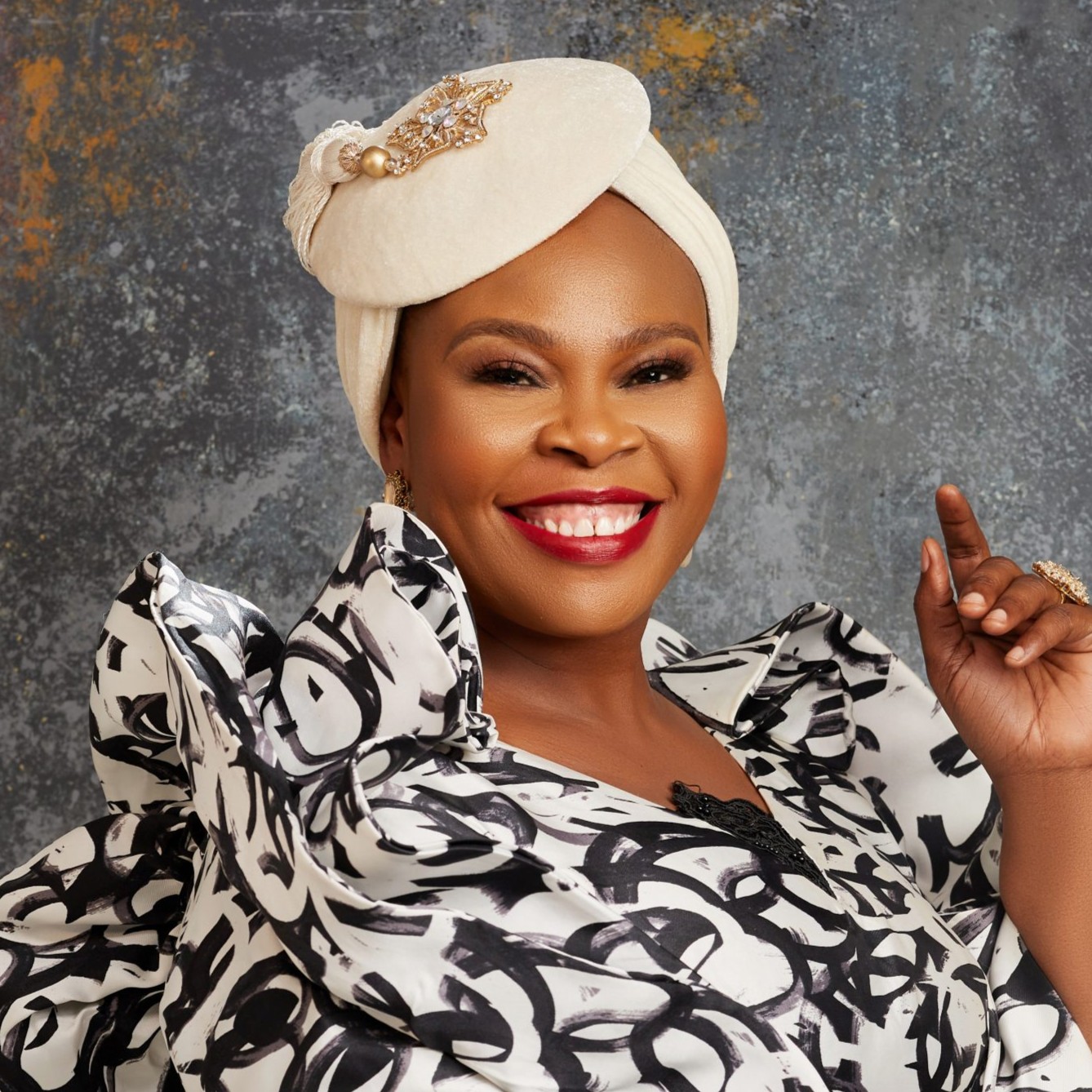
Dr. MAYMUNAH YUSUF KADIRI (aka DR. MAY) popularly referred to as “The Celebrity Shrink,” is a multiple award winning Mental Health Physician, Advocate & Coach. She is the convener of “The Mental Health Conference” and the Medical Director and Psychiatrist-In-Chief at Pinnacle Medical Services, Dr. Kadiri is a dynamic Consultant Neuro-Psychiatrist and a Fellow of the National Post Graduate Medical College of Nigeria (FMCPsych) with almost 20 years’ experience as a practicing Physician.
Author
Latest Edition of IWA Magazine
October 6, 2026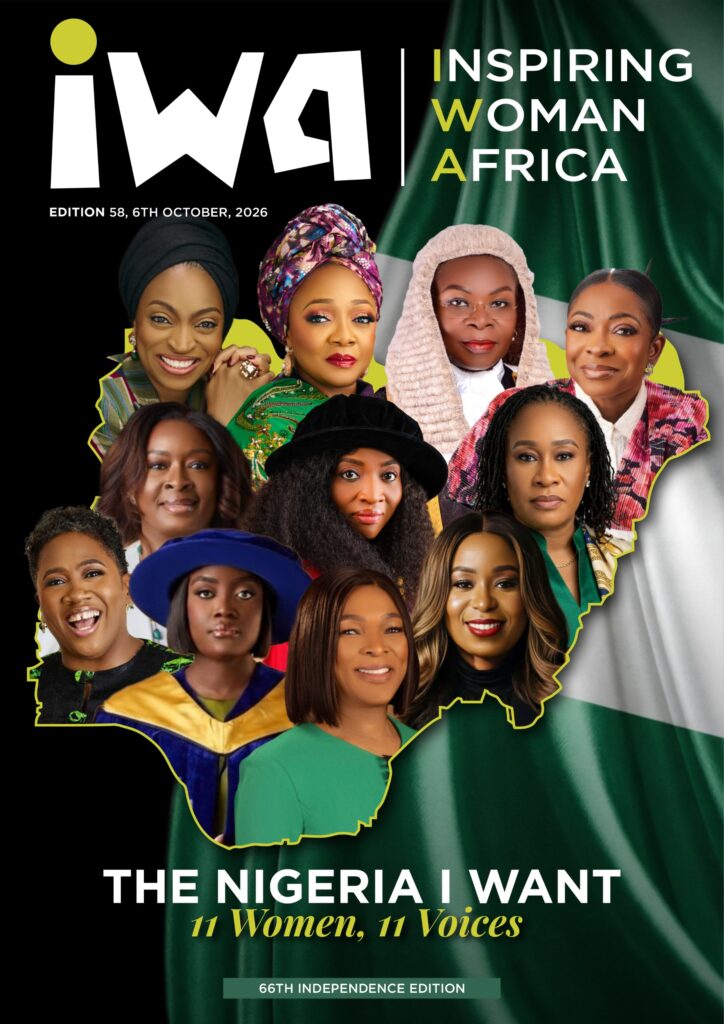
THE NIGERIA I WANT: 11 Women, 11 Voices
Latest Posts
-
 Oct 6, 2026 After the Red Sea
 -
 Oct 6, 2026 NIGERIA AT 66: THE COURAGE TO KEEP BECOMING
 -
 Oct 6, 2026 The Independence Worth Celebrating