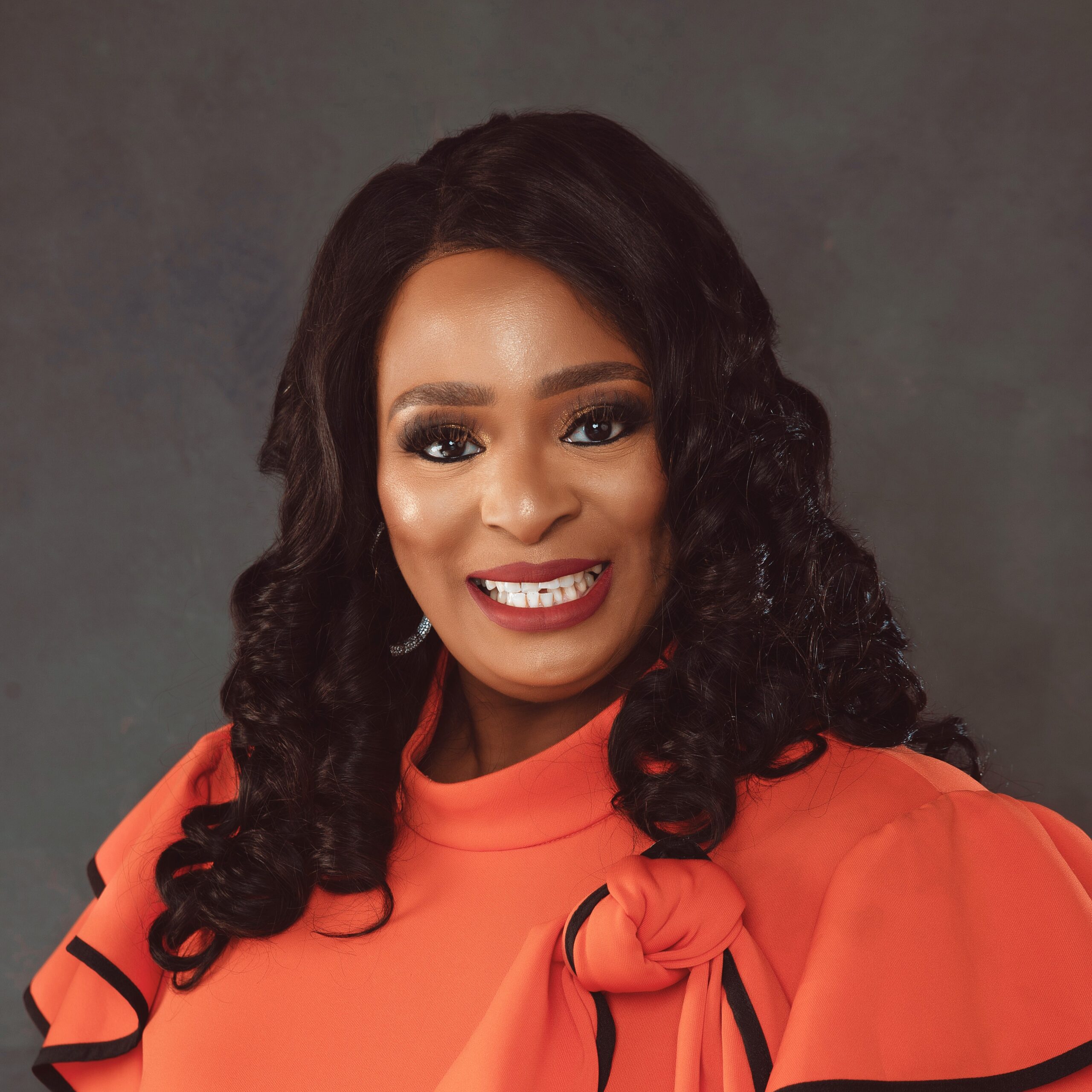
 Chinyere Okorocha
Some are visible. Many are not. They may never appear in her photographs, receive an award or have their names mentioned when her achievements are celebrated. But take them away, and the story of her success might have been very different.
They are the supportive spouse, the mother who helped with the children, the colleague who covered for her, the boss who advocated for her, the mentor who guided her, the sponsor who mentioned her name in a room she wasn’t in, the nanny who kept the home running, the driver who made impossible schedules possible, and the girlfriends who reminded her who she was when she temporarily forgot.
Yet, somehow, women have been sold the idea that strength means doing everything ourselves. It doesn’t.
The Superwoman Trap
I know many highly capable women who struggle to ask for help.
We tell ourselves, “It is faster if I do it myself.” We delegate something and then redo it because it wasn’t done exactly as we would have done it. We manage demanding careers, children, homes, ageing parents, marriages, friendships and community responsibilities, and still expect ourselves to function at 100 percent.
Then we wonder why we are exhausted.
One of the most important lessons I have learnt is this: you cannot build an extraordinary life with an insistence on doing ordinary tasks that somebody else can competently do for you.
Delegation is not laziness. It is strategy.
I Could Not Have Done It Alone
There were seasons in my career when work required significant travel while my children were young.
I remember travelling abroad for work when one of my babies was only four months old. There was guilt. There were logistics. There was the emotional tug every working mother understands.
What made it possible was support
My husband was willing to step in and parent fully, whilst my mother came over from the village to help too, when work took me away. I therefore had domestic support and people I trusted with my children and my home.
Without that infrastructure, some of the opportunities that helped build my career would have been considerably harder, perhaps impossible, to take.
That is why when people celebrate successful women, I often think we should also celebrate the ecosystem that made their success possible.
Different Helpers for Different Seasons
Early in your career, you may need a mentor to help you navigate unfamiliar terrain. As you progress, you need sponsors willing to say, “I think she is ready,” when opportunities are being discussed.
You need colleagues and allies who have your back, a sisterhood with whom you can be vulnerable, and sometimes a coach to help you move deliberately to your next level.
Do not underestimate practical help
The nanny who lovingly looks after your child while you attend an important meeting is part of your career infrastructure. So is the housekeeper who takes hours of domestic work off your plate and the driver who allows you to take calls or review documents in traffic.
And the higher you rise, another person can become invaluable: a competent Personal or Executive Assistant.
At senior levels, your scarcest resource is often not money but time and attention. An excellent PA or EA does far more than manage a diary. They protect your time, anticipate conflicts, coordinate competing priorities, follow up on commitments and create order around an increasingly complex and sometimes chaotic professional life.
Trying to personally manage every appointment, email, document, reminder and logistical detail when you are leading at a high level is not necessarily admirable. Sometimes it simply means you have failed to delegate.
These people are not incidental to the story. They are part of the story.
When Help Fails
Of course, support will sometimes disappoint you.
A nanny from hell takes center stage or leaves unexpectedly with your belongings. A colleague who you thought had your back, turns out to be a backstabbing obstacle to your progress and lets you down. Your assistant drops a ball and one too many opportunities or clients briefs fall through the cracks. A mentor becomes increasingly unavailable. A spouse may even begin to struggle to understand the demands of a new role.
The above notwithstanding, the answer is not, “I will just do everything myself.”
Build systems instead
Have backup arrangements. Communicate expectations clearly. Train people. Delegate properly. Check in without micromanaging. And when someone consistently fails, replace the support rather than abandoning the concept of support altogether.
Most importantly, learn to receive help without guilt.
Build Your Village Intentionally
Ask yourself: Who is in my career village?
Who supports my home? Who advises me? Who challenges me? Who advocates for me? Who protects my time? Who can I call when things fall apart? Where are the gaps?
Then deliberately build the support you need.
And remember, a village works both ways. Recommend another woman. Mentor someone. Cover for a colleague. Share an opportunity. Thank the people who make your life work.
Strong women do not prove their strength by carrying everything.
They know what to carry, what to delegate, when to ask for help and whom to trust.
Because from her point of view, behind every woman who rises is rarely one pair of hands.
There is usually a village helping her climb.
About Author
Chinyere Okorocha
With over three decades of experience as a trailblazer in the legal profession, Chinyere Okorocha has established herself as a leading voice in law, leadership, and career growth for women. As a partner in one of the most prestigious law firms in the country, she has not only navigated the complexities of a competitive industry but has consistently broken barriers to become a sought-after leader, mentor, and advocate for women in the workplace. A devoted wife and proud mother of three, her career development platform, Heels & Ladders, is dedicated to mentoring and guiding women who aspire to redefine success, achieve career mastery, and lead with purpose.
The IWA Series 15 Conference is Here
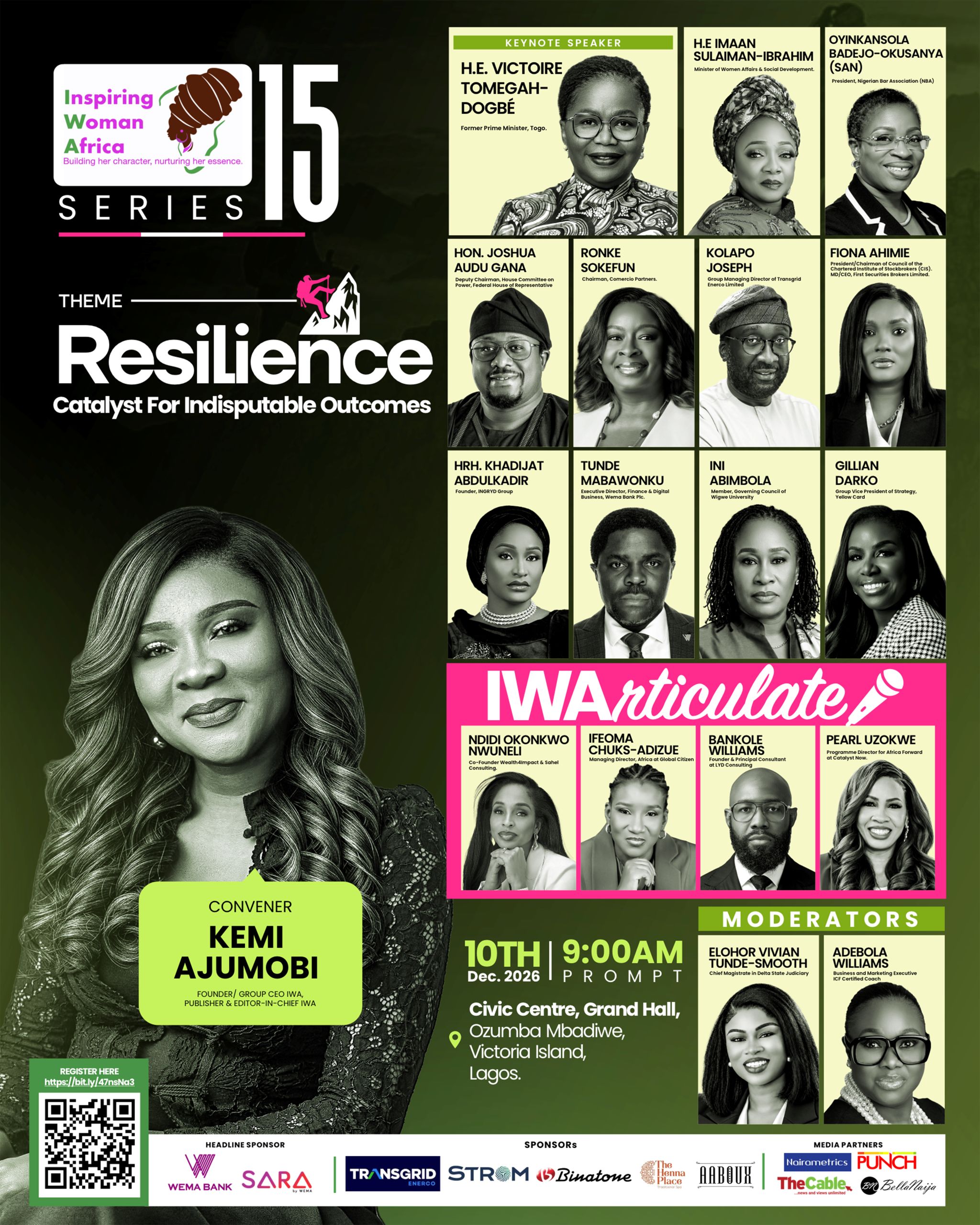
Click To Register
Latest Edition of IWA Magazine
October 20, 2026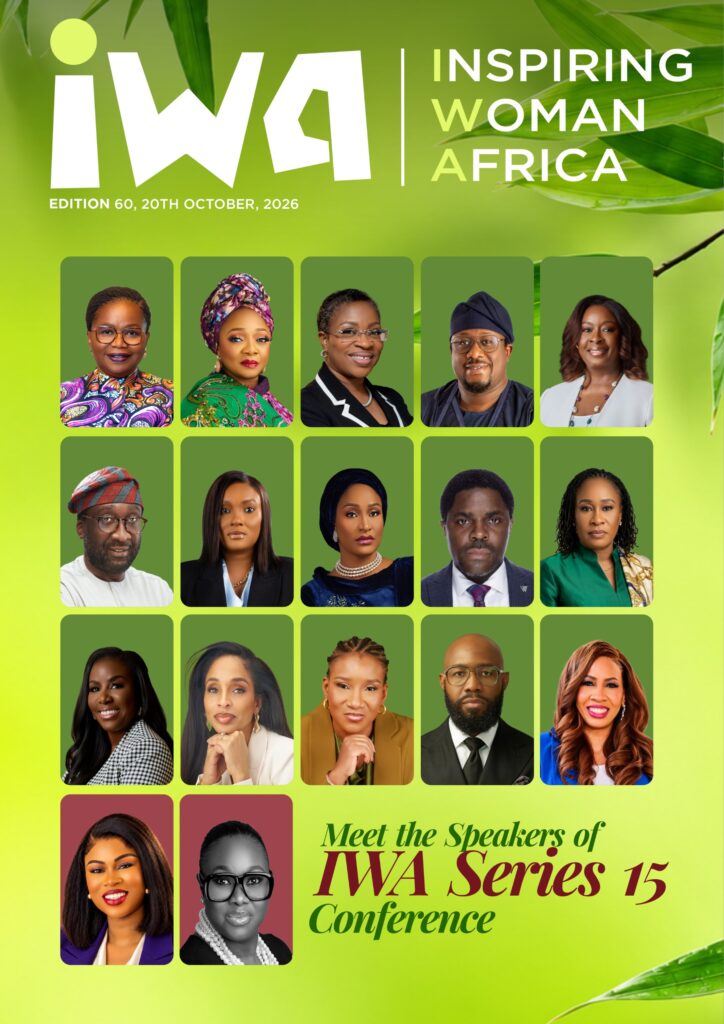
Meet the Speakers of IWA Series 15 Conference
Latest Posts
-
 Oct 20, 2026 Hard Conversations: The Skill No One Puts on a CV
 -
 Oct 20, 2026 5 Africa Women Listed as 2026 Forbes Icons
 -
 Oct 20, 2026 You Are Wealthier Than You Think