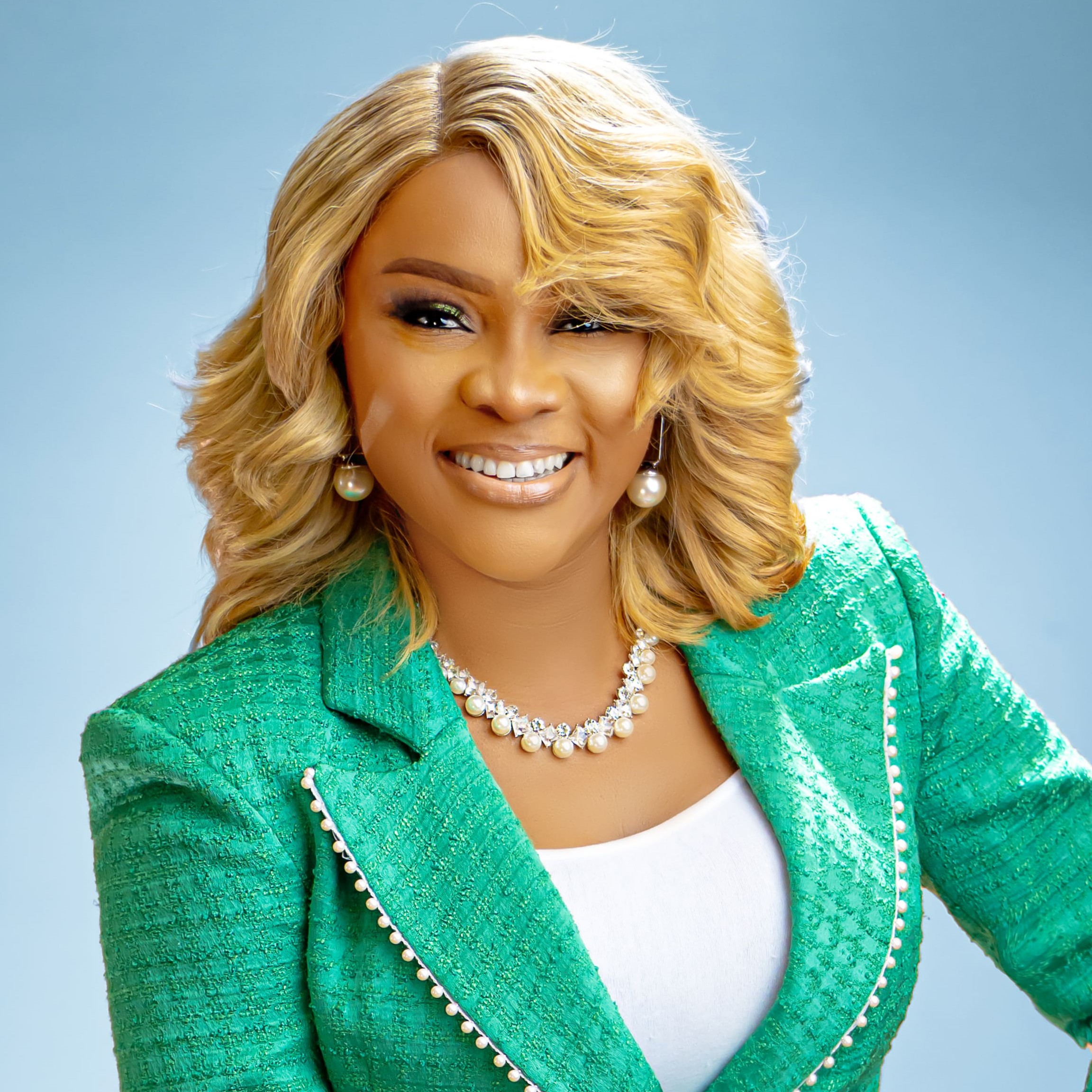
 Kemi Ajumobi
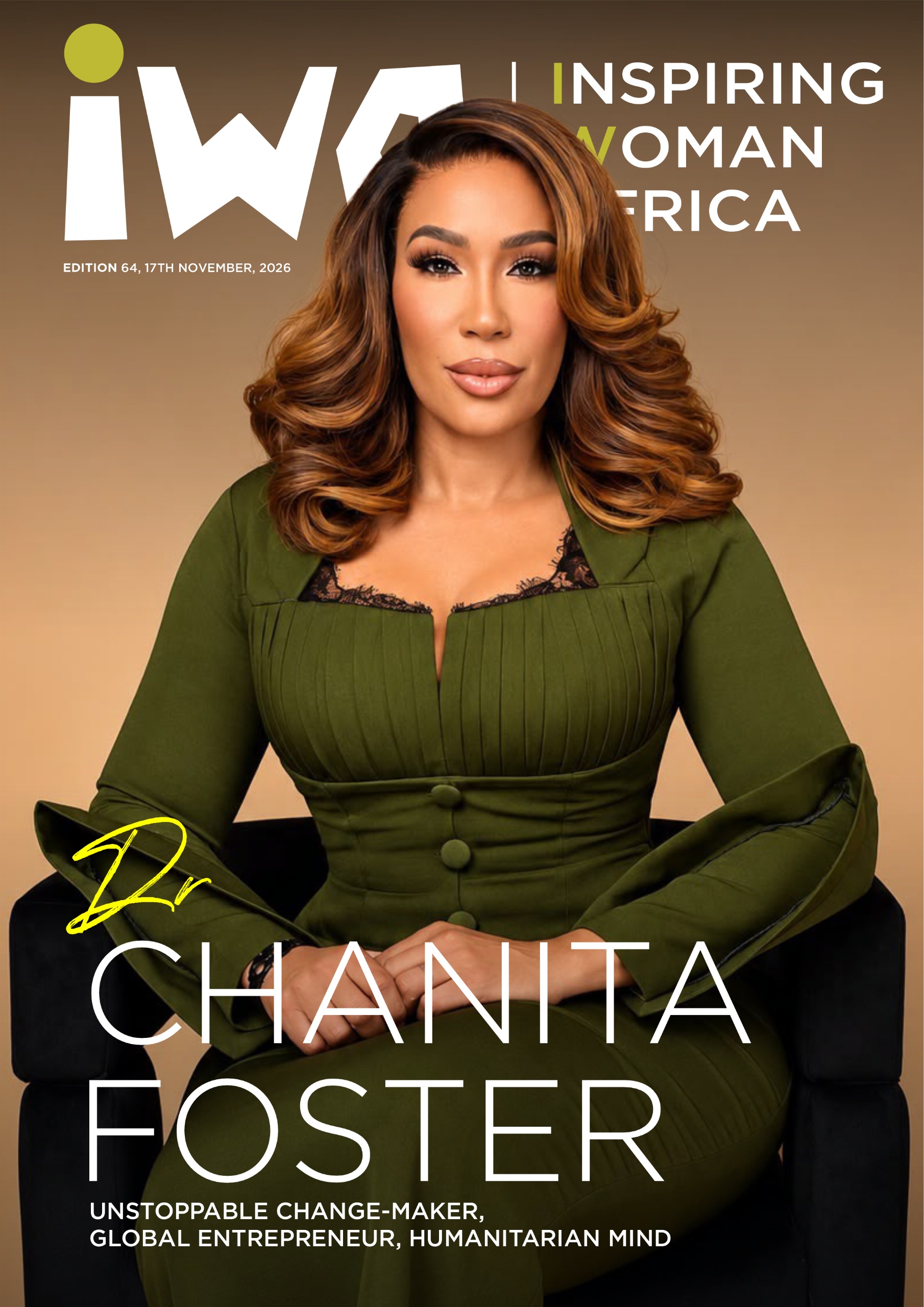
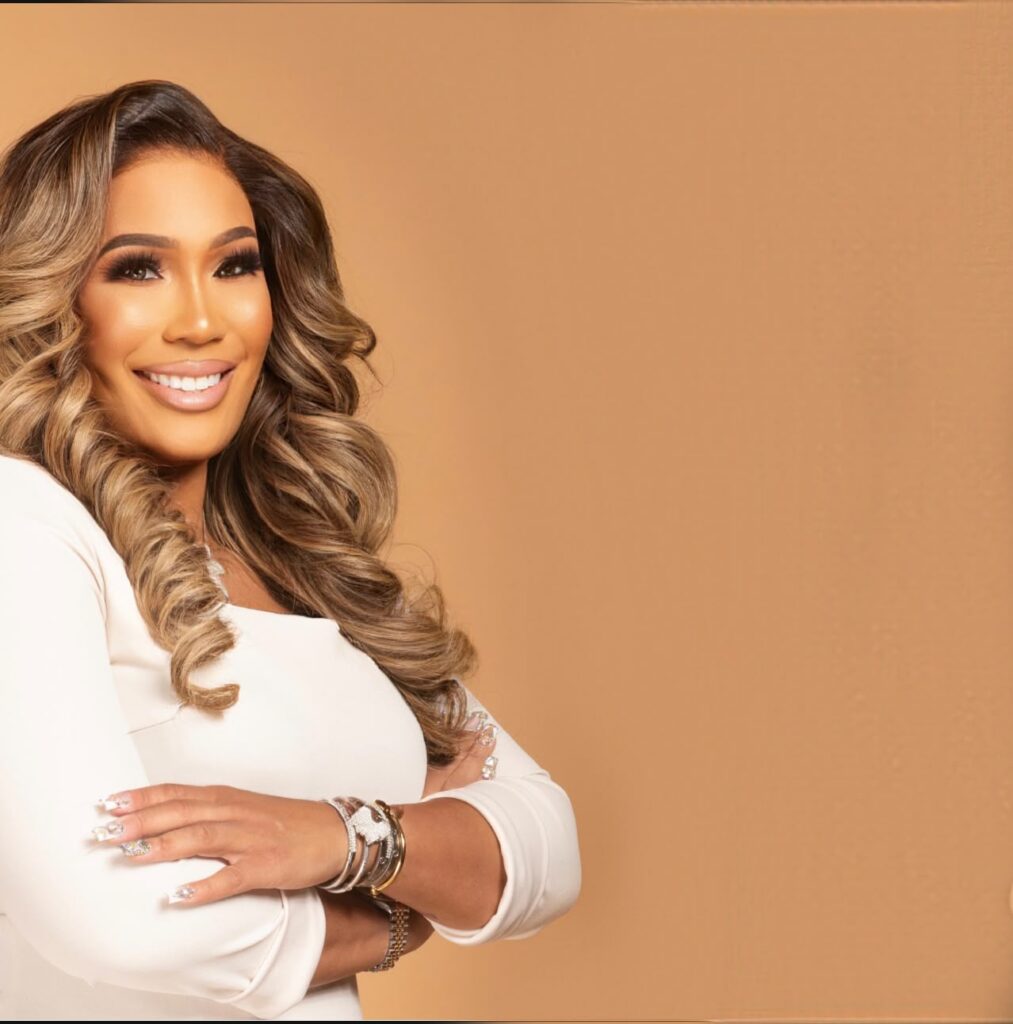
Dr. Chanita Foster is a distinguished social change and entrepreneurship philanthropist, renowned for her unwavering commitment to marginalised and disenfranchised communities worldwide. As a serial entrepreneur, best-selling author, speaker, success coach, and moderator, Dr. Foster’s diverse expertise spans policy advocacy, communications, mental health awareness, global inclusion, and social sector expertise.
Her career is a testament to her exceptional ability to drive impactful change and innovative solutions on a global scale.
Dr. Foster is the visionary founder of RockStar Global Investments, a pioneering enterprise dedicated to unlocking the potential of global markets. Through RockStar, she connects clients with untapped opportunities across real estate, transportation, technology, business services, and solutions, with a particular focus on the African continent.
Her strategic acumen has led to the successful execution of high-profile projects and the securing of over $100 million in funds. Dr. Foster’s esteemed clientele includes former Presidents, Diplomats, and Royal Families, underscoring her reputation as a leading force in global investment. Her passion for global markets extends to tourism, where she has made significant strides as the International Brand Ambassador of Tourism for Zimbabwe.
Her work has also impacted South Africa, Equatorial Guinea, and other nations, positioning her as a leading expert in tourism development. Dr. Foster’s innovative strategies in tourism have positioned her at the forefront of an industry worth billions, driving growth and creating opportunities.
Dr. Foster is the founder of Beyond The Game, a registered Non-Profit in the US and a registered NGO in South Africa and Eswatini. Her philanthropy is driven by a profound commitment to eradicating Period Poverty through her project “A Period is Not a Punishment,” which helps girls maintain dignity during their menstrual cycles.
Beyond The Game’s initiatives have made a significant impact, including feeding 1,000 children daily across Africa, establishing two Angel Houses for orphans, building a school, and creating five care points. She is also spearheading a new Beyond The Game community in Eswatini, which will feature a Women in Farming programme.
In Ghana, Dr. Foster’s efforts in water projects, in collaboration with the KJM Foundation and Kojo Jones Mensah, have successfully completed over 15 water projects. Her collaboration with former Nigerian Minister of State Ramatu Tijani Aliyu and current Mandate Secretary Adebayo Benjamins-Laniyi on women’s projects exemplifies her dedication to women’s growth and stability across Africa.
An influential voice in mental health, Dr. Foster authored the best-selling book: ‘Girl I’m Not Tripping, I’m Depressed,’ which provides critical insights into mental health challenges. Her advocacy extends to working with governments on developing apps aimed at reducing suicide rates and enhancing mental health support for youth.
Her transparent approach to her own mental health journey has earned her numerous accolades, including a United Nations Global Award in 2019 and the Presidential Lifetime Achievement Award from Presidents Obama, Trump, and Biden.
Expanding her entrepreneurial horizon, Dr. Foster launched Rockstar Transportation, a logistics company poised for global expansion. With a fleet of over 10 trucks, Rockstar Transportation secures contracts with major corporations, including Amazon and medical transport companies.
Her coaching programme, Peace Purpose Paid, encapsulates her philosophy of success. Dr. Foster’s approach emphasizes mastering inner peace, understanding one’s purpose, and achieving fulfillment through strategic financial success. Her programme empowers individuals worldwide to become their best selves, aligning personal and professional goals for a meaningful life.
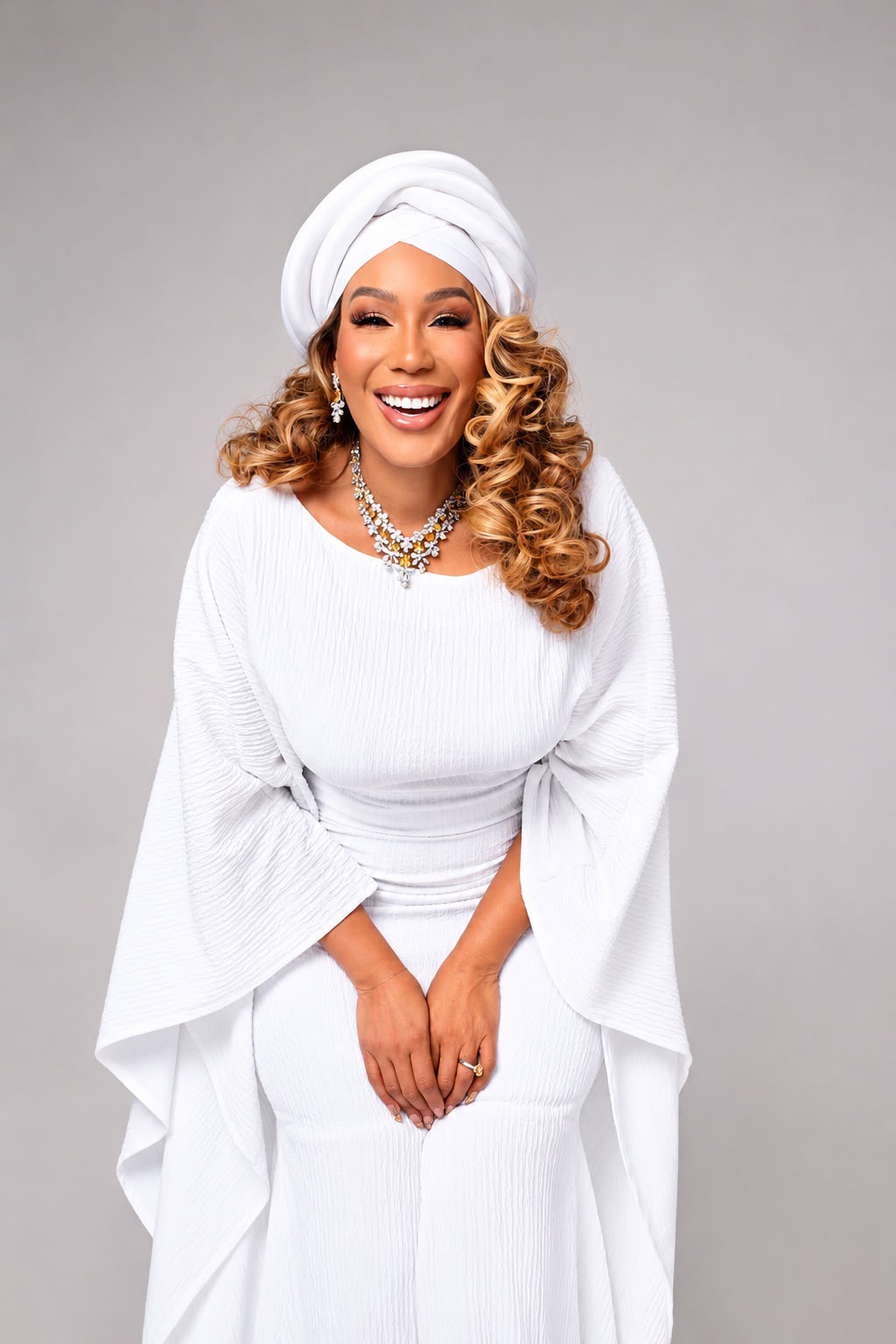
Taking us down memory lane
I am a girl from the Eastside of Detroit who dared to believe that the world was bigger than the neighborhood I grew up in. My journey has been anything but conventional, and I believe that is what makes my story so powerful.
Growing up, I had dreams of becoming a sports broadcaster. I studied broadcasting and communications, worked in radio, and eventually found myself spending 16 years in sports management, working with professional athletes and entertainers. At the time, I thought success was about building a career, making money, and establishing a name for myself. But God had a completely different plan. My journey eventually took me to the African continent (Home), where my understanding of success, humanity, and purpose changed forever.
Over the years, I’ve worn many hats: entrepreneur, author, philanthropist, international ambassador, business consultant, mother, and advocate. I’ve worked with people at the highest levels of government while also sitting on the ground with children who simply needed food, clean water, or someone to remind them that they mattered. Those experiences taught me that your beginnings do not determine your destination. Today, I am a woman who understands that success without significance is simply an accomplishment, but success connected to purpose becomes a legacy.
Unwavering commitment to marginalised and disenfranchised communities worldwide
My commitment wasn’t born in a boardroom, at a fundraising gala, or through some carefully constructed philanthropic strategy. It began with a personal journey of self discovery. In 2007, I travelled to the Kingdom of Eswatini, formerly Swaziland, searching for something within myself. What I discovered was something far greater than anything I could have imagined. I encountered communities where children were growing up without parents, widows were struggling to survive, and families were facing circumstances that many people in developed countries could never imagine. What affected me most wasn’t simply the poverty, it was the resilience.
I saw people with very little material wealth who possessed extraordinary faith, generosity, and hope. That experience transformed my life. I realised that I could no longer measure my success by what I accumulated while ignoring what other people lacked.
In 2009, I established Beyond The Game, and what began as a calling became a lifelong commitment to serving widows, orphans, girls, and underserved communities. I don’t believe we are placed on this earth simply to take up space. I believe we are assigned to make a difference, and when you discover your assignment, walking away from it is no longer an option.
Redesigning one social policy in your lifetime specifically for marginalised communities, what would you change first and what measurable outcome would prove it worked?
I would redesign the way governments approach poverty alleviation by shifting from temporary relief to sustainable economic empowerment. Too often, social policies are designed to help people survive poverty rather than create pathways out of it. I would establish policies that connect education, healthcare, entrepreneurship, and access to capital, particularly for women and young people in underserved communities. For example, a young girl should not have to choose between attending school and having access to sanitary products. A widow should not have to depend indefinitely on donations when she could receive training, resources, and capital to establish a sustainable business.
The measurable outcomes would be clear: increased school attendance, higher household incomes, more women owned businesses surviving beyond five years, improved access to healthcare, and reduced dependency on emergency assistance.
I would also insist that the people these policies are designed to serve have a voice in creating them.
The true measurement of successful social policy is not how many people receive assistance. It is how many people eventually gain the resources and opportunities to thrive independently.
Most counterintuitive lesson learnt about funding
The biggest lesson I’ve learnt is that money is not always the most valuable resource in the room. Sometimes access, relationships, credibility, and execution are worth far more than the funding itself. As an entrepreneur who has spent decades building relationships across countries and industries, I understand that access can open doors that money alone cannot. I’ve also learnt that not all money is good money. Funding that compromises your vision, values, ownership, or independence can ultimately cost more than it contributes.
In philanthropy, I’ve learnt that writing a cheque is sometimes the easiest part. Building a programme that continues to create impact long after that cheque has been spent is the real challenge.
My philosophy is simple: Don’t just chase funding, build something worth funding, understand the value you bring, and never confuse financial support with sustainable success.
You’ve worked across policy, communications, and mental health. What’s the missing bridge between these fields that would accelerate outcomes if connected?
The missing bridge is humanity. We spend enormous amounts of time developing policies, creating awareness campaigns, and discussing mental health, but too often we forget that behind every statistic is a human being with a story. Policy determines what resources become available. Communications determine whether people understand and trust those resources. Mental health determines whether individuals are emotionally equipped to access opportunities and navigate life’s challenges. These three fields cannot operate effectively in isolation. For example, a government may establish a mental health programme, but if cultural stigma prevents people from seeking help, that policy will never reach its full potential. Similarly, an awareness campaign can encourage people to speak about depression, but if there are no affordable services available afterward, awareness alone becomes insufficient. We need culturally sensitive communication, accessible mental healthcare, and policies that address the economic and social circumstances affecting emotional well being. The missing bridge is turning awareness into access, access into action, and action into measurable human impact.
What would your ideal suicide reduction app prioritise? First: access to care, peer support, early detection, or crisis response and why your choice of order?
I would prioritise access to care first, followed by crisis response, early detection, and peer support. My reasoning is simple: identifying someone’s pain without providing meaningful help can leave that person feeling even more hopeless. Access to care must be the foundation. People need affordable, confidential, culturally appropriate mental health services, regardless of their financial circumstances or geographic location. Crisis response would be the immediate safety priority for anyone facing imminent danger. The application should provide rapid connections to trained professionals and appropriate local emergency resources. Early detection would help recognise warning signs before someone reaches a crisis, but it must be built around privacy, informed consent, and responsible clinical oversight rather than intrusive surveillance. Peer support would create a community where individuals feel understood and less isolated, with trained moderation and clear pathways to professional care. For me, the ultimate goal would not be to create another application people download and forget. It would be to build a trusted system that helps people feel seen, supported, and connected to real help. Technology should never replace human compassion. It should make compassion and professional support more accessible.
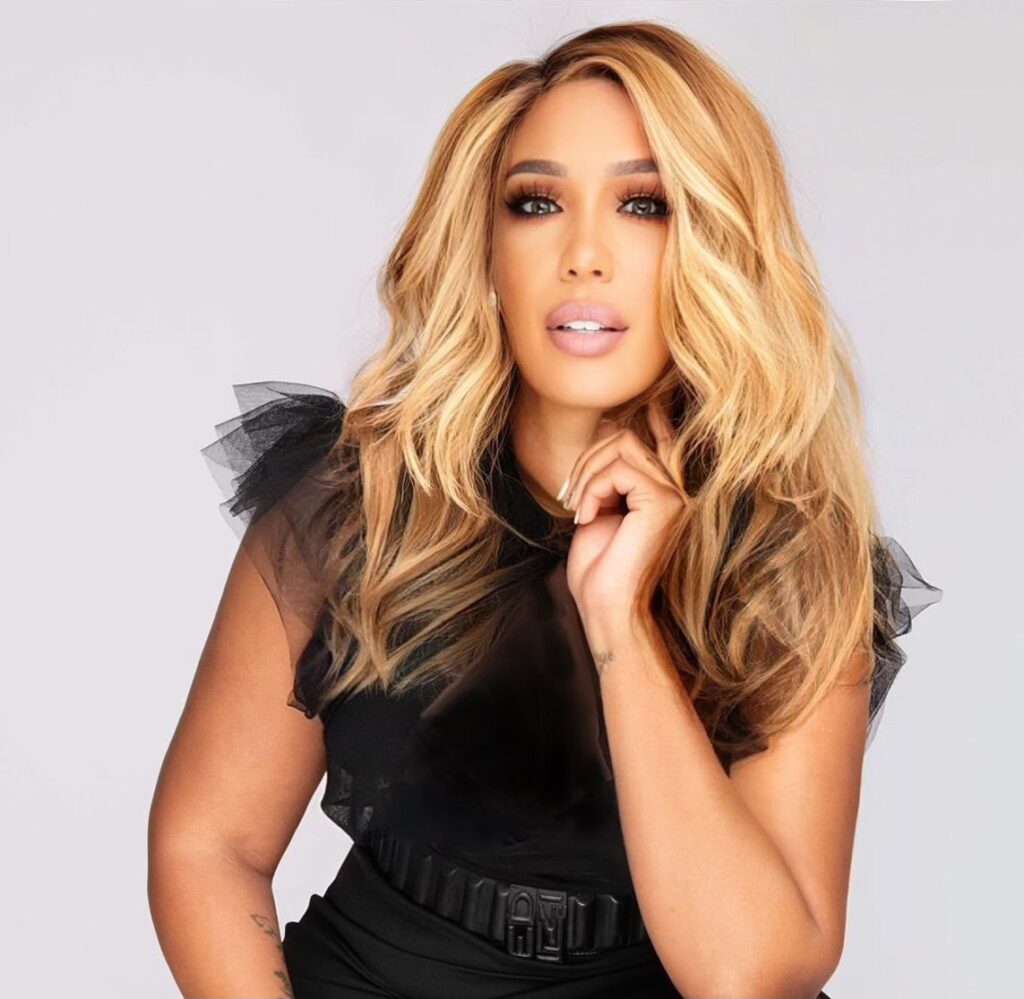
Teaching people to become their best selves, aligning personal and professional goals for a meaningful life
I teach people through a philosophy that has guided my own life: Peace, Purpose, Paid, and PIVOT. In that order. I believe many people spend their entire lives chasing professional success without first defining what personal fulfillment actually means to them. Through my PIVOT Coaching Programme, I challenge individuals to examine who they are beyond their titles, salaries, relationships, and accomplishments. I encourage them to identify their purpose, confront limiting beliefs, establish meaningful goals, and create actionable strategies for their next chapter. But I also teach something that many business coaches overlook: you cannot build a meaningful professional life while completely neglecting your emotional, spiritual, and personal well being. Sometimes becoming your best self requires letting go of the version of yourself that everyone else expects you to be. I’ve had to reinvent myself multiple times. I’ve experienced seasons of rebuilding, uncertainty, and transformation. That’s why my coaching isn’t simply about theory. It’s about lived experience. My message is that you can be successful and still need to pivot. You can be accomplished and still need healing. You can have everything the world celebrates and still be searching for peace. The goal isn’t simply to become successful. It’s to become whole.
One belief you had early on that you later had to unlearn to become truly effective across different countries and cultures
I had to unlearn the belief that having good intentions automatically meant I understood what people needed. When you begin working internationally, especially in underserved communities, it can be easy to arrive with solutions based on your own experiences. But what works in Detroit may not work in Ghana. What works in the United States may not work in Eswatini, Nigeria, Zimbabwe, or South Africa. I learnt that cultural intelligence is just as important as business intelligence. You must listen before you lead. You must understand local customs, respect community leadership, and recognise that the people experiencing a problem often have valuable insight into solving it. I’ve also learnt that Africa is not one country, one culture, or one economic environment.
Each nation has its own identity, challenges, opportunities, and extraordinary strengths. Today, I approach international work with a commitment to partnership rather than assumption. You cannot effectively serve people you have not taken the time to understand.
When working with high-level clients (former presidents, diplomats, royal families), what’s the most effective question you ask to move them from influence to measurable action?
One of the most powerful questions I ask is: “When the title, position, and influence are gone, what will remain because you were here?” Titles are temporary. Legacy is not. Through Rockstar Global Investments and my international work, I’ve had opportunities to engage with influential leaders, government representatives, diplomats, and members of royal families. But I believe influence carries a responsibility that extends far beyond public appearances, speeches, and ceremonial engagements. I want to know what measurable change a leader wants to create. Are we building infrastructure? Creating jobs? Attracting responsible investment? Expanding tourism? Improving access to education? Developing opportunities for women and young entrepreneurs? Once that vision is established, the next questions become practical: Who is responsible? What resources are required? What is the timeline? And how will we measure success? I believe leadership should be judged not only by the authority someone holds, but by the opportunities that exist because they exercised that authority responsibly.
What does “global inclusion” require beyond representation—what structural change must happen for inclusion to be real?
Representation gives people a seat at the table. Inclusion gives them a voice, decision making authority, and access to the resources necessary to participate meaningfully. There is a difference. We can celebrate having women, Africans, young entrepreneurs, and marginalised communities represented in important spaces, but if they have no influence over decisions or access to economic opportunities, we have only created the appearance of inclusion. Real global inclusion requires structural changes in access to capital, procurement, education, ownership, technology, and leadership.
For example, inviting African entrepreneurs to international investment conferences is wonderful. But are those entrepreneurs receiving investment? Are they being included in supply chains? Are they retaining ownership of their intellectual property and businesses? Are women being invited to speak about economic empowerment while remaining excluded from the financial systems that could actually empower them? We must move beyond symbolic participation. Inclusion becomes real when people are no longer simply invited into systems, but have the power to help shape, benefit from, and lead those systems.
What is your mental health story?
My relationship with mental health is deeply connected to my understanding of purpose, identity, and the pressures we often carry silently. As a woman who has spent much of her life building businesses, raising a family, traveling internationally, and serving others, I understand how easy it is for people to assume that strength means you are never struggling. But sometimes, the strongest person in the room is the person fighting battles no one else can see. That understanding became part of the inspiration behind my book, Girl, I’m Not Tripping, I’m Depressed. I’m a suicide survivor. I wanted to challenge the stigma surrounding depression, particularly in communities where emotional struggles are often dismissed, misunderstood, or hidden behind expectations of strength. Too often, people are told to pray harder, work harder, or simply get over what they are experiencing. I believe faith and professional mental healthcare can coexist. Seeking help does not mean someone lacks faith, strength, or purpose. I’ve learnt that we must give ourselves permission to acknowledge emotional pain rather than pretending it doesn’t exist. My message has always been that your public success does not invalidate your private struggles. And sometimes, the most courageous thing you can do is admit that you need support. This answer intentionally does not assign a personal diagnosis, treatment history, or specific crisis to you. Those details should come directly from your own account.
If you could fast-forward 10 years, what would success look like for marginalised entrepreneurs in Africa—specifically, what access would they have that they don’t have today?
Success would mean that a brilliant entrepreneur in a rural African community has access to the same fundamental opportunities as someone building a business in New York, London, or Dubai. I envision an Africa where entrepreneurs have affordable financing, reliable electricity, digital infrastructure, modern technology, international markets, and business education. I want women to have meaningful access to capital without unnecessary barriers. I want young people to build businesses without believing that leaving their countries is their only pathway to success. I want African entrepreneurs to own manufacturing facilities, develop intellectual property, participate in global supply chains, and build companies that create generational wealth. Through my own entrepreneurial interests in manufacturing, agriculture, international investment, and economic development, I understand the importance of moving beyond consumption into production and ownership. Africa has extraordinary talent and resources.
What must change is the accessibility of the systems that allow those resources and talents to become sustainable economic opportunities.
Ten years from now, I don’t want the primary conversation to be about how much aid Africa receives. I want the conversation to be about how much Africa produces, owns, exports, and reinvests in its own people.
What is the greatest lesson life has taught you?
The greatest lesson life has taught me is that everything can change, and sometimes the very thing you thought would destroy you becomes the thing that develops you. I’ve learnt that money can be lost and made again. Businesses can fail and be rebuilt. Relationships can change. Opportunities can disappear. Titles can come and go. But time is something we never get back. As I’ve grown older, I’ve become much more intentional about how I spend my time, who receives my energy, and what deserves my attention. I’ve also learnt that purpose doesn’t always arrive packaged as success. Sometimes, purpose arrives disguised as disappointment, rejection, heartbreak, or an unexpected detour. That’s one of the reasons I wrote PIVOT: When Life Changes, So Should You (Preferably with style) I wanted people to understand that changing direction doesn’t mean you’ve failed.
Sometimes, it means you’ve finally grown enough to recognise that the direction you were traveling no longer serves who you’re becoming. Life has taught me that peace is priceless, purpose is essential, and the ability to pivot is one of the greatest gifts you can give yourself.

What’s the most meaningful “failure” you’ve experienced as a serial entrepreneur, and what exact decision changed afterward?
One of the most meaningful lessons in my entrepreneurial journey has been learning that every opportunity is not necessarily a profitable or purposeful opportunity. When you’re naturally a connector, a builder, and someone who genuinely enjoys helping people succeed, it can be easy to give away your expertise, relationships, and time without establishing the proper business structure. I’ve spent decades developing international relationships and building a reputation that cannot simply be purchased. One of my biggest professional realisations was that access itself has value. Being invited into a room does not automatically mean that participating in that room is good business. The decision that changed my approach was establishing clearer professional boundaries around consulting fees, deliverables, and compensation. Through Rockstar Global Investments, I recognise that the relationships, strategy, and international business development expertise I bring to the table are professional assets. I no longer believe that every opportunity deserves my investment of time, travel, money, and energy simply because it sounds prestigious. Visibility is not compensation. Access is not a substitute for a business model,and being needed does not mean you should work for free. That lesson has changed how I evaluate opportunities and protect the value of what I’ve built.
Being an International Brand Ambassador of Tourism for Zimbabwe and how your work has also impacted South Africa, Equatorial Guinea, and other nations.
Serving as an International Brand Ambassador of Tourism for Zimbabwe was an opportunity to connect my passion for Africa with my experience in communications, international relations, entrepreneurship, and destination promotion. My ambassadorial role spanned approximately two years, including the challenging period of the COVID 19 pandemic, when tourism industries around the world faced extraordinary disruption. That experience reinforced my belief that tourism is much more than promoting beautiful destinations. Tourism is economic diplomacy. It creates opportunities to attract investment, support hospitality businesses, strengthen cultural exchange, and introduce international audiences to the true identity of a nation.
Zimbabwe holds tremendous tourism potential, from its natural beauty and cultural heritage to its entrepreneurial talent and hospitality sector. My broader work across the continent, including South Africa, Eswatini, Ghana, Nigeria, and engagements involving other African nations, has been driven by a similar philosophy: creating meaningful international connections that encourage investment, business development, and cultural understanding. South Africa has been particularly important in my journey through entrepreneurship initiatives, international networking, and cross border business engagement.
My interest in nations such as Equatorial Guinea reflects my broader commitment to exploring how tourism, international partnerships, and economic diplomacy can create opportunities across the continent. I believe African nations deserve to control and communicate their own narratives. Africa should not be marketed simply as a destination to visit. It should be recognised as a continent in which to invest, collaborate, innovate, and build lasting relationships.
Tourism is powerful but can also extract value—how do you ensure tourism development benefits local communities and not only outside investors?
Tourism should never become an industry where outsiders profit from a destination while the people who live there remain economically excluded. My approach is to advocate for community participation, local ownership, employment, and meaningful economic partnerships. When tourism investments are being developed, we should ask who owns the businesses, who receives the contracts, who supplies the products, and how much revenue remains within the local economy. Are local farmers supplying hotels and restaurants? Are young people being trained for management positions rather than only entry level employment? Are women owned businesses participating in tourism supply chains? Are communities being consulted before major developments affect their land, resources, and cultural heritage? I also believe environmental sustainability must be part of every responsible tourism strategy. Tourism should preserve what makes a destination extraordinary rather than destroy it in the pursuit of profit. Successful tourism development should improve the quality of life for the people who call that destination home. If the tourists leave wealthier in experience while the communities remain trapped in poverty, we have not achieved sustainable development.
What role should governments play versus the private sector in youth mental health and suicide prevention—and where does each consistently fail?
Governments have a responsibility to establish the systems that make mental healthcare accessible, affordable, and integrated into education and public health. This includes investing in trained mental health professionals, school based services, crisis response systems, research, and policies that protect vulnerable young people.The private sector has an equally important role in innovation, technology, funding, workplace mental health, and partnerships that expand access to services. Where governments often fall short is in implementation. Policies may exist on paper without sufficient funding, qualified personnel, or accountability. The private sector can fall short when mental health becomes a marketing initiative rather than a sustained investment in human well being. We must also recognise that suicide prevention cannot be addressed through mental health services alone. Poverty, violence, discrimination, social isolation, and barriers to opportunity can contribute to distress and must be addressed. Young people need safe environments, trusted adults, accessible professional care, and opportunities to build meaningful futures. I would like to see governments, businesses, educators, healthcare providers, and community leaders establish coordinated systems with measurable outcomes. A young person’s life should never depend on whether their family can afford to access help.
Your book reframes depression without stigma—what would you want educators, employers, and faith leaders to do differently based on your work?
Through Girl, I’m Not Tripping, I’m Depressed, I wanted to challenge the language and attitudes that cause people to suffer in silence. I would encourage educators to recognise that behavioral changes, declining academic performance, or withdrawal may sometimes indicate emotional distress rather than laziness or a lack of discipline. Schools should create environments where students can discuss mental health without fear of punishment, embarrassment, or judgment. For employers, I would encourage a shift away from cultures that glorify exhaustion and constant productivity. Employees are human beings before they are workers. Their emotional well being should matter beyond their ability to meet deadlines or generate revenue. And for faith leaders, my message is especially important. I am a woman of faith. I believe in prayer, and I believe in God. But I also believe that seeking professional mental health support does not contradict spiritual belief. We must stop making people feel that depression is evidence of weak faith. Churches and other faith communities can become powerful sources of support when they combine compassion, education, and appropriate referrals to qualified mental health professionals. Depression is not a character flaw, a spiritual failure, or something that should automatically be dismissed as a bad attitude. We need less judgment, more understanding, and greater access to care.
Tell us more about the reason for establishing ‘Beyond the Game’ and ‘A Period Is Not a Punishment.’
Beyond The Game was established in 2009 following a life changing journey to the Kingdom of Eswatini in 2007. What began as my personal journey of self discovery became a calling to serve some of the world’s most vulnerable communities. I saw children who had lost their parents, widows struggling to support their families, and communities facing challenges involving food insecurity, clean water, education, and basic necessities. I knew I could not simply return to my comfortable life and pretend I hadn’t seen what I had seen. Beyond The Game became my commitment to turning compassion into action. Over the years, our work has included food programs, water projects, agricultural initiatives, orphan and widow support, and educational assistance. One initiative especially close to my heart is A Period Is Not a Punishment. I believe no girl should be denied an education, dignity, or the freedom to participate fully in society because she menstruates. Yet period poverty continues to create unnecessary challenges for girls in underserved communities. Our initiative focuses on providing sanitary products, promoting menstrual health education, and challenging the stigma surrounding menstruation. My commitment has also expanded into exploring sustainable solutions, including sanitary product manufacturing and economic opportunities that can contribute to long term access and affordability. I don’t want girls to depend forever on donations for something as fundamental as menstrual hygiene. I want us to help build systems that make those products accessible and affordable.
A period is a natural part of life. It should never become a punishment, a source of shame, or a barrier to a girl’s future. Beyond The Game is not simply an organisation I founded. It is part of my life’s purpose.
If you stood in front of a sea of women seeking that word that will transform their lives, what would you say to them?
I would tell them one word. PIVOT. Not quit. Not surrender. Not settle. PIVOT. Because somewhere in that sea of women is a woman who believes her life is over because her marriage ended. There’s another woman who believes she’s too old to start a business. There’s a woman who has spent her entire life raising children and has forgotten that she once had dreams of her own. There’s a woman who has lost everything financially, emotionally, or spiritually and doesn’t know how she’s going to begin again. And I would tell every single one of them that your current circumstances do not have the authority to determine your final destination. You are allowed to change your mind. You are allowed to start over. You are allowed to outgrow people, places, and situations that no longer align with your purpose. You are allowed to be successful and still desire something different. And most importantly, you are allowed to choose yourself without apologizing for it. Stop waiting for permission to become the woman God created you to be. Stop allowing your past to hold your future hostage. Stop confusing being busy with being purposeful. And stop believing that because something didn’t work out the way you planned, your story is finished. Baby, sometimes the plot twist is the very thing that makes the story worth telling. When life changes, so should you. Preferably with style.
Peace. Purpose. Paid. Then PIVOT. And yes, the order matters.
Day never to forget and why.
One day that will forever remain significant in my life is the day I arrived in the Kingdom of Eswatini in 2007. I traveled there on what I believed was a personal journey of self discovery. I had no idea that the experience would ultimately change the direction of my life. That journey challenged my understanding of success, exposed me to realities I could no longer ignore, and planted the seeds for what would eventually become Beyond The Game. I went searching for myself and discovered a purpose much bigger than myself. What makes that experience unforgettable isn’t simply the destination. It’s the realisation that sometimes, God has to take you completely outside of everything familiar to introduce you to the person you were created to become. Nearly two decades later, the impact of that journey continues to influence my decisions, my businesses, my philanthropy, and the way I see the world. It reminds me that one decision, one journey, or one encounter can change the trajectory of an entire life. And sometimes the greatest destinations aren’t the places we travel to. They’re the people we become along the way.
Concluding words.
If there is one thing I want people to remember about my journey, it is that purpose is not reserved for the wealthy, the powerful, the educated, or the privileged.
Purpose belongs to everyone. I am a girl from the Eastside of Detroit who had dreams, experienced life’s challenges, built businesses, raised a family, crossed continents, and discovered that my greatest accomplishments were not necessarily the things that brought me recognition. They were the moments when I could make a meaningful difference in someone else’s life. I have learnt that you can sit in rooms with presidents, diplomats, and royal families and still find your greatest fulfillment sitting on the ground with a child who simply needs someone to care. I’ve learnt that success can open doors, but character determines what you do once those doors open. I’ve learnt that money is important, but money without purpose will never provide the fulfillment people spend their lives searching for. And I’ve learnt that no matter how accomplished you become, life will continue to present moments that require you to grow, change, and reinvent yourself. I don’t want to be remembered simply for the titles I’ve held, the countries I’ve visited, the businesses I’ve built, or the influential people I’ve met. I want to be remembered for the lives that were changed because I was here.
For the girls who stayed in school. For the children who received food and clean water. For the women who discovered their worth. For the entrepreneurs who found the courage to build something extraordinary, and for the people who realised that their circumstances did not have to become their destiny. Because at the end of this journey, I believe the greatest question will not be how much money we made or how many people knew our names. It will be what we did with the time, opportunities, and resources we were given. My life is not about building a name that the world remembers. It’s about building a legacy that continues to change lives long after my name is no longer being spoken. And until my assignment on this earth is complete, I intend to keep showing up, keep building, keep serving, and keep reminding people that purpose will always be greater than position. Peace. Purpose. Paid. PIVOT.