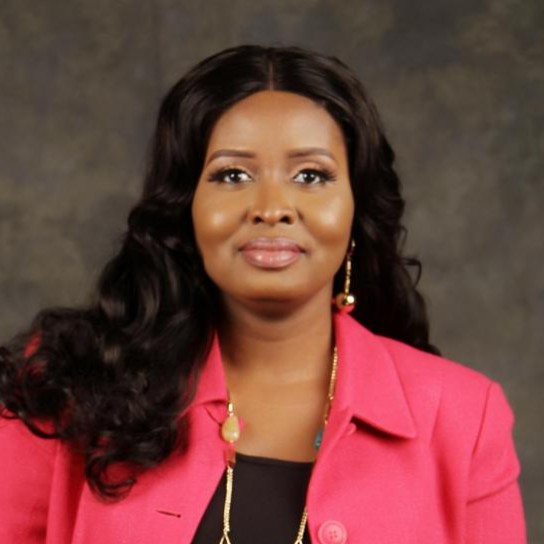
 Dr. Asmau Benzies Leo
Nigeria stands at a critical juncture in its security trajectory. The persistence of insurgency in the Northeast, banditry across the Northwest and North Central, and separatist tensions in the Southeast reflects not only the scale of insecurity but also its deeply rooted structural drivers. These challenges continue to erode livelihoods, weaken social cohesion, and undermine national development. As highlighted in the Terms of Reference for the National Peace Framework, the complexity of Nigeria’s security environment demands a comprehensive, coordinated, and inclusive response that goes beyond military interventions.
At the centre of this response is the development of a National Peace Framework led by the Office of the National Security Adviser (ONSA). As Nigeria’s central coordinating hub for national security, ONSA is uniquely positioned to drive a whole-of-government and whole-of-society approach that integrates both kinetic and non-kinetic strategies into a unified doctrine. This initiative reflects a strategic shift: from reactive, force-based responses to preventive, inclusive, and institutionally grounded peacebuilding.
The need for such a framework is underscored by the limitations of kinetic approaches. While military operations are essential in containing immediate threats, they have not sufficiently addressed the root causes of conflict, such as poverty, marginalisation, weak governance, and social exclusion. The National Peace Framework therefore seeks to reduce overreliance on force by empowering civil institutions, communities, and local actors to play proactive roles in peacebuilding and conflict prevention.
A defining strength of the framework lies in its institutional architecture and the collaborative process underpinning its development. The Directorate of State Liaison (DSL) within ONSA serves as the focal coordinating body, providing strategic, technical, and management oversight throughout the review and finalisation process. The DSL ensures coherence across national and sub-national actors while facilitating continuous engagement among stakeholders.
The development of the framework is anchored on a multi-layered governance structure that reflects inclusivity, technical rigor, and policy coherence. The inauguration of the Expert Review Team (ERT) to review the framework marked a critical milestone in this process. Comprising leading national and international experts in peacebuilding, security, governance, and gender, the ERT is tasked with reviewing thematic pillars, aligning the framework with regional and continental peace and security architectures, and ensuring that it is both contextually relevant and globally informed.
Complementing the ERT is the Technical Working Group (TWG), which serves as a coordination and quality assurance platform. Drawn largely from development partners and key institutions, the TWG provides continuous technical feedback, ensures alignment with existing policies, and facilitates inter-agency collaboration throughout the process. Notably, the TWG includes representation from strategic institutions such as the Institute for Peace and Conflict Resolution (IPCR) and the SPRiNG Programme, reflecting the integration of national expertise and international support mechanisms.
The Harmonisation and Drafting Team (HDT) plays a pivotal role in consolidating inputs from the ERT and TWG, ensuring that the final framework is coherent, actionable, and aligned with national priorities. The HDT is responsible for synthesising diverse perspectives, conducting literature reviews of existing national and international frameworks, and producing a unified draft that can be validated and adopted.
This layered structure is further strengthened by the active involvement of relevant Ministries, Departments, and Agencies (MDAs), as well as key security institutions. These include the Defence Headquarters, Department of State Services, Nigeria Police Force, and several federal ministries such as Women Affairs, Justice, Youth Development, and Humanitarian Affairs. Their participation ensures that the framework is not only comprehensive but also implementable across sectors, bridging the gap between policy and practice.
Beyond national actors, the framework benefits from the strategic engagement of regional and international partners, including the European Union Delegation to Nigeria and ECOWAS aligned mechanisms. The requirement for alignment with ECOWAS and African Union peace and security architectures underscores Nigeria’s leadership role within the region and ensures that the framework contributes to broader continental stability.
Equally important is the structured process guiding the framework’s development. Beginning with the inauguration of the expert teams, the process includes desk reviews, stakeholder consultations, iterative drafting, harmonisation, and validation. This iterative and consultative approach ensures that the framework is grounded in evidence, responsive to stakeholder needs, and reflective of Nigeria’s diverse conflict realities.
Central to the success of this framework is its emphasis on non-kinetic approaches, strategies that address the underlying drivers of conflict rather than merely its manifestations. These include governance reforms, access to justice, livelihood support, social protection, and community-based dialogue and reconciliation mechanisms. By focusing on prevention, resilience, and social cohesion, the framework offers a pathway toward sustainable peace.
Within this context, gender emerges as a critical cross-cutting priority. The initiative explicitly mandate the integration of Gender Equality, Disability, and Social Inclusion (GEDSI) across all stages of the framework’s development. This reflects a growing recognition that peacebuilding efforts are most effective when they are inclusive and representative.
Gender matters because conflict affects men, women, boys, and girls differently, and these differences shape both vulnerabilities and capacities for peace. Women, in particular, are often disproportionately impacted by violence yet remain underrepresented in decision making processes. At the same time, they play vital roles as mediators, community organisers, and agents of social cohesion. Integrating their perspectives enhances the quality and sustainability of peace interventions.
Moreover, the inclusion of women, youth, and other marginalised groups strengthens the legitimacy of the framework and fosters greater community ownership. It ensures that policies are responsive to local realities and that interventions address the needs of those most affected by conflict. By embedding gender and social inclusion into its core design, the National Peace Framework aligns with global best practices and reinforces Nigeria’s commitments to inclusive governance.
The National Peace Framework represents more than a policy document, it is a strategic shift in how Nigeria understands and addresses insecurity. By institutionalising a coordinated, inclusive, and non-kinetic approach, it creates the foundation for long-term stability, resilience, and national cohesion.
In a country as diverse and complex as Nigeria, peace cannot be achieved through force alone. It must be built through inclusive institutions, equitable policies, and sustained engagement with communities. The National Peace Framework, driven by ONSA, supported by national and international partners, and strengthened by gender-responsive approaches, offers a credible and transformative pathway toward that goal.
About Author
Asmau Benzies Leo
Dr. Asmau Benzies Leo is a development practitioner with extensive national and international expertise in gender equality, peace-building, governance, and humanitarian action. She holds a PhD in Public Governance and Leadership, a Master’s degree in Conflict Management and Peace Studies, and executive certifications from leading institutions including Howard University, Harvard University and Glasgow Caledonian University. As Executive Director of the Centre for Non-violence and Gender Advocacy in Nigeria (CENGAIN), she has led ground-breaking advocacy initiatives on women’s political participation, gender-based violence prevention, and security sector reform across multiple World Bank, UN and EU-supported projects.
The IWA Series 15 Conference is Here
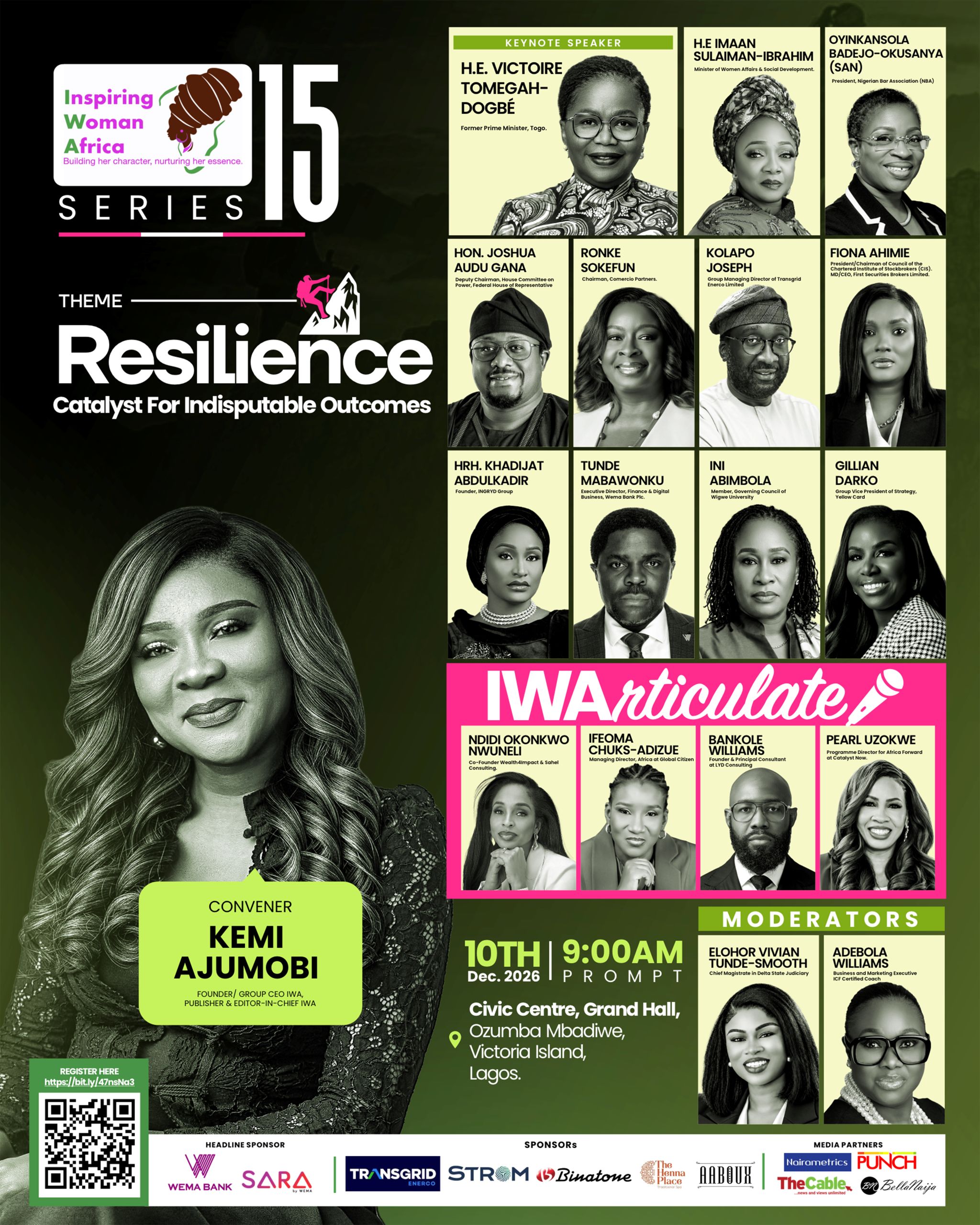
Click To Register
Latest Edition of IWA Magazine
October 20, 2026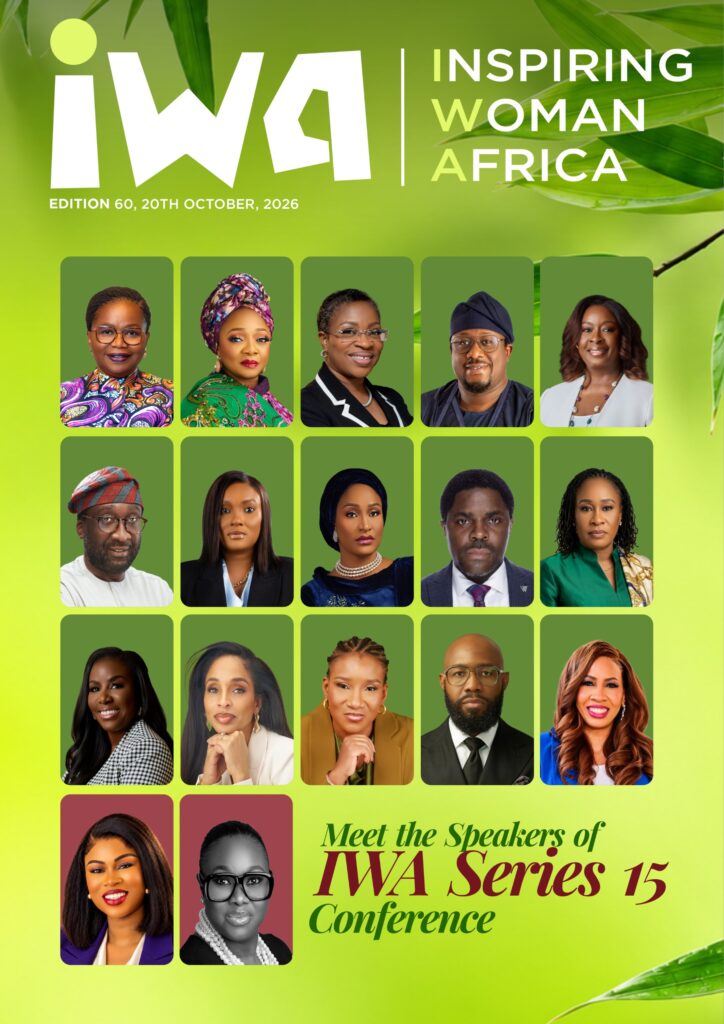
Meet the Speakers of IWA Series 15 Conference
Latest Posts
-
 Oct 20, 2026 Hard Conversations: The Skill No One Puts on a CV
 -
 Oct 20, 2026 5 Africa Women Listed as 2026 Forbes Icons
 -
 Oct 20, 2026 You Are Wealthier Than You Think