 Kemi Ajumobi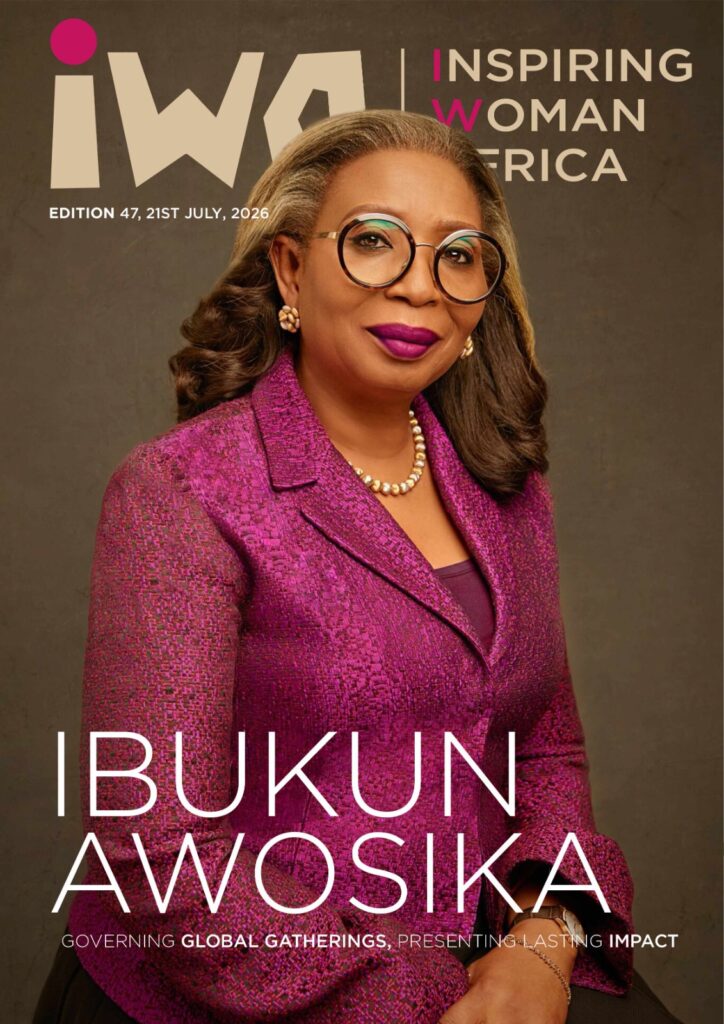
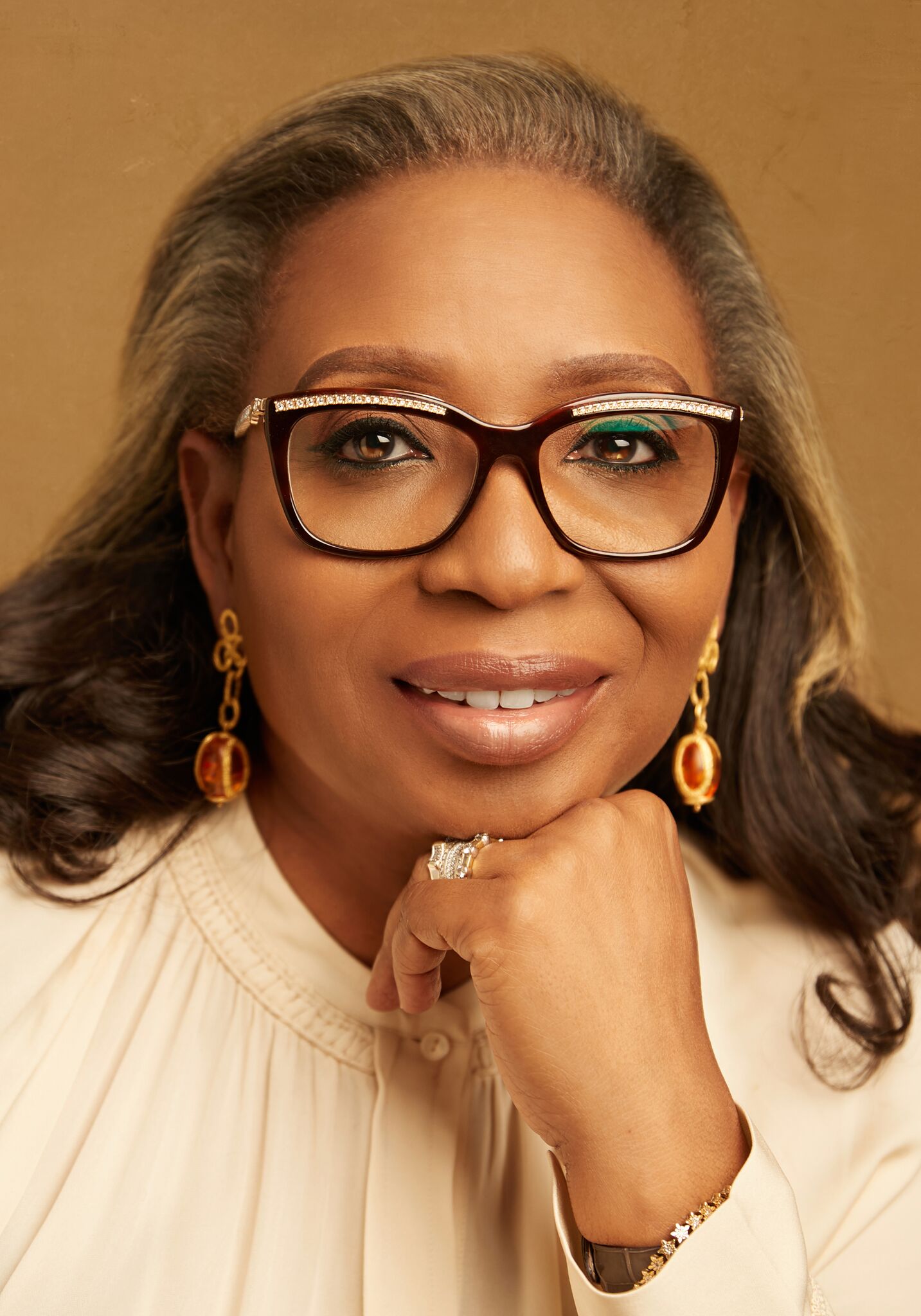
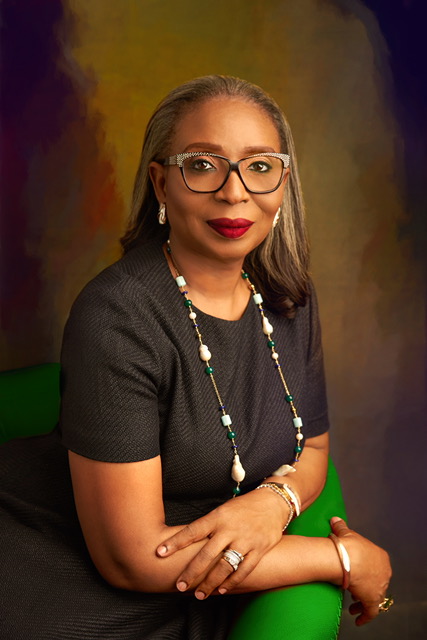
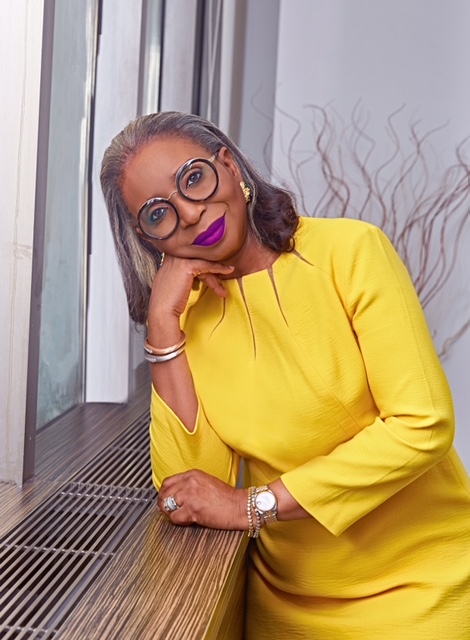
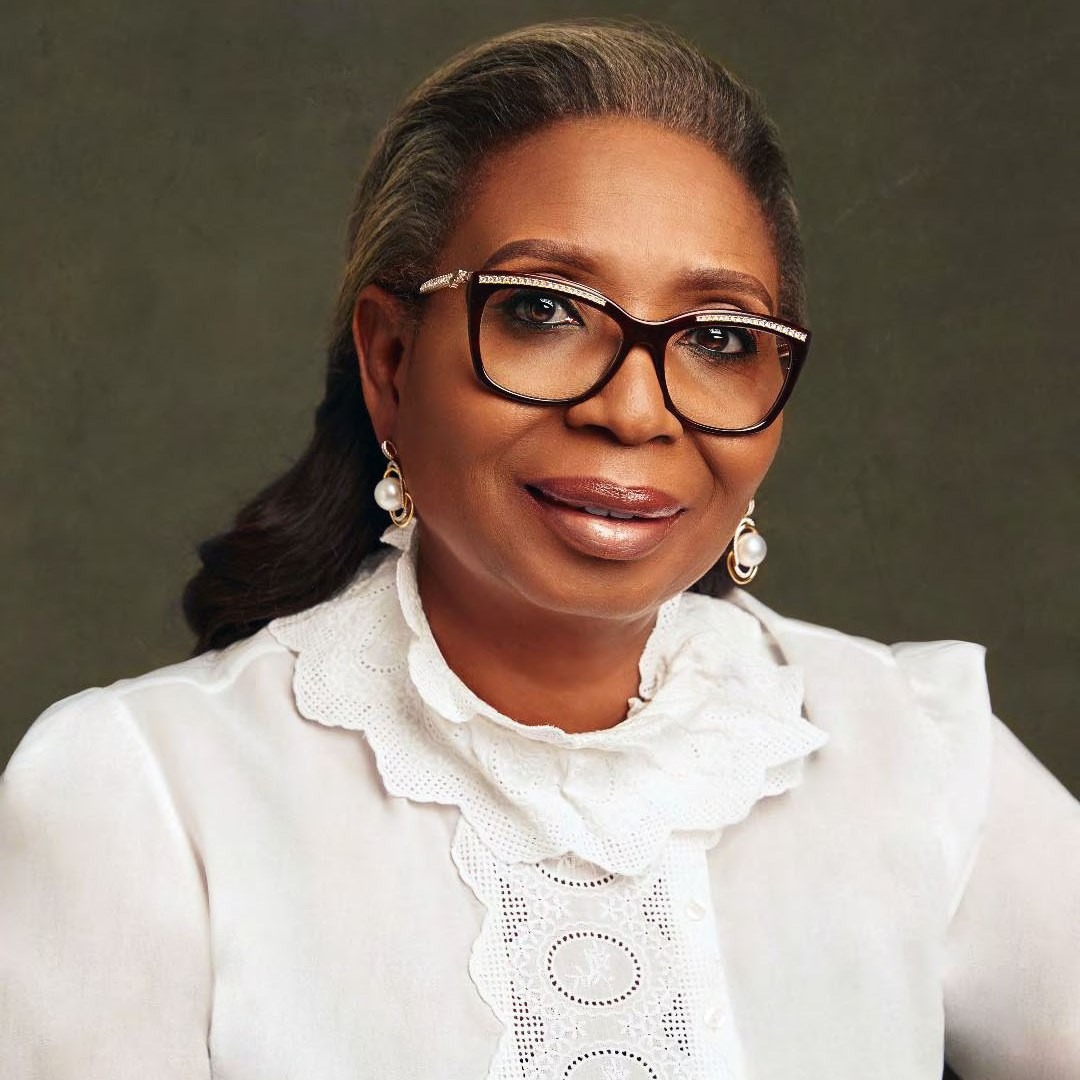
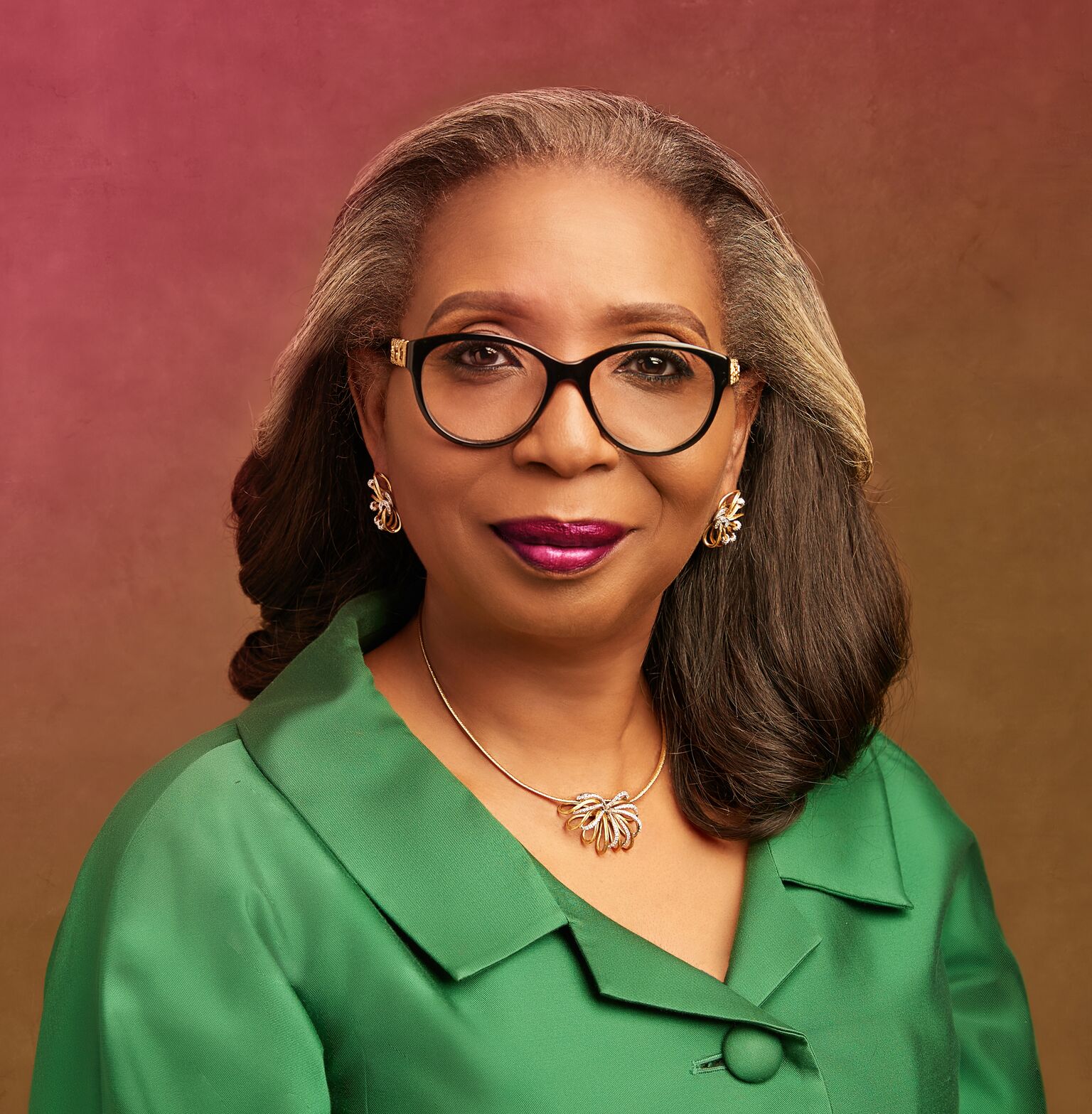
Ibukun Awosika is a trailblazing African entrepreneur, author and global leader renowned for her impact in business, governance, and advocacy. As Founder of The Chair Centre Group and Ibukun Awosika Leadership Academy, she has driven entrepreneurial excellence and leadership development for decades. She has Chaired and served on corporate and non-profit boards across sectors like Education, Energy, IT, Retail, Manufacturing and Financial Services, including as the first Female Chairperson of First Bank of Nigeria and first Chairperson of the Nigerian National Advisory Board for Impact Investing. She also leads/serves several global initiatives, including the UK G7 Impact Taskforce, the Global Steering Group for Impact Investing (GSGI), 2X Global and IFVI (International Foundation for Valuing Impact.
A passionate advocate for women’s leadership, she co-founded Women in Management, Business, and Public Service (WIMBIZ) and is the Convener of The International Woman Leadership Conference (TIWLC) and African Marketplace in Dubai.
Her accolades include the IWEC Award, the International Friendship Award from the Queen of Spain, and the Forbes Woman Africa Chairperson Award. A fellow of the Aspen Global Leadership Network, she holds 4 Honorary Doctorates and continues to inspire through her governance, advocacy, and leadership.
With breaking glass ceilings comes its challenges. How do you navigate tough terrains and what keeps you motivated during those moments?
The first thing to remember about walking into terrains that are not familiar or that women haven’t always been is that it’s a wisdom game. First, it’s important to try and read the room. Understand the people in the space. Understand how power works in that room. Understand what is your responsibility or your deliverables in that role, and then decide what things are critical for you to play to win in order to achieve your deliverables in that role. Humility is also required, because there will be many new learnings in a space like that, and you have to learn from the people in the room. Humility is required in order to build relevant alliances. And with humility comes respect and honour for other people in the room. However, the humility, respect, and honour with which you function in that room must never take away your authenticity and your truth. So, you must at all times be clear about what values are important to you, no matter what the room looks like and the red lines that you will not cross. Because at the end of the day, the privilege of being the first or the forerunner in anything is that you are the one that gets to set precedence for other people, and you carry the weight and the aspiration of others that are coming behind you, including those that have operated in that environment who might not have occupied the seat, but have made it easier for you to emerge in that space. So, that sense of responsibility, commitment to one’s values, clarity of what your goals are, and protection of your authenticity combined with humility, wisdom, and respect for others in many ways helps to make it possible to work successfully in a new terrain.
As Founder of The Chair Centre Group, what decision had the most lasting impact on the company’s trajectory?
I think one of the most critical decisions I made that impacted on the trajectory and the growth of the business was in the second year of having started the business. I was still in my 20s, but I soon realised that everybody in the furniture business generally at that point in the country was doing home and office, and I started doing that as well. But in a short while, it occurred to me that what I really wanted was to be able to produce in large volumes, certain models that would be critical for growth. I looked at office and home and realised that home had a lot of splintered design options. There are too many pieces, and it didn’t, at that stage, and for the size of my company, offer us as many possibilities for volume production. So, I decided I wanted to specialise in office furniture and move away from home completely. Because I looked at it, a lot of people will first pay attention to investing their resources to build their office, because that’s where they make money, and the returns from it is part of what they spend on their home. I looked at the office, I realised in any office, the general staff was a larger number. Their furniture was largely modular, you can produce 50 of the same type of table, but there would only be one MD, one ED, one general manager and all of that. The volume was in those numbers, and that became my area of interest and focus. Looking at the scenario, the way it looked to me then, I took a hard decision and said I was not doing home furniture. Everybody thought I was crazy because I stood my ground because somewhere in my heart, I knew that I was making the right call. I was giving up something at the beginning that looked like a loss, but it turned out to be my gain. My decision worked. We were the first to specialise in office furniture, and that gave us so much opportunities.
How can African businesses scale responsibly?
Growth is a function of opportunities that are available, resources that are available, and understanding of market accessibility in multiple ways. It’s really a function of the vision of the founders of the businesses, the owners of the businesses or the managers of the businesses. Then there’s a function of our approach or view of the market and what markets we recognise. Because, you know, many times, we can think of markets in terms of our immediate environment. But the same type of people that we are selling to within our market might exist in multiple other countries at the same time. And therefore, our solution, whilst it solves a local problem, might be easy to transfer and deliver in other markets if we’ve identified the types of our target customer in those clients. So, the vision, the resources available, the market accessibility, our openness to collaborate where it is required, and our understanding of all the factors at play that will support what we want to achieve, are important. That would be critical because when we have an understanding of where we want to go, we can build out our strategy considering the resources that we have, but also understanding the collaborative opportunities that might exist. Whenever the market opportunity, product or service clarity exists, resources in many ways always follows. But we must have understanding of the options that are available. The business person of today in the Nigerian environment has multiple opportunities, even from the financial institutions, and when you say financial institutions, there are different kinds of financial institutions. You must identify which one is right for your own business. Are you talking about a microfinance bank? Are you talking about a private equity firm? Are you talking about a development bank? Are you talking about a commercial bank? Are you seeking grant opportunities where they’re available? There are multiple options that are available today as compared to when we started. This understanding of the financial landscape makes it possible to do so much and all those factors will make a difference to your ability to achieve the goal.
What is the African Marketplace about? Why Dubai and how is it more than just an African trade fair?
In talking about the African marketplace, you have to go back and first look at the data. 90% of African and Caribbean productive sector, more than 90% actually, is in SMEs. With so much, such a huge percentage lockdown in small, medium, and large enterprise, and the largest being in the small and medium. In fact, go back to MSMEs, you realise that our ability to have growth within our economy is related to the prosperity of that huge sector. Our ability to earn foreign exchange income is also related to the extent to which we’re able to turn that huge sector into an export machine that earns us foreign exchange. We have multiple limitations to that right now. The infrastructure of trade is highly challenged. There’s a lot of work being done through AfCFTA and similar organisations. When you have smart Ministers of Trade and Industry like Dr. Jumoke Oduwole, you will see that there’s a lot of energy being poured into trying to find constructive, sustainable solutions to what is required. However, we are not exactly where we want to be yet. So intra-African trade is challenged by infrastructure. Flight connectivity across the continent is still a high challenge that affects trade. A flow of payment systems across the continent is still a large challenge. I know that Afreximbank and similar organisations are working extensively to make sure they have solutions. Afreximbank is developing a payment system itself that will link that, and a number of financial insurers are trying to find the solution too. So, we still have all of those issues.
Transportation opportunities for goods across the continent is still a challenge and if we can increase intra-African trade, we will have major advantage. African Caribbean trade is at its onset, but African Union has declared the Caribbean as the rest of Africa. So, we’re trying to make sure we can connect with you. And then it’s the matter of Africa and the rest of the world. The perception of value that is created by African entrepreneurs is still so far behind. For certain sectors, we’ve had some huge wins. Like fintech, if you take Nigeria for instance, how many unicorns do we have that has emerged now? It is true that we’re making strides in certain areas, but the vision of the African marketplace with its industry agnostic posture, is to solve the problem of capacity that most African SMEs have for building international market.
It’s to build a platform that is an export aggregator for products and services from African markets and the Caribbean market, and to create market accessibility in a market like Dubai that is friendlier to African markets, that’s a softer market, that’s easier for African products to find a voice and to find visibility. There is a huge presence of diverse nationality that live and work in Dubai, including Africans.
“Dubai represents a core connecting point for Europe, for Asia, for Africa and for the rest of the world. It’s an organised market, and if we’re able to make the African service and product relevant and sought after, using the infrastructure of trade and connectivity that already exists in Dubai in a friendly environment, then we can take the results of those engagements back home into our different markets.”
And as our own infrastructure of trade and all of those things that we require continues to improve, we will be in a better place in terms of stirring up growth, creativity, innovation, and market engagement for entrepreneurs.
I’ve been asked sometimes, “Why aren’t you having it in an African country?” Well, let’s put it this way. Afreximbank invests a lot of money working with all the African countries to own or to host an African-wide event every two years. There are different other kind of events like that that takes place. But the key question for us is this. If some of the infrastructural challenges that we have is still there for now, should we wait until whenever we solve it? Or should we use every opportunity we have to continue to move forward, even as we work to solve the problems that we have on the continent?
The question also is, what do we want to do? We want to open markets for our products. How then do we do that? We go to where the market is. That for me as an entrepreneur is a no-brainer. It makes sense to seek where the market is and seek visibility within where the market is, and make the right connectivity within those markets, and then attract them back home to engage with our people further so that we can get the value that we seek.
So, yes, Dubai has the system, it has infrastructure, it offers us a place of convergence that allows our entrepreneurs to connect amongst themselves as they gather there, to connect with our Caribbean brothers and sisters as they participate in it, and to connect with the rest of the world in a friendly environment of trade. It’s more than an exhibition, it’s a place of partnership, of collaboration, of investors, of ideas, of support system, of market penetration, and much more. The other thing about the African marketplace that is key is that we’re trying to tell our own stories. There’s a lot of what is originally authentically African that is being lost because we never owned it, because we never told the story of ownership. And so, others are copying the things that are authentically ours, and they are branding, labeling, and telling the story of ownership, and we’re losing those.
Think of tie and dye prints. For generations of Africa, there are different tie and dye products and patterns and designs across different African countries that is exclusive to different tribes and their ways of life that is unique and different. Ecobank Nigeria invests a lot of money in an Adire fair that opens your eyes to see the diversity of what Adire is across Africa. We look at loom-based fabrics, there are so many types of them, multiple types in Nigeria alone, not just the Asoke, there are different communities in Nigeria that have their own, and there are multiple African countries like Ghanaians have the Kente.
As you move from one country to the other in Africa, you realise there’s a diversity of loom-based fabric for generations. Yet, if you visit the museum of some countries outside of Africa, you will see loom-based fabric on display, and the story of loom-based fabrics and tie and dye prints are being told as if some Asian countries are the owners or the originators of it. Look at leather. For decades, Nigerian leather has fed the leather products industry of Europe, but it has never been acknowledged or given the credit. I served in Canada. I can readily remember all the industries where leather is processed and they’re shipped into Europe, into Italy and countries like that, where they’re then processed and used for bags but there’s no acknowledgement of the fact that the leather comes from Nigeria.
Now, there are multiple SME businesses producing leather products out of Nigerian leather. The recognition for the materials that are ours and the products, the finished products that we’re now producing becomes possible when we tell our stories and when we show the products. One of the most interesting things that happened when we had the first African marketplace in Dubai, we were being asked if those products that were on display were actually made in Africa. Why? Because they couldn’t believe the quality of what the entrepreneurs had on display. That’s an embarrassing situation. Because the authenticity of the works of our people is being doubted simply because people are not exposed to the level of quality, productivity and creativity that is going on in our different sectors within the SME productive value chain.
If we don’t own it, we lose it. It’s a tall order. It’s a big task. It’s a big responsibility. At the first African marketplace 2025, we had 130 exhibitors from about 12 African countries, and it was our proof of concept. We are proud of what we’re trying to do with the African marketplace. We still have a long way to go, but our ultimate vision is to show the world what Africa can do to create a permanent African marketplace in Dubai so you can experience the products made by Africans, not just for a few days in a year at the exhibition. We’ll continue to have the exhibition, but then our goal is to build an African marketplace, where you can experience Africa every day.
Why the need for a 2026 edition and what should participants and exhibitors expect?
2025 was a proof of concept. We had a belief. We wrote a concept note. We sought for collaborators. We’re grateful for those who partnered with us to prove the theory. Afreximbank was a key partner. Access Bank was a key partner. Multiple financial institutions, WEMA, FCMB, Sterling Bank, Money Point, different other groups like Fashion Souk by Eventful and others. In fact, we had 130 exhibitors from multiple countries. We observed all the reactions, all the questions, all the inquiries, all the participation, and all the learnings. It was never meant to be a one-off project. We were exploring the belief that we had. Having been an entrepreneur for 37 years and having walked the journey of my life across multiple platforms and exposure to different opportunities that left me with a lot of learnings, it was clear to me that I was sitting at the cusp of something that was needed, or that few would have the audacity to take on. I decided to take the challenge of it. So, it was never about just the first one. The first one was always to prove that the concept was right, and that we found it to be true. Naturally, the plan is to move it forward to an annual project.
The International Women’s Leadership Conference (TIWLC) is your annual women’s conference also in Dubai. Tell us more about it, how long it has been in existence, the vision, goals and results
TIWLC brings women across Africa and the diaspora together in a place of knowledge, empowerment, and entertainment.
“One of the critical decisions we’ve made is that, in the last five years, we have hosted TIWLC in Dubai every year with hundreds of amazing professional entrepreneurial career women sitting at different levels up to C-suite from around the world.”
From Australia to the Americas, to the Caribbean, Europe, diaspora and multiple African countries. We’ve had the privilege of working in partnership with Department of Economy and Tourism in Dubai, and within that framework, we had a good learning and understanding of the Dubai environment.
It’s special this year because it’s our 5th anniversary. It’s a pity we’ve had to deal with the disruption but to mark five years of it, we planned this conference to be exciting, to be fun, and so we moved it up a notch on many fronts. It’s a matter of being there to discover the surprises that we have. Also, we’re looking forward to receiving all our delegates. The theme is ‘Women in Leadership: Losing the fear’. If you followed the International Women’s Leadership Conference over the last five years, you would realise that we’re telling a story on how we’re moving. From the first year in 2022 themed ‘Playing to Win’, to the next year of ‘Against all Odds’, to the year after themed ‘Leading with Courage’ then to the fourth titled ‘Living the Dream’, and now, year 5 themed ‘Losing the Fear’. When you look at all the themes from each year to the fifth, you would realise that we’re building pieces of a whole. We are intentionally and strategically trying to debunk, to demystify, and to fill the gap for the areas that makes it more challenging for the woman to work in the fullness of her capacity, and be the whole value that she is for the development of the company she works for, the nation she belongs to, and the world that she’s a part of. That’s our goal, and that’s what we’re doing year by year, strategically, with every single conference.
When will registration close for TIWLC and African Marketplace and why should intended participants register now?
On regular registration, it is completely sold out. Only late registration is open right now and it’s always first come, first serve basis. As soon as the slots we have are sold out, we always shut down registration. So, if someone wants to register, it’s always best to register as soon as you can. That’s one. As for the African marketplace, it’s exactly the same. Your companies apply and then we evaluate their work and determine that their product meets the required standard for export products, then we approve them to register. We have a maximum number as well. Once we get to the maximum number we can take, then we shut down. It’s always better to register as quickly as possible. In addition, those who are registered for the African marketplace, there are many things we do to prepare them, and until you’re registered and paid for it, you cannot be part of that community. We run programmes on their packaging, their presentation, market intelligence for the market where they want to sell to, and we bring different facilitators through webinars to help us prepare them for the marketplace. So, to be part of all of those programmes, the earlier you register, the better. Also, because you do need time to process your visa and arrange your goods, if you haven’t registered, then you don’t begin to make all of those plans. We’ve only got August and September left because it’s early in October. Visit https://tiwlc.com/ to register.
This year, the date for TIWLC is very close to the African Marketplace, why so?
The war or the conflicts in the Middle East disrupted our calendar for the year. A conference that was supposed to take place in March has been moved to October. And the African marketplace, which originally was planned for November as we did last year, we decided to bring them back-to-back because it didn’t make sense to go in October to have the International Women’s Leadership Conference and then have to come back like two weeks after into Dubai for the African marketplace. And also, we thought it gives us a strategic advantage that if you’re hosting a conference with 700 high-level women already gathering in Dubai, they become the first market group for the African marketplace, because the International Women’s Leadership Conference is 7th to 9th of October, and the African marketplace was then scheduled to start 10th to 12th of October. With one trip, our delegates get to attend two events or participate in two events. We realised this became a critical advantage because we gather markets beyond the Middle East market automatically through the conference for the benefit of the African marketplace as well. As we move forward with that, we know that seeing this synergy of bringing the two together, we have decided that going forward, that would be the play. We will always have the African marketplace right after the International Women Leadership Conference, which automatically means the African marketplace will move to April while March is the time when the International Women’s Leadership Conference typically takes place. It’s two, but it’s two of many to come. It’s a strategic change of its position as well, because running it side by side with the International Women’s Leadership Conference becomes a major advantage for all participants in the African marketplace.
What are the most effective strategies to cultivate women’s leadership in both public and private sectors?
Technically, a lot of women are competent for every kind of position that you need them to. I mean, let’s go back into university education. At that level, the number of girls and boys applying for places are literally even. If you go to the graduation of many universities, you will see that many girls outperform boys in their classes. But that’s not even the point. When you then get to the marketplace, whether private or public, if you create an even competitive platform for them to get places at work, you would find that the girls will compete as well as the boys do in getting into organisations. However, the real challenge is as the years go by, life culture, systems, environments, and just mindsets of institutions and organisations as well, then begin to separate the girls from the boys. Then they marry and get pregnant. That’s nature.
There’s not a single person in the workplace who was not born by a woman. It’s part of a natural process. It is not a handicap situation and women mustn’t be seen in that way. In the times we are in, where you have hybrid working environments, if a woman is pregnant, she definitely can still work from home if for any reason she’s not able to be at work. If she’s off on maternity and taking care of her children, things that are key and major, she definitely can still do. It’s the same. A man could get ill, but pregnancy is not a sickness.
I believe it’s about organisations creating an even competitive platform, giving the same kind of opportunities to the girls as they give to the boys.
“You can decide in an organisation, policy-wise, that for every position you’re going to have eight people, you will have four females and four males compete for it based on merit. Nobody’s asking you to give any female a position that she’s not qualified for, but we’re saying to give her a chance to compete evenly for any position, then let the best person win, male or female.”
Really, it’s not about just putting people there because they’re male or they’re female, it’s about allowing every female and every male. We need to rewire our mindset to understand that no country or organisation can be at its best if it does not maximise all its assets. The thinking of a woman in some ways can be different from that of a man. Having a 360-degree view of any situation is what makes the best organisations who they are. If you do not have men and women at the table giving their opinion from their own perspective, then there are perspectives that are missing in the judgments that guide decisions that are made. This puts every organisation or every nation at a disadvantage. Many values make the best of leaders. Some are natural to women in how they are nurtured and how they live. That’s not to say there’s something against the men, it is about understanding that the collaborative use of the gifts of both men and women is what will give us the best human capital, whether it’s for an organisation or for a nation. And if you have 50-50% population like Nigeria literally does, if you underutilise your female, then you’re overutilising your men. At the end, you’re going to have diminished return from your men and you’re not going to maximise your talent and perform at your best. It’s simply the smartest nations on the standard.
As a co-founder of WIMBIZ, how important is it to have and sustain networks like WIMBIZ to drive systemic change?
The reality is, WimBiz has proven what can happen when you create systemic solutions and support systems to facilitate the engagement, the empowering, and the nurturing of women in a nation. When we started WimBiz, it was 12 women and one man. There was no such platform focused on the matters that WimBiz has become known for, where the girls were concerned. We ourselves were in, I mean, the youngest of us were in our 30s and the oldest ones were in their early 40s. Together, we have created an environment that not only empowered us, but has empowered thousands of women after us, to the point that we as founders are totally out of the leadership of WimBiz.
We have, from after the 10 years of the organisation, stopped being the chairman of the organisation. We allowed younger people at the ages that we came in to take over. By the 21st year of the organisation, we totally exited and set up a board of trustee for the organisation made-up of men and women so that we can have a complete view of matters.
WimBiz is celebrating 25 years in November, that’s a major milestone for a female-led organisation that has empowered, facilitated, and is very responsive. Because what WimBiz does is we listen, we see what the issues are and we build solutions for the issues. When they said women were not prepared for the boardroom, we built WimBoard. We listened to everything they said the women did not have. We set up a programme with an international school to start empowering and training already technically competent women with board readiness, our knowledge to make them qualified, available, and competent to serve on board successfully.
We’ve had huge success with that. We’ve had multi-generational conversations. The younger women who come into WimBiz are being mentored, being coached, being supported by the older women based on their journey, their experience, and all that. We have a very organised mentorship programme that links mentees with mentors as an active programme for a year in order to make sure that girls can find their way. I think one of the most successful female-led, nationally focused organisations in the world is WimBiz in terms of what it has become. If we approach every major issue that we have as a challenge in our nation with the mindset with which WimBiz has been built and has been transferred to the next generation, we will have an incredible country across every strata that we can think of that is relevant to the development of our nation.
Share with us the importance of good leadership even in the pursuit of ambitious goals
I think the first thing to think about in terms of what good leadership represents is to consider the purpose of leadership. See, a leader is like a conductor of an orchestra. When you’re leading other people towards a particular set goal, your responsibility is to identify the gifts and the talents of all the members of your team. Sometimes, some of them are smarter than you in so many different areas, but that’s not your problem. Your real responsibility is to identify the strength of every member of your team and to work to bring all their gifts together for the purpose of the organisation, the nation or the institution.
“A good leader is one who is not envious of those in his or her team, who is not challenged by their superior arguments when they have it, who is able to accommodate their successes and celebrate it, who has the capacity to embrace their gifts to encourage them, to nurture them, and to stay focused on the long play and the full goal.”
Wherever that kind of leadership exists, you would find that the organisation, the nation, or the institution benefits. Because in the art of leadership, rather than the art of being a boss, you bring all the best together for the benefit of the institution. When you’re a boss, you are the most knowledgeable, the only voice. You are the most powerful. You are the only opinion that counts. You know, sometimes, even when you’re about to fall into a ditch, the members of your team will watch you fall in because there is no room for them to tell you when you’re wrong. And honestly, except you’re God, I don’t see how you won’t get it wrong sometimes. And except you are master of everything, I don’t see how the people who work with you or who work for you cannot be smarter at some things than you are. Because really, the reason you engage different people is to harness their gifts for you. I have a personal philosophy that says that I’m only made-up of my liabilities and my asset, but for me to succeed in life, I need my liabilities to be made-up by the assets of others. And therefore, it makes me respect others in my atmosphere because their own gift is what makes up for my weakness. It’s a combination of their gifts, their own asset with mine that allows me to succeed. I think that’s the key difference between what makes a good leader and those who tend to operate as bosses. In our environment in particular, you always run the risk of being a boss rather than a leader.
What does legacy mean to you?
It is about creating a lasting impact in the life of others and my environment. It’s not a one thing you do. It is what you do every day, by the way you live, by the way you speak, by the way you conduct yourself, by your values, by your practices, when it’s convenient and when it’s not, when there are people there, when there’s no one there. If any of those help somebody else to find their way, then you lived a legacy of authenticity, of being your authentic self. That’s simply for me what legacy is. It’s not an event. It’s a story, and it’s a story of your mind.
If you had the opportunity to redesign one policy to catalyse women’s leadership and inclusive growth in Nigeria and Africa as a whole, what would it be?
Honestly, in every room that matters and every place of decision that impacts the lives of our citizens, there should never be a room where women are missing. It isn’t about tokenism, not that you just threw one woman there to make a point, it is that you allow a reasonable number of women to be part of the conversation and the decision making in order to ensure that best decisions are made because all views are covered in the process of making it.
To that female executive who feels a heavy weight on her shoulders and must still show up, what advice do you have for her?
It gets better every day. The weight you carry is not just for you, it’s for you and the generations of other women around you. If you understand that you do not have to carry it alone, and you find the right tribe and support system, the weight becomes lighter. But the weight also allows you to gain learnings that you would use to lighten the weight of the women coming after you. Don’t be overwhelmed by it. Just understand that usually, it’s temporary. If you look to your left and to your right, there’s help waiting. Find the right help and support and you’ll be able to walk through it. Thank you!
EXPERIENCES FROM PARTICIPANTS OF THE INTERNATIONAL WOMAN LEADERSHIP CONFERENCE (TIWLC) AND AFRICAN MARKET PLACE
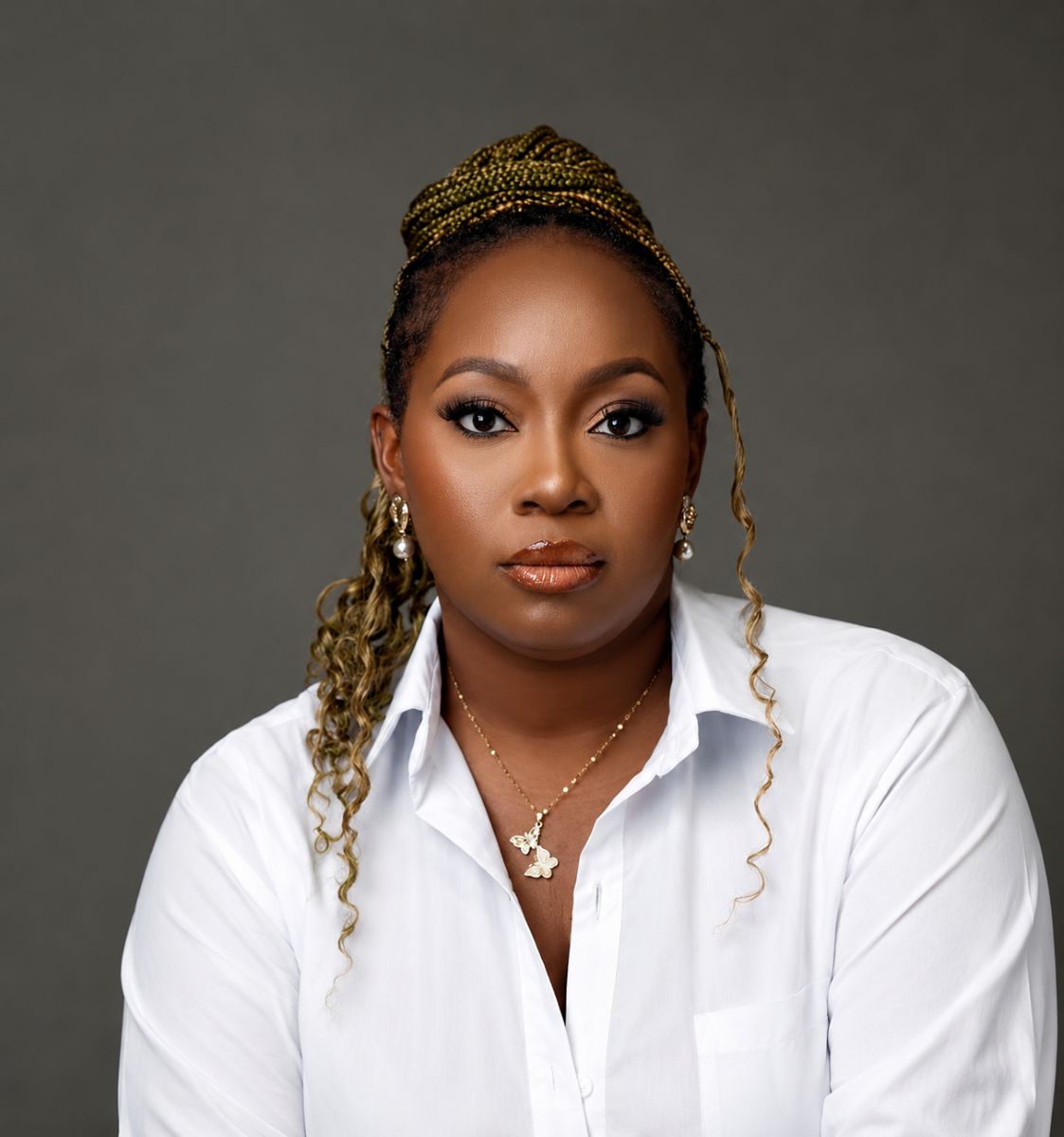
I met businesses and investors from across Africa and the Caribbean, and doors to international partnerships and funding opened in ways I never imagined. I now think of my business as bigger than myself.
– Temitayo Eguabor
CEO and Founder of Cakes N Chocolates Factory (Nigeria).
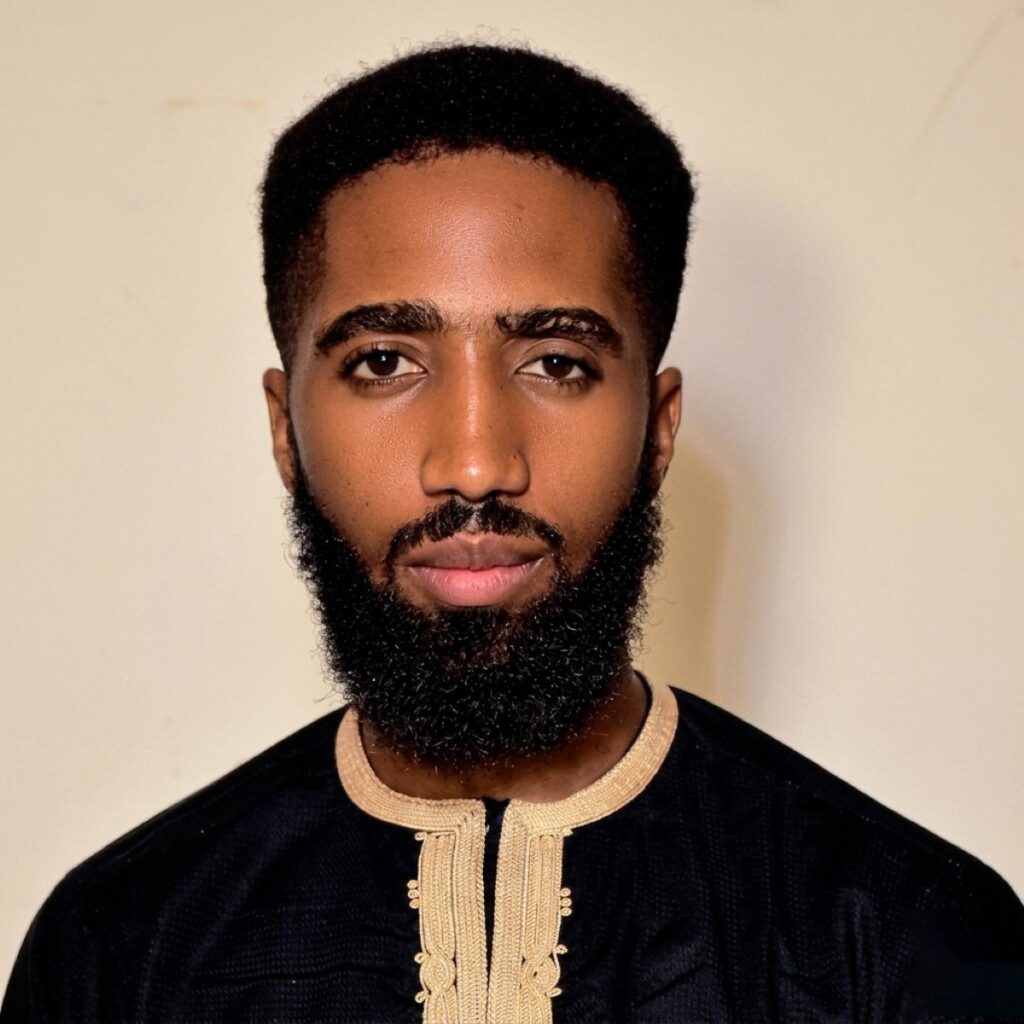
Being here is about realising the dream of a truly global African brand. We want to see more finished products from Africa that can compete anywhere in the world.
–Winston Udeagha
Founder, Winston Leather (Nigeria).
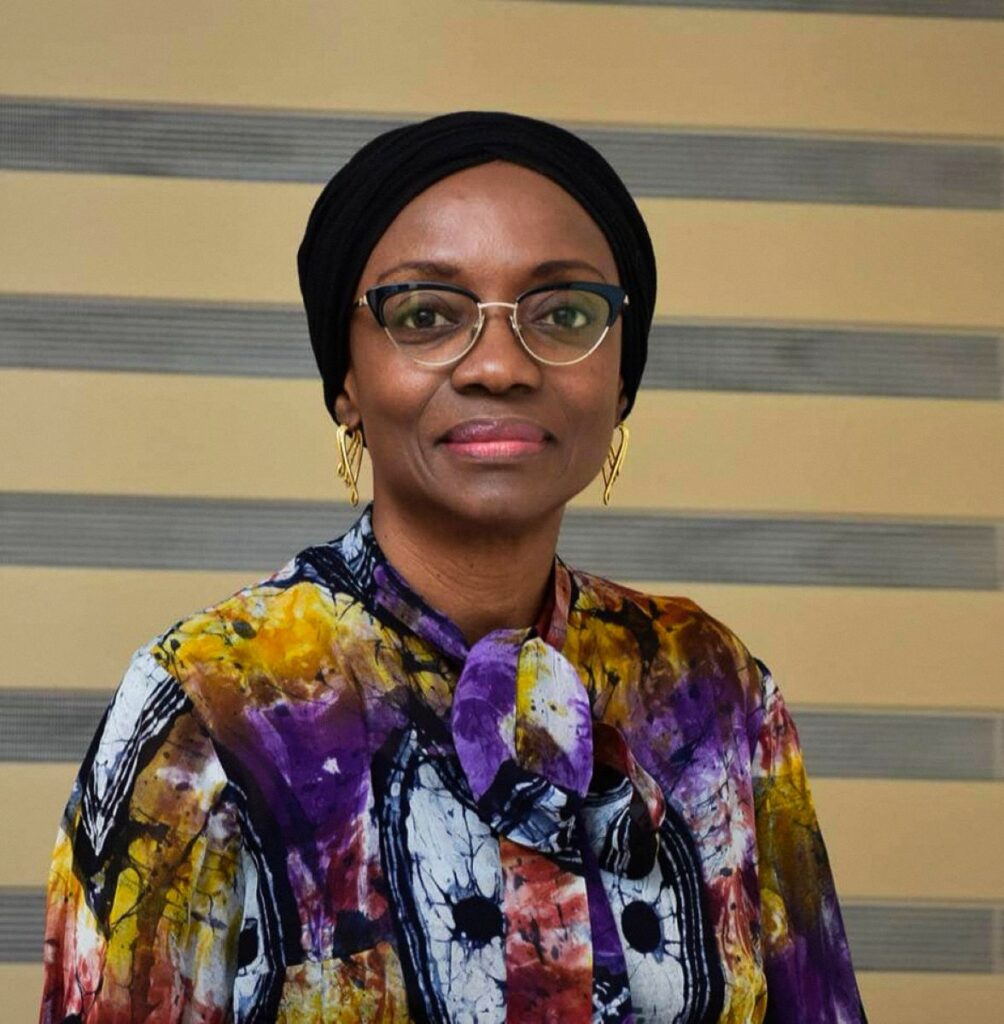
African Marketplace Dubai connects Francophone Africa with the global economy like never before. This platform gives our brands visibility, credibility and the opportunity to expand beyond borders.
Olatokunbo Ige
Human Right Lawyer and Founder, Togo Mall (Togo).
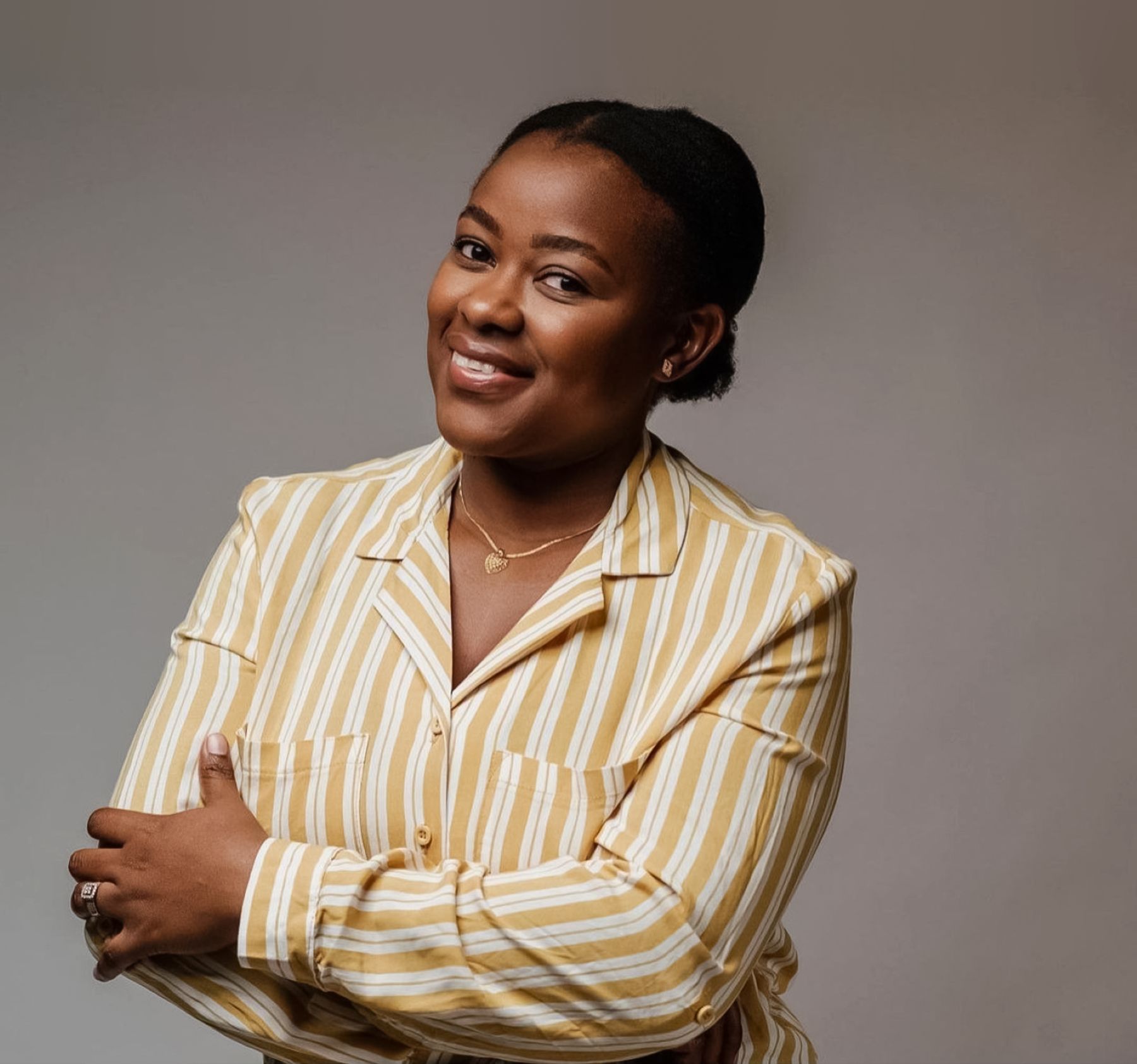
This event provided vital visibility and new business contacts that will help us scale and empower more African smallholder farmers.
Irene Simon Ivambi
Founder of Mrembo Naturals (Tanzania).
African Marketplace Dubai 2025 was truly an eye-opening experience. Like many first-time ventures, there were moments that challenged expectations. But when you’re driven by a clear vision, those moments don’t define the journey, they become the stepping stones to something even greater. I’m already looking forward to African Marketplace Dubai 2026 with great anticipation because I believe the best is yet to come. The initiative by Mrs. Ibukun Awosika to lift SMEs by creating an avenue for growth is remarkable and huge. Its impact is far too significant to be measured by a single event. Building a lasting platform I learnt takes vision, commitment, resilience and continuous learning, and I deeply align with that approach. I am looking forward to an even greater African Marketplace Dubai 2026. To the team behind the scenes, thank you. I pray for greater grace, wisdom, and strength as you continue to build.
Barbara Ikenna-Ogbozor
Founder & Creative Director, Jodia The Label Ltd (Nigeria).
Participating in the African Marketplace Exhibition in Dubai was a defining milestone for Konkéré Designs and a powerful step in our international growth journey. The exhibition provided a prestigious global platform to present our craftsmanship, design philosophy, and proudly Nigerian heritage to a diverse audience of buyers, industry professionals, collectors, and design enthusiasts from across the Middle East and other regions. It significantly elevated our brand’s visibility, reinforced our credibility, and demonstrated that African-made contemporary furniture can compete confidently at the highest levels of global design.
Beyond visibility, the event created meaningful opportunities for strategic partnerships. We engaged with potential distributors, retailers, interior designers, and collaborators who expressed strong interest in representing or working with the brand in new markets. These connections have laid the groundwork for future expansion beyond Nigeria, positioning Konkéré Designs as an emerging export-ready brand.
Importantly, the exhibition translated into tangible commercial success. We received multiple custom orders from clients who encountered our pieces firsthand, reflecting genuine demand and trust in the quality, durability, and uniqueness of our work. These commissions not only generated immediate business value but also validated the universal appeal of our designs across cultural and geographic boundaries.
Overall, the experience broadened our perspective, strengthened our confidence, and refined our understanding of international market expectations. It reaffirmed our mission to create timeless, sustainable pieces from Nigeria for the world, and positioned Konkéré Designs not merely as a local furniture company, but as a distinctive African design voice with growing global relevance.
Oluwaseyi Gbadebo
Founder & Creative Director, Konkere Designs
There are conversations that inform, and there are conversations that shape perspective. The ‘Timeout with Ibukun Awosika’ programme was undoubtedly the latter. I left encouraged, challenged, and deeply inspired, and I am excited to experience an even greater level of insight, connection, and impact this October in Dubai because, with the International Women Leadership Conference coming up, it’s offering a timely moment to reflect on the kind of leadership the future requires.
Aderinsola E. Omirin
Principal Strategist, Sync Co.
Attending the TIWLC Conference in Dubai was an inspiring and transformative experience. It provided a unique opportunity to learn from accomplished global leaders, exchange ideas, and build meaningful connections with women driving change across industries. My biggest takeaway was that true leadership is measured not only by personal success but by the impact we create and the people we empower. The plenary session “Woman in Leadership… Living the Dream” had the greatest impact on me because it emphasised authentic leadership, resilience, and intentional legacy-building. It reinforced my commitment to leading with purpose, developing others, and creating lasting value through innovation and service.
Enebeli Ude Somufienia
Ag. Chief Information Officer, MTN Cameroon.
TIWLC 2025 was a transformative experience that brought together visionary leaders, meaningful conversations, and practical insights on leadership, innovation, and impact. Beyond the networking opportunities, it challenged me to think more intentionally about leadership and creating sustainable value.
My biggest takeaway came from Mrs. Ibukun Awosika’s opening remarks reinforced that extraordinary achievements are the result of consistent, intentional actions taken every day. Complementing this was Fred Swaniker’s plenary session on the power of relationships. His message emphasised that relationships should be built intentionally, and with authenticity. He detailed that strong, trust-based relationships are the foundation of sustainable leadership, opening doors to collaboration, opportunities, and long-term impact. This resonated deeply.
-Isimeme Whyte
Founder/GMD, Genius Hub
Co Founder, Bataawork
TIWLC was inspiring and deeply enriching. It brought together women from diverse backgrounds to reflect, learn, and think bigger through conversations that felt honest, personable, and grounded in real life experiences. I left encouraged to embrace new possibilities and approach both my personal and professional journey with renewed purpose, confidence and intentionality. Every session offered something valuable, but the Q&A session had the greatest impact on me. Mrs. Awosika’s responses were warm, sincere, and grounded in relatable, real-life examples. Her answers to the questions, including mine, opened my eyes to possibilities I had never considered and helped me appreciate abilities in myself that I had honestly not fully recognised. I left with renewed courage and confidence, and a deeper responsibility to develop my capabilities, apply them with greater intention, and build a meaningful legacy.
Dr. Ijeoma Agbo
Consultant Public Health Physician
A couple of months after completing the ‘360 Masterclass with Ibukun Awosika’, The International Women’s Leadership Conference (TIWLC) was launched in Dubai. There was no convincing needed. It was an immediate “of course’ I will attend” for me. Mrs. Awosika’s imprimatur was on it, and that was enough. I became one of the delegates at the first conference and I must put it out early in this conversation that I have not missed one conference since then. Each year brought something unique:
YEAR 1 – 2022
I found more than a conference. TIWLC was a living, breathing ecosystem of growth. A space for building new connections, nurturing old friendships, gaining fresh knowledge, and unlocking new opportunities. A hub for anyone hungry for growth, especially through the lens of other people’s lived experiences. Because truly, why make every mistake yourself when you can learn from others?
Over the years, it has been the shared stories, the strong relationships, and the deep bonds that have stayed with me. Some old friendships faded along the way, but TIWLC gave room for new ones…women with whom I now share wins, milestones, and meaningful life moments. My year one takeaway: You are only as powerful as your mindset.
Year 2 – 2023
I thought the second edition would just be a routine and can’t beat the first …it did! That perspective shift, paired with the rich, Pan-African conversations and a never-dull agenda, made the experience unforgettable. I can safely describe the experience as Edifying. Electrifying and Liberating all at once. As a lifelong learner, the conference became home. We didn’t stop there, we went on to create our own TIWLC Connect, extending the experience beyond the conference in Dubai. My friend, Flakes and I hosted our group in Lagos for a mini soiree that year. More bonds were formed.
Year 3, 2024
It was about ‘Leading With Courage’, and I learnt lessons that emboldened me to do bigger things.
Year 4, 2025
By this time, I was such a TIWLC addict that I decided to reward three of my staff that had worked hard that year and we had a powerful shared experience.
Somewhere in between all the deep conversations and learning moments annually, there are always lighter moments too…Food, fashion, shopping, sight seeing, dinners, and so many activities too numerous to mention.
Year 5, 2026
We refused to allow global disruptions to shake the impact this community has created. So we converged in Lagos for a mini conference even as we still look forward to the Dubai edition in October.
Five years in, one thing is clear. If you sit with women who dream big, your dreams will expand too. If you listen to stories of courage, you will take bold action too, when you experience a shift, you will carry others along on the ride and growth will inevitably compound.
At TIWLC, The conversations hit differently. Confidence grows. Vision expands and success begins to feel attainable.
Tosin Adefeko
Founder/CEO, AT3 Resources