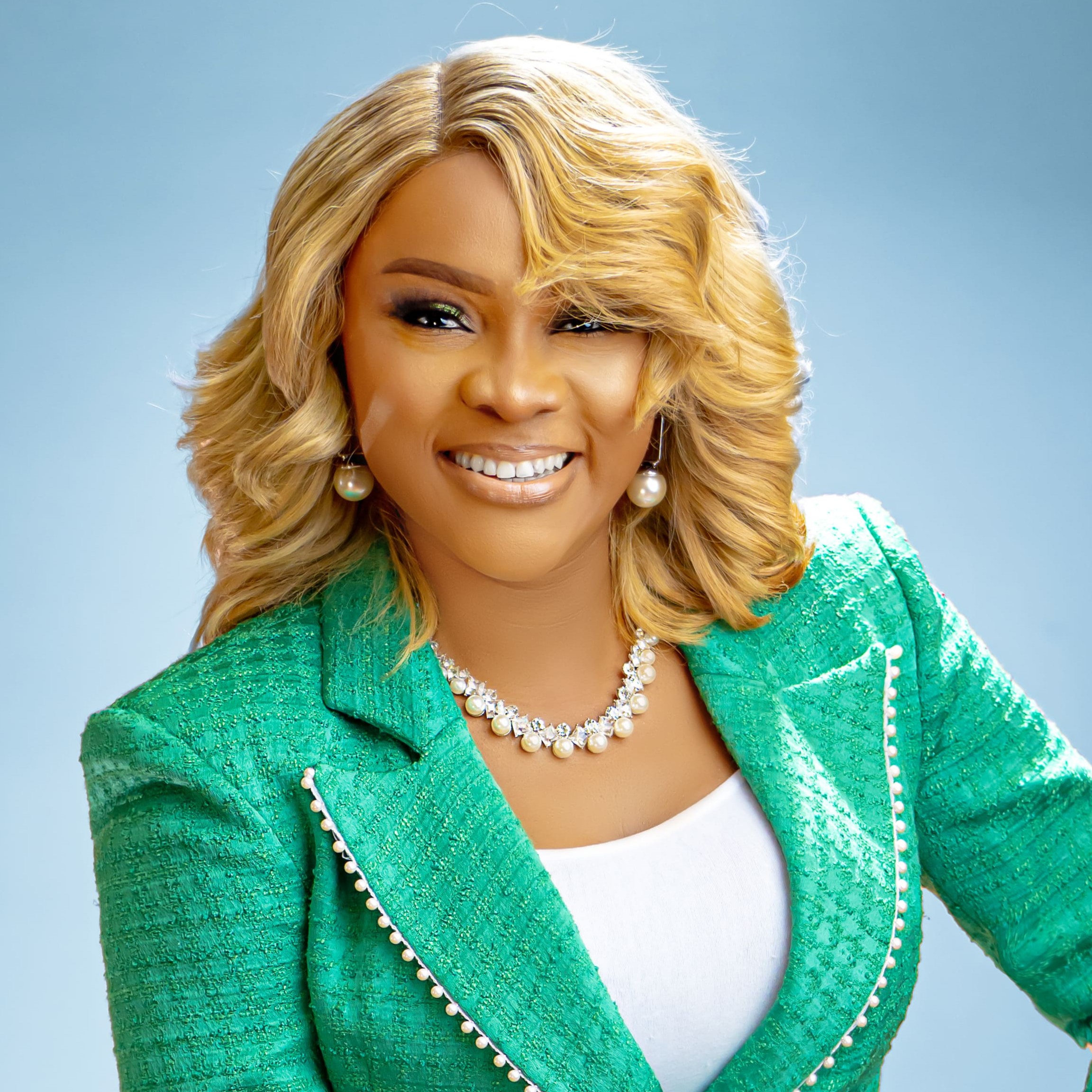
 Kemi Ajumobi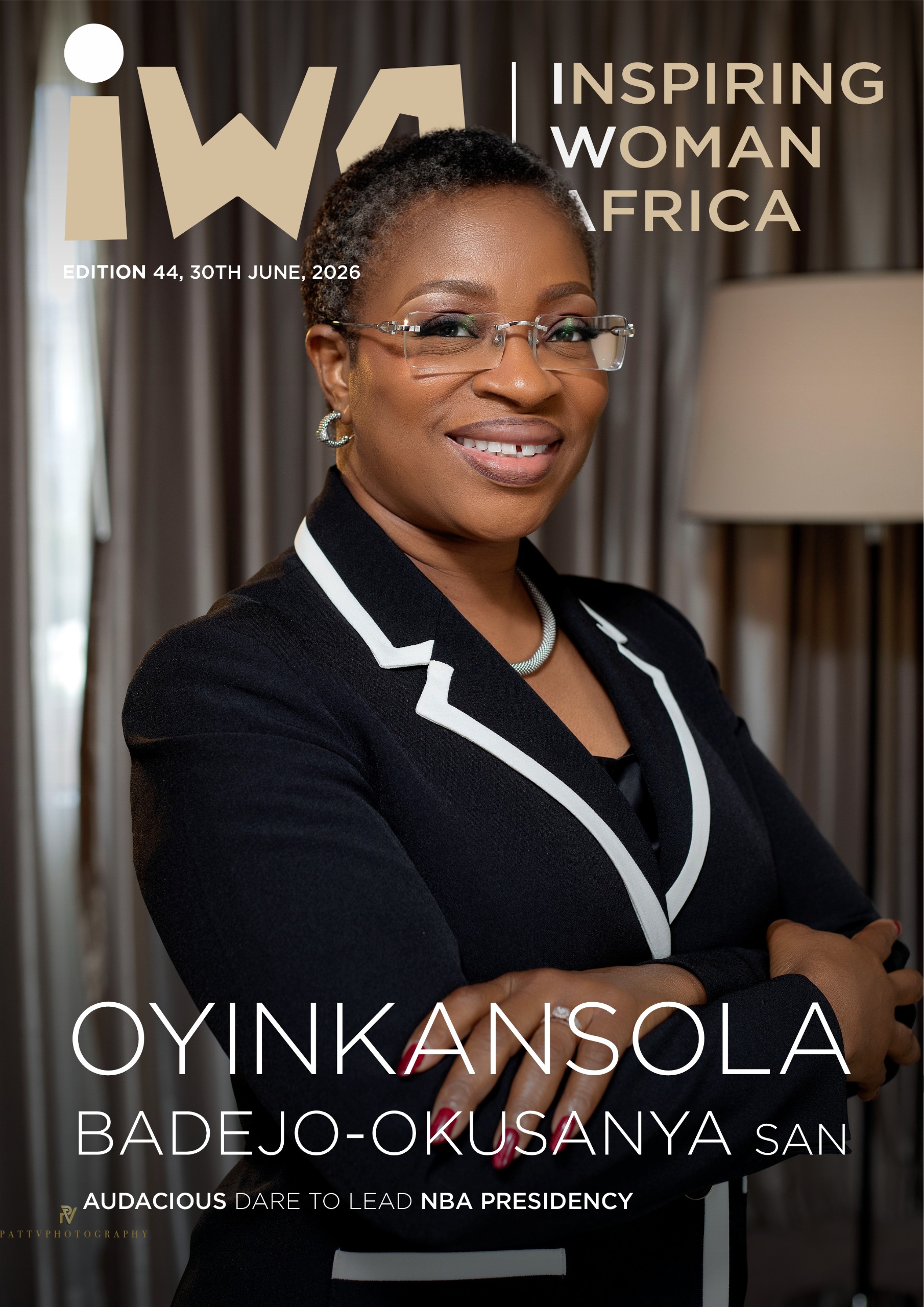
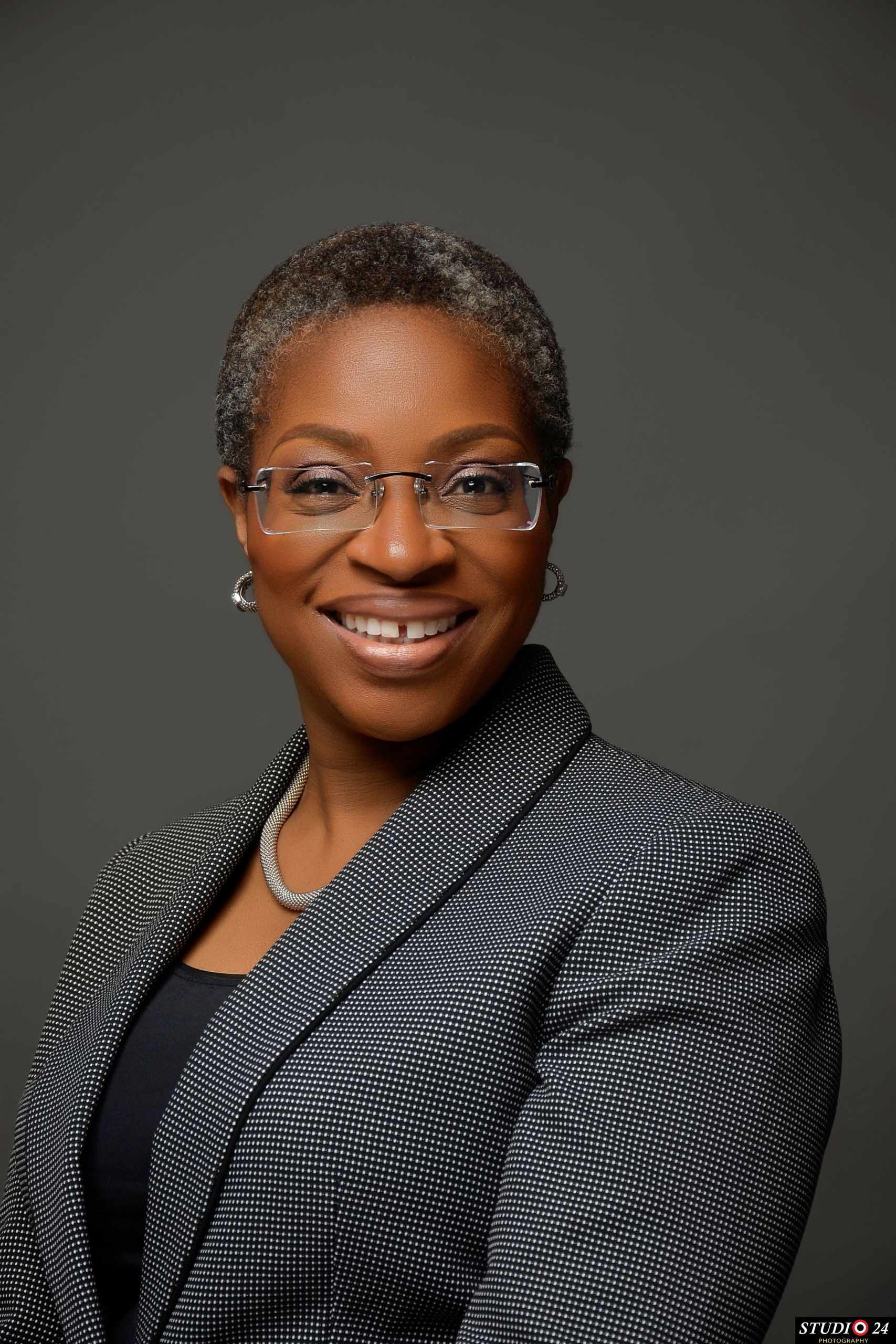
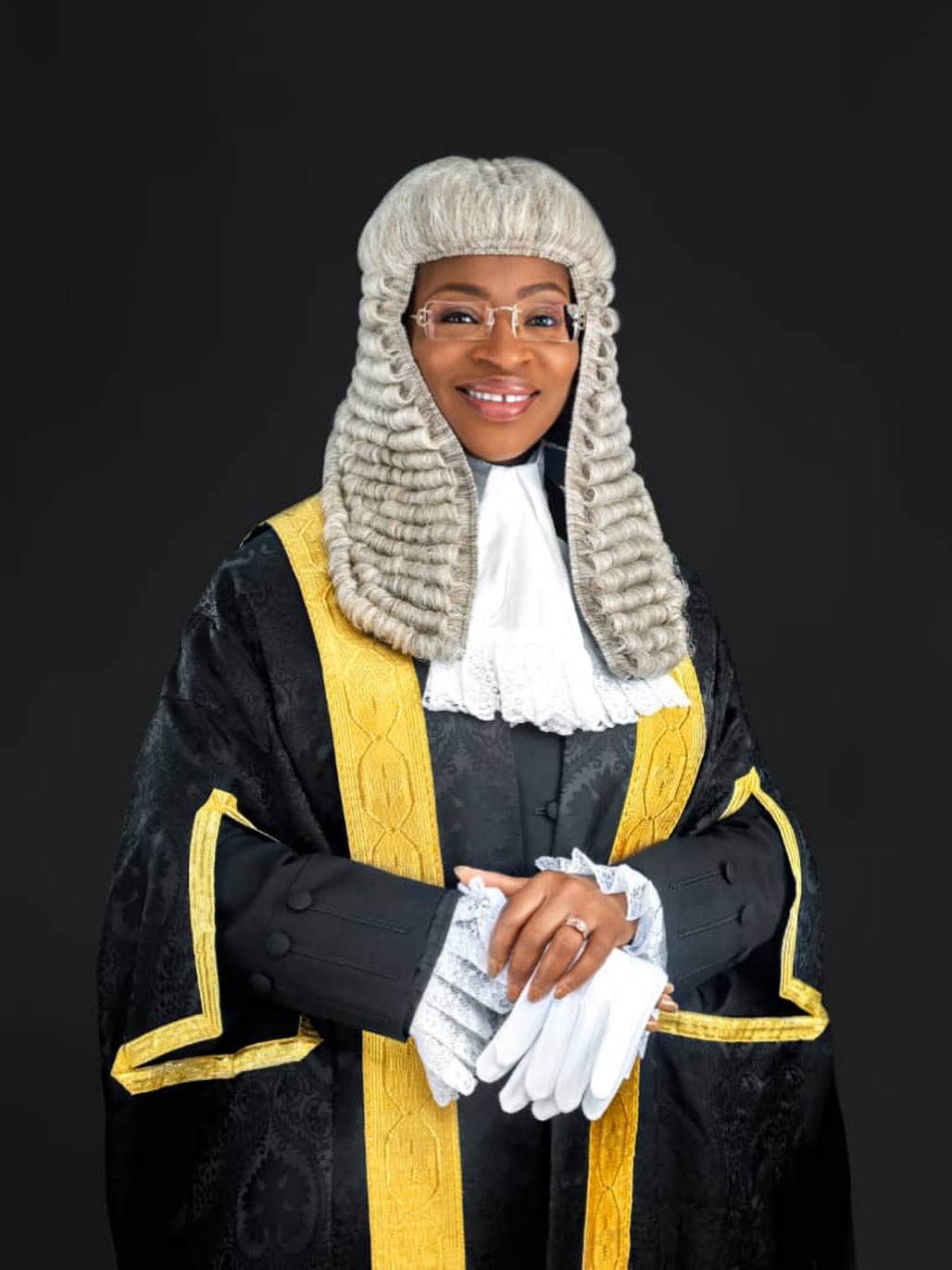
Oyinkansola Badejo-Okusanya, SAN, FCIArb, is a Partner at ALP NG & Co. (Africa Law Practice NG & Company), where she serves as Co-Head of the firm’s Litigation and Dispute Resolution Practice. A distinguished barrister, alternative dispute resolution practitioner, and public policy professional, she has over two decades of experience advising and representing private individuals, corporate entities, and government institutions in complex commercial disputes before trial and appellate courts in Nigeria, as well as in domestic and international arbitral proceedings.
A Fellow of the Chartered Institute of Arbitrators (UK) and an Accredited CeDR Mediator, Oyinkansola is widely respected for her expertise in litigation, arbitration, mediation, regulatory compliance, justice sector reform, and public policy. Her practice is characterised by a strong commitment to dispute resolution as a tool for preserving commercial relationships and advancing access to justice.
Called to the Nigerian Bar in 2002 after obtaining her LL.B (Hons) degree from the University of Lagos, where she had earlier earned a Bachelor of Arts (Hons) degree in English, she commenced her legal career at Olaniwun Ajayi LP. In 2007, she was appointed Senior Special Assistant on Justice Sector Reform to the Governor of Lagos State, Babatunde Raji Fashola, SAN, working in the Office of the Honourable Attorney-General and Commissioner for Justice, Olasupo Shasore, SAN.
In that capacity, she contributed to significant justice sector initiatives, legislative reforms, and institutional strengthening programmes aimed at improving access to justice and protecting the rights of vulnerable citizens. Among the notable access to justice interventions undertaken during this period were the relocation of the Office of the Public Defender to a purpose-built and more accessible facility and the introduction of more humane transportation arrangements for inmates attending court proceedings.
In 2011, she was appointed General Counsel to the Governor of Lagos State, a position she held until 2015. During her eight years in public service, she advised on major policy initiatives, public-private partnerships, arbitration legislation, compliance matters, consumer protection issues, innovative home ownership initiatives and justice sector reforms.
She also served as a vital liaison between the Lagos State Government and the Nigerian Bar Association, facilitating sustained collaboration and support for numerous NBA activities, including branch law weeks and the 2011 Annual General Conference hosted in Lagos.
In 2017, she became a founding partner of Africa Law Practice NG & Company, which has since evolved into one of Nigeria’s leading commercial law firms with affiliations across Africa. As Co-Head of its Litigation and Dispute Resolution Practice, she continues to provide strategic counsel on high-value disputes and complex legal matters across multiple sectors.
Oyinkansola has made significant contributions to the development of arbitration and alternative dispute resolution in Nigeria. She served on the Executive Committee of the Chartered Institute of Arbitrators (UK), Nigeria Branch, and chaired its Annual Conference Planning Committee for three consecutive years in Lagos (2014), Abuja (2015), and Port Harcourt (2016). She was also a member of the Nigeria Economic Summit Group/National Assembly Business Environment Roundtable (NESG-NASSBER) Arbitration and Dispute Resolution Working Group and participated in the reform process that culminated in the enactment of the Arbitration and Mediation Act 2023.
She is a member of the London Court of International Arbitration (LCIA), the International Council for Commercial Arbitration (ICCA), the African Arbitration Association, ArbitralWomen, the International Bar Association (IBA), the Commonwealth Lawyers Association (CLA), the International Federation of Women Lawyers (FIDA), and a Life Member of the African Women Lawyers Association (AWLA). She also serves on the Board of the Lagos Court of Arbitration (LCA).
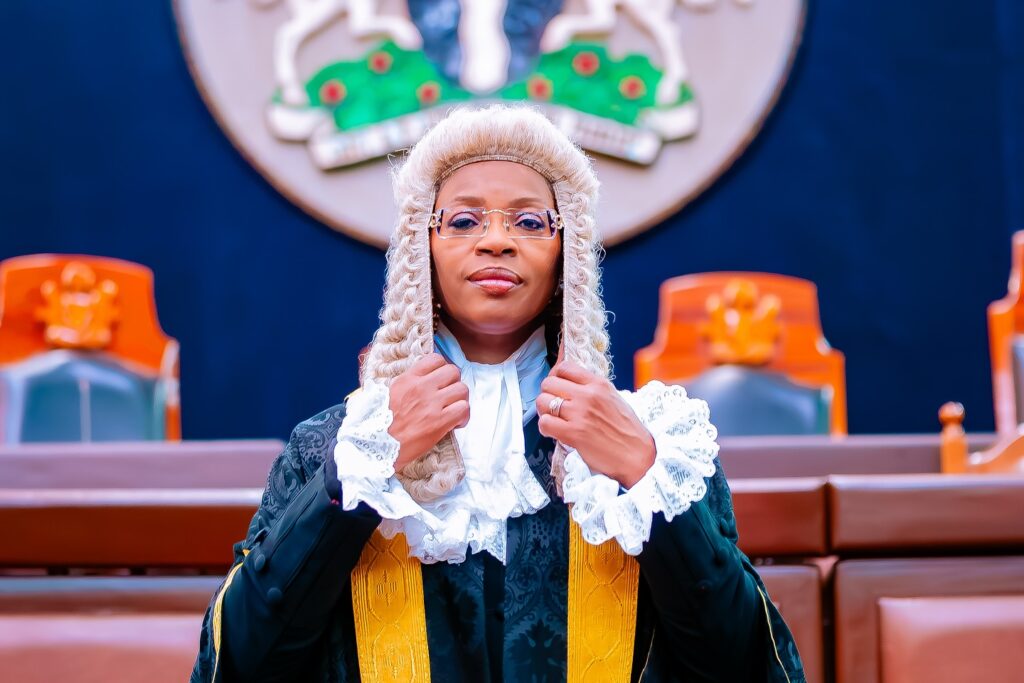
A committed Bar leader, Oyinkansola has devoted considerable time and energy to the service of the Nigerian Bar Association. Her various leadership roles have included Assistant Secretary of the NBA Lagos Branch; Delegate to the 2006 NBA Elections; Member of the NBA Lagos Branch Building Committee; Member of the Technical Committee on Conference Planning in successive NBA administrations; Chair of the NBA Lagos Branch Annual Dinner Committee in 2021 and 2022; Member of the Future of the Legal Profession Committee; Member of the Conference Investigation Committee; Alternate Chair of the 2023 Annual General Conference Planning Committee; and Chair of the 2024 Annual General Conference Planning Committee.
She has also served as a co-opted member of the NBA National Executive Council since 2022. In recognition of her exceptional service to the Association, she was awarded the NBA Presidential Medal of Service in August, 2024.
Beyond professional accomplishment, Oyinkansola is deeply committed to the ideals of justice, fairness, and service. A passionate advocate for the vulnerable and underserved, she has undertaken extensive pro bono work, securing life-changing outcomes for indigent litigants, including the successful defence and acquittal of persons facing capital offences and the reversal of wrongful convictions on appeal.
Her commitment to ensuring meaningful access to legal representation reflects a lifelong dedication to the rule of law and the protection of fundamental rights.
A sought-after speaker, mentor, and thought leader, she is particularly passionate about professional development, mentorship, gender equity, children’s rights, and the advancement of young lawyers. She is widely regarded as a strategic organiser, consensus builder, and inspirational leader who combines professional excellence with a profound commitment to institution-building and public service.
Oyinkansola is the daughter of two distinguished trailblazers: the late Professor Olufolabi Olumide, a distinguished General Surgeon who was the first Vice-Chancellor of Lagos State University, and Clara Folasade Abiodun Olumide (née Solarin), a consumate university administrator, who rose to become the first female Registrar of the University of Lagos.
On 29 September 2025, she was elevated to the prestigious rank of Senior Advocate of Nigeria (SAN), the highest honour in the Nigerian legal profession, in recognition of her outstanding contributions to legal practice, public service, and the administration of justice.
A chorister and Church Steward at Methodist Church Nigeria’s Emmanuel Chapel, Ikoyi, Lagos, Oyinkansola enjoys reading, music and travelling. She is passionately committed to Nigeria’s advancement and the strengthening of its institutions. She is happily married to Yomi Badejo-Okusanya and they are blessed with a son.

How did your upbringing shape who you are today?
I was born 59 years ago, the first child of the late Prof. Folabi Olumide, a renowned General Surgeon and Folasade Olumide, a consummate university administrator. My father was the first Vice Chancellor of Lagos State University, and my mother rose to become the first female Registrar of the University of Lagos.
We grew up on the UNILAG Campus at Akoka, a wonderfully intellectual environment. Growing up, the overarching principles instilled in us from parents who led by example were integrity and the importance of a good name, hard work, being focused, contentment, respect for others and striving for excellence in whatever we set out to do because you never know who is watching. My father gave his time and service all his life, whether as a Rotarian or as Director of Chapel Music and Organist at the Chapel of the Healing Cross at Idi-Araba. I sing in the choir of my Church, and I am a Church Steward. These values have remained my compass throughout my life.
The legal profession appealed to me because it combines intellect with service. I wanted to be part of a profession that shapes society, protects rights, and advances justice. Though I almost missed it, because I first studied English, and then no longer wanted to go back to school to study law because I was having too much fun working and earning money. Thank God for my very determined mother who made sure I did not derail. I cannot thank her enough. She and my father remain my greatest influences in life.
Like many lawyers, my journey was not without challenges but I was fortunate to have wonderful mentors – the late Bankole Aluko, SAN, Olasupo Shasore, SAN, Dr. Konyinsola Ajayi, SAN, Funke Adekoya, SAN and Babatunde Raji Fashola, SAN. These are people that played and are still playing active roles in my professional development. I learned from the best! I was intentional about making them my mentors. Each and every one of them. Gratefully, from them I learnt early that success in law requires discipline, resilience, continuous learning, and the humility to keep growing and learn from those younger than you. Consequently, some of my other mentors have been (and still are) colleagues that are much younger than me and much younger at the Bar. Indeed it has been a tremendous advantage because I keep learning new things. Besides, who is a leader, if not someone that is committed to a lifetime of learning. That humility and focus is something I mentor younger lawyers about constantly. Keep focused. Keep your eyes on the ball. The distractions are just that, distractions. Don’t give in to them. Be intentional.
These principles that I live by eventually culminated in my being conferred with the rank of Senior Advocate of Nigeria in September, 2025, a privilege I am extremely grateful for.
Today, I remain committed to service, to the profession that has given me so much, and to ensuring that future generations of lawyers have as many and even greater opportunities than those I had.
Why are you running for the office of the President of the Nigerian Bar Association (NBA)? Why should you be voted for?
Hmm…. Good question! I ask myself that question all the time, just to remind myself of what is important.
People often assume that seeking leadership is about ambition. For me, it has always been about responsibility. Interestingly, leadership has often sought me out. For instance, when I was unanimously made the President of my Old Girls Association Class set, I wasn’t even present at the meeting. They just called me and told me they had elected me president in absentia, which was humbling.
Every stage of my career has reinforced the belief that when experience gives you the capacity to make things better, you also acquire the responsibility to serve. That belief took me into public service. I wasn’t sitting down in my office and the opportunity to serve came. No. My work took me to the Lagos State Ministry of Justice from time to time and I was intrigued by the policy work that was being done that would affect the lives of millions of Nigerians. I wanted to be a part of that so I offered myself as soon as the new Babatunde Raji Fashola, SAN Administration was sworn in and I was fortunate that my offer was accepted. That belief has also guided my work within the legal profession.
I am running because I believe the NBA is at a defining moment and the responsibility to serve has once again come calling. Our members are demanding stronger leadership, improved welfare, greater accountability and a more influential Bar that speaks boldly on issues affecting both lawyers and the society.
That being said, the idea to run for president wasn’t originally mine. Since I was called to the Bar, I’ve always been what we jocularly call a “Bar man” – someone who is actively involved in Bar activities whether by holding office within the Bar or simply attending Bar meetings, conferences, events and participating actively in Bar activities. So I understand what the Bar is, what it was and what I think it should be and where I think it should be going. One day, I was having this long animated conversation with a senior colleague about the direction I thought the Bar should be heading in and how it could do so much more for its members, and after listening to me for a while, he said “I think you should run for president of the NBA”.
My immediate reaction was horror! I know what it entails and the human in me instantly rejected the rigours of taking on such a humongous task. But like I said, I believe service is a responsibility, so it really didn’t take very long for the idea to take root. There comes a point when one must ask, “What more can I give?” rather than ”What more can I gain?”
And that is where I find myself today.
The legal profession occupies a unique place in society. Lawyers defend rights, shape public policy, resolve disputes and strengthen democratic institutions. When the profession is strong, society benefits. When it is weakened, the consequences extend far beyond lawyers themselves.
My aspiration is therefore bigger than winning an election. I want to help build a bolder Bar that is respected for its integrity; a Bar in which its members are prepared for the future and committed to justice in its broadest sense. I want young lawyers to feel hopeful about their future. I want experienced lawyers to feel proud of the institution to which they belong, and I want the Nigerian Bar Association to continue to be a principled voice whenever the rule of law or the public interest is threatened.
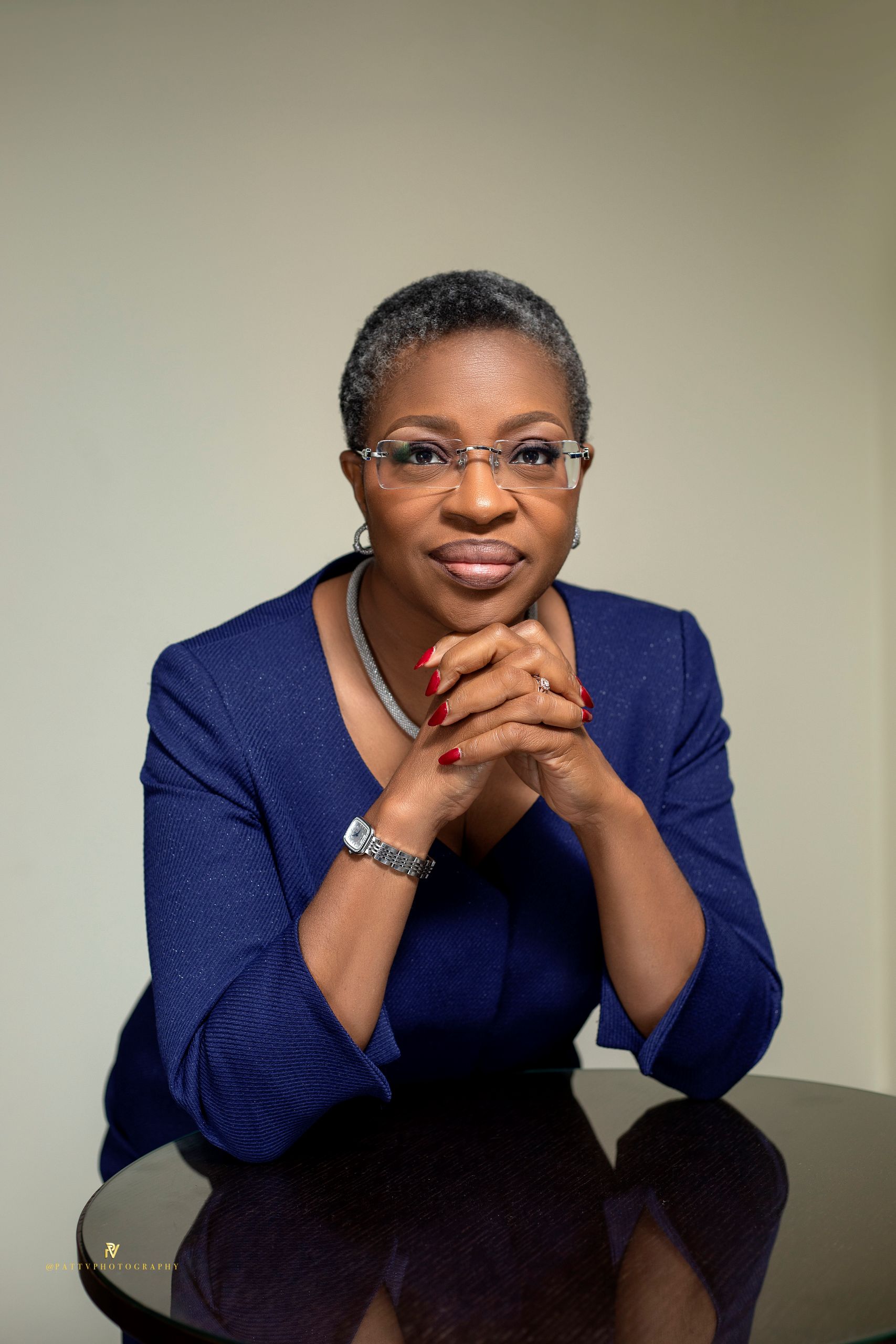
Why should lawyers vote for me? Another good question. Members should vote for me because I am prepared, tested, capable and ready to lead. My campaign is anchored on BOLD leadership – leadership that puts members first, that listens, includes, acts, and delivers.
If lawyers choose to entrust me with this responsibility, I hope it will be because they are convinced of the values I have tried to live by – service, excellence, integrity and because they can see that I am genuinely committed to building a ‘Bolder Bar’ that works for everyone.
I am offering a unique combination of private sector and public service experience, competence, and a proven record of service. I have spent years listening to members and engaging with branches across the country and I understand the challenges facing lawyers across different sectors and across generations. I know firsthand what is required to lead a reform agenda, and I am ready to lead a paradigm shift to an NBA that puts its members’ welfare first in every ramification so that lawyers can earn better, live better, practise better and more importantly, move from merely surviving, which most lawyers are, to thriving.
At the end of the day, titles come and go. What endures is the difference and impact we make in the lives of others and the institutions we leave stronger than we found them. That, more than anything else, is why I am running and why I should be voted for. Because I genuinely care and I genuinely want to make a difference.
Is it truly hard to live up to promises made during a campaign? How do you intend to change this narrative if you win?
Leadership is not about making promises. It shouldn’t be. Leadership is about making sensible and responsible commitments and being willing to be held accountable for them. And to me, it’s only hard when you haven’t thought it through. The difficulty arises when promises are made without a clear implementation framework.
I believe every commitment must be backed by a plan, timelines, measurable outcomes, and regular reporting. My manifesto makes this very clear. I don’t just say what I plan to do, I say how I intend to do it. That way I have created a blueprint that all, including me, can follow. The five pillars of my manifesto are underpinned by three principles – they must be achievable, they must be scaleable and they must most importantly be sustainable.
If I am elected, my administration will establish clear benchmarks and periodic reporting to members because transparency builds trust, and trust strengthens institutions. Progress should not be hidden in committee rooms; members deserve to know what has been achieved, what had not, and why.
If elected as President, what is your vision for the NBA, and how would you measure success?
My vision for the NBA is of a BOLDER, inclusive, innovative, and respected NBA that works for every lawyer regardless of where and how you practise law. A Bar that reclaims its space as a credible voice for justice, democracy, and the rule of law.
How will I measure success? If by August 2028, members can look back and say the NBA is more relevant to them than it was in August 2026, I would consider that to be a success. If I am able to turn the NBA into a more financially transparent and accountable association, where members are active partners in its progress, I would consider that to be a success. If lawyers can genuinely say that they have more from their association – more opportunities, more resources, more respect, more economic empowerment, more welfare, then I would consider that a success.
Everything in my mainfesto is geared towards setting the NBA on the path to achieving this. If I can do this I would be satisfied. At the end of my tenure, I want members to be able to point to specific improvements and say, “The NBA works better for us and I am proud to belong to it.”
What concrete steps would you take to ensure diverse voices are represented in NBA decision-making?
Inclusion must be intentional. I will ensure that committees and leadership structures reflect the diversity of our profession. Young lawyers, lawyers with disability, women lawyers, law officers and lawyers in the public service, lawyers in the academia, and lawyers from different regions in rural or urban branches, must all have a seat at the table. This is very important to me. Too often I hear stories of marginalisation, exclusion and disconnection. We must change that and one of the ways I will do that is to institutionalise regular stakeholder consultations so that policy decisions are informed by broad-based input rather than a few voices. I have always been of the firm belief that our association is strongest when every member feels seen, heard, and represented.
What specific initiatives would you champion to improve accessibility to legal services and justice for vulnerable Nigerians?
Hmm….. access to justice is one of the greatest challenges in our society and I guess in every society really, its only a question of degree. The most vulnerable in any society are the ones that bear the brunt and society looks up to associations like the NBA to rise up to its moral and professional responsibility and act to ensure that justice is accessible.
One of the things that I hope to achieve is by broad consultation, expand the institutional framework for access to justice initiatives, so that we have a framework in place that we can continue to build upon to ensure that the NBA takes its role as the conscience of the nation and the promoter and protector of the rule of law, very seriously.
A framework that supports stronger coordinated pro bono initiatives and legal aid programmes across all our branches, promotes civic education and encouages strategic parnership to expand legal assistance to vulnerable groups. This framework will have clear objectives and measurable outcomes, and will involve the active participation of members so that we are also building capacity.
Access to justice also involves ensuring that the justice system works efficiently. The level of discontent, apathy and outright cynicism for the justice system amongst the citizenty is appalling. The NBA must be much more sensitive to the perception that the public has about the justice system and take bolder steps to reverse this. It is quite literally an existential threat and we must see it as such. We must protect our profession and restore confidence in it.
One of the things I hope to launch is the NBA Justice Watch to monitor court efficiency and broader justice sector performance. This will strengthen accountability and greatly improve perceptions. Justice must be available to all Nigerians regardless of their economic status and the NBA has a bolder role to play and we will play it. The Bar must remain the guardian of the rule of law; not selectively, but consistently.
How would the NBA partner with government, civil society, and the private sector while maintaining independence?
I do not believe that partnership does not mean surrendering independence. Just as I do not believe that the most effective Bar is a combative one.
The NBA must engage constructively with government, civil society, development partners, and the private sector while remaining firmly committed to its principles.
Where collaboration advances justice and institutional reforms, we should participate. Where government actions undermine constitutional values and the rule of law, we must speak up, firmly and immediately. It is not an option, it is a duty. Respectful engagement and principled advocacy can coexist. I will be a President who will speak boldly and act swiftly for the Bar and the wider public interest with courage and conviction. When there is a need to be combative we will be. And when the occasion calls for dialogue and collaboration, we will do so too.
Reforms to pursue to strengthen professional ethics, disciplinary processes, and public trust
The reputation of the profession depends on our commitment to ethical standards.
I support strengthening ethics training, enhancing awareness of professional obligations, and ensuring disciplinary processes are fair, efficient, and transparent.
We must reward excellence, address misconduct decisively, and continuously reinforce the values that make the legal profession a trusted institution.
How would you improve the NBA’s engagement with regulators, bars, and law schools?
The legal profession is becoming increasingly global and technology-driven.
The NBA must deepen engagement with regulators, legal education providers, and international bar associations to ensure our lawyers remain competitive.
We need stronger continuing professional development programmes, curriculum conversations with law faculties, and greater exposure to emerging areas of legal practice.
Is this goal more challenging because you are female?
Yes and no, if that makes sense. Yes, because the barriers that women face climbing to the very top are real. Societal expectations, domestic obligations and responsibilities, bias. Sometimes the bias is barely visible, subconscious and unconscious. Other times it’s right there up in your face. I have had a very senior lawyer tell me and a colleague that the leadership of the Bar is not for women. And he wasn’t joking! This is just one example. So there is no doubt that women face additional hurdles in leadership journeys.
On the other hand, I would say no, because I have enjoyed tremendous support from both men and women who have seen beyond my gender and identified a capable person who can get the job done that they are willing to support. I am also enjoying the support of the “If not now, when?” gang. Those who believe it is time for the leadership of the NBA to be more reflective of the members it seeks to lead and that 35 years is too long for the NBA not to have a female president when over 60% of its members are female.
For me personally, my mantra remains capacity and I have never allowed challenges to define my possibilities. I am very proud of being a woman and I do not want to be a man. As excited as I am at the prospect of making history as the second female to be president after Dame Priscilla Kuye 35 years ago. I would rather take the conversation away from gender. I am running as a qualified capable candidate with the experience, competence, and vision to lead the NBA. And if anything, this interesting journey has strengthened my resolve and deepened my understanding of inclusive leadership.
Is the law fair to female lawyers in Nigeria?
The law provides important protections, but challenges remain in practice.
Many female lawyers continue to navigate structural barriers, unconscious biases, and balancing professional and family responsibilities.
Progress has been made, but there is still work to do. The objective is not special treatment but equal opportunity, equal respect, and equal access to leadership positions.
How should NBA policy advocacy incorporate gender perspectives?
Justice sector reforms affect people differently, and policy advocacy should reflect that reality.
A gender-responsive approach helps identify barriers that may disproportionately affect women and other vulnerable groups while ensuring that reforms are effective and inclusive.
When diverse perspectives inform policy, the outcomes are stronger for everyone.
What steps would you take to safeguard judicial independence and improve the relationship between the NBA and the judiciary?
An independent judiciary is fundamental to democracy and the rule of law.
The NBA must continue to advocate for judicial independence, adequate funding, security of tenure, and institutional reforms that strengthen the administration of justice.
At the same time, we need constructive engagement with the judiciary based on mutual respect, shared responsibility, and a common commitment to justice.
How would the NBA advocate for faster, fairer court processes and reduce backlogs?
Justice delayed remains justice denied.
The NBA must champion procedural reforms, greater use of technology, alternative dispute resolution mechanisms, improved case management systems, and increased judicial capacity.
Reducing delays requires collaboration among judges, lawyers, court administrators, and policymakers. The NBA must be a leading voice in driving these reforms.
How would you elevate the NBA’s international profile?
The NBA is one of the largest and most influential bar associations in Africa and should play an even greater global role.
I will strengthen relationships with international bar associations, promote knowledge exchange, encourage cross-border professional opportunities, and position the NBA as a leading voice on legal and governance issues across Africa and beyond.
What mechanisms would you implement to hear directly from members?
Leadership must be accessible. I will maintain regular engagement through branch visits, virtual town halls, stakeholder consultations, surveys, and digital feedback platforms.
Most importantly, feedback must lead to action. Listening is important, but responding effectively is what builds confidence.
How would you strengthen the NBA’s role in promoting integrity?
Integrity is the foundation of both the legal profession and public service. The NBA must continue to champion ethical conduct, accountability, constitutionalism, and the rule of law. We must also lead by example, demonstrating the values we advocate in society. The credibility of our voice depends on the integrity of our actions.
What role will IT and data play in making your work as President better?
Technology and data is central to effective leadership and we will put this to effective use. Data helps us understand member needs, measure performance, allocate resources efficiently, and evaluate programmes objectively.
Technology can improve communication, member engagement, continuing legal education, administrative efficiency, and access to services. A modern NBA must be data-driven and digitally enabled.
For so long, there hasn’t been a female President of the NBA. Why so long? What will this change mean?
The absence of a female President for 35 years, after Dame Priscilla Kuye, who was elected 1st Vice President in 1990, and became president in 1991 when the then President late Clement Akpamgbo, SAN became the Attorney-General of the Federation, reflects broader societal and institutional realities that have historically limited women’s access to leadership opportunities.
Dame Kuye ran for President in 1992 but her attempt was unsuccessful. To date, she remains the first and only female president of the NBA. Funke Adekoya, SAN also ran unsuccessfully in 2006 and 2014.
The NBA now has the opportunity to elect its first female President and have its second female President in over three decades. For me personally, this is not simply about breaking a glass ceiling or making history. It is about expanding possibilities and breaking the habit of believing that some opportunities belong to a few and not to all.
More than sixty years ago, Martin Luther King Jr. spoke of “the fierce urgency of now”, recognising that there are moments when problems can no longer be deferred and action can no longer be postponed. And so I stand on the shoulders of these two giants of the profession, Dame Priscilla Kuye and Funke Adekoya, SAN, whose trailblazing efforts have made mine possible. My greatest joy would be to present my certificate of return to them both to show them that their extreme courage in the face of barriers, some of which I have not had to face, was not in vain.
If I am elected, it will demonstrate that the NBA values merit, competence, and service above all else. It will send a powerful message to every lawyer, especially young women lawyers, that leadership is attainable and that excellence has no gender. It will in fact send a powerful message far beyond the legal profession. If a young female lawyer can look at the NBA and see possibilities where previous generations saw barriers, then our profession becomes stronger. The significance lies not in the symbolism alone, but in what it says about the future of our profession.
I have said constantly that I am not running to tick a box or add to a statistic. I don’t want to be “lonely at the top”. It is far more important to me to get there, fling the door open and wedge it with my foot, so that all our willing, capable and competent female members can get seats at the tables. And I look forward to the day when gender no longer features in the discussion because the only criteria is capacity.
To every woman who is afraid to dare, what do you have to say?
Do not allow fear to become the author of your story. Look at those who have dared to dare and tell yourself if they can do it, so can you. Do not be afraid to fail. My wonderful husband reminds me all the time: “if you can win, you can lose” and this has kept me grounded. I am working extremely hard to win, but I don’t see losing as the end of the road. It is just a learning process that makes success inevitable the next time around.
Every meaningful achievement begins with the boldness to take the first step. There will always be obstacles, doubts, and voices that question your ability. Sometimes those voices will come from within you. Do not let them define you or hold you back. It is easier said than done but after that first step, you will find yourself asking what you were so fearful of.
Be BOLD. Always. Believe in yourself, your competence and your capacity. Prepare diligently, work harder than most, and keep pushing forward. You are much more than you think you are. I am discovering that every day. Hold firmly onto your faith. BE INTENTIONAL. Your dreams are valid, your voice matters, and your contribution is needed.
You must dare and you must dare greatly. The world is waiting for what only you have to offer.
Concluding words
They say fortune favours the bold.
I say the Nigerian Bar Association belongs to all of us who are bold enough to demand more – more economic dignity, more opportunity, more accountability, more value for every member. The future of the NBA will be shaped by the choices we make today.
I am offering myself to serve the NBA with humility and a clear vision for a bolder, more inclusive, and more effective Bar. This campaign is about leadership that is BOLD in vision, BOLD in service, and BOLD in delivery. It is about building a presidency so focused on delivery that it permanently changes what members expect from the Bar.
I do not simply seek to make history.
I seek to make a difference.
I do not just want to be the first elected female President of the NBA.
I just want to ensure that I am not the last.