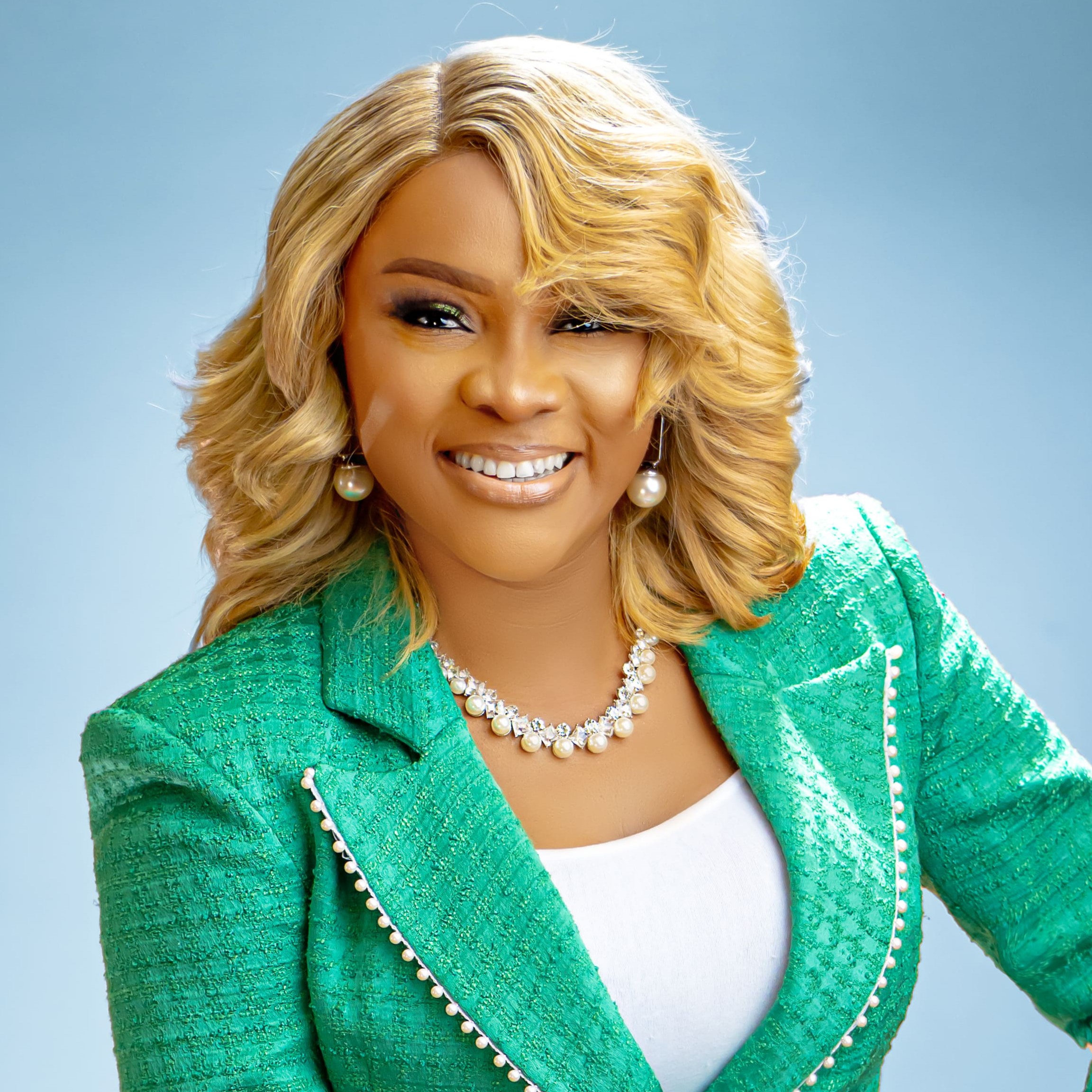
 Kemi Ajumobi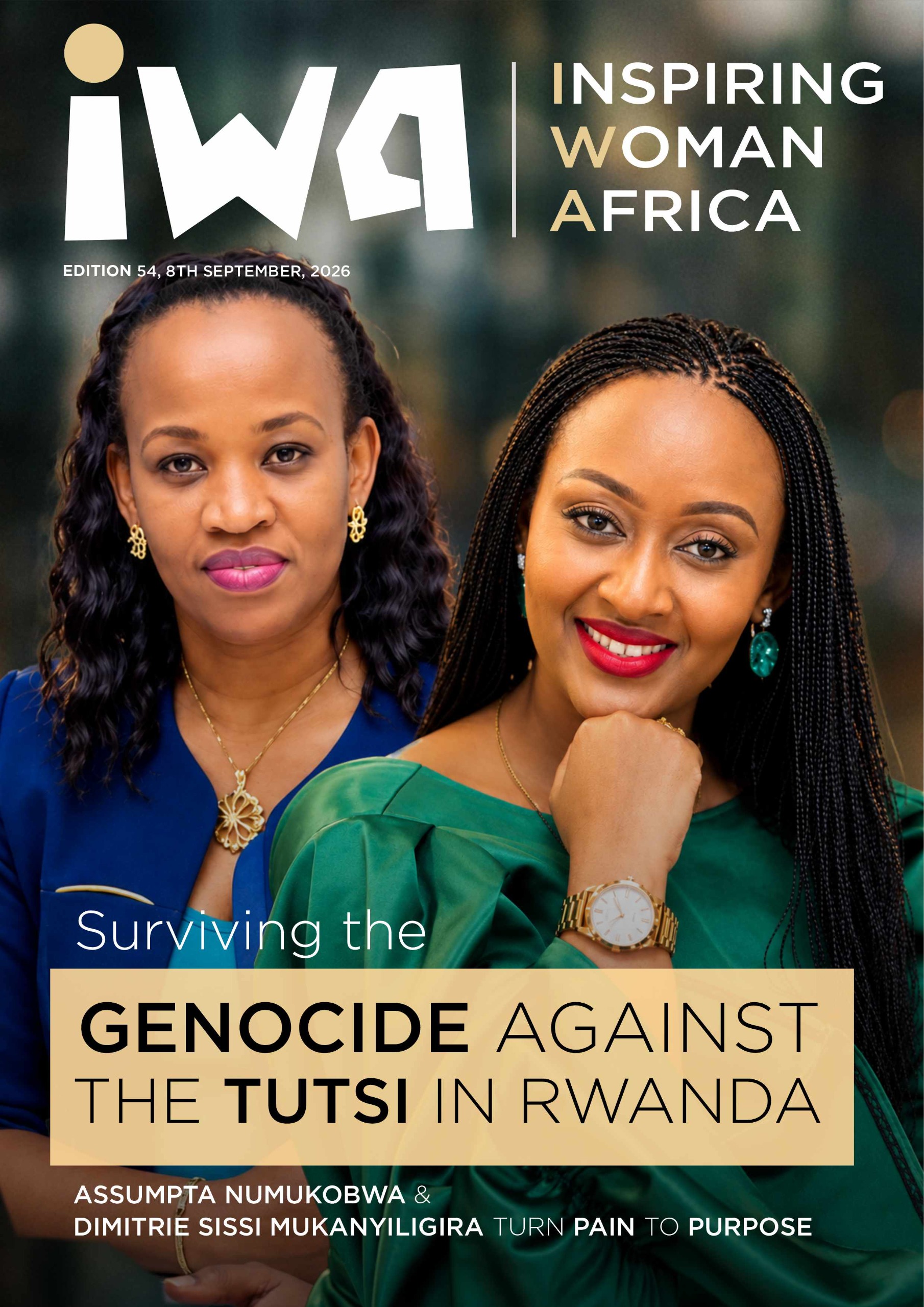
This week in our Inspiring Woman Africa (IWA) magazine, we visit our sister country, Rwanda, to share with you the stories of two women who have turned their pain to purpose despite their painful past. By painful past, we mean the 1994 Genocide Against the Tutsi in Rwanda, which was a planned mass massacre of the Tutsi people by extremist Hutu nationalists. For 100 days, April to July 1994, over 1,000,000 people were murdered.
The closest I have come to people who experienced it was the story shared with me by Dr. Monique Nsanzabaganwa, a Rwandan economist, politician, diplomat, and former vice-chairperson of the African Union Commission. She also mentioned it in her book titled SEED which was edited and published by Inspiring Woman Africa (IWA).
From all I have read about the incident and Dr. Monique’s experience, all I have done is paint a picture of what the Tutsi went through in those 100 days in my mind. This year marked the 32nd anniversary commemoration, called the Kwibuka 32. Though the genocide ended in July 1994 when the RPF military forces defeated the extremist government and took control of the capital, Kigali, memories of the genocide against the Tutsi remain. That is why we are honoured at IWA to have exclusive interviews with two female corporate executives who are survivors and have gone to become women who never allowed their experience deter their progress. Though a gruesome experience, we acknowledge their strength and survival against all odds and we are grateful to them for sharing their stories with us. They are ASSUMPTA NUMUKOBWA and DIMITRIE SISSI MUKANYILIGIRA.
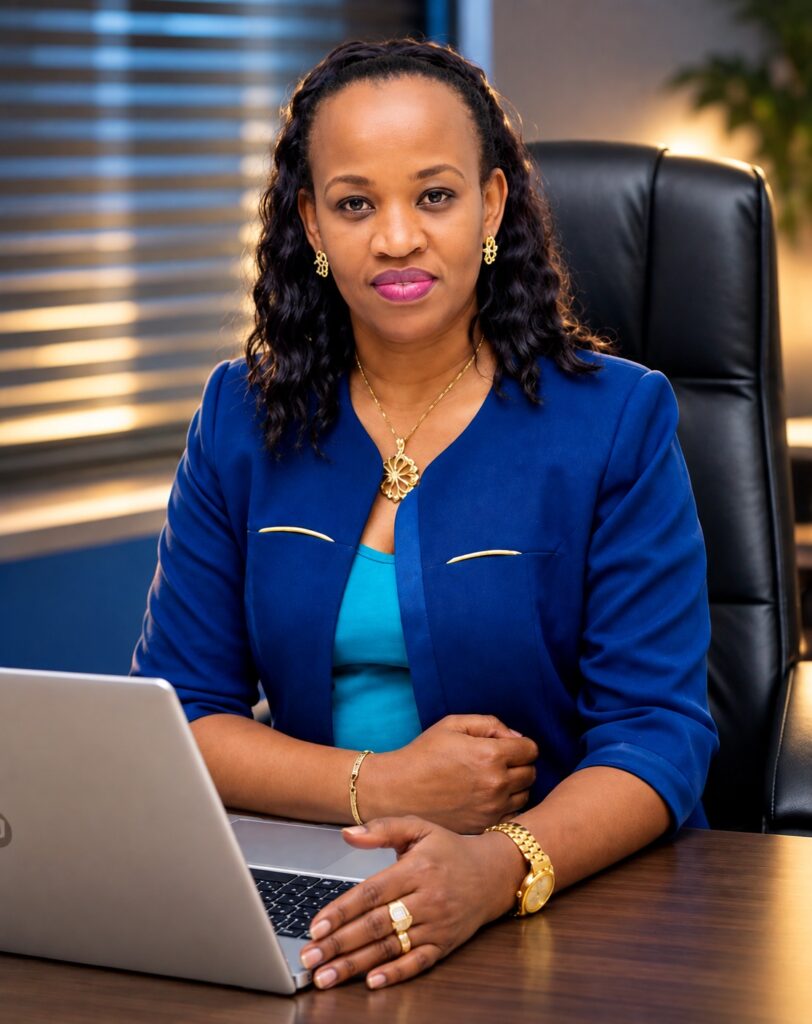
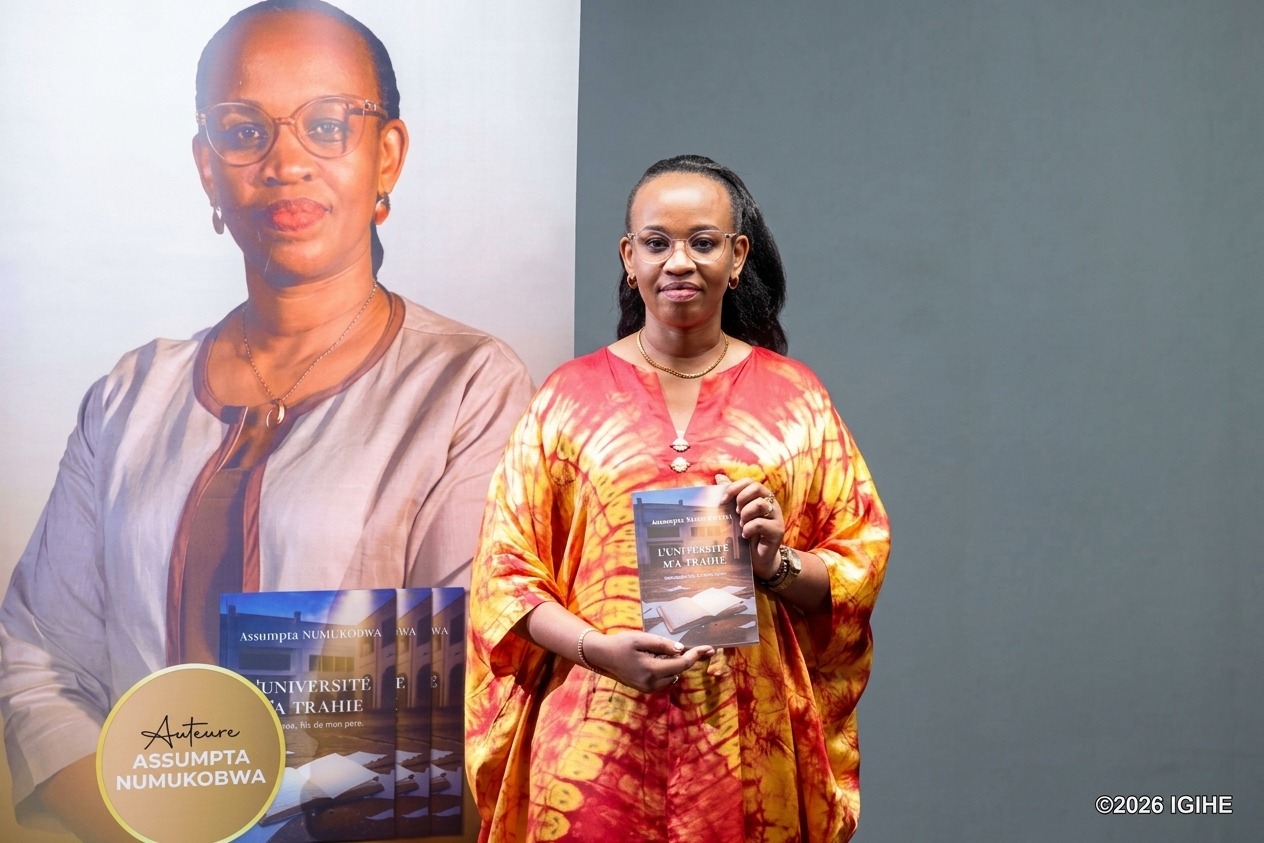
Assumpta Numukobwa
Senior Corporate Executive, Genocide Survivor, Mother and Author
Biography
Assumpta Numukobwa is a Rwandan survivor of the genocide against the Tutsi. She was a university student when the genocide began, an experience that deeply marked her life and shaped her path.
After surviving, she rebuilt her life with determination and continued my education. She has a Master’s degree in Business Administration and today works in the banking sector in a leadership position. She is also the mother of three children and actively engaged in community life, where she leads women’s groups focused on empowerment and solidarity.
Assumpta is the author of ‘The University Betrayed Me’ (L’université m’a trahie), a testimony of her journey of survival, resilience, and rebuilding.
Her life today is dedicated to contributing to her country’s development, reconciliation, and healing, while inspiring others to transform pain into strength and purpose. She is also committed to helping preserve her country’s history so that future generations can learn from it, honour its lessons, and play an active role in preventing all forms of genocide and ideologies of hatred wherever they may emerge.
My journey
My formative years were marked by both hope and profound tragedy. As a child, I grew up with dreams and aspirations like any other young person. However, the 1994 genocide against the Tutsi changed the course of my life forever. Surviving such unimaginable violence forced me to mature at a very young age and taught me the value of resilience, courage, and perseverance.
After the genocide, I faced many challenges while trying to rebuild my life, including pursuing my education and finding my place in society. Those experiences shaped my determination never to let my past define my future. They also instilled in me a deep sense of responsibility to preserve the truth and honour the memories of those who did not survive.
The greatest influence behind my book, ‘The University Betrayed Me’, was the conviction that personal testimonies matter. I wanted to document not only my own journey but also the painful realities that many survivors endured, including the betrayal, discrimination, and struggles. By sharing my story, I hope to contribute to remembrance, inspire resilience, and encourage future generations to stand against hatred, injustice, and genocide in all its forms.
My genocide experience
I was at university when the genocide against the Tutsi began. The university campus was home to both Hutu and Tutsi students, but Tutsi students were viewed with hostility. We were threatened, and we could clearly see the signs that we might be killed. Acts of aggression against Tutsi students became increasingly common, and the hatred was unmistakable.
Lists identifying Tutsi students had been prepared, making it easier for those who planned the killings to target us. April 21 marked a tragic turning point. It was the day when many Tutsi students lost their lives. I was also targeted. Interahamwe student militias forced me out of my room, beat me, and handed me over to soldiers. The soldiers then took me to the IRST forest, where many people were being killed. By the grace of God, with Inkotanyi (The Rwandan Patriotic Front) under the leadership of His Excellency Paul Kagame, the 1994 genocide against the Tutsi ended. I survived.
Lessons Learnt
The experience taught me that knowledge without human values is meaningless. As the well-known saying goes, “Science without conscience is but the ruin of the soul”. During the genocide, the killings were organised and carried out by educated people, including student members of the Interahamwe, university professors, and others who held advanced academic degrees. This taught me that neglecting humanism and moral values, even in the pursuit of knowledge and education, can lead to unimaginable tragedies.
As a survivor, I also learnt the meaning of resilience. Although I endured profound loss and trauma, I refused to let those experiences define my future. Instead, they strengthened my commitment to education, truth, memory and resilience.
Writing ‘The University betrayed me’ was part of that journey. I wanted to bear witness to what happened, to honour the memory of those who did not survive, and to help ensure that future generations understand the consequences of hatred and the importance of protecting human dignity.
The most important lesson I have learnt is that remembrance is not only about the past, it is also about our responsibility today to reject hatred, defend truth, and build a society where every person is valued regardless of their identity.
Living and inspiring others
Today, I work in the banking sector in a leadership position, and I am the proud mother of three children. I also lead several women’s groups in my community and am the author of ‘The University Betrayed Me’.
My life has changed because my country has changed. Rwanda has become a country of peace, reconciliation, forgiveness, and justice. I wanted to contribute to that transformation by playing my part in rebuilding our nation and promoting resilience. I hope to inspire others by showing that, as long as we are alive, there is always hope. We can transform our pain into strength, humility, and generosity. We can honour the memory of those we lost by living meaningful lives and making them proud through our actions.
Words of encouragement for genocide survivors
To everyone who lived through the genocide against the Tutsi, I want to say this: never lose hope. Our past does not have to define our future. Healing takes time, but it is possible. Let us honour those we lost by living with courage, dignity, and purpose, and by continuing to build a future of peace for the next generation.
Message to Africa
Africa must remember its history honestly, learn from its past, and reject all forms of division and hatred. It must invest in education, justice, and strong institutions that protect human dignity. Going forward, Africa’s strength will come from unity, reconciliation, and the commitment to build peaceful and inclusive societies for all.
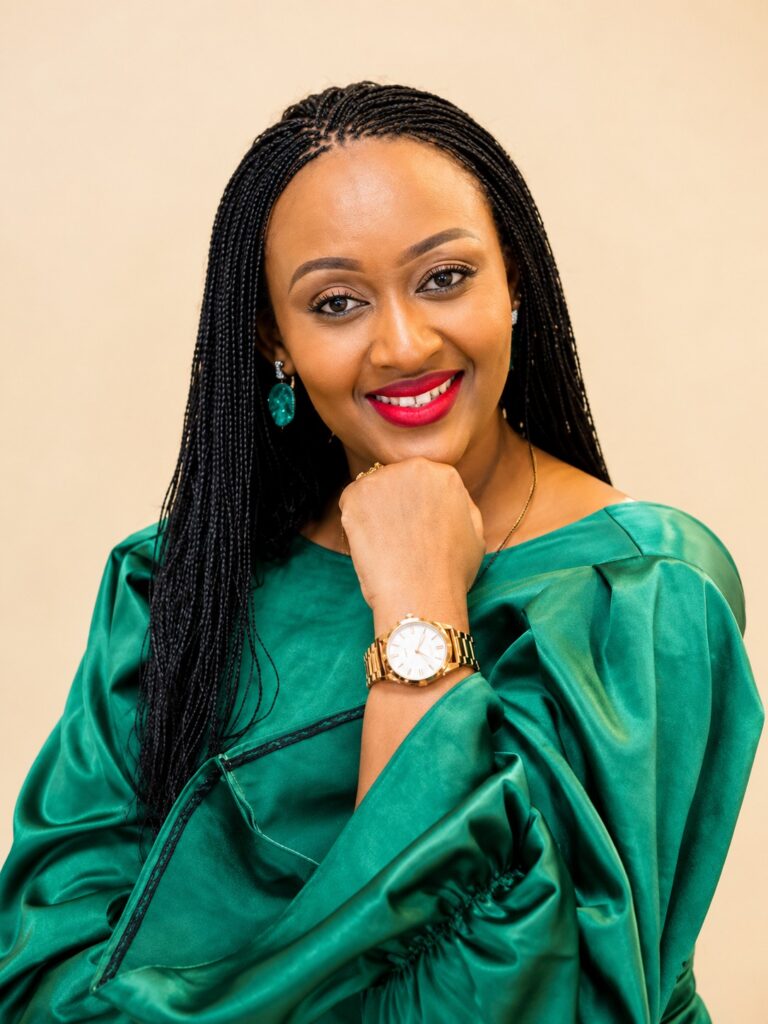
Dimitrie Sissi Mukanyiligira
Experienced Executive, Genocide Survivor, Mother, PhD Student and Author
Biography
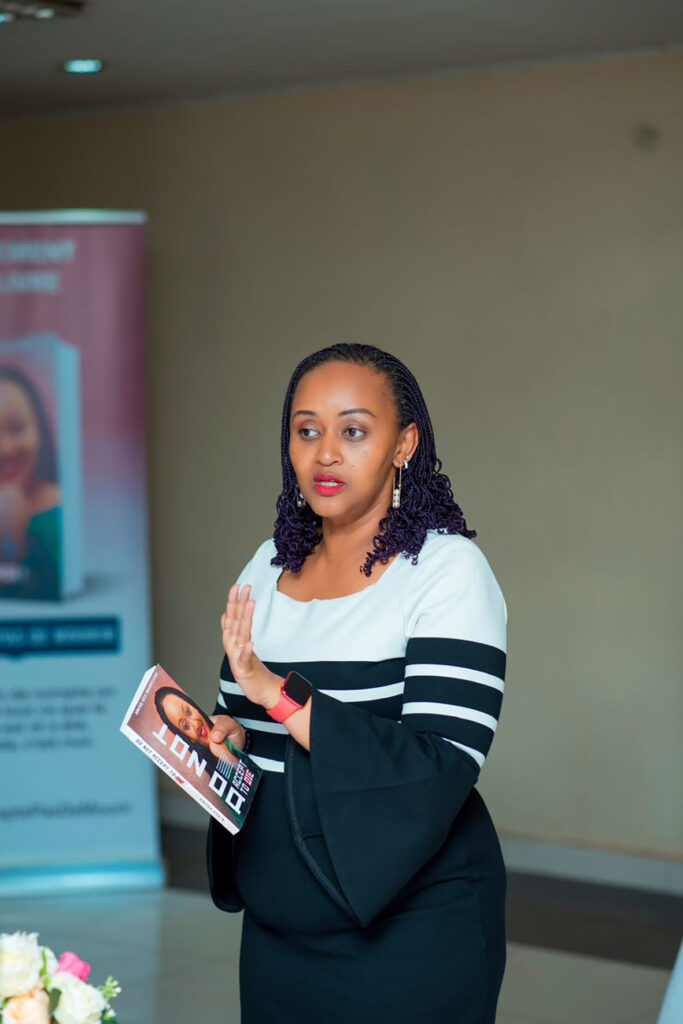
Dimitrie Sissi Mukanyiligira is the Rwandan Author of ‘Do Not Accept To Die’, a genocide survivor and a motivational speaker. She is currently working as a Researcher and PhD Student at the University of Vienna, Austria.
She holds a Masters of Business Administration (MBA) in Project Management from the Oklahoma Christian University and a MSc. in Gender and Development from the University of Rwanda. She has worked in international development mainly at the World Bank in Rwanda for the last 20 years.
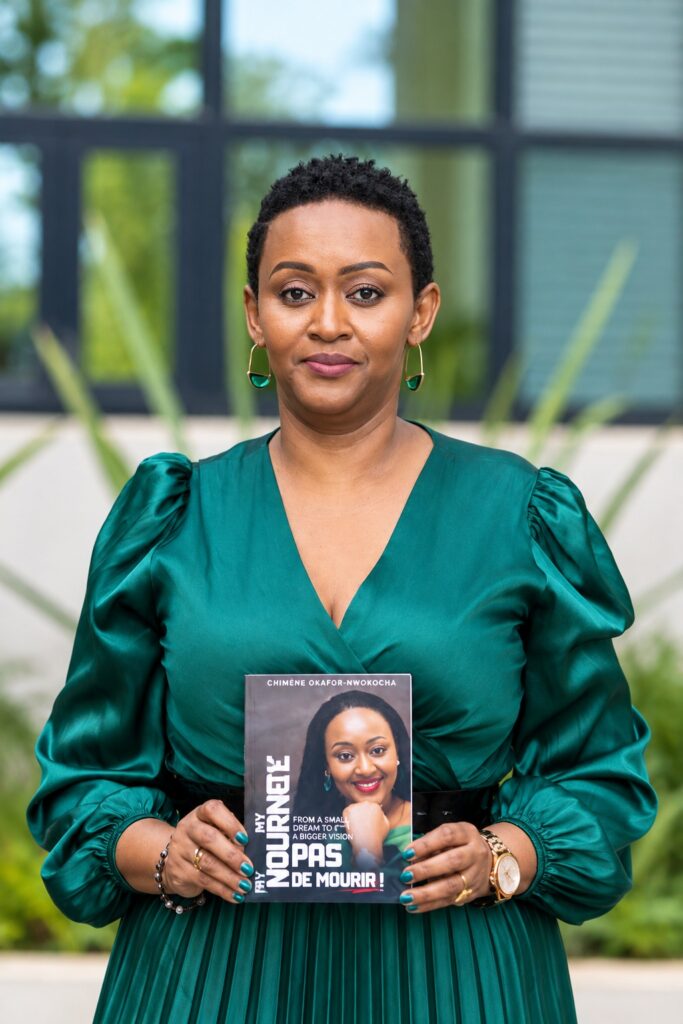
Her book was published in April 2022 in English and in French version as ‘N’Accepte Pas De Mourir’ in April 2023. The German version is called “Akzeptiere Einfacht Nicht, Zu Sterben” and was published in April 2024. Dimitrie’s book is a memoir and a biography of her life including how she survived the Genocide against Tutsi in Rwanda in 1994. She was 22 years by then. She also founded ‘LiveOnFoundation’ as a response to the profound needs in Rwandan society for trauma recovery through storytelling, mental health awareness, and youth empowerment.
She is one of the Founding Members of Ibuka organisation, an Umbrella of Genocide Survivors Associations and remains an active member of several genocide survivors’ groups and initiatives in Rwanda and abroad.
Dimitrie is also a member of Rotary Club International and Graduate Women International (GWI).
In her free time, this mother of 5 enjoys music and dancing, sports and reading. She also enjoys having motivational and coaching sessions with different people especially youths with a particular accent to Girl’s education and empowerment. Dimitrie also sings in a catholic church choir.
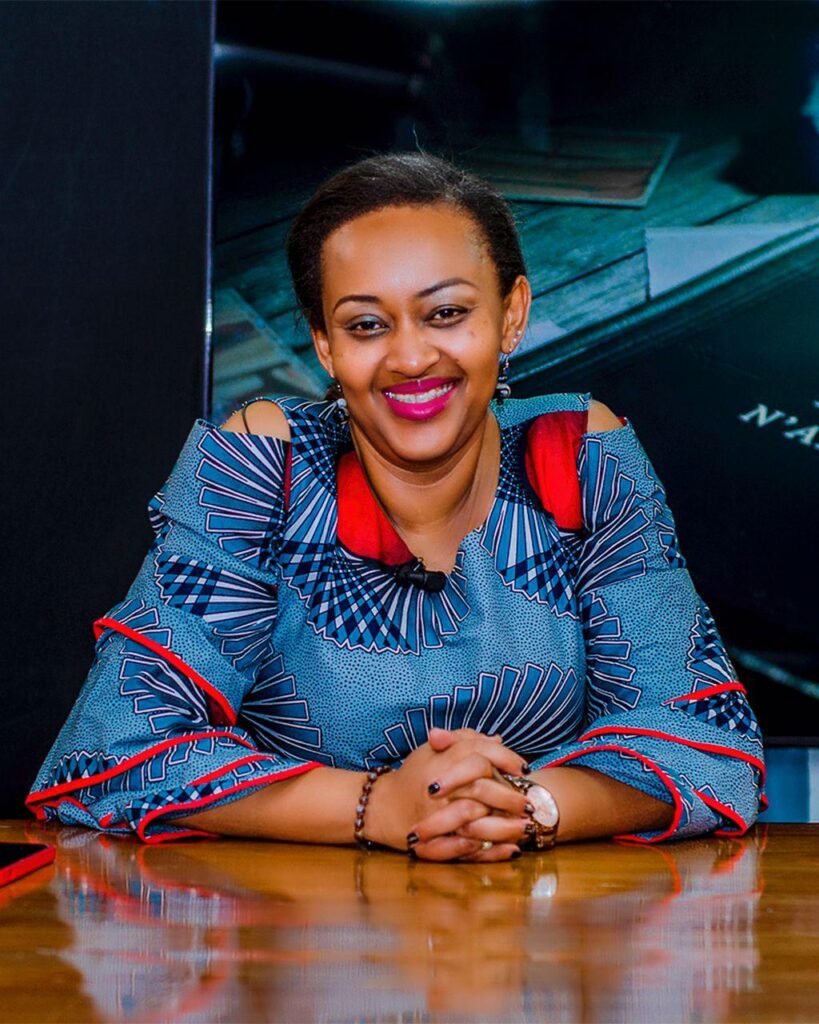
My Journey
I grew up in a small semi-rural village where my parents worked as farmers. With very limited formal education, they could only read, write, and count at a basic level. Because of the ethnic discrimination they faced, their opportunities were restricted, affecting their access to education, employment, and even freedom of movement. As a result, they placed a strong emphasis on education for their children, seeing it as the path to a better future. That perspective deeply influenced me. Education became more than a requirement; it became my passion and my primary goal. Despite ongoing challenges, including discrimination at school, I remained committed to my studies. My parents consistently encouraged me to persevere and believed in my potential, which gave me a strong sense of confidence and resilience. From an early age, I understood that discipline, hard work, focus, and values such as integrity, respect, and determination would be key to shaping my future. I adopted a simple but powerful mindset: if you can envision a broader horizon, you can reach it.
My genocide experience
I was 22 years old when the genocide against the Tutsi in Rwanda began; a young woman full of life, joy, and energy, on the verge of completing high school and stepping into a new chapter of my life. Instead, I was drawn into the horror of genocide, experiencing it in every moment and every aspect of my existence. I moved from one place of hiding to another; starting in dense bushes where I survived by eating grass, then to Kigali Central Hospital (CHUK), and finally to Sainte Famille Church. Along the way, I endured extreme hunger, thirst, cold nights, relentless rain, and the constant sounds of screams and grief as people were killed before my eyes.
I witnessed death in its most immediate and brutal form; I smelled it, touched it, and felt its presence closing in on me every day. In the tears of children and mothers who were murdered, I felt as though I was dying alongside them. I was beaten and left unconscious. I was tortured and eventually thrown into a hospital mortuary filled with bodies, left there to suffocate and die. Miraculously, I survived.
The genocide took a devastating toll on my family. I lost my sister, my brothers, and a large part of my extended family. As I recount in my book, Do Not Accept To Die, approximately 208 members of my extended family were killed, all slaughtered during the genocide against the Tutsi. These experiences have marked me forever, shaping both my resilience and my purpose.
Lessons learnt
The experience of the genocide taught me lessons that no one should ever have to learn in such a way, but which have profoundly shaped who I am today.
First, I learnt the fragility of life and the importance of every single human being. I witnessed how quickly hatred, when left unchecked, can destroy families, communities, and an entire nation, as well as the future. It showed me that indifference and silence in the face of injustice can have devastating consequences.
At the same time, I discovered how every day is to cherish and live fully considering that it can be the last one of one’s life. This experience reminded me that life is the most precious gift we have and we should protect it and enjoy it fully. Since then, I took life very amply and enjoy it every single day. In addition, I discovered the strength of the human spirit. Despite everything I endured—the fear, the loss, the suffering—I survived. That survival was not just physical; it became a conscious choice to live, to rebuild, and to give meaning to what I went through and purpose to what I was left to accomplish.
This experience also taught me the power of values. The discipline, resilience, and integrity that my parents instilled in me became my anchor. They helped me not only to endure but to rise beyond what could have defined me as only a victim. What I believe people need to hear is this: hatred is taught, but so is compassion. We all have a responsibility to choose humanity, to stand up against discrimination in all its forms, and to never normalise injustice, no matter how small it may seem at first.
Living and inspiring others
I also want people to understand that even after the darkest moments, it is possible to rebuild, to find purpose, and to transform pain into strength. My life is a testament to that. Ultimately, my message is one of responsibility and hope: if we protect human dignity, educate future generations, and have the courage to speak out, we can prevent such tragedies from happening again.
Today, I am a survivor, a voice, and a woman guided by a strong sense of purpose. My life has undergone a profound transformation—from a young girl whose future was almost taken away, to someone who made a deliberate choice to live, rebuild, and find meaning in the face of unimaginable loss.
The genocide did more than alter the direction of my life; it reshaped how I see it. I no longer take anything for granted. Every opportunity, every accomplishment, and every moment of peace holds deeper significance. I have rebuilt myself step by step, anchored in resilience, discipline, and a deep commitment to honoring those who were lost.
What defines me today is not only what I endured, but what I chose to become afterward. I refused to be defined solely by pain. Instead, I turned that pain into purpose.
I returned to school and earned a bachelor’s degree, followed by two master’s degrees, and I am currently pursuing a PhD at the University of Vienna in Austria. I also built a family and I am now a proud mother of five wonderful children who are responsible and compassionate individuals. In my village, I invested in real estate and developed a beautiful garden on my family’s land for weddings and events—a place where love and life are celebrated instead of sorrow. Professionally, I have built a fulfilling career, beginning with eight years at the United Nations Development Programme (UNDP), followed by twenty years at the World Bank office in Rwanda.
I inspire others by sharing my story with honesty and openness, including through my book, Do Not Accept To Die. Through speaking engagements, mentorship, and community involvement, I encourage people to value life, stand against injustice, believe in their strength to overcome adversity, and never give up. Since publishing my memoir, I have continued to support and inspire fellow survivors, and to date, three books have been published.
My journey demonstrates that even in the darkest circumstances, it is possible to rebuild, to live a meaningful life, and to become a source of strength for others. I strive to show that resilience, hope, and purpose can rise even from the deepest suffering.
Words of encouragement for genocide survivors
To everyone who experienced the genocide, I want to say this:
You are still here, and that matters. Your life has value, your story has meaning, and your presence in this world is a testament to strength beyond words. What you went through is unimaginable, and yet you found a way to continue, one day at a time.
There may be moments when the pain feels overwhelming, when memories return, or when loss feels too heavy to carry. In those moments, remember that healing is not a straight path. It takes time, patience, and compassion toward yourself.
You are not defined only by what happened to you. You are also defined by your courage, your resilience, and your ability to rise again. Even in brokenness, there is strength. Even after loss, there can be purpose.
Allow yourself to live, not just to survive. Allow yourself to find moments of peace, of joy, and of hope; without guilt. Choosing to live fully is not forgetting, it is honouring those we lost by continuing the life they were denied. And above all, know that you are not alone. Your voice matters, your journey matters, and together, through remembrance, dignity, and unity, we can continue to rebuild and inspire future generations.
There is life after tragedy, light after darkness and strength within you that nothing can take away.
Message to Africa
Africa must remember, first and foremost, that the value of human life is a non-negotiable right. No identity (ethnic, political, or social) should ever be used to divide people to the point of violence. What happened in Rwanda is a painful reminder of how quickly division, when fueled and manipulated, can lead to unimaginable destruction.
Africa must learn that hatred is not born; it is taught, nurtured, and allowed to grow in silence. This means that education is critical and, not only formal education, but also education in values such as unity, tolerance, respect, critical thinking, and shared humanity. Young generations must be taught to question division and to reject narratives that dehumanise others.
There must also be a collective commitment to accountability and courage. Leaders, communities, and individuals alike must speak out early against discrimination, injustice, and exclusion. Silence and indifference create space for violence to grow.
At the same time, Africa must invest in healing and reconciliation. True progress is not only economic or political, it is also social and emotional. Societies must create space for truth, remembrance, and dialogue, so that wounds are acknowledged and not buried.
Going forward, Africa must choose unity over division, humanity over hatred, and responsibility over silence. It must build systems and cultures that protect dignity, promote inclusion, and ensure that every person feels seen, safe, valued, and protected.
My hope is that the lessons of the past become a foundation for a different future, one where such tragedies are not only remembered but never again repeated.