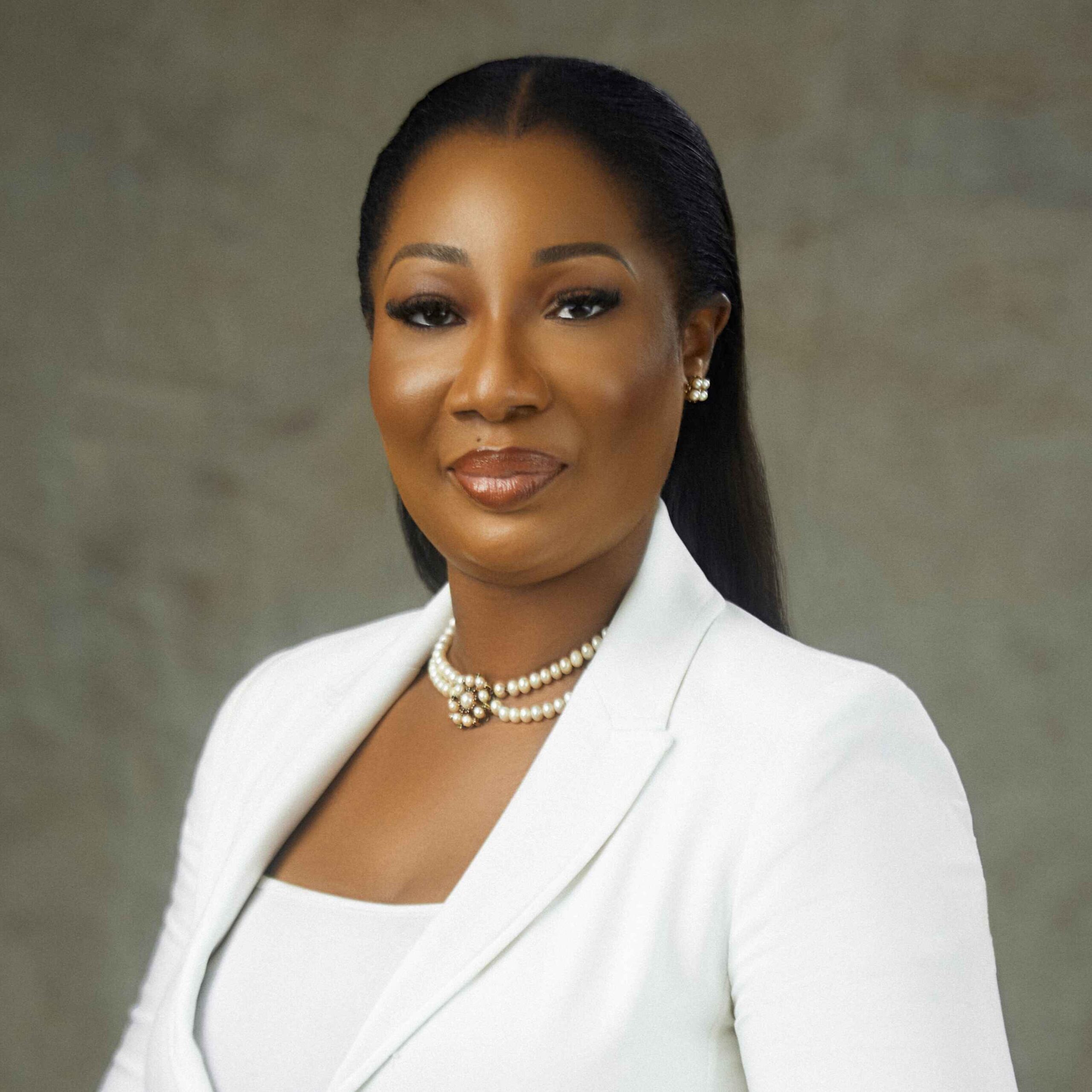
 Wola Joseph-Condotti
We talk about the energy transition as though it were mainly a technology story.
Solar panels. Battery storage. Hydrogen. Grids getting smarter, turbines getting bigger, costs coming down. And all of that is real, and all of it matters. I have spent years of my life close to it.
But I have come to believe the technology is the easier half of this. The harder half, the half almost nobody is discussing honestly, is that the energy transition is also a leadership transition. It is asking something of executives that our training did not prepare us for. It is not just changing how we power things. It is changing how we are being asked to think.
And that shift is uncomfortable, because it goes against instincts many of us built our whole careers on.
From Extraction to Stewardship
The energy world I entered rewarded one thing above all others. Extraction. Get it out of the ground, move it, sell it, and do it faster than the next person. That was the logic, and it was not evil. It built economies. It lifted people. It kept lights on that would otherwise have stayed dark.
But it was a logic of taking. And the transition is quietly asking us to lead from a different one. A logic of stewardship.
Stewardship asks a different question. Not just what can I get out of this, but what am I responsible for leaving behind.Not just this quarter’s output, but the state of the thing I am handing on. That is not a small adjustment. For a lot of leaders, it is close to a conversion, because it asks you to measure success by something other than what you personally extracted on your watch.
From Scarcity to Abundance
There is a mindset that has shaped African leadership for generations, and I understand exactly where it came from. The mindset of scarcity.
When you have lived through not-enough, you learn to grab, to hoard, to protect your corner, because you have seen what happens when you do not. It is not greed. It is memory. It is a completely rational response to real deprivation.
But here is what is remarkable about the energy transition, particularly for us. The resource at the centre of it is not scarce here. We are not short of sun. We are not short of wind. We are not short of young people or land or potential. For possibly the first time in our energy history, the fundamental input is abundant, and it is ours.
Leading from abundance rather than scarcity is a genuine shift. It means building for many rather than defending for few. It means we can stop fighting over a small pie and start baking a much larger one. But you cannot lead people into abundance while you are still, in your own head, hoarding against scarcity. The mindset has to move first.
From Short-Term to Generational
Most of the incentives we operate under are short. Quarterly results. Annual targets. The tenure of whoever currently holds the office.
But energy infrastructure does not think in quarters. A plant, a grid, a transmission network, these are decisions that outlive the people who make them by decades. You are quite literally building for people you will never meet.
That requires a kind of leadership that is almost countercultural now. Generational thinking. The willingness to plant trees whose shade you will never sit under. To make a decision that costs you today so that someone unborn benefits tomorrow. It is the opposite of the short-termism the market trains into us, and the transition simply cannot be led well without it.
Africa Cannot Import This Future
Here is the part I feel most strongly about.
We imported our energy past. The technology, the models, the financing structures, the assumptions, much of it was designed elsewhere and brought here, and it often did not fit. We are still living with the consequences of solutions built for other people’s contexts.
We cannot afford to import our energy future the same way.
The transition, done well, is a chance to build something genuinely ours. Powered by our resources, designed for our realities, led by people who actually understand the ground. But that only happens if African leaders step up to lead it, rather than waiting, again, for a finished answer to arrive from somewhere else in a shipping container.
Who leads this will decide who we become. That is not an exaggeration. It is the whole thing.
A Word From Scripture
In the very first pages of Genesis, humanity is placed in a garden and given a single instruction. To tend it and to keep it.
Not to strip it. Not to use it up and move on. To tend and to keep. To leave it, in effect, better than we found it.
That was the original assignment, and I do not think it has changed. It is, when you look closely, the oldest definition of stewardship we have. And it is exactly the posture this moment is asking of us.
Final Thoughts
If you lead anywhere in or near this sector, understand what is really being asked of you. It is not only that you learn new technology, though you will, it is that you lead from a different place.
From stewardship, not extraction. From abundance, not scarcity. From this quarter, to the next generation.
The transition will change our energy. But first, it has to change us. The leaders who understand that, and are willing to be changed by it, are the ones who will build the Africa the rest of us are still only hoping for.
Let us be those leaders
About Author
Wola Joseph-Condotti
Wola Joseph-Condotti is the CEO, Eko Power Limited. She is a Harvard-trained lawyer and passionate advocate for faith-driven leadership, gender equity, and energy transition in Africa. She writes from the intersection of power, purpose, and personal growth.
The IWA Series 15 Conference is Here
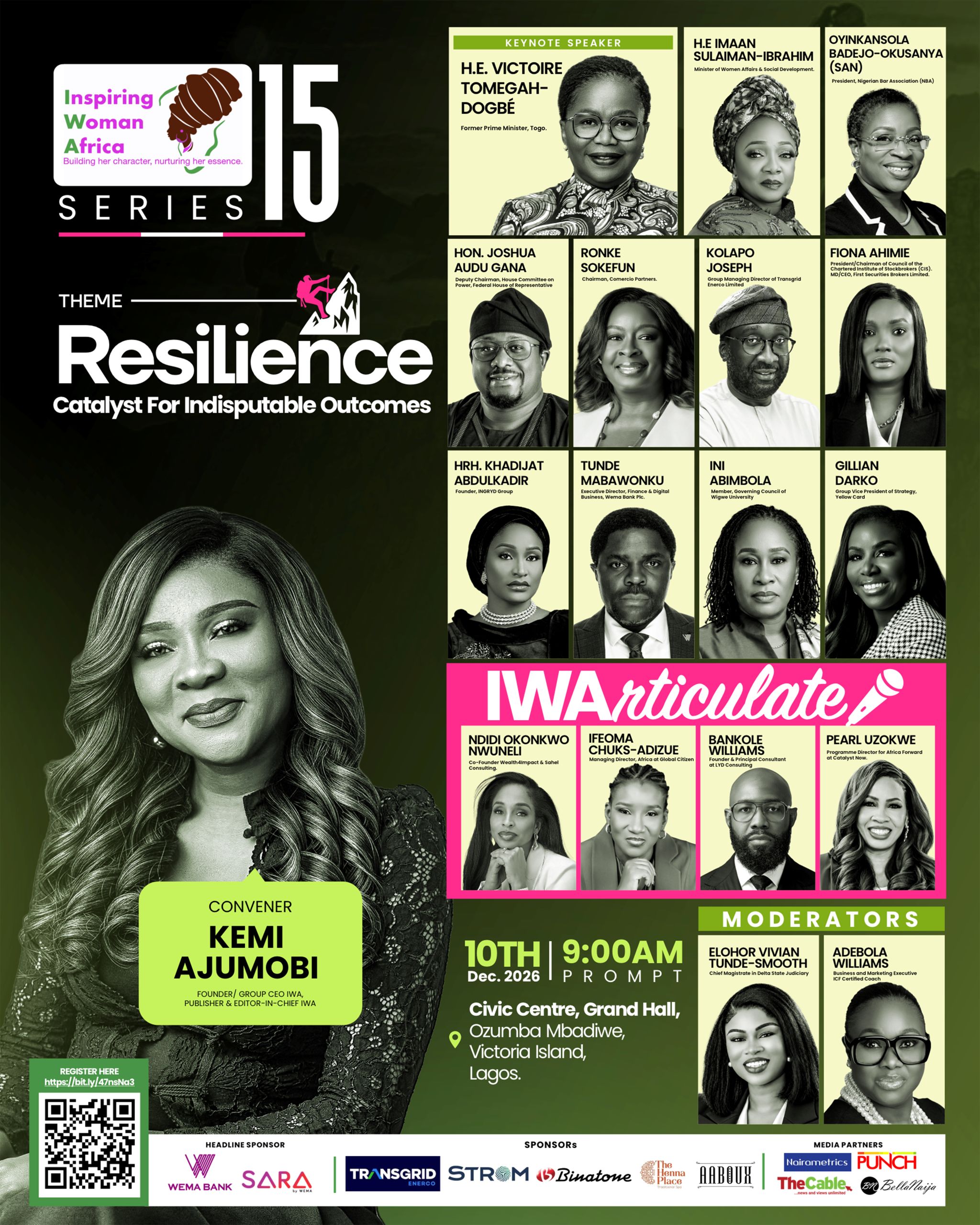
Click To Register
Latest Edition of IWA Magazine
October 20, 2026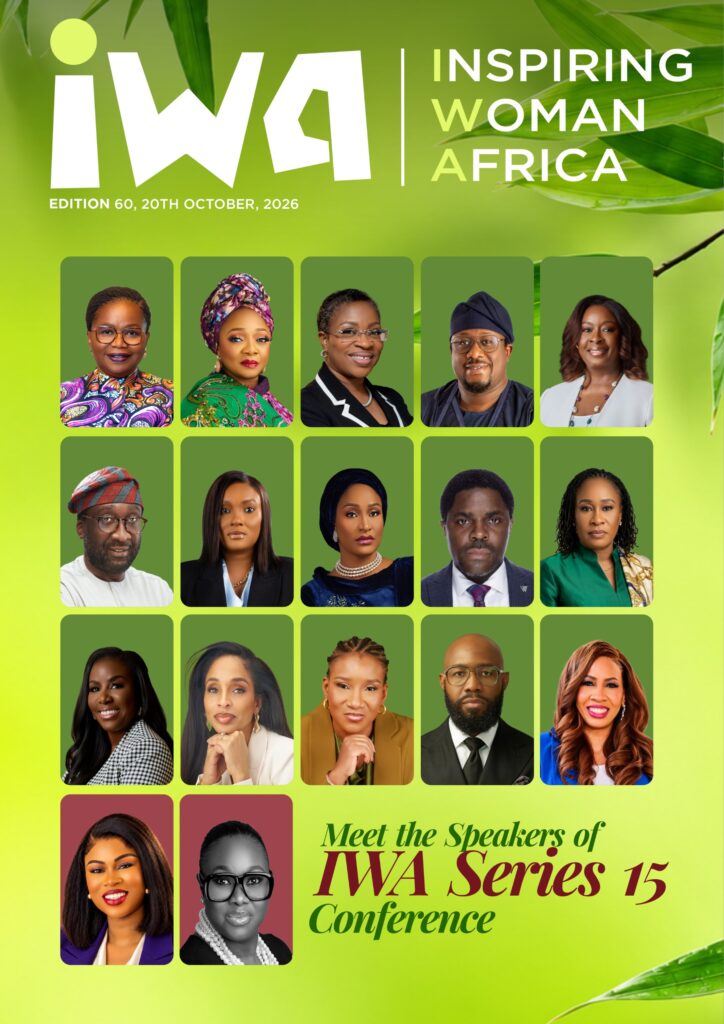
Meet the Speakers of IWA Series 15 Conference
Latest Posts
-
 Oct 20, 2026 Hard Conversations: The Skill No One Puts on a CV
 -
 Oct 20, 2026 5 Africa Women Listed as 2026 Forbes Icons
 -
 Oct 20, 2026 You Are Wealthier Than You Think