 Kemi Ajumobi
The Nigeria I want
By Dr Jumoke Oduwole, MFR Honourable Minister of Industry, Trade and Investment
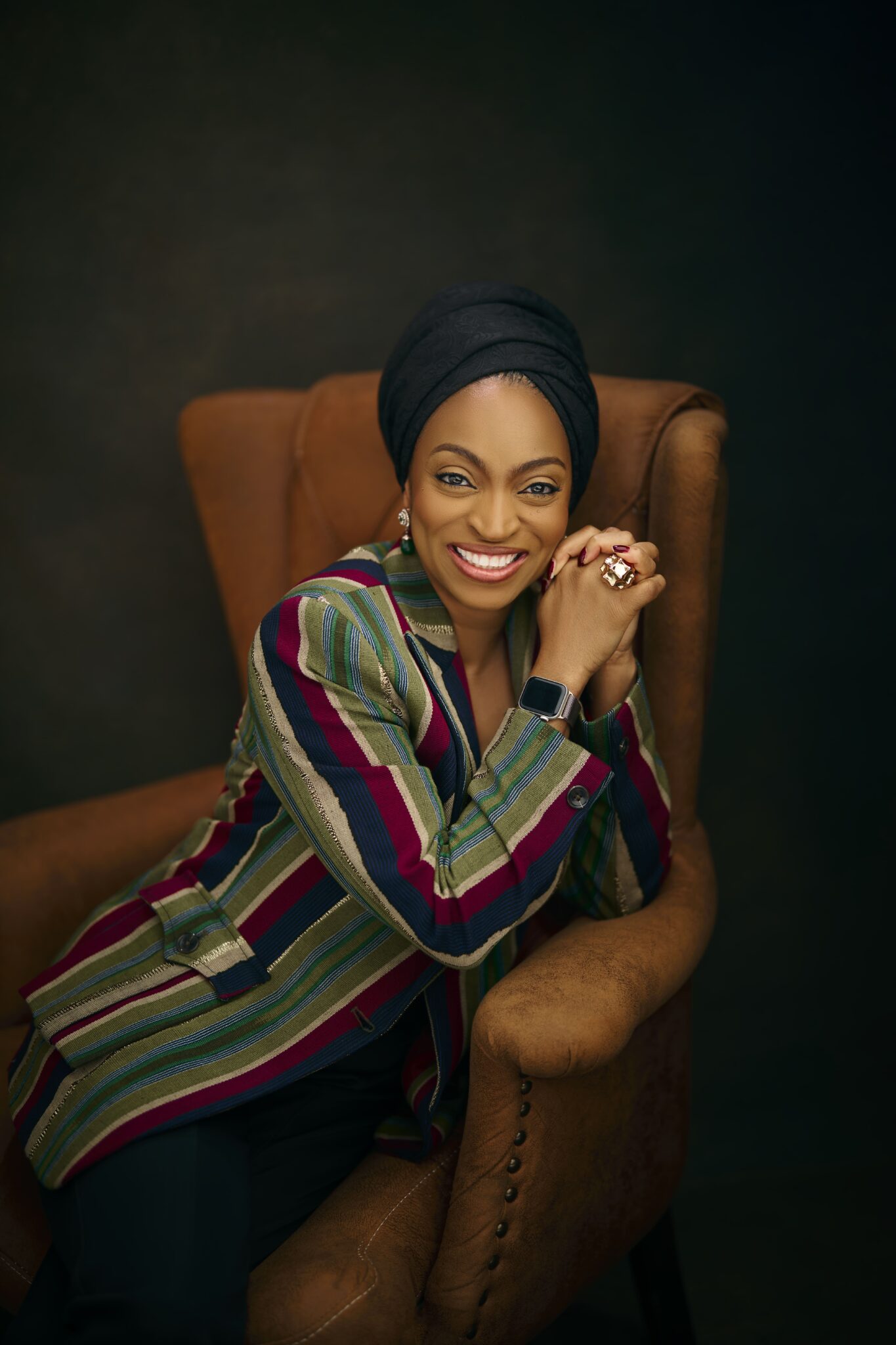
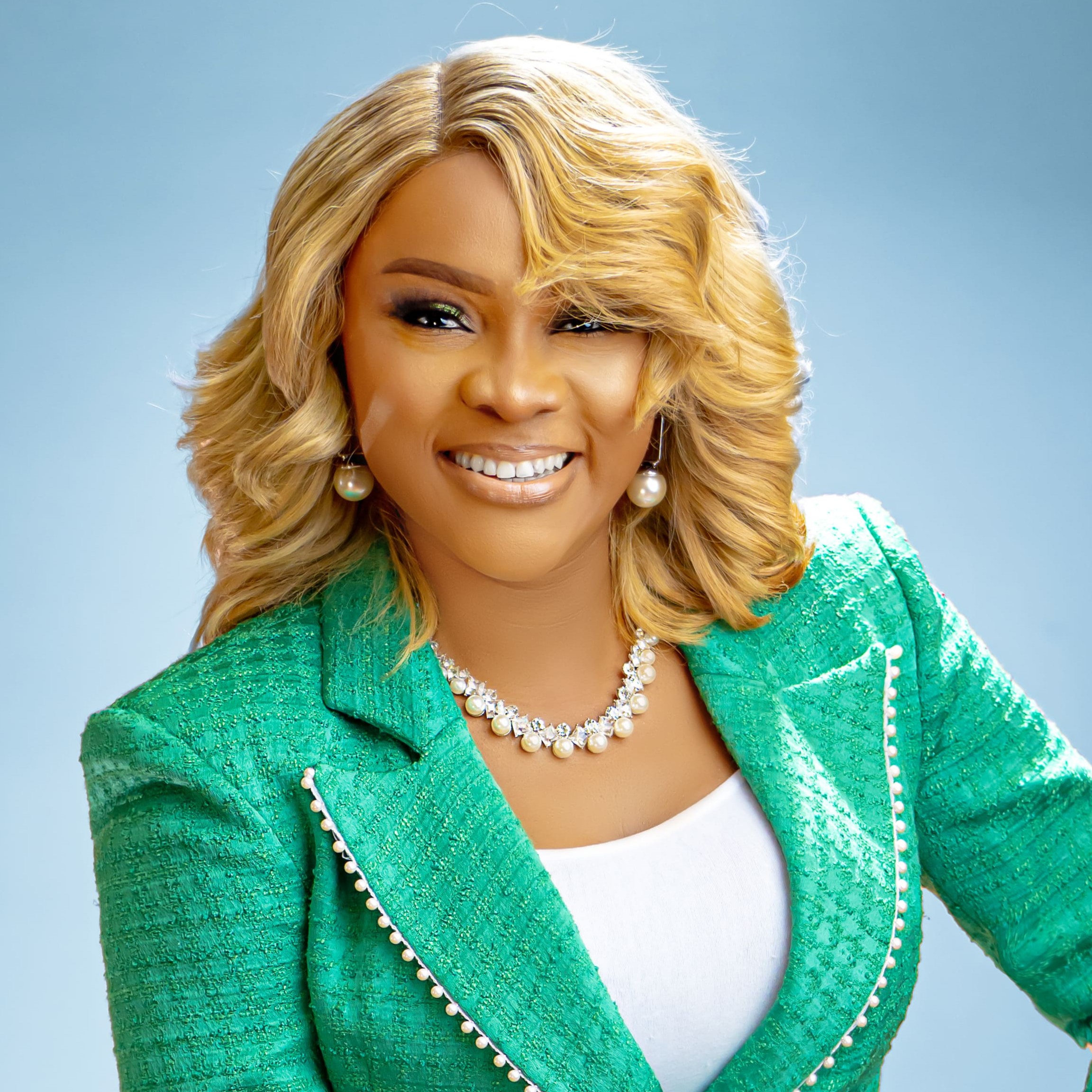
The Nigeria I want is a country where the promise of our people is matched by the opportunities available to them; where hard work is rewarded, enterprise is encouraged, and every Nigerian, regardless of where they come from, has a fair opportunity to thrive.
As we celebrate our Independence, I am reminded that nation-building is not a destination we arrive at, but a responsibility we must continually embrace. The Nigeria we desire will not emerge by chance. It will be built through deliberate choices, sound policies, strong institutions, and the collective commitment of our people.
The Nigeria I want is one that produces, creates, innovates, and competes confidently in the global economy. A Nigeria where our industries are thriving, our small businesses are growing, our young people are gainfully employed, and our women have the resources, opportunities, and platforms to fully participate in our economic transformation.
Nigeria’s industrial and trade potential must translate into productive capacity, competitive enterprises and jobs at scale. This requires a business environment that enables Nigerian businesses to expand, attracts investment into priority sectors, strengthens local value chains and positions our products and services to compete in regional and global markets. Through initiatives such as the African Continental Free Trade Area (AfCFTA) and our broader trade and investment partnerships, we are working to connect Nigeria’s productive capacity to wider markets, deepen our participation in global value chains and ensure that trade and industrial growth deliver measurable economic opportunities for Nigerians.
But the Nigeria I want is about more than economic growth. It is a country where institutions work, where the rule of law is respected, where public service is defined by integrity and measurable results, and where citizens can trust that their contributions are helping to build a better future.
I want a Nigeria where women are not merely celebrated during commemorative occasions but are meaningfully represented in decision-making, leadership, enterprise, and national development. Where the circumstances of one’s birth do not determine the limits of one’s ambition.
Above all, I want a Nigeria where our diversity is a source of strength, our differences do not diminish our shared identity, and our young people believe that their future can be built here at home.
This Nigeria is possible. We have the people, the creativity, the resources, and the resilience. What we must continue to strengthen is our collective resolve to turn these assets into tangible progress.
As we mark another Independence anniversary, my prayer is that each of us will see nation-building as a shared responsibility. In our homes, workplaces, businesses, and communities, we all have a role to play.
The Nigeria I want is one we must build together, a productive, inclusive, prosperous, and globally competitive nation where opportunity is real and the promise of Nigeria is fulfilled for every citizen.
Happy 66th Independence, Nigeria.
NIGERIA MY COUNTRY, HAPPY 66TH Independence
Imaan Sulaiman-Ibrahim
Minister of Women Affairs and Social Development
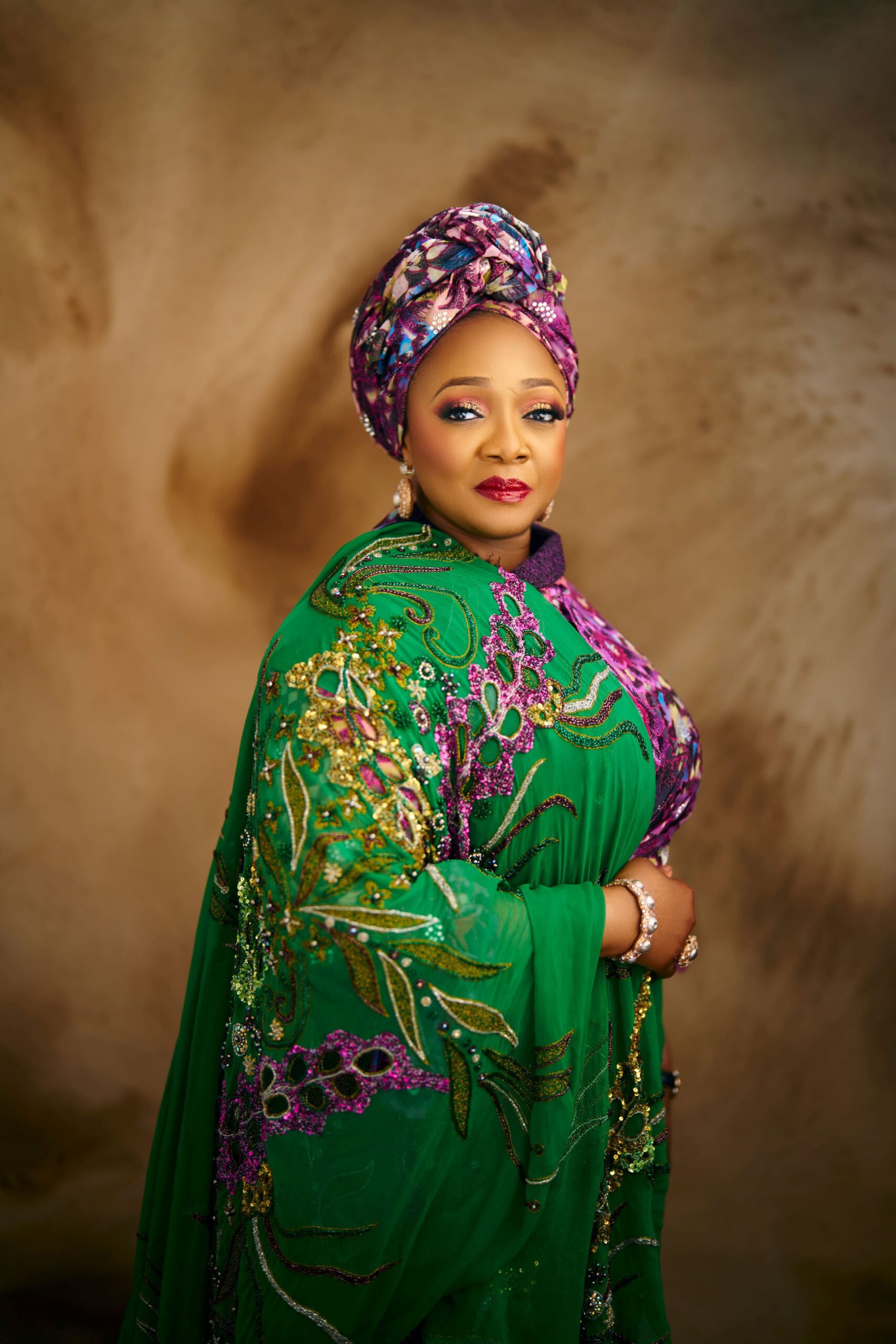
Nigeria became independent 66 years ago, and it marked the birth of our responsibility to build. As the Hon. Minister of Women Affairs and Social Development, I celebrate our dear country. I celebrate our opportunity to shape our own future, express our values, and the privilege to serve Nigeria with strength and dignity.
I am glad we are celebrating our 66th independence but it goes beyond celebration. I want a Nigeria where more women speak up and participate in the electoral process. A Nigeria where women come together to build together and nurture together. A Nigeria where women are bold to hold key positions as their contribution to national development.
I want to always see a Nigeria where women and youth are empowered to do great things their generations will be grateful for. Education is the right of every child and not a privilege. Our girls must go to school and finish well so they can become the leaders of tomorrow.
As diverse as we are as a nation, unity must also be our watchword regardless of religion, ethnicity, and heritage. Nigeria will always be home for us all. We are all we have and we must protect who we are and what we have, collectively.
As we celebrate 66years of independence, let’s collectively agree to be committed to hard work, peace and patriotism. Let us honour those who fought for our independence by bringing honour to our motherland in what we do and wherever we go.
This is the Nigeria I want: A place where the citizens are unhindered, just, safe, industrious, patriotic and peaceful. Together we all can. Love will always lead the way. Happy 66th Independence Day, Nigeria my great country!
The Nigeria I Want Is One Where Every Life Matters
Boma Alabi, OON, SAN
Senior Partner of Primera Africa Legal (PAL).
Chairman of Shipping Association of Nigeria.
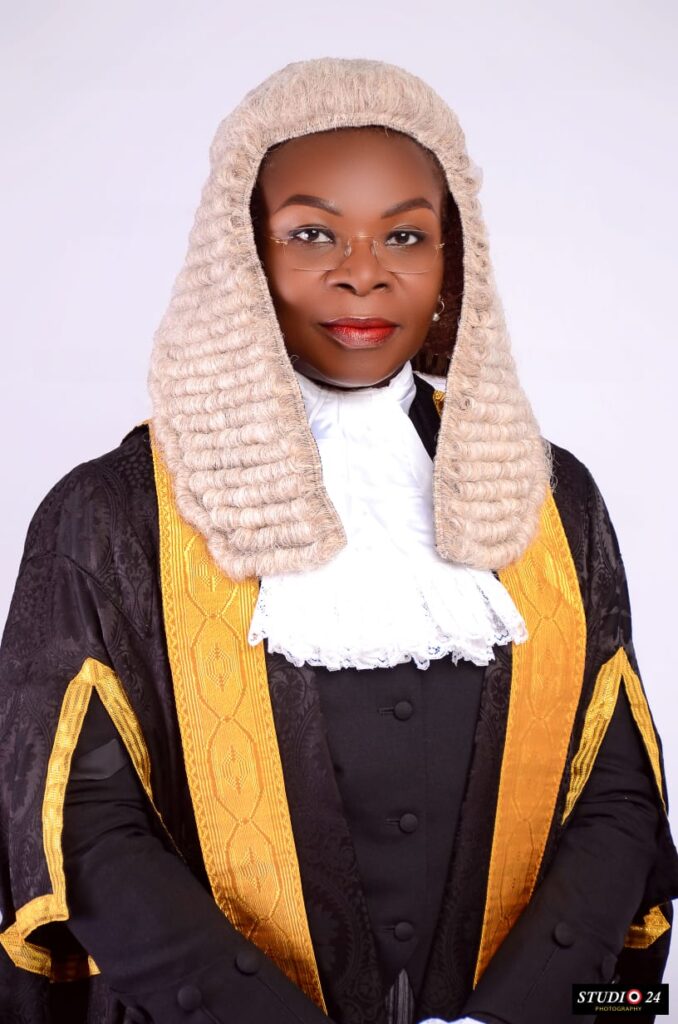
The Nigeria I want is one where every life matters. We seem to be becoming a country where a person’s life and value is determined by income, social status or class. That should never be the case. Every Nigerian life should be treated as precious and worthy of protection.
I want to see a country where people do not die from preventable diseases because they lack access to clean water, vaccinations, basic healthcare facilities or the financial means to seek medical treatment when emergencies arise.
The gap between the rich and the poor continues to widen, and the reality is that the majority of Nigerians are struggling to make ends meet. Many people can barely afford transportation to and from work, let alone food, utilities, healthcare and housing. This is deeply concerning. That is not acceptable. No nation can truly prosper when such a large percentage of its population is living below the poverty line and unable to meet basic needs.
The way forward is economic progress. This means that ordinary workers are able to live with dignity. I want a Nigeria where a soldier, a police officer, a teacher, a young lawyer or a journalist can work honestly and, at the end of the month, earn enough to cover necessities while still having something left for savings and leisure.
People who contribute to society through their professions should be able to enjoy a decent standard of living. Unfortunately, that is not the reality for many Nigerians today.
I am burdened about gender equality and wonder when it would truly materialise in every sense of the word. I would like to see Nigeria completely abandon patriarchal attitudes that place one gender above another. Men and women are human beings first and foremost. Neither gender is superior to the other.
The truth is that men and women need each other. We are equal in worth, although different in our experiences and contributions. The sooner our society recognises this reality, the sooner we will unlock the full potential of half of our population and create a more prosperous nation.
I want a Nigeria free from gender-based violence. Gender-based violence should become a thing of the past. It should never be tolerated, excused or defended as culture or tradition.
We must call it what it is: a violation of human rights. It should be condemned at every level of society, and victims should be protected and supported. No one should live in fear because of their gender.
The societal attitudes toward women must change. I would like to see a Nigeria where a woman’s worth is not measured by whether she is married or whether she has children.
Marriage and parenthood are deeply personal milestones. They should never be used as the standard by which society judges a person’s value or success. Every individual deserves respect regardless of their personal circumstances.
The Nigeria I want is a Nigeria that gives hope to its citizens approaching retirement. I want to see greater certainty for workers as they reach retirement age. People who have dedicated decades of their lives to serving the country deserve dignity in old age.
Their pensions and retirement income should be sufficient to maintain a reasonable standard of living. Retirement should not be a period of anxiety and hardship after years of hard work.
Ths Nigeria I want is one that maximises its rich natural resources. We need to make much better use of the resources we have. Nigeria is blessed with enormous natural wealth, yet too many communities see little benefit from it.
We must ensure that resource development does not lead to exploitation, violence or environmental harm. At the same time, we need a more structured approach to exploring and developing our mineral resources, particularly in areas where significant deposits remain underutilised.
The Nigeria I want is a secured society. Security is fundamental. Without security of lives and property, development becomes difficult. Citizens must feel safe in their communities, businesses must feel confident enough to invest, and families must be able to plan for the future without fear. Improving security should remain a national priority.
As we mark 66 years of independence as a nation, my message is one of reflection and responsibility. I urge leaders at every level to honestly assess where we are as a nation and where we ought to be.
We must work together to build a Nigeria where every life matters, where opportunity is available to all, where human rights are respected, and where prosperity is shared more equitably.
That is the Nigeria I want, and I believe it is a Nigeria that is within our reach if we have the will and commitment to take the necessary steps forward.
Happy Independence Day, Nigeria. 
THE NIGERIA I WANT
Ayotola Jagun
Executive Director & Chief Corporate Services and Sustainability Officer, Oando PLC.
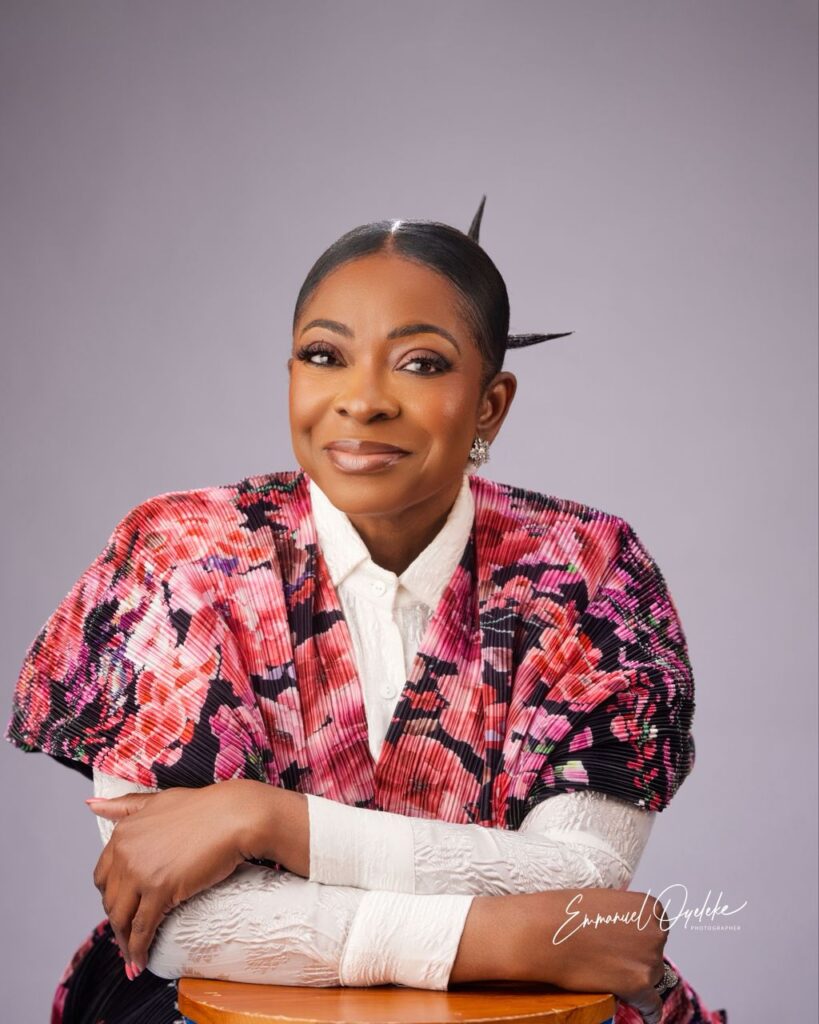
As Nigeria marks another Independence anniversary, I find myself thinking not only about the country we have become, but about the country we still have the opportunity to build.
And I think particularly about the Nigerian woman.
I have spent more than three decades working as a lawyer and corporate professional, navigating boardrooms, leadership tables and institutions in Nigeria and beyond. I have had the privilege of leading teams, influencing decisions and contributing to the building of institutions.
But I also know that the journey of the Nigerian woman is too often described by one word: resilience.
We celebrate her ability to endure.
She raises families while building careers. She runs businesses in difficult conditions. She stretches limited resources, serves her community, adapts and somehow keeps going.
There is much to admire in that resilience. But I sometimes wonder whether we have become too comfortable celebrating a woman’s ability to overcome circumstances we should be working to change.
The Nigeria I want is one in which a woman’s strength is no longer measured by how much difficulty she can endure, but by how fully she is enabled to flourish.
I want a Nigeria where every girl receives an education that expands her possibilities and where her ambition is nurtured rather than diminished.
A Nigeria where a woman does not have to choose unnecessarily between motherhood and professional aspiration.
Where women have meaningful access to capital, markets, technology and economic opportunity.
Where women are safe in their homes, workplaces and communities.
Where competence creates genuine pathways into leadership, and women do not simply have a seat at the table, but a voice that is heard when they get there.
But this is not simply about what Nigeria should do for women.
It is about recognising what Nigerian women can do for Nigeria.
Across our country, women are building businesses, educating children, creating jobs, leading institutions, serving communities and holding families together. Imagine what becomes possible when we remove unnecessary barriers and allow that capacity to flourish more fully.
I have learnt through my own leadership journey that progress is not simply about arriving. It creates a responsibility to make the journey easier for those coming behind us.
Every door opened should make another door easier to open.
Every woman who finds her voice should help another woman find hers.
Every woman entrusted with influence should steward it so that opportunity does not end with her.
And men must be part of this future too. The advancement of Nigerian women is not a contest between men and women. We need one another. The Nigeria I want is one in which our sons and daughters understand that their gifts are complementary contributions to a shared national future.
As a Christian, I believe every human being carries God-given dignity and purpose. A nation cannot afford to suppress the gifts God has placed within half of its people and still expect to become all that it was created to be.
So, on this Independence Day, I choose hope.
Not passive hope that waits for Nigeria to change, but hope that accepts responsibility for helping to build the Nigeria we desire.
Perhaps the Nigeria we want will emerge when we stop asking Nigerian women merely to survive the country we have built and give them equal opportunity to help build the country we desire.
That is the Nigeria I want.
THE NIGERIA I WANT
RONKE SOKEFUN
Partner at TEMPLARS
Chairman, Comercio Partners
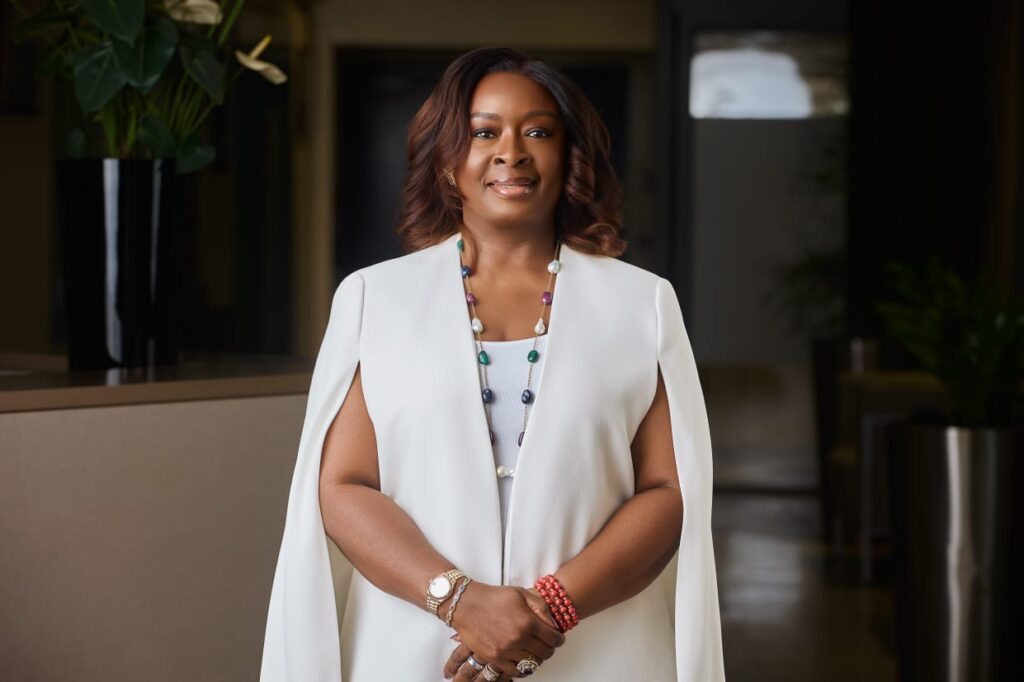
When I think about the Nigeria I want, I think beyond what we want the country to have. I think about what we want the country to become.
Over the years, I have had the privilege of working with people and institutions across different sectors. One thing that experience has reinforced for me is that the strength of any society is closely tied to the quality of its institutions and the people entrusted to lead them.
I want a Nigeria where institutions work, regardless of who occupies a particular position. Where the rule of law is respected, processes are trusted and public responsibility is treated as stewardship. We need systems that can endure beyond individuals and leaders who understand that the office they occupy is an assignment, not an entitlement.
I want a Nigeria where competence is valued and people are given the opportunity to contribute meaningfully. Where a young person with talent, discipline and an idea can build a future here. Where education prepares our children not only to pass examinations, but to think, create, solve problems and participate fully in the economy.
I also want a Nigeria where we recognise that development requires all of us. Government has an important responsibility, but businesses, professionals, communities, families and individuals also have a role to play in the country we build.
As a woman, I particularly want to see more women equipped and enabled to contribute at every level. And I believe those of us who have had opportunities have a responsibility to make it easier for others to come behind us. Progress should not end with us. It should create room for the next person.
Perhaps this is why I think so much about stewardship. The Nigeria we want will not be created simply by demanding better from others. It will also require us to ask what we are building, what standards we are willing to uphold and what we are prepared to leave behind.
Our independence is an opportunity to remember where we have come from, but also to think carefully about where we are going.
The Nigeria I want is one where institutions are stronger, opportunities are wider, leadership is responsible and our children can look at this country and see reasons to build, contribute and stay.
That Nigeria is possible. But it will require each generation to understand that we are not merely inheriting Nigeria. We are also responsible for what we hand over.
A Nigeria We Can Truly Hail
Prof. Ogechi Adeola
Deputy Vice-Chancellor at the University of Kigali.
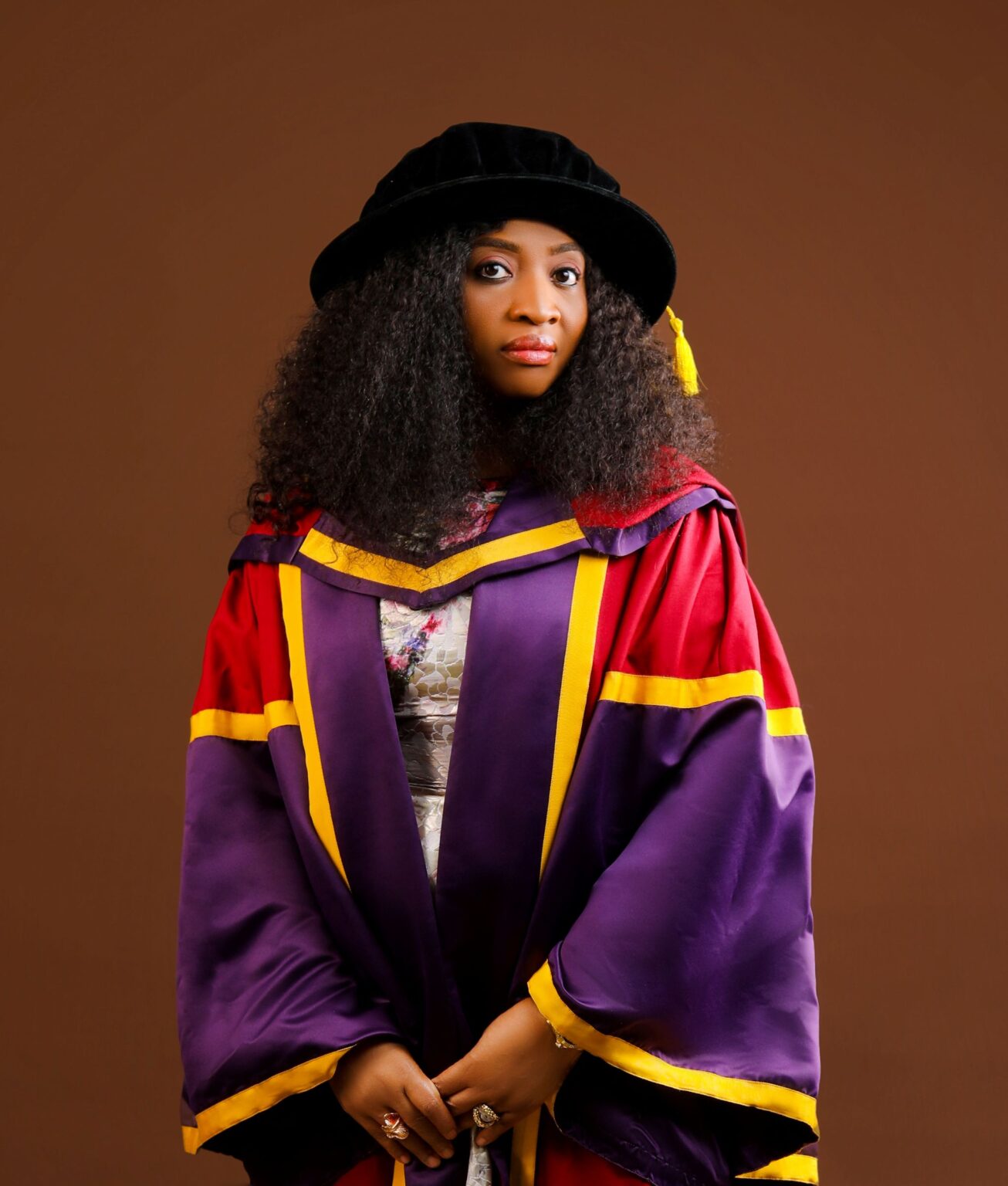
In May 2024, Nigerians learnt that our national anthem was changing. “Arise, O Compatriots,” sung since 1978, was replaced by “Nigeria, We Hail Thee,” the anthem that had accompanied Nigeria into independence in 1960 and remained in use until 1978. For an older generation, its return may have carried a whiff of nostalgia; for many younger Nigerians, it was unfamiliar, unexpected, perhaps even surprising.
I find the word “hail” significant. To hail something is to honour it, to acclaim it, to speak of it with pride. The anthem goes further, calling Nigeria “our own dear native land.”
What should the name Nigeria mean when it is spoken anywhere in the world? For me, it means dignity. But what does the name Nigeria truly mean to people across the globe?
Many years ago, I was in Mumbai, India, when some young Nigerians were reported to have committed a crime. In conversations that followed, when people asked where I was from and I answered, “Nigeria,” I noticed the snickers. I have experienced versions of that moment elsewhere, even on our own continent.
It is an uncomfortable feeling when the name of your country enters the room before you do.
But that is not the whole Nigerian story.
Let me tell you about the Nigeria I know.
I know the Nigeria whose music the world dances to. From Fela Anikulapo-Kuti, Oliver De Coque and King Sunny Adé to Burna Boy, Wizkid, Davido, Tems, Rema and Ayra Starr, generations of Nigerian artists have taken our sounds beyond our shores.
I know the Nigeria of Chinua Achebe, Wole Soyinka, Ben Okri and Chimamanda Ngozi Adichie, whose words have helped the world encounter Africa through African eyes. I know the Nigeria of Ngozi Okonjo-Iweala and Akinwumi Adesina, demonstrating that Nigerian intellect and leadership belong at the highest levels of global decision-making.
I know the Nigeria of medical excellence, exemplified by internationally recognised Nigerian surgeons such as Dr. Oluyinka Olutoye, a pioneer in fetal surgery, and Professor Obi Davies-Ekwenna, who in September 2026 led Nigeria’s first tele-robotic surgery, operating remotely on a patient hundreds of kilometres away.
I know the Nigeria of Nollywood, where ingenuity and imagination built a globally recognised film industry. I know the Nigeria of enterprise and industry, of Aliko Dangote and Tony Elumelu, and of entrepreneurs and technology innovators building businesses and creating opportunities across Africa.
I know, too, the Nigeria of sporting excellence, from the Dream Team of Atlanta 1996, featuring Nwankwo Kanu, Jay-Jay Okocha, Daniel Amokachi, Sunday Oliseh, Taribo West, Emmanuel Amunike and Celestine Babayaro, which made history as the first African team to win Olympic football gold, to the Super Eagles and Super Falcons, Victor Osimhen and Asisat Oshoala, and those unforgettable moments when the green and white rises, our differences recede, and millions of us remember what we share.
But the Nigeria I know is not defined only by celebrated names. It is also the teacher shaping minds, the doctor and nurse saving lives with limited resources, the researcher expanding knowledge, the farmer feeding families and communities, the trader building a livelihood, the artisan creating with skilled hands, and millions of ordinary Nigerians working with dignity every day.
Then there is the Nigeria I want, the Nigeria I dream of.
I want a Nigeria where education opens doors, enterprise and innovation flourish, integrity is rewarded, and every Nigerian has the opportunity to fulfil their potential.
I want a Nigeria that invests deliberately in its next generation, where young people can thrive, dream boldly and see a future for themselves. A Nigeria where quality healthcare is accessible, where the circumstances of one’s birth do not determine the quality of one’s life, and where, in the words of our anthem, “truth and justice reign.”
I want a Nigeria where our extraordinary diversity is a source of strength, not division. As our anthem reminds us, “Though tribe and tongue may differ, in brotherhood we stand.” A Nigeria where who you are or where you come from does not determine how far you can go.
I want an influential Nigeria, where ideas matter, institutions work, creativity travels, knowledge creates opportunity, and our people are respected wherever they go.
And we Nigerians have a responsibility too. Loving one’s country does not mean ignoring its shortcomings. It means believing enough in its possibilities to confront what is wrong and build what can be better.
The Nigeria I want is one whose passport we present with confidence. A Nigeria whose name opens doors rather than raises suspicion. A Nigeria where justice is upheld, security is assured, public service is honourable, and the country is known not for the misdeeds of a few, but for the achievements, character and contributions of its many millions.
The Nigeria I want is a Nigeria we can truly hail, where leadership means service and honour, public institutions embody integrity and professionalism, and every Nigerian can live in safety and dignity, free from ethnic and religious division, terrorism, kidnapping and violence. A nation whose name we carry with confidence, whose achievements we celebrate, and which we proudly call, in the words of our anthem, “our own dear native land.”
And on this 66th Independence Anniversary, my prayer for Nigeria is captured beautifully in the final stanza of our anthem:
O God of all creation,
Grant this our one request,
Help us to build a nation
Where no man is oppressed,
And so with peace and plenty
Nigeria may be blessed.
The Nigeria I Want
By Dr. Ini Abimbola
Member, Wigwe University Governing Council.
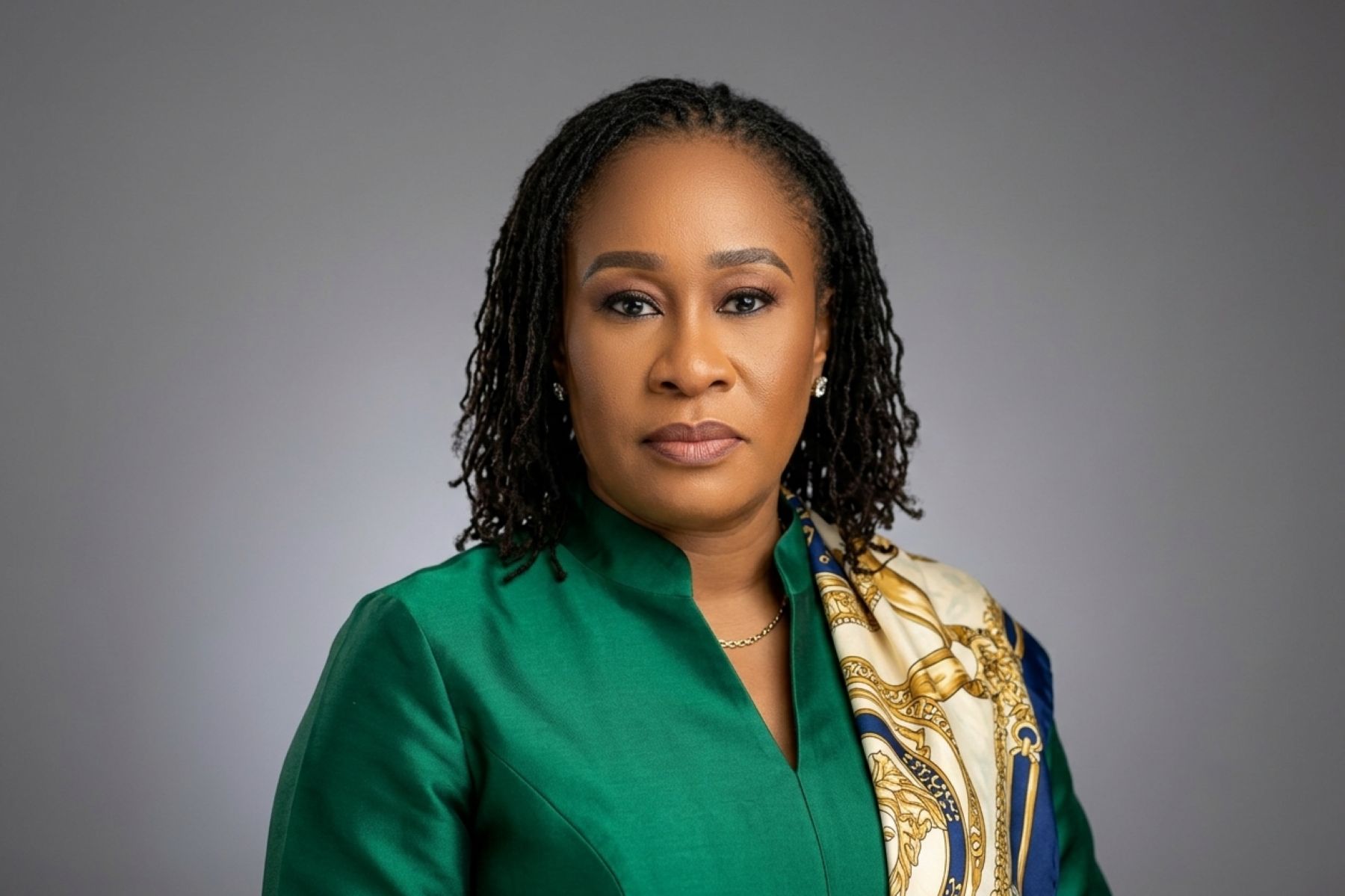
At sixty-six, Nigeria is old enough to be judged by the strength of its institutions, and that is the standard I hope we hold ourselves to as we celebrate.
The Nigeria I want is one where policies outlast the people who make them. I want a country where a contract signed by one administration is honoured by the next, where a regulator can refuse a powerful company without first checking who its owners know, and where a citizen who goes to court can predict the outcome from the law itself.
Many years of work in boardrooms and institutions have taught me that organisations decline slowly and then collapse suddenly when decisions depend on personalities and individuals, and that they endure when decisions follow a process everyone can see and question. Countries behave in exactly the same way.
I want a Nigeria where good governance would feel ordinary. Budgets would be published on time and in a form a trader in Oyingbo or Uyo could read. Boards of public companies and government agencies would be appointed for competence, evaluated honestly and replaced when they underperform. Sustainability and disclosure standards would serve as tools for earning the trust of investors and communities, and every company that reports on its impact would expect that report to be checked.
Most of this is already written into our laws and codes, so what remains is the discipline to apply them consistently, whoever is affected.
The Nigeria I want treats women’s leadership as a governance question. Women make up roughly half of our population, yet they remain a small minority in the National Assembly, in state executive councils and on the boards of our largest companies. My years supporting the National Assembly on women’s political leadership showed me that the gap is structural. Party primaries price women out, appointment processes run through closed and clannish networks, and a quiet assumption persists that leadership looks like a man. A country that leaves half its talent on the bench is choosing to govern with one hand, and it should expect the results that follow.
Reserved legislative seats, transparent criteria for board appointments and sustained investment in young women leaders are practical corrections to a system that currently filters talent by gender.
Institutions are ultimately built by people who decide to behave well when no one is watching. That includes the civil servant who moves a file without asking for something extra, the director who raises the uncomfortable question in the audit committee, and the voter who holds a representative to account between elections.
The Nigeria I want is within reach because its outline is already visible in the many Nigerians who do these things every day. Our task at sixty-six is to build institutions strong enough to make their example the norm, and to ensure that women stand fully among those who lead that work.
THE NIGERIA I WANT
HANSATU ADEGBITE
National Consultant on Private Sector Partnerships with UN Women
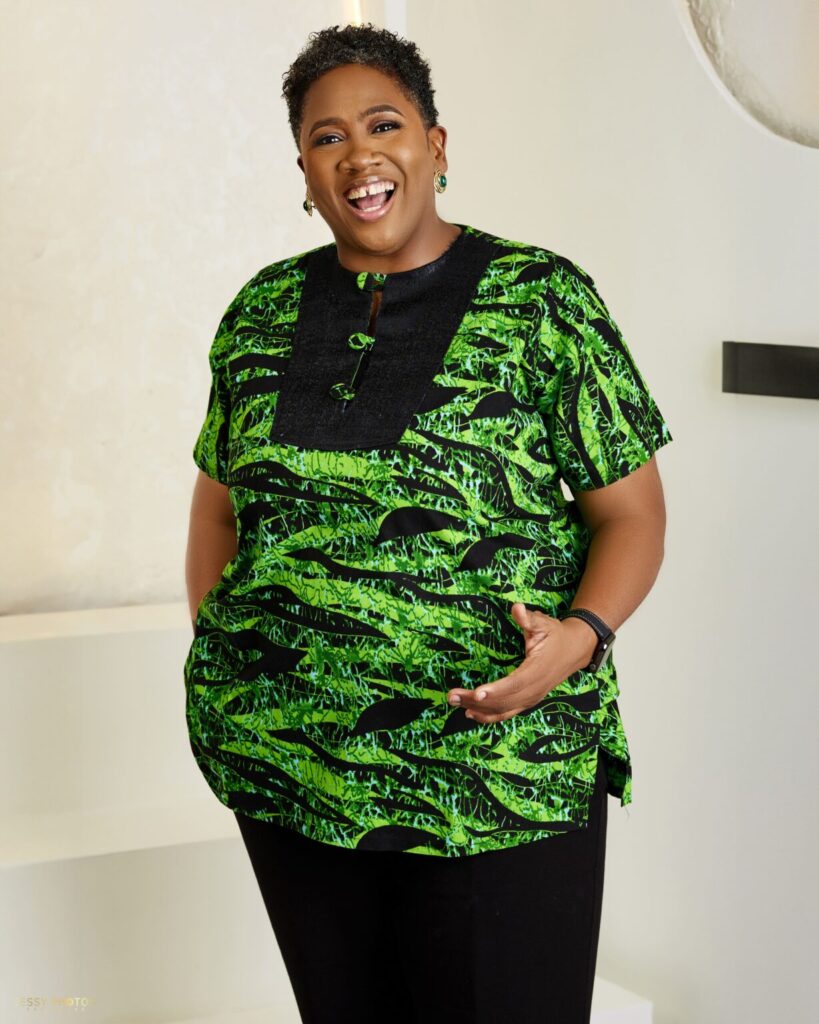
I want a Nigeria where fairness is not a privilege and opportunities are not determined by who you know. Where every Nigerian – men or women, young, middle-aged or old, with or without a disability – has the opportunity to live with dignity, build a livelihood and contribute to the progress of our nation.
I want a Nigeria where women are not simply beneficiaries of development but leaders of it. I want to see women sitting at decision-making tables, not because they are filling quotas, but because their leadership, experience, expertise, resourcefulness and contributions matter. I want women to have the capital, markets, assets, skills, technology and networks they need to build businesses, create wealth and shape the economy.
I want a Nigeria where a young person’s greatest asset is their talent, not their political connection. Our young people should be skilled, innovative, resourceful and confident. They should have opportunities to learn, work, create, build and lead. We must create an economy that gives them reasons to stay, reasons to dream and reasons to believe that their future can be built here.
I want a Nigeria where persons with disabilities are fully included in the economy and society. Not pity, tokenism nor exclusion, but opportunity. Opportunity to learn, work, build businesses, access finance, earn a livelihood, live independently and contribute.
I want a Nigeria where every life matters. A Nigeria where farmers can go to their farms without fear. Where children can go to school safely. Where businesses can operate without intimidation. Where families can sleep peacefully. Where citizens do not have to live in constant fear of violence, insecurity or uncertainty. Where security is not a luxury but the foundation upon which development is built with leaders who understands this.
I want leaders who see public office as a responsibility, not a pathway for personal looting, enrichment and exploitation. Leaders who do not measure success by what they accumulate for themselves, their families and their friends, but by what they create for the communities they were entrusted to lead. Leaders who ask themselves, Who is better because I served? Whose life changed because I led? What opportunity did I create? What institution did I strengthen? What legacy will remain when I am gone?
I want a Nigeria that I will live to see bloom before I leave this earth, a Nigeria that gives me the comfort of knowing that the generations coming after me will inherit equity, opportunities, dignity and a country they can be proud to call home. I do not want to join the millions of Nigerians who left this world in despair, wondering what kind of country they were leaving behind for their children, grandchildren and great grandchildren.
I want to live long enough to see Nigeria become the country we have always believed it could be, a country worth leaving behind.
The Nigeria I Want
Professor Adaeze Oreh
27th Honourable Commissioner for Health in Rivers State, Nigeria.
Lecturer at PAMO University of Medical Sciences, Port Harcourt.
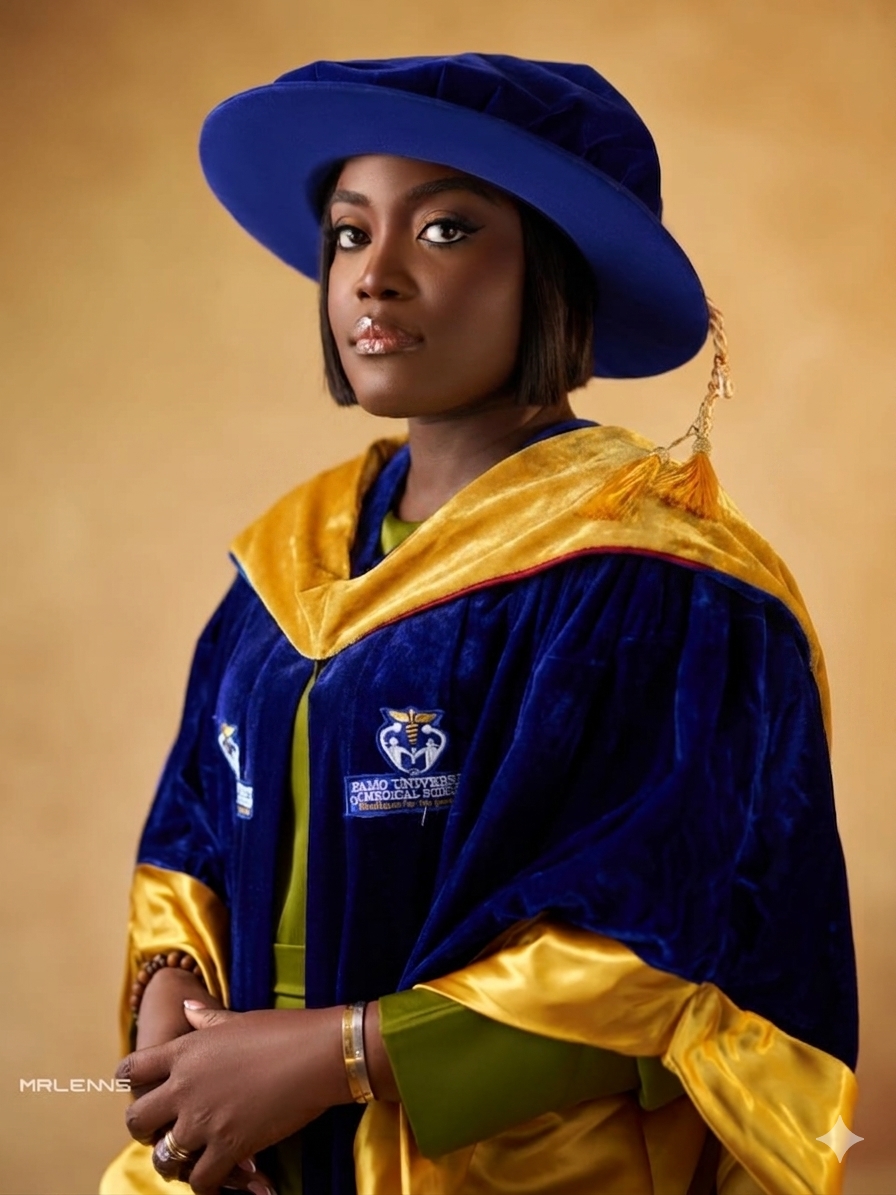
When I reflect on the nation we are striving to build, my vision is not grounded in abstract ideals or distant rhetoric. It is shaped by years spent on the frontlines of our health systems, listening to mothers in rural health centres, engaging community health workers, navigating policy corridors, and leading interventions across state lines. The Nigeria I want is a nation that recognises health, human dignity, and opportunity not as luxuries for a privileged few, but as fundamental rights for every citizen, regardless of their location or socioeconomic standing.
To envision a prosperous Nigeria, we must first confront our foundational vulnerabilities. A nation cannot thrive when its people are perpetually exposed to preventable societal hazards, health crises and economic shock. The Nigeria I envision places primary healthcare at the absolute core of its national development strategy. It is a nation where a pregnant woman in a remote village does not risk her life to give birth due to a lack of skilled attendants, emergency transportation, or safe blood for transfusions. It is a country where health systems are resilient, decentralised, and equipped with reliable data mechanisms, robust haemovigilance, and digital infrastructure that ensure no community is left in the dark.
Furthermore, the Nigeria I want understands that investing in human capital is our greatest competitive advantage. For far too long, we have measured wealth by what lies beneath our soil rather than the immense potential residing within our people. Human capital development begins in the early years, with comprehensive maternal care, early childhood nutrition, quality basic education, and protective social safety nets. When we safeguard a child’s health and early development, we lay the groundwork for an innovative, productive workforce capable of driving sustainable economic growth.
This vision demands a fundamental shift in leadership and governance. The Nigeria I want is driven by evidence-based policymaking, accountability, and inclusive leadership. We need systems designed around problem-driven, iterative adaptation; where local challenges are met with pragmatic, context-specific solutions rather than rigid, top-down mandates. True progress requires elevated representation for women and young leaders in governance, health diplomacy, and economic planning. When women lead, policy outcomes demonstrably pivot toward social protection, community well-being, and long-term resilience.
Crucially, building this nation requires a collaborative ecosystem. Government cannot shoulder this burden in isolation. The Nigeria of our collective aspirations demands strategic, high-integrity partnerships between public institutions, the private sector, civil society, and international development agencies. It requires an environment where local innovation is nurtured, healthcare financing is sustainable through expanded universal health coverage, and domestic research directly informs public action.
Ultimately, the Nigeria I want is one defined by hope, equity, and institutional excellence. It is a country where our finest minds – our doctors, researchers, educators, and entrepreneurs – feel empowered to invest their talents locally rather than seeking promise abroad. It is a nation that honours its diversity as a strength and builds resilient institutions capable of standing the test of time.
This transformation will not occur overnight, nor will it happen by chance. It requires deliberate choices, political courage, and sustained commitment from each of us. But as I look across our communities and see the extraordinary resilience, intellect, and resolve of our people, I remain convinced that this Nigeria is not merely an elusive dream – it is an achievable future well within our grasp.
The Nigeria I Want
Patricia Obozuwa
Managing Director, Nigeria Global Reputation Management Project
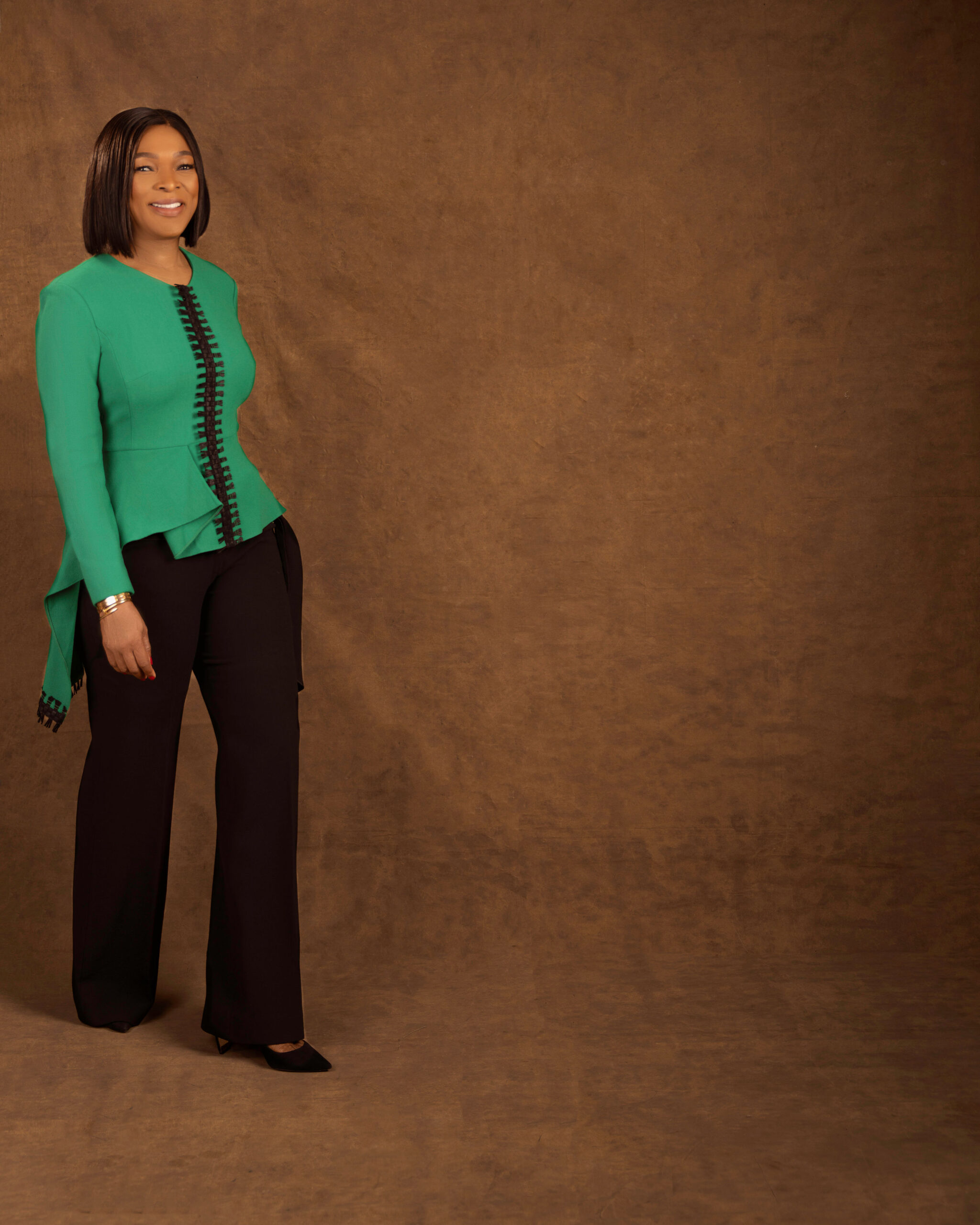
When I think about the Nigeria I want, particularly as we mark 66 years of independence, I think about the country I want the world to know.
For me, that comes down to three things.
First, I want Nigeria to be known for the strength of its people and the possibilities of the country.
I want Nigeria to be recognised as a country of talent, enterprise, creativity and ambition. A place where ideas are created, businesses are built, culture is shaped and people are solving problems of global relevance.
There is already much on which to build. Nigerian music is heard around the world. Our film, fashion, literature and art have given us significant cultural influence. Nigerian entrepreneurs are building businesses across Africa and beyond. Our technology ecosystem continues to attract international attention and investment. Nigerians are excelling in business, academia, science, sport and international institutions.
I want these different expressions of Nigerian excellence to come together into a clearer understanding of who we are and what we contribute to the world.
Second, I want Nigeria to be a country that is trusted.
Reputation has real consequences. It shapes expectations before we enter the room. It influences whether an investor explores an opportunity, a tourist chooses to visit, a company seeks a Nigerian partner or an international institution deepens its engagement with us.
Countries do not compete on resources alone anymore. They compete on trust.
I want Nigeria to be a country people are curious about, want to visit, invest in and work with. A country respected for its talent and creativity, trusted for its capability and increasingly recognised for its contribution to the world.
That trust must be earned. I want our reputation to be grounded in reality… supported by stronger institutions, successful businesses, innovation, compelling visitor experiences, investment and measurable progress.
Third, I want us Nigerians to recognise that Nigeria’s reputation belongs to all of us.
Government has an important role, but countries build reputations through the cumulative experiences and achievements associated with them.
Every Nigerian business that delivers to a high standard strengthens confidence in Nigeria. Every entrepreneur who succeeds internationally expands perceptions of what is possible in our country. Every artist, athlete, academic and professional who excels adds another dimension to how Nigeria is understood. Every visitor who leaves with a positive experience carries an impression of Nigeria with them.
Our collective actions accumulate into reputation.
At 66, I want us to become increasingly intentional about the reputation we build… obviously not by trying to manufacture an image, but by building a country whose progress gives us more to confidently take to the world.
Ultimately, the Nigeria I want is a Nigeria known for what it creates, what it contributes and what it makes possible.
A Nigeria that earns trust.
And a Nigeria whose reputation increasingly reflects the very best of what we are and what we are becoming.
THE NIGERIA I WANT
Isi Igenegba
Co-Founder, Strom Global Services Ltd.
Apostle at People Of Influence Network
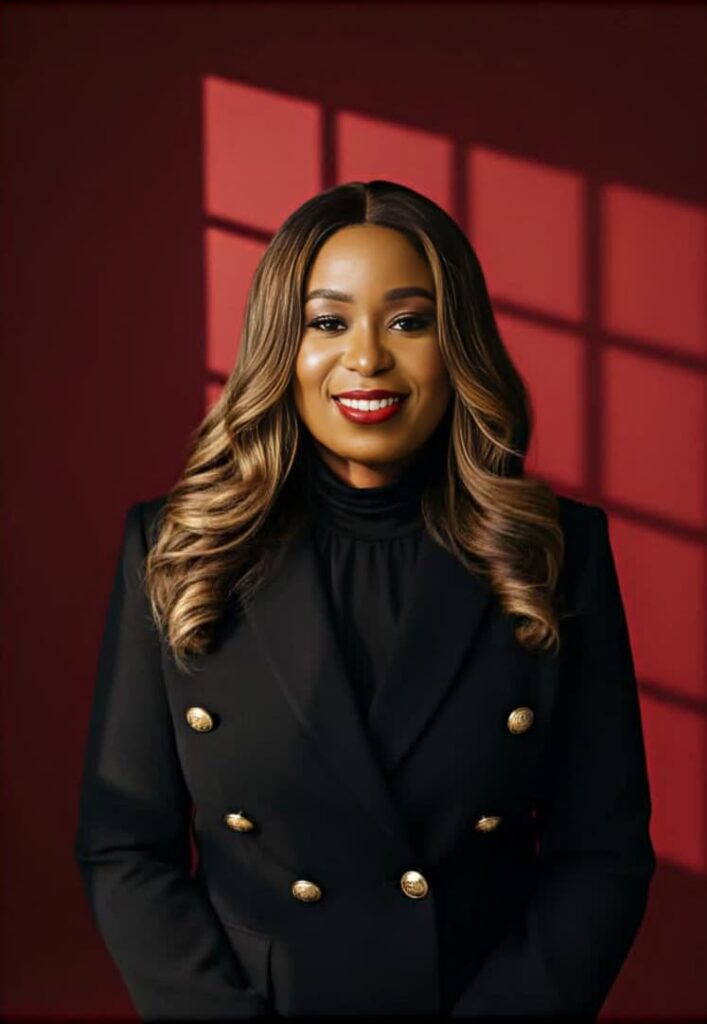
Every generation is given a country. The question is what it chooses to do with it.
We inherited Nigeria with all her beauty and contradictions, her extraordinary people and painful realities, her enormous promise and unfinished work.
On this Independence Day, I find myself thinking less about the Nigeria we have inherited and more about the Nigeria we are building.
We did not choose the circumstances into which we were born, but we have a choice about what we leave behind.
That, to me, is one of the deepest meanings of independence. It is the responsibility to become a people capable of building the nation we hope to see.
The Nigeria I want is a nation where every human being can discover their God given potential and have a genuine opportunity to develop and express it.
I want a Nigeria where excellence is not exceptional, but expected. Where doing things well becomes part of our culture. Where competence is respected, integrity is rewarded and people can trust the systems they depend on.
I want us to recover the dignity of building. Not only building roads and infrastructure, but building people, families, businesses, schools, communities and institutions we can trust. Building systems that work. Building cultures that produce excellence. Building people who can carry responsibility. Building things that are strong enough to serve generations beyond our own.
The Nigeria I want will not be built by the government alone. It will be built by parents and teachers, entrepreneurs and professionals, civil servants and creatives, pastors, imams and community leaders, young people and older generations.
It will be built by every Nigerian who chooses to make their sphere of engagement better than they found it.
Our faith, as a nation, must have an expression beyond our gatherings. If we believe that God has entrusted us with gifts, resources and influence, then those things must become instruments for service. It should make us better parents, better professionals, better employers, better citizens and better stewards of the communities and institutions entrusted to us.
The Nigeria I want will not be built by waiting for the perfect government, the perfect leader or the perfect circumstances.
It will be built when millions of Nigerians begin to ask a different question: what has been placed in my hands, and what can I build with it?
I believe there is a generation with the capacity to answer that question. A generation that can build families that are strong, institutions that endure, businesses that create opportunity, communities that thrive and systems that serve people well.
This is the Nigeria I want: a nation that is becoming all that God has placed within her.
And I believe our assignment is not simply to inherit Nigeria.
It is to build her well enough that those who come after us can inherit a nation stronger than the one we received.
Happy Independence Day, Nigeria.
May God give us the wisdom, courage, character and grace to build well.