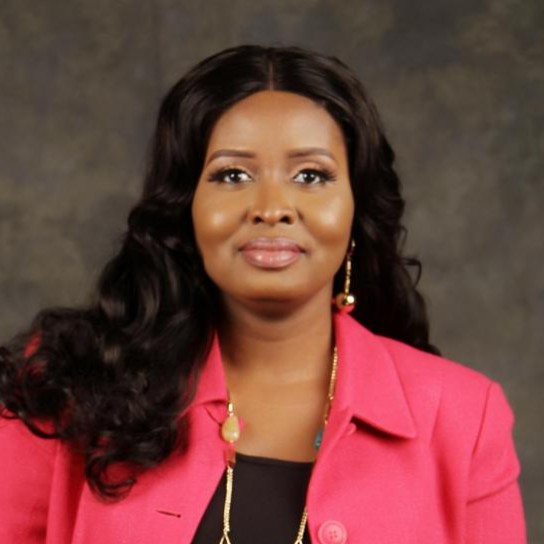
 Dr. Asmau Benzies Leo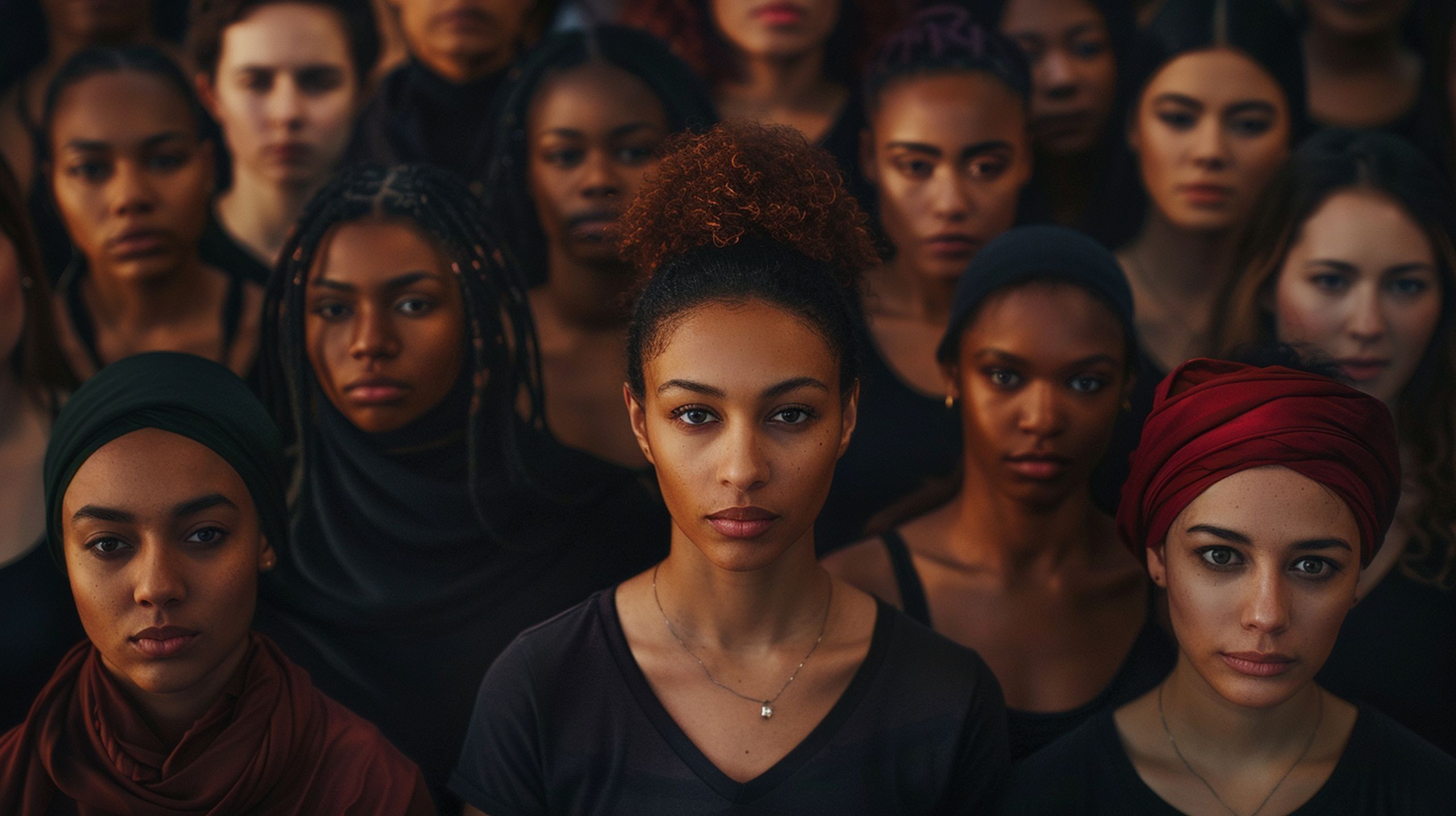
Nigeria’s Democracy Day was June 12 but I can’t stop thinking about its essence and since we are still in the month of June, I will be sharing on this from a place of concern.
Democracy Day remains a defining symbol in Nigeria’s democratic history, a day that embodies the struggle, sacrifice, and resilience of Nigerians in pursuit of democratic governance. The date commemorates the annulled June 12, 1993 presidential election, widely regarded as the freest and fairest in Nigeria’s history. Following decades of military rule, democracy was restored in 1999, marking the beginning of uninterrupted civilian governance. In 2018, June 12 was officially declared Democracy Day to honor the heroes of that struggle and reaffirm Nigeria’s commitment to democratic ideals.
As Nigeria recently celebrated 27 years of uninterrupted democracy, it is important to interrogate not just the endurance of democratic rule, but the depth of its inclusiveness particularly for women. Despite constituting nearly half of the population, Nigerian women remain significantly underrepresented in governance, both in elective and appointive positions. This persistent gap raises critical questions about equity, justice, and the true meaning of democratic participation.
Since Nigeria’s return to democracy in 1999, women’s political representation has remained consistently low. At the inception of the Fourth Republic, only 3 women were elected into the Senate and 12 into the House of Representatives. Over two decades later, progress has been marginal. In the 9th National Assembly (2019–2023), women held just 19 out of 469 seats, approximately 10.9 percent. However, the 2023 elections marked a regression: women now occupy only about 15 seats out of 469 in the National Assembly, representing roughly 4–5 percent, one of the lowest rates globally.
Across all legislative levels, national and state, women hold only about 64 out of 1,460 seats, further underscoring the scale of exclusion. At the state level, representation is equally troubling, with women occupying just 45 out of 991 seats in State Houses of Assembly. In all, women’s participation in elective offices has remained below 10 percent since 1999, with some estimates placing it as low as 6 percent.
In appointive positions, the situation shows slight improvement but still falls short of global and regional benchmarks. For instance, during the 2015–2023 administration, only 7 out of 43 ministers were women, approximately 16.7 percent. While some administrations have made modest gains in appointive roles, the overall average of women’s participation in both elective and appointive positions in Nigeria remains around 6.7 percent, far below the global average of over 22 percent and Africa’s regional average of about 23 percent.
These statistics highlight a troubling democratic deficit. Democracy is not merely about periodic elections; it is about representation, inclusivity, and equal participation. When women who make up nearly half the population are excluded from decision making processes, governance outcomes are inevitably skewed and less responsive to societal needs.
Historically, Nigerian women have played critical roles in the country’s democratic evolution. From the anti-colonial resistance led by Funmilayo Ransome-Kuti and Margaret Ekpo, to the pro-democracy struggles against military rule, women have consistently mobilised, advocated, and sacrificed for national progress. Yet, their contributions have not translated into proportional political power.
The struggle for proportional representation in Nigeria is deeply rooted in structural and systemic barriers. Patriarchal norms, political violence, financial constraints, and exclusionary party structures continue to limit women’s access to political spaces. Nigerian politics remains highly monetised, making it difficult for many women to compete effectively. Additionally, cultural stereotypes often relegate women to secondary roles, undermining their leadership potential.
Affirmative action has emerged as a key strategy for addressing these disparities. Nigeria’s National Gender Policy recommends a minimum of 35 percent representation for women in both elective and appointive positions. However, this target remains largely unmet. Compared to countries like Rwanda and Senegal, where quota systems have significantly improved women’s representation, Nigeria still lags behind due to weak implementation and lack of political will.
The proposed Special Seats Bill currently before the National Assembly represents a critical opportunity to bridge this gap. By reserving seats for women in legislative bodies, Nigeria can take a bold step toward inclusive governance and democratic consolidation.
Beyond political representation, gender equality and social inclusion must be central to Nigeria’s democratic project. Women, particularly in conflict-affected regions, continue to face disproportionate challenges, including violence, displacement, and economic marginalisation. A democracy that fails to protect and empower its most vulnerable cannot be considered fully functional.
Economic empowerment is also crucial. Women’s access to education, finance, and employment directly influences their ability to participate in governance. Strengthening women’s economic agency will, in turn, enhance their political voice and leadership.
As Nigeria celebrated Democracy Day at 27, the call for gender responsive governance has never been more urgent. Political parties must adopt internal quotas, governments must implement inclusive policies, and civil society must sustain advocacy for women’s rights and participation.
In conclusion, Nigeria’s democratic journey remains incomplete without the full inclusion of women. The statistics are clear: progress has been slow, uneven, and insufficient. Yet, the potential for transformation is immense. Democracy must go beyond symbolism to deliver substantive equality.
The future of Nigeria’s democracy depends on its ability to embrace inclusion, uphold justice, and ensure that women are not just participants but equal partners in shaping our nation’s destiny.
About Author
Asmau Benzies Leo
Dr. Asmau Benzies Leo is a development practitioner with extensive national and international expertise in gender equality, peace-building, governance, and humanitarian action. She holds a PhD in Public Governance and Leadership, a Master’s degree in Conflict Management and Peace Studies, and executive certifications from leading institutions including Howard University, Harvard University and Glasgow Caledonian University. As Executive Director of the Centre for Non-violence and Gender Advocacy in Nigeria (CENGAIN), she has led ground-breaking advocacy initiatives on women’s political participation, gender-based violence prevention, and security sector reform across multiple World Bank, UN and EU-supported projects.
The IWA Series 15 Conference is Here
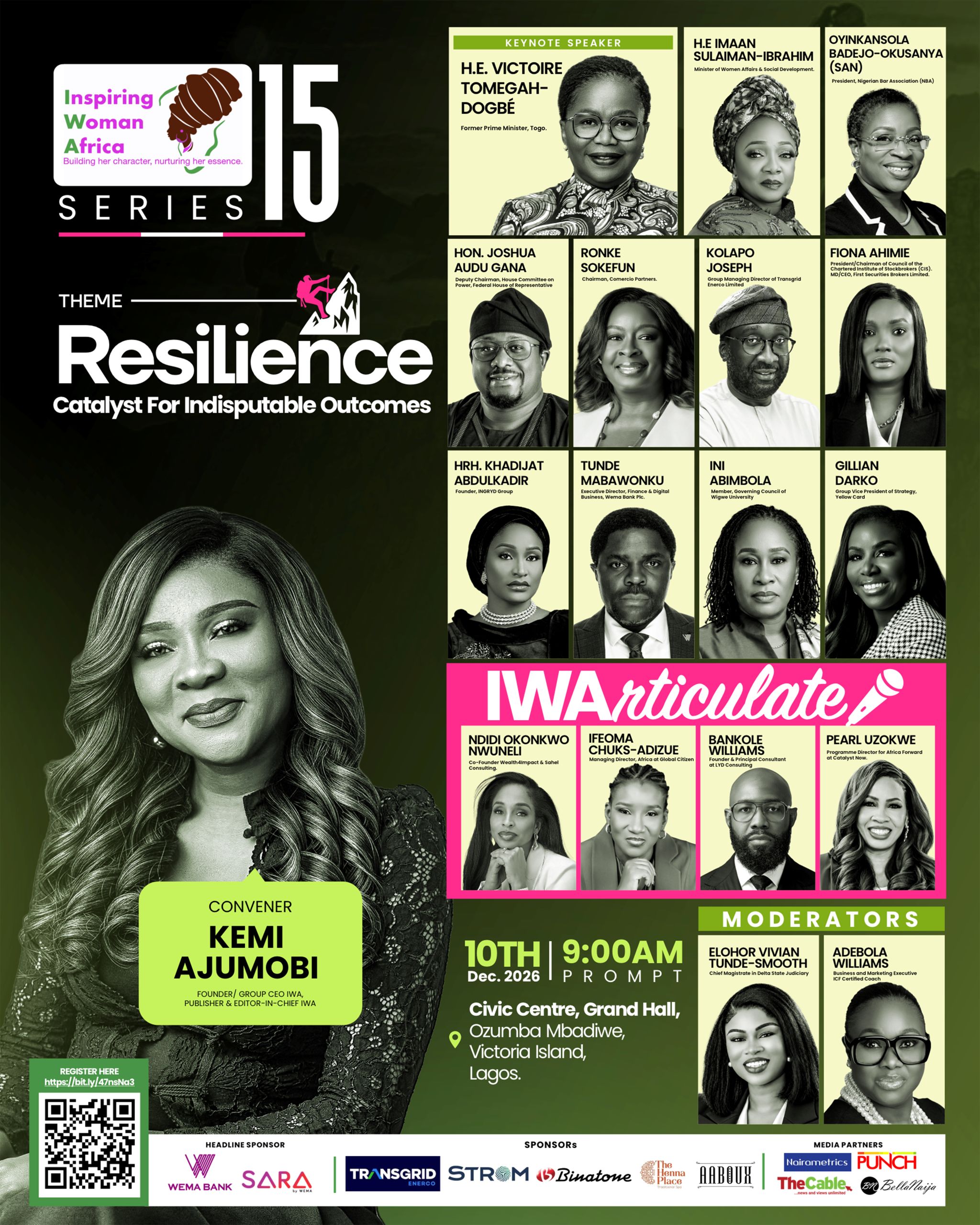
Click To Register
Latest Edition of IWA Magazine
October 20, 2026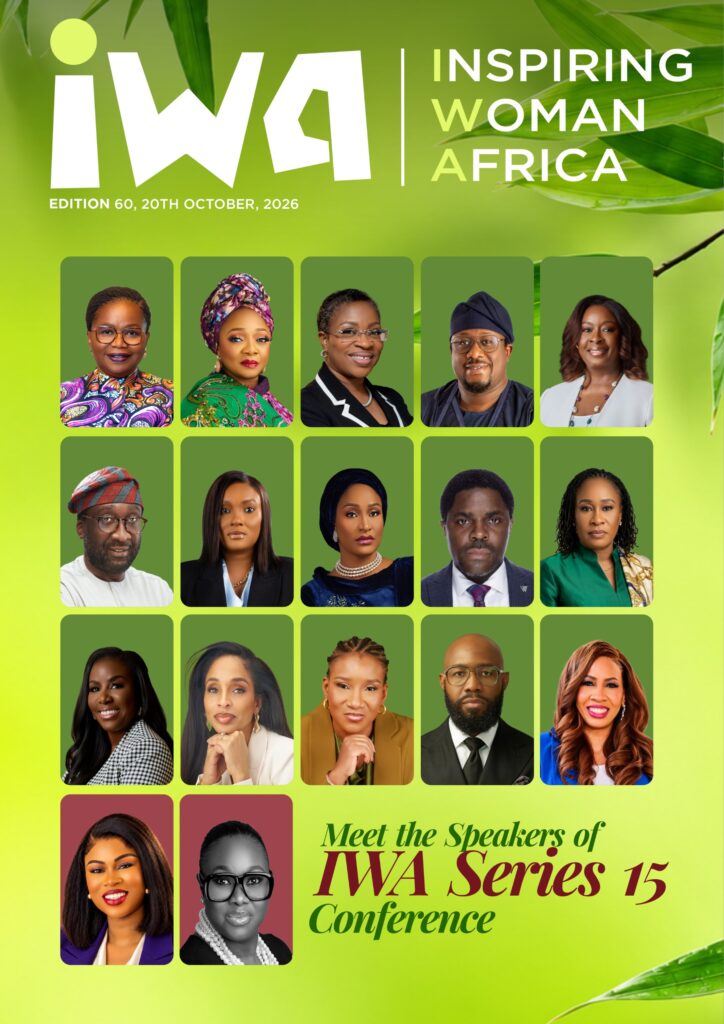
Meet the Speakers of IWA Series 15 Conference
Latest Posts
-
 Oct 20, 2026 Hard Conversations: The Skill No One Puts on a CV
 -
 Oct 20, 2026 5 Africa Women Listed as 2026 Forbes Icons
 -
 Oct 20, 2026 You Are Wealthier Than You Think