 Dr. Asmau Benzies Leo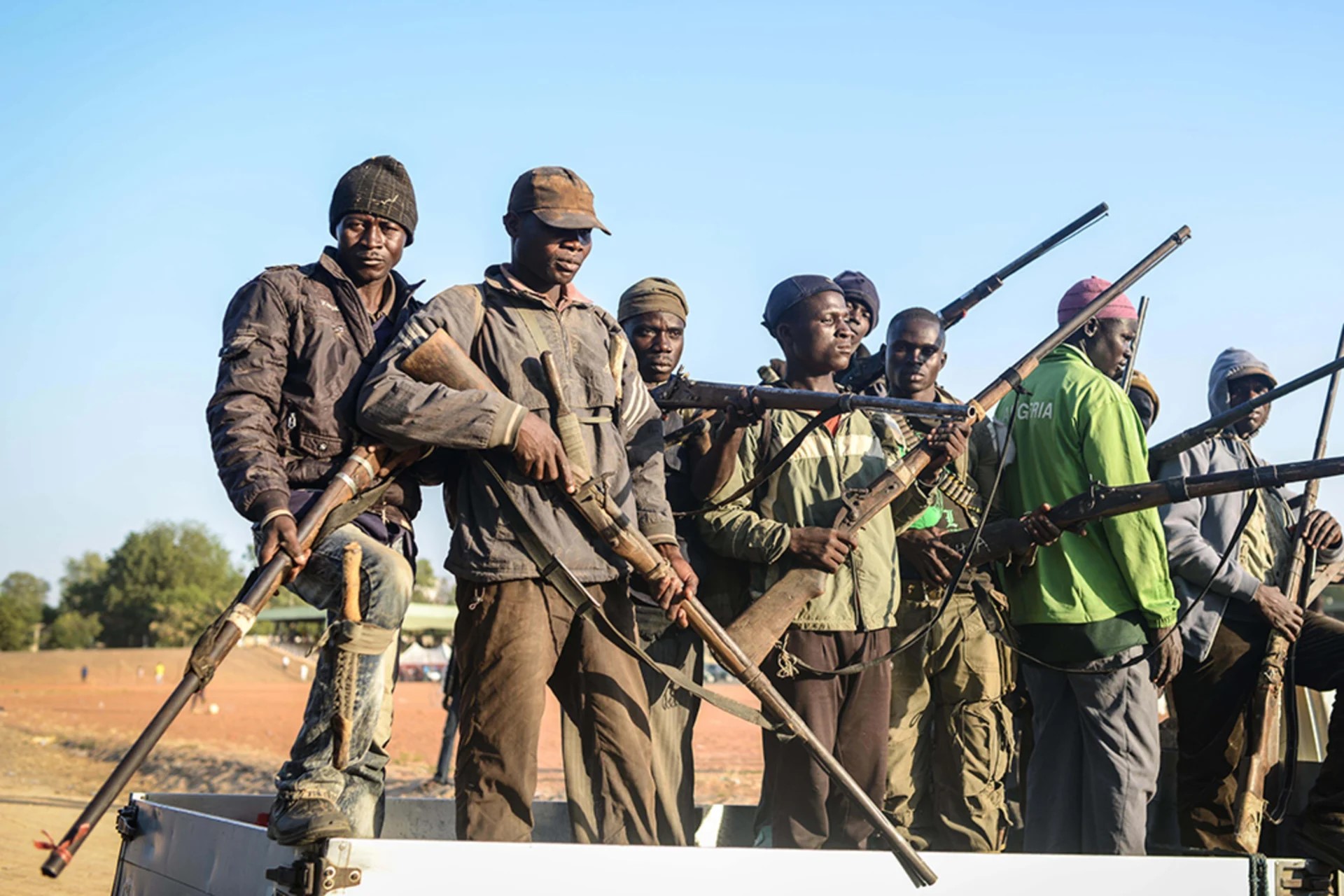
Nigeria’s security crisis has entered a far more dangerous and emotionally charged phase, marked by the resurgence of insurgency in the North East, particularly in Borno State. Recent bomb attacks in Maiduguri once considered relatively stabilised, have shattered assumptions of progress and exposed the persistence and adaptation of groups such as Boko Haram and ISWAP. Even more troubling is the deliberate and increasingly sophisticated targeting of Nigerian armed forces through ambushes, improvised explosive devices, and coordinated assaults on military formations.
These attacks are not random. They reflect a strategic recalibration by insurgent groups aimed at weakening state authority, undermining military morale, and projecting continued relevance. The destruction of military convoys, forward operating bases, and patrol teams sends a chilling message: that the conflict is far from over, and that Nigeria’s security architecture remains under significant strain.
The consequences of these attacks reverberate far beyond the battlefield. Every fallen soldier represents not just a national loss, but a deeply personal tragedy. Behind each casualty is a family, wives suddenly widowed, children left as orphans without guidance or support, and parents confronted with irreversible grief. In many cases, these families face delays in accessing entitlements, limited psychosocial care, and uncertain livelihoods, compounding their trauma. Communities that host military personnel also absorb these shocks, experiencing a decline in morale and an erosion of confidence in protection systems.
At the same time, the renewed wave of bombings, particularly in civilian populated areas reintroduces fear into everyday life. Markets, places of worship, and public gatherings once again become spaces of vulnerability. Women and children, who make up the majority of civilian populations in these settings, bear disproportionate risks: from displacement and economic disruption to heightened exposure to exploitation and abuse.
A gender responsive perspective makes clear that this crisis is not experienced uniformly. Men are predominantly the direct targets of armed violence, particularly as soldiers, vigilantes, and community defenders. Their deaths and injuries represent a visible dimension of the conflict. Yet, women carry the enduring burden of its aftermath as caregivers, economic providers, and stabilising forces within fractured households. Widows of fallen soldiers often navigate stigma, financial hardship, and institutional neglect, while also supporting children dealing with trauma and disrupted futures.
This interconnected reality demands a more deliberate and inclusive response.
First, Nigeria must urgently reform and strengthen military welfare and casualty response systems. The sacrifice of military personnel must be matched with a structured, transparent, and timely support system for their families covering compensation, education, healthcare, and long-term livelihood assistance. This is not only a moral obligation but a strategic necessity for sustaining morale within the armed forces.
Second, the resurgence of attacks underscores the need for enhanced intelligence and adaptive security strategies. Military operations must be complemented by robust, community based intelligence systems that integrate local actors including women who often possess critical knowledge of emerging threats. Civilian Joint Task Forces and local security networks should be professionalised, regulated, and supported within a clear accountability framework.
Third, the North East requires renewed stabilisation efforts that go beyond military presence. The return of attacks in some parts of the north east suggests gaps in holding and recovery phases. Investments in early warning systems, urban security planning, and community resilience must be scaled up, alongside efforts to counter violent extremism narratives targeting youth.
Fourth, regional dynamics cannot be ignored. The Sahelian spillover of arms, fighters, and extremist ideologies continues to fuel instability. Nigeria must strengthen cross-border security collaboration while addressing internal vulnerabilities such as poverty, unemployment, and weak governance that make recruitment into armed groups easier.
Finally, a broader gender-responsive security framework must be institutionalised. This includes fully implementing the Women, Peace and Security (WPS) agenda in a way that recognizes:
* Men as both protectors and victims of direct violence
* Women as both affected populations and critical actors in peace-building, intelligence, and recovery
Policies must deliberately support widows of fallen soldiers, protect women and girls in conflict zones, and engage men and boys in preventing cycles of violence.
Nigeria’s current moment is not merely a security challenge, it is a test of national resilience and responsibility. The resurgence of attacks in Maiduguri and the targeted killing of military personnel remind us that victory cannot be measured only in territory regained, but in lives protected, families supported, and communities restored.
A response rooted only in force will remain incomplete. What is required now is a human-centered security approach one that honors sacrifice, addresses structural gaps, and builds a future where both women and men can live free from fear.
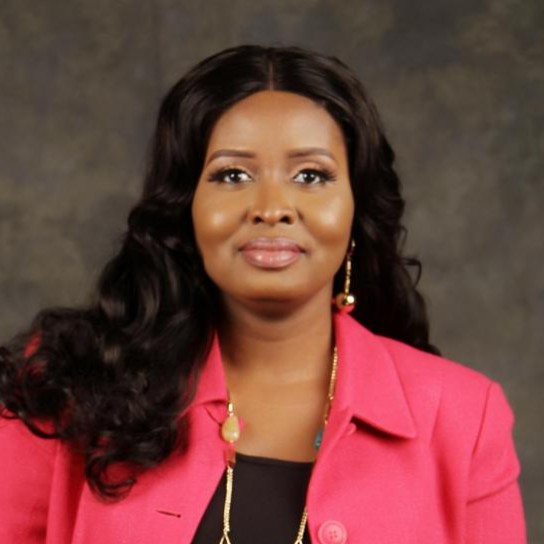
Dr. Asmau Benzies Leo is a development practitioner with extensive national and international expertise in gender equality, peace-building, governance, and humanitarian action. She holds a PhD in Public Governance and Leadership, a Master’s degree in Conflict Management and Peace Studies, and executive certifications from leading institutions including Howard University, Harvard University and Glasgow Caledonian University. As Executive Director of the Centre for Non-violence and Gender Advocacy in Nigeria (CENGAIN), she has led ground-breaking advocacy initiatives on women’s political participation, gender-based violence prevention, and security sector reform across multiple World Bank, UN and EU-supported projects.
The IWA Series 15 Conference is Here
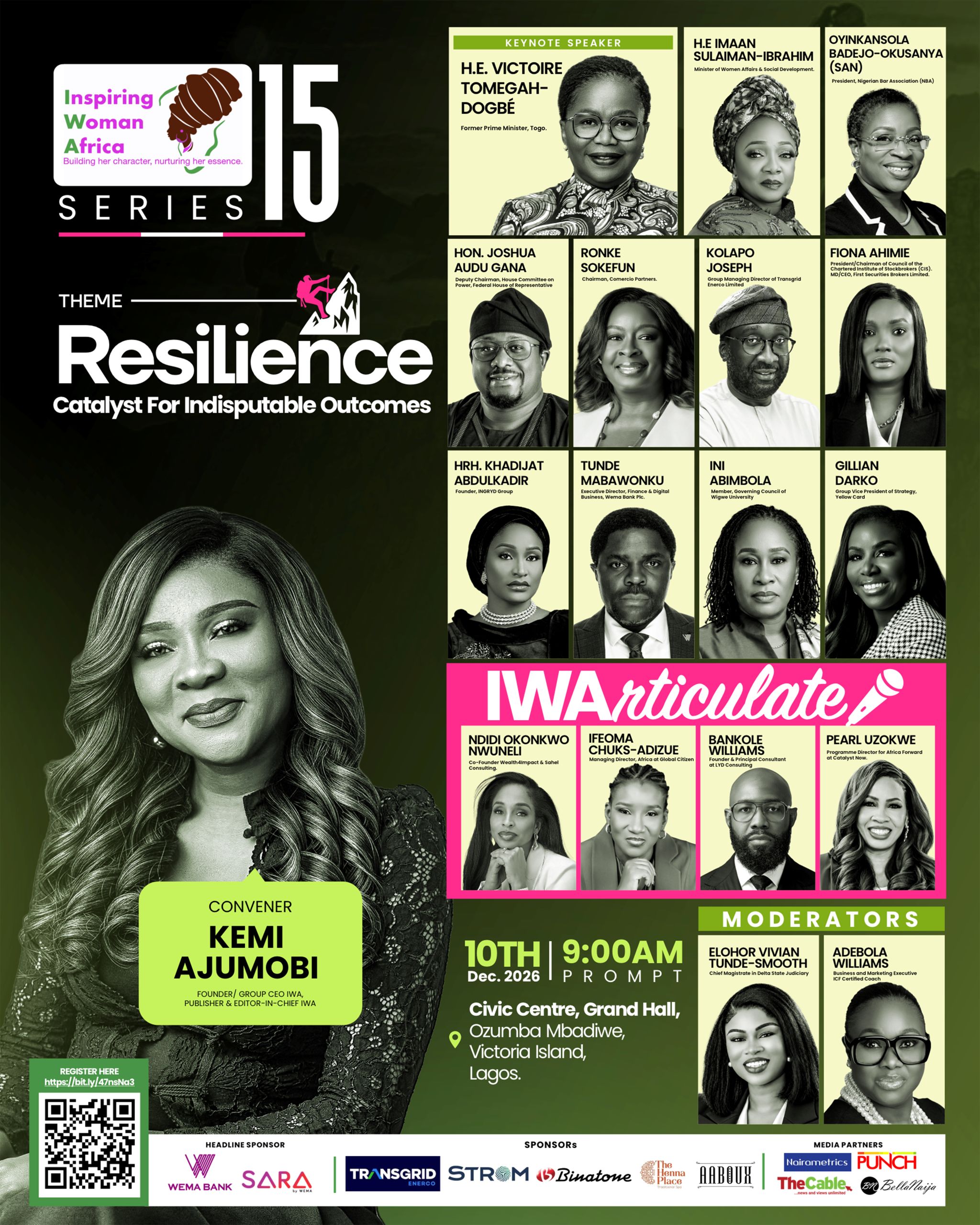
Click To Register
Latest Edition of IWA Magazine
October 20, 2026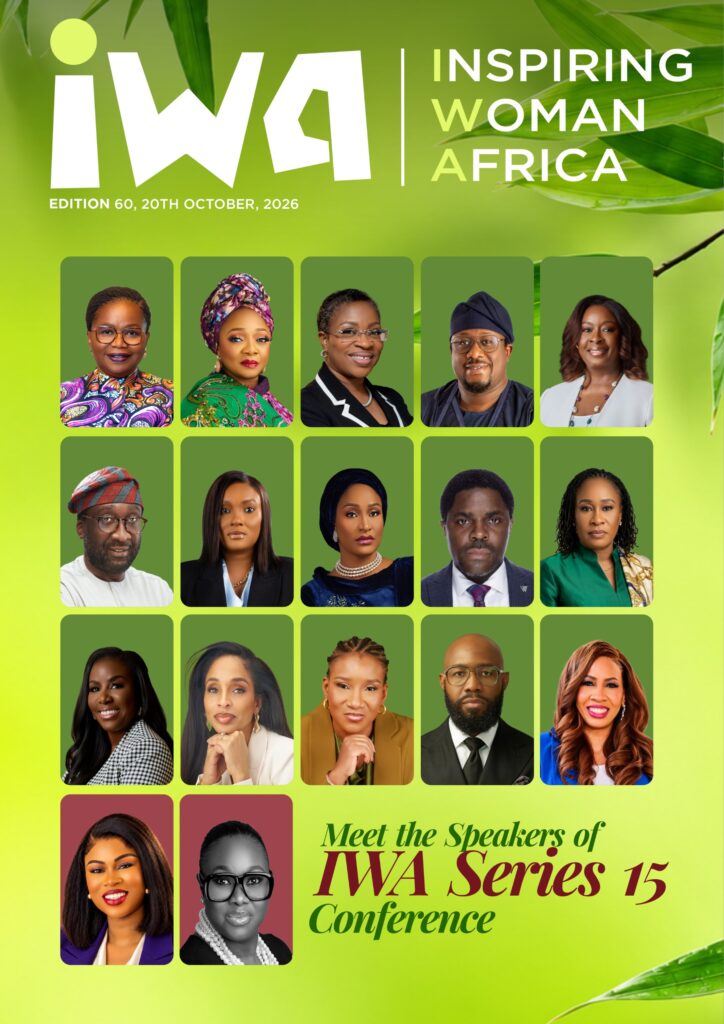
Meet the Speakers of IWA Series 15 Conference
Latest Posts
-
 Oct 20, 2026 Hard Conversations: The Skill No One Puts on a CV
 -
 Oct 20, 2026 5 Africa Women Listed as 2026 Forbes Icons
 -
 Oct 20, 2026 You Are Wealthier Than You Think