 Wola Joseph-Condotti
Leadership, at its highest level, is often measured in numbers.
Revenue. Growth. Market share. Efficiency.
Boardrooms celebrate performance. Dashboards track output. Reports highlight results.
But beneath all of that (beneath the strategy decks and operational excellence) is something far more powerful, yet often overlooked:
Humanity
Because no matter how advanced our systems become, leadership is still, at its core, about people.
The Quiet Shift We Must Make
We are living in a time where leaders are under immense pressure to deliver. To outperform. To constantly prove value.
And in that pursuit, something subtle happens. We begin to lead with metrics over meaning. With outcomes over people. With perfection over presence.
We forget that behind every KPI is a person. Behind every deliverable is a human being navigating life; family pressures, health struggles, silent battles.
And when leadership loses sight of humanity, organisations may still perform… but they slowly begin to fracture.
The Strength in Being Human
For a long time, leadership was defined by distance.
The leader was expected to be composed, controlled, almost untouchable.
Vulnerability was seen as weakness. Emotion was seen as inefficiency.
But the most impactful leaders I have encountered (and strive to be) are those who understand that humanity is not a liability. It is a leadership advantage.
- The leader who listens, not just instructs
- The leader who sees, not just supervises
- The leader who cares, not just commands
These are the leaders people remember.
These are the leaders people follow, even when they do not have to.
Compassion Is Not Soft. It Is Strategic
Let us be clear: compassion is not the absence of accountability.
You can be kind and still be firm. You can be empathetic and still demand excellence. In fact, the most sustainable high-performance cultures are built on trust, not fear.
When people feel seen, they give more. When people feel valued, they stay longer. When people feel safe, they innovate better. Compassion is not just a moral choice, it is a strategic one.
The Courage to Be Vulnerable
There is a quiet courage in letting people see your humanity.
In admitting, “I do not have all the answers.” In saying, “This is a difficult season.” In acknowledging that leadership does not exempt you from being human. I have had moments in leadership where strength looked like decisiveness. And others where strength looked like honesty.
And in those moments of authenticity, something powerful happens: People do not lose respect for you. They connect with you.
Because perfection distances. But authenticity draws people in.
A Biblical Perspective
One of the most profound examples of leadership is found in Jesus.
He led crowds, but He also paused for individuals. He performed miracles, but He also wept. He carried authority, but He also carried compassion.
He was powerful, yet deeply personal.
And that is the balance we must strive for as leaders: To lead with strength, but never lose our softness. To carry authority, but never abandon empathy.
Final Thoughts
The world does not need more perfect leaders.
It needs more present leaders. More compassionate leaders. More human leaders.
Because long after the numbers fade, what people remember is how you made them feel. Whether you saw them. Whether you valued them. Whether you led them not just with your mind but with your heart.
So as you sit in boardrooms, lead teams, make decisions, and drive results,
remember this:
You are not just building an organisation. You are shaping lives.
And the greatest legacy you will leave will not be found in reports or records but in the people who became better, stronger, and more whole because they were led by you.
That is leadership. Beyond the boardroom.
About Author
Wola Joseph-Condotti
Wola Joseph-Condotti is the CEO, Eko Power Limited. She is a Harvard-trained lawyer and passionate advocate for faith-driven leadership, gender equity, and energy transition in Africa. She writes from the intersection of power, purpose, and personal growth.
The IWA Series 15 Conference is Here
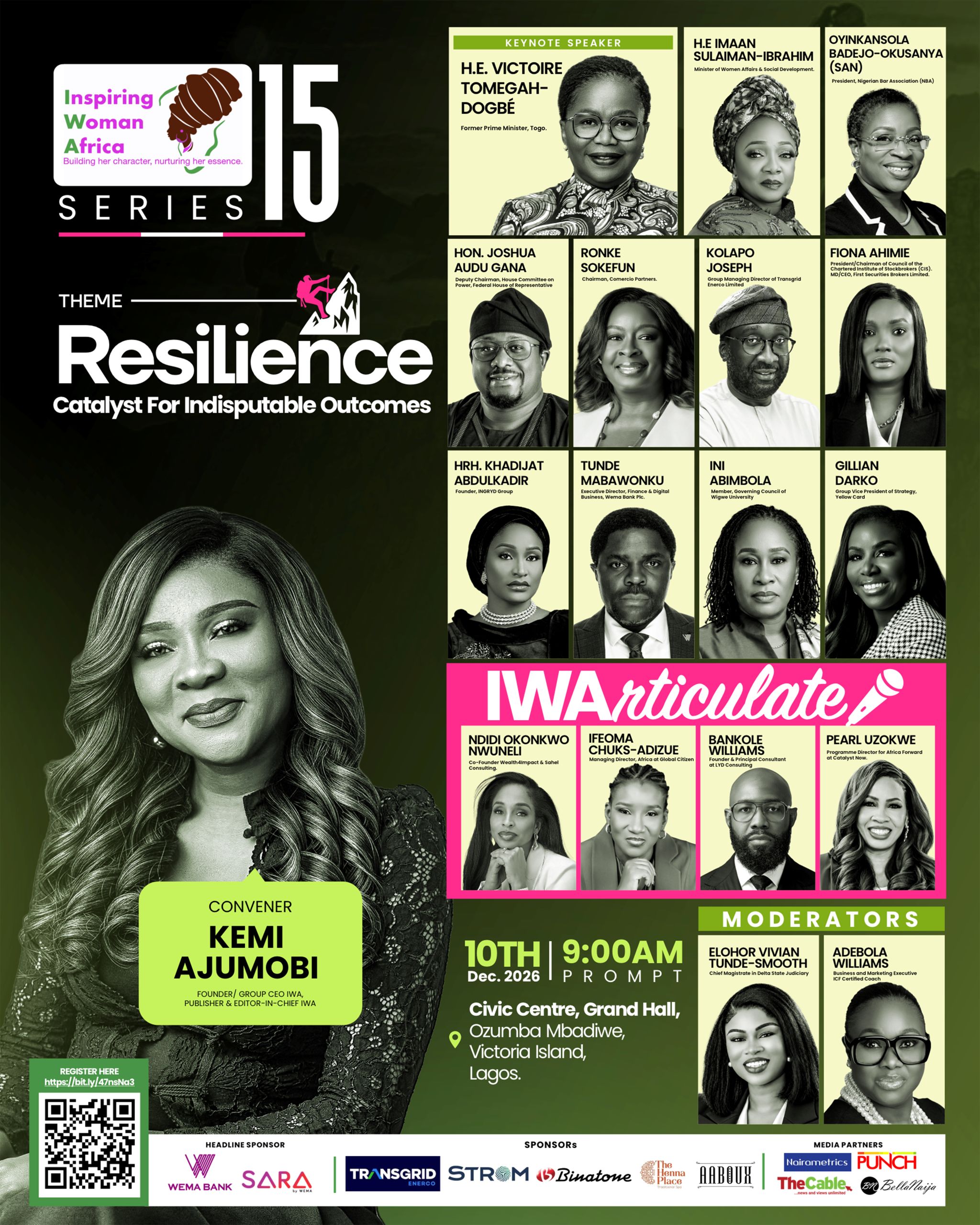
Click To Register
Latest Edition of IWA Magazine
October 27, 2026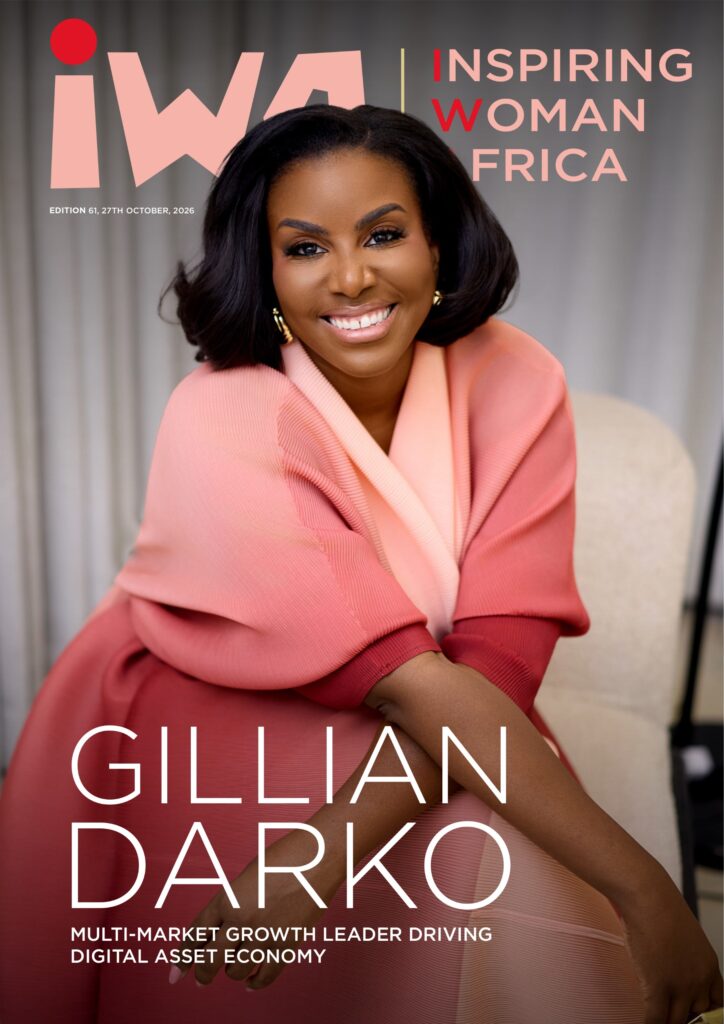
GILLIAN DARKO: Multi-market Growth Leader Driving Digital Asset Economy
Latest Posts
-
 Oct 27, 2026 Your Money Is Wasting. You Just Cannot See It.
 -
 Oct 27, 2026 THE PRIVILEGE OF BEING THE ONLY WOMAN IN THE ROOM
 -
 Oct 27, 2026 LUÍS FILIPE RODRIGUES LÉLIS