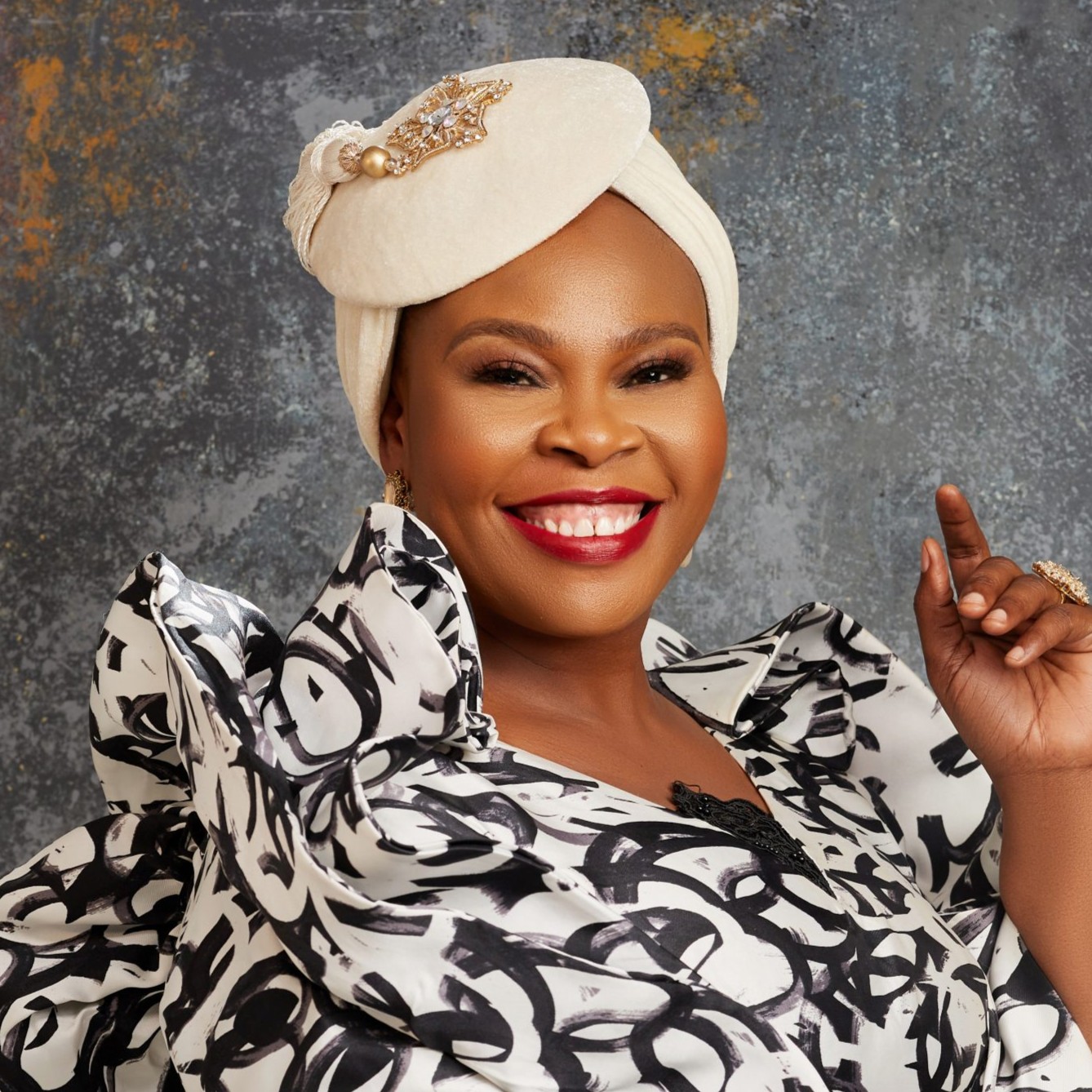
 Dr. Maymunah Yusuf Kadiri
In a world increasingly focused on performance, achievement, and measurable success, we are quietly overlooking one of the most important investments any society can make, the holistic wellbeing of its children. Health is not something that begins in hospitals or is corrected in adulthood. It is shaped early, lived daily, and reinforced through the environments children grow up in.
The real question is no longer whether children should develop healthy habits. It is whether we, as families, schools, and communities, are creating ecosystems that make those habits natural, sustainable, and meaningful.
In one family, this understanding became a way of life. Two children, full of potential and curiosity, were not just taught what it meant to be healthy, they experienced it. Their home was not governed by rigid rules but by intentional living. Meals were not just about food; they were about nourishment, connection, and shared responsibility. Movement was not punishment; it was joy. Sleep was not an afterthought; it was protected.
What made the difference was not perfection. It was consistency. This is the essence of holistic living. It goes beyond telling children to “eat well” or “exercise more.” It is about creating a lifestyle where physical, mental, emotional, and social wellbeing are interconnected and equally prioritised.
Children do not learn from instruction alone. They learn from observation. The habits they carry into adulthood are often reflections of what they repeatedly see and experience. When parents model balance, when homes prioritise connection over chaos, and when routines are built around wellbeing rather than convenience, children internalise these patterns as normal.
Nutrition, for instance, is not just about calories and nutrients. It is about relationship with food, with family, and with self. When children are involved in preparing meals, when they understand where food comes from, and when eating becomes a shared experience, they develop healthier attitudes that extend far beyond the plate.
Physical activity follows a similar pattern. It is not about enforcing exercise as an obligation, but about integrating movement into daily life. Whether through play, sports, dance, or simple outdoor activities, movement becomes a natural expression of energy and joy. In such environments, children are not forced to be active, they want to be.
Sleep, often underestimated, is equally foundational. In a culture that glorifies busyness, children are increasingly exposed to irregular routines and overstimulation. Yet, adequate rest is critical for cognitive development, emotional regulation, and overall resilience. Protecting sleep is not just a parental responsibility; it is a societal one.
Beyond the physical, there is an equally urgent need to address emotional and social wellbeing. Children today are growing up in a world that is more connected digitally but often more disconnected relationally. Excessive screen time, reduced face-to-face interaction, and increasing academic pressure are reshaping childhood in ways we are only beginning to understand.
This is where intentional living becomes critical. Setting boundaries around screen use, encouraging creative play, and fostering open communication are not restrictive practices, they are protective ones. They create space for imagination, connection, and emotional expression.
Research continues to affirm that early life experiences significantly influence long-term health outcomes. According to the World Health Organization, behaviours established during childhood and adolescence often track into adulthood, shaping risks for chronic diseases, mental health conditions, and overall quality of life. This underscores a powerful truth: prevention does not start in clinics; it starts in homes. But this responsibility does not rest on families alone.
Schools, communities, and policymakers all play a role in shaping the environments children grow up in. Access to safe recreational spaces, quality education, nutritious food, and supportive social systems are not luxuries, they are necessities for raising healthy generations. When these systems align, the impact is exponential.
Ultimately, raising healthy children is not about creating perfect routines or achieving ideal standards. It is about building lives that are balanced, connected, and sustainable. At the end, we are not just raising children who can succeed academically or professionally. We are raising future adults who must navigate complex lives, manage stress, build relationships, and sustain their wellbeing. The habits we help them build today will determine how well they do that tomorrow.
Holistic living is not a trend. It is a foundation. and it begins with how we choose to raise our children.
About Author
Maymunah Yusuf Kadiri
Dr. MAYMUNAH YUSUF KADIRI (aka DR. MAY) popularly referred to as “The Celebrity Shrink,” is a multiple award winning Mental Health Physician, Advocate & Coach. She is the convener of “The Mental Health Conference” and the Medical Director and Psychiatrist-In-Chief at Pinnacle Medical Services, Dr. Kadiri is a dynamic Consultant Neuro-Psychiatrist and a Fellow of the National Post Graduate Medical College of Nigeria (FMCPsych) with almost 20 years’ experience as a practicing Physician.
The IWA Series 15 Conference is Here
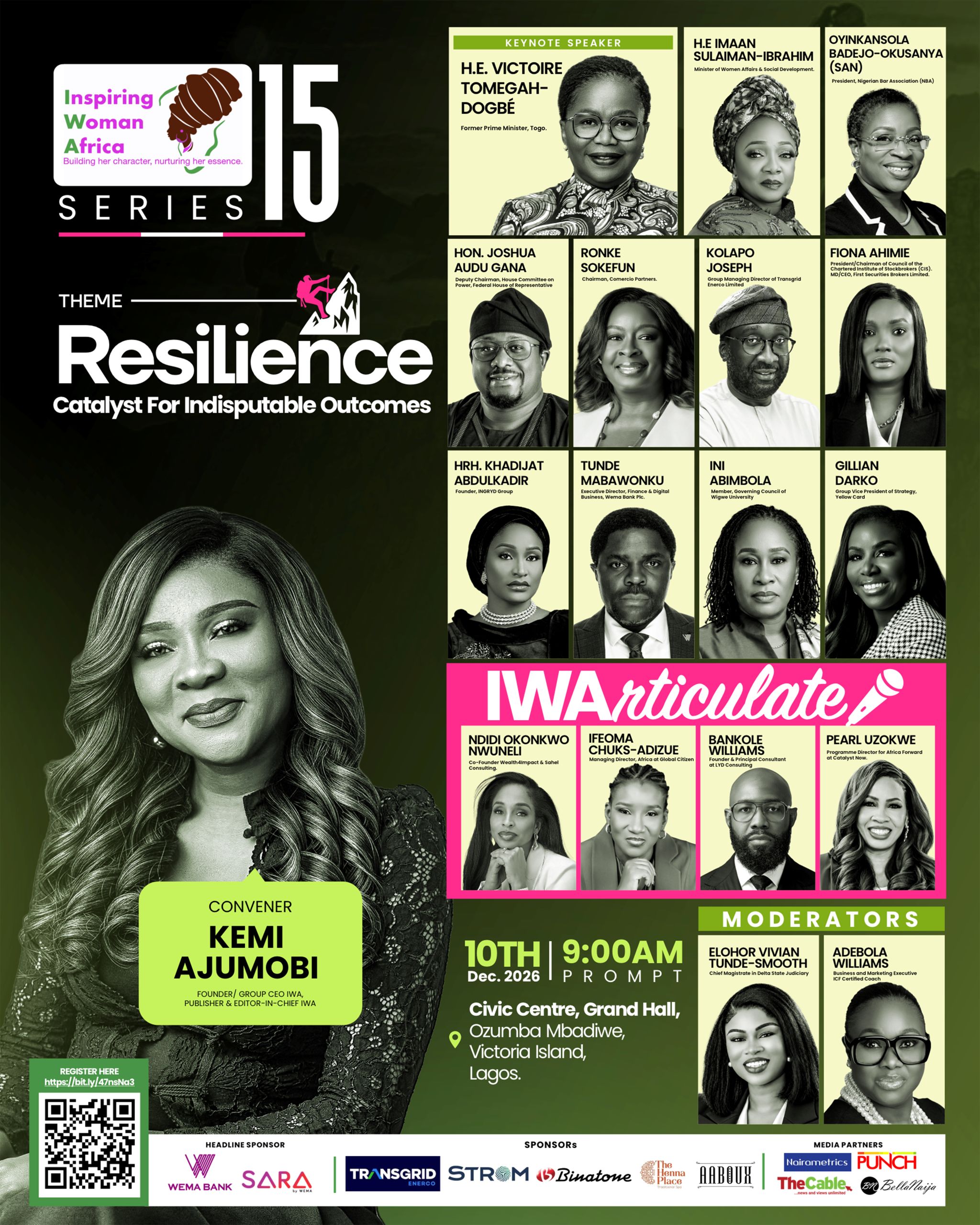
Click To Register
Latest Edition of IWA Magazine
October 27, 2026
GILLIAN DARKO: Multi-market Growth Leader Driving Digital Asset Economy
Latest Posts
-
 Oct 27, 2026 Your Money Is Wasting. You Just Cannot See It.
 -
 Oct 27, 2026 THE PRIVILEGE OF BEING THE ONLY WOMAN IN THE ROOM
 -
 Oct 27, 2026 LUÍS FILIPE RODRIGUES LÉLIS