 Dr. Asmau Benzies Leo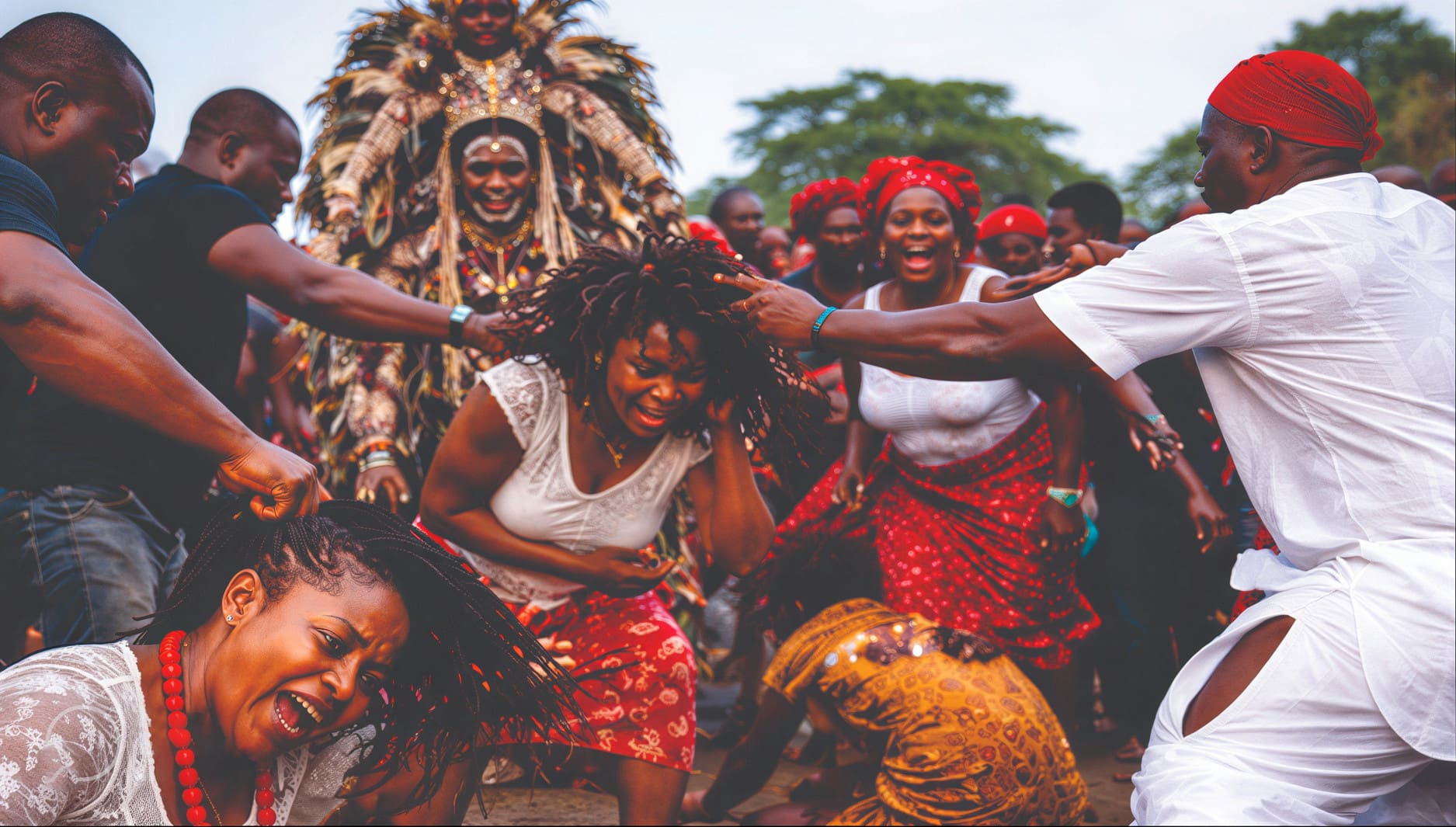
The recent violence against women in Isoko North LGA, Delta State, has once again forced Nigeria into an uncomfortable but necessary reckoning: when does culture become a cover for abuse?
Disturbing viral video reports and images from a traditional festival known as the Alue -Do (Ozoro Festival) in Isoko LGA, Delta State in Nigeria showed women being chased, stripped, and sexually assaulted in public spaces, triggering nationwide outrage.
While some community voices insist the event is merely a fertility rite rooted in tradition, they also acknowledge that what occurred during the festival was pure harassment, molestation, and mob assault targeted at women hence was unacceptable and criminal. This criminality was enabled by silence, complicity, and weak accountability.
To dismiss the incident as the misconduct of “a few youths” is to ignore a deeper and more troubling reality: the intersection of culture, masculinity, and gender based violence (GBV) in Nigeria.
Historically, many African societies including those in southern Nigeria have preserved rituals tied to fertility, womanhood, and communal identity. These traditions were not inherently violent. However, over time, patriarchal distortions have reshaped some practices into instruments of control, where women’s bodies are treated as symbols rather than as autonomous human beings deserving dignity and protection.
The Ozoro community festival incident reflects this dangerous evolution. A system that informally warns women to remain indoors during certain cultural observances reveals a troubling logic: instead of restraining perpetrators, responsibility is shifted to potential victims. This is not cultural preservation, it is normalising fear and violence.
Masculinity, as socially constructed in many parts of Nigeria, further compounds the problem. Young men are often socialised into equating manhood with dominance, entitlement, and sexual conquest. When such ideas are reinforced by cultural silence and weak institutional responses, they can erupt into collective violence. The public and coordinated nature of the assaults during the festival suggests not just an isolated misconduct but a broader social tolerance for abuse.
The consequences for women and girls are severe and enduring. Beyond physical harm, survivors, their families and communities have to endure deep psychological trauma, stigma, and long term insecurity. Many women and girls reportedly retreated indoors out of fear, disrupting their education, business and their daily lives and limiting their participation in public and economic spaces. This erosion of freedom of movement, expression, and safety is one of the most insidious impacts of GBV. Over time, such incidents reinforce cycles of silence, underreporting, and normalised abuse across communities.
Yet, this is not an isolated case. Across Nigeria, from rural communities to urban centers, gender based violence persists where harmful norms intersect with weak enforcement and limited access to justice.
Addressing this crisis requires more than public condemnation, it demands systemic reform, particularly within government policy, security systems, and the justice sector.
First, government policy must move from intention to impact. Nigeria already has legal frameworks such as the Violence Against Persons (Prohibition (VAPP) Act, which criminalises various forms of abuse and provides protections for victims. However, uneven domestication across states and poor enforcement continue to limit its effectiveness. State governments, including Delta State, must fully implement these laws by allocating resources for it enforcement, and invest in survivor support services, including shelters, legal aid, and psychosocial care. Policies must also explicitly confront harmful cultural practices and impose clear sanctions against violations carried out in the name of tradition.
Second, security sector reform is critical. Law enforcement agencies must anticipate and secure high risk events such as traditional festivals where patterns indicate potential for abuse. Preventive deployment, intelligence gathering, and community policing should be a standard practice. Security presence must be proactive, not symbolic. Equally important is building trust so survivors can report violations without fear of stigma or retaliation.
Third, the justice system must be strengthened to end impunity. Survivors of sexual and gender based violence often face delays, secondary victimisation, and low conviction rates. Establishing specialised GBV courts, fast tracking procedures, and survivor centered approaches can significantly improve outcomes. When perpetrators are swiftly investigated, prosecuted, and punished, it sends a clear message that no cultural justification will shield criminal acts.
Traditional institutions also have a pivotal role to play. As custodians of culture, they must lead efforts to reform or abolish practices that endanger women and girls. Culture is not static, it evolves with society. Any tradition that requires women to hide for safety or risk violation has already lost its moral legitimacy. Community leaders must denounce violence, enforce internal accountability, and collaborate with government to protect all citizens.
The lessons from the Ozoro community Festival is clear: no culture, no matter how ancient, can stand above human dignity. Hence, Ending gender based violence in Nigeria requires a coordinated action; legal, institutional, and cultural. The choice is stark, preserve traditions that protect life and dignity, or continue to excuse systems that enable harm.
Dr. Asmau Benzies Leo is a development practitioner with extensive national and international expertise in gender equality, peace-building, governance, and humanitarian action. She holds a PhD in Public Governance and Leadership, a Master’s degree in Conflict Management and Peace Studies, and executive certifications from leading institutions including Howard University, Harvard University and Glasgow Caledonian University. As Executive Director of the Centre for Non-violence and Gender Advocacy in Nigeria (CENGAIN), she has led ground-breaking advocacy initiatives on women’s political participation, gender-based violence prevention, and security sector reform across multiple World Bank, UN and EU-supported projects.
Latest Edition of IWA Magazine
September 8, 2026
Surviving the Genocide Against the Tutsi in Rwanda: ASSUMPTA NUMUKOBWA and DIMITRIE SISSI MUKANYILIGIRA Turned Pain to Purpose
Latest Posts
-
 Sep 8, 2026 You Cannot Lead From a Broken Vessel