 Wola Joseph-Condotti
Somewhere between being called “approachable” and being expected to “fix the culture,” many women in leadership quietly became their office’s emotional sponge. We are praised for our empathy. Applauded for our warmth. Called “good with people.”
But too often, the expectation of emotional intelligence slides into something else: emotional labor. The kind that is unacknowledged, unpaid, and exhausting.
The Fine Line Between EQ and Emotional Exhaustion
Let us be clear: emotional intelligence (EQ) is a vital leadership skill. It is what allows you to read a room, resolve conflict, hold space for others, and communicate with wisdom.
But when EQ becomes a full-time, informal role, when you are constantly mediating, absorbing tension, softening bad news, or being the unappointed “Chief Empathy Officer”, that is no longer EQ.
That is emotional labor.
It is unseen. It is unspoken. And it is unsustainable.
The Hidden Cost for Women Leaders
For many female executives, especially in Africa, emotional labor is tied to cultural expectations.
We are mothers, even in the office. We are called to nurture, even when we need nurturing. We are expected to be strong, yet soft. Decisive, yet gentle. Present, yet invisible when it comes to our own needs.
It is not that we mind caring. It is that we are often expected to do it all while also carrying the weight of performance, politics, and perception.
And the moment we set boundaries or express fatigue? We are accused of being “too harsh,” “too cold,” or “not a team player.” This is how many women burn out: not from the work itself, but from the emotional expectations wrapped around it.
Emotional Intelligence with Boundaries
So how do we lead with heart without becoming the unofficial office therapist?
We start by drawing a line between compassion and codependency. Compassion says, “I hear you. Let us explore a way forward.” Codependency says, “I’ll fix this for you even if it breaks me.”
We must reclaim EQ as a strategic asset, not a blanket expectation.
It is not our job to regulate everyone’s emotions. It is our responsibility to lead with empathy but also with clarity, courage, and self-preservation.
Leadership with Soft Strength
Jesus led with emotional intelligence. He wept with those who wept. He paused for the outcast. He saw people, fully.
But He also retreated to rest. He set boundaries. He confronted dysfunction. Even in His compassion, He was never emotionally manipulated.
That is the model.
Practical Ways to Guard Your Energy
Here are a few strategies I have personally found helpful:
Name the Role Drift: If you find yourself constantly pulled into emotional dynamics that are not yours to manage, pause. Ask, “Is this part of my mandate or a silent expectation?”
Normalise Boundaries: You can be kind and firm. You can care and say, “Let us talk about this in your one-on-one with HR.”
Prioritise Peer Support: Find spaces (mentorship, masterminds, or professional circles) where you can be poured into, too.
Protect Recovery Time: Not every leadership win comes from more output. Some come from protecting your input, your rest, your prayer, your peace.
Final Thoughts
As women leaders, we must learn to feel without absorbing, care without collapsing, and lead without losing ourselves. We are not less empathetic because we refuse to carry everyone’s burdens. We are simply learning to lead with wisdom, not weariness.
Let your emotional intelligence be your superpower, but never let it be your silent undoing.
Wola Joseph-Condotti is the CEO of Eko Electricity Distribution Company (EKEDC). She is a Harvard-trained lawyer and passionate advocate for faith-driven leadership, gender equity, and energy transition in Africa, she writes from the intersection of power, purpose, and personal growth.
Author
Latest Edition of IWA Magazine
July 28, 2026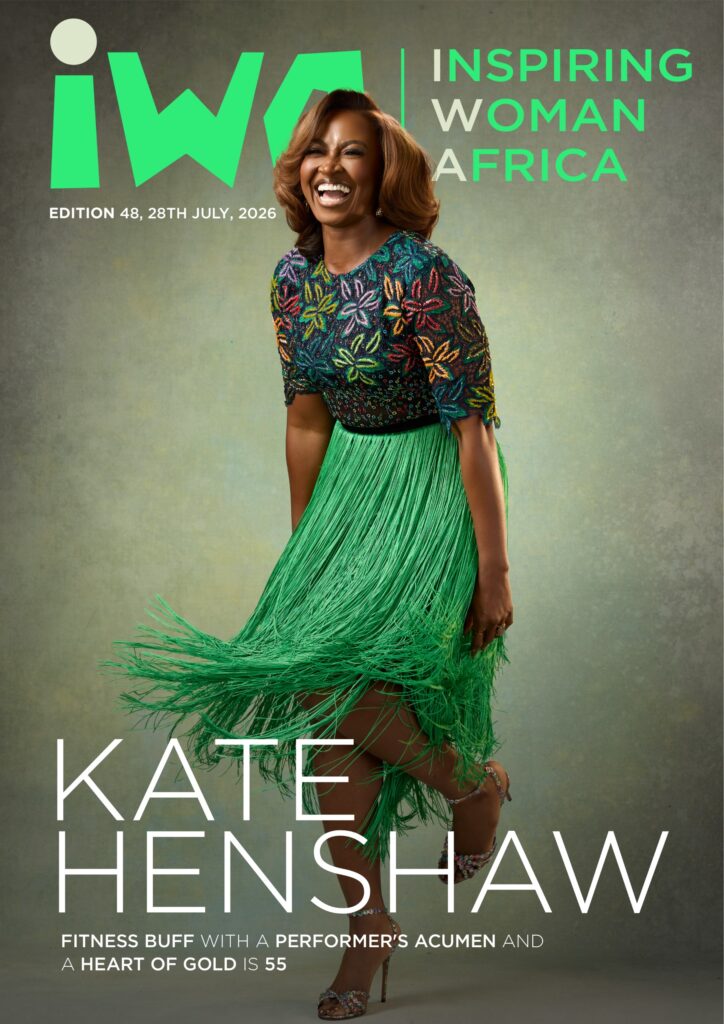
KATE HENSHAW, Fitness Buff with a Performer’s Acumen and a Heart of Gold is 55
Latest Posts
-
 Jul 28, 2026 Teach the Small Money
 -
 Jul 28, 2026 A Letter to the Employee in All of Us
 -
 Jul 28, 2026 Why Do People Hate Accountability?