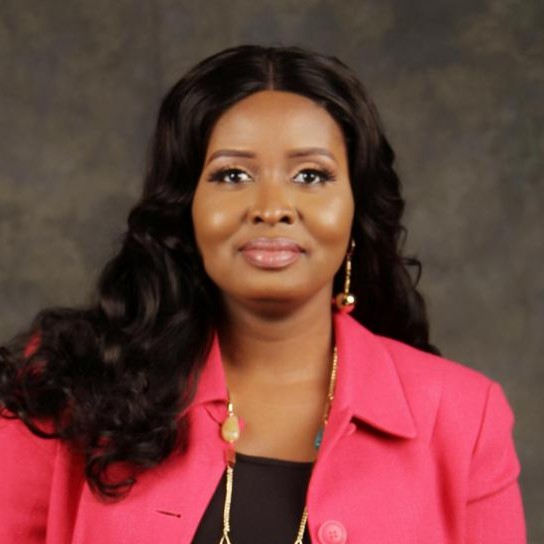
 Dr. Asmau Benzies Leo
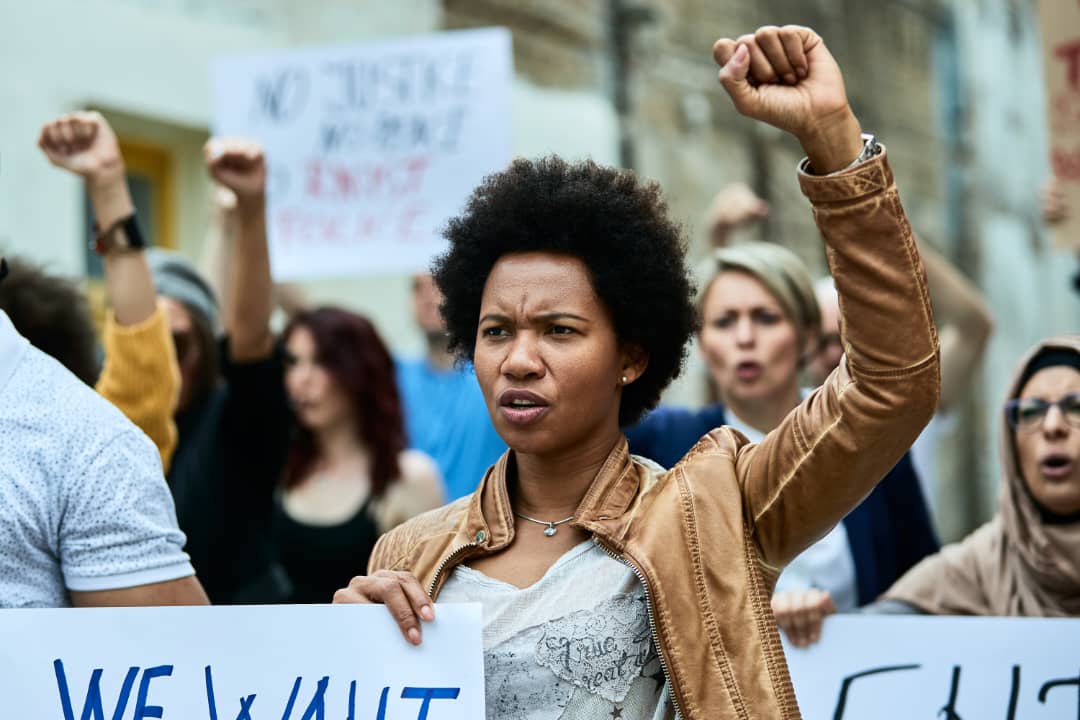
On 25 November 2026, the international community will once again mark the International Day for the Elimination of Violence Against Women, inaugurating the annual 16 Days of Activism Against Gender-Based Violence, a global campaign that culminates on 10 December which is the International Human Rights Day. Yet for millions of women and girls, the distance between these two dates on the calendar mirrors a far wider chasm: the gap between the human rights promised to them on paper and the protection they actually experience in their daily lives.
This year’s theme, “UNiTE to End Violence Against Women and Girls: Ensure Justice, Protect Survivors, End Impunity,” arrives as an urgent call to bridge that divide. It challenges governments, institutions, communities, and individuals to move past performative solidarity and confront a sobering reality; gender-based violence does not merely thrive in the absence of laws. It persists where existing statutes are poorly enforced, where support systems remain out of reach, and where perpetrators operate without fear of consequence. At its core, the 2026 campaign poses a fundamental test of institutional integrity. When a woman or girl finds the courage to report abuse, will she be believed, shielded from retaliation, and guided through a justice system free from prohibitive costs, delays, and secondary trauma?
Across the globe, violence against women and girls remains one of the most pervasive human rights violations of our time. It knows no boundaries of geography or class, infiltrating homes, classrooms, workplaces, public transit, conflict zones, and increasingly, digital spaces. Whether manifested through intimate partner abuse, sexual violence, human trafficking, child marriage, female genital mutilation, or online harassment, these violations systematically narrow the horizon of women’s choices, eroding their health, educational attainment, economic independence, and civic participation.
To secure the future she deserves, the 2026 campaign places survivor-centred justice at the very heart of prevention and response. The stakes are underscored by stark global evidence: the World Health Organisation estimates that nearly one in three adolescent girls aged 15 to 19, roughly 43 million young women worldwide have already been subjected to partner or non-partner sexual violence. Reversing this trajectory requires redefining justice not merely as a courtroom verdict, but as a continuum of care. True justice demands accessible reporting channels, confidential healthcare, psychosocial counselling, legal aid, safe shelter, and ironclad protection against intimidation all delivered with dignity, ensuring survivors are empowered to make informed choices without facing stigma, blame, or coercion.
In Nigeria, this mandate resonates with acute urgency. Across the nation, women and girls continue to navigate a complex landscape of domestic violence, sexual assault, exploitation, child marriage, female genital mutilation, and trafficking. These vulnerabilities are severely compounded by protracted insecurity and humanitarian crises. Throughout parts of the North East, North West, and North Central regions, armed conflict, banditry, mass abductions, and forced displacement have stripped away community safety nets, exposing women and girls to heightened risks of sexual violence, family separation, and economic destitution.
Even when survivors seek redress, formidable structural and social barriers often stand in their way. Financial hardship, geographic isolation, deep-seated stigma, fear of community reprisal, and intense family pressure to settle criminal matters privately routinely silence victims before their cases ever reach a formal authority. Those who do come forward frequently encounter insensitive policing, stalled investigations, compromised forensic evidence, and fragmented referral pathways. For women living with disabilities, adolescent girls, rural residents, and internally displaced persons, these systemic failures are doubly punishing.
Nigeria does not lack legislative ambition. Landmark frameworks including the Violence Against Persons (Prohibition) Act of 2015, the Child Rights Act of 2003, and the National Gender Policy, provide a robust legal foundation, complemented by the steady expansion of Sexual Assault Referral Centres across several states. However, statutes alone cannot shield a survivor. Transforming policy into tangible protection requires universal domestication across all states, dedicated budgetary allocations, specialised personnel training, rigorous data management, and seamless inter-agency coordination. Nigeria’s pressing priority is no longer drafting new policies or declarations, but enforcing the promises already on the books.
At the same time, our conception of safety must evolve to meet modern threats. As daily life migrates online, digital spaces have become new frontiers for gender-based abuse. Cyberstalking, sextortion, impersonation, online threats, and the non-consensual creation or distribution of intimate imagery are increasingly weaponised to silence women’s voices and drive girls away from digital education and economic opportunity. Countering this trend requires modernised investigative capacities, widespread digital literacy, survivor-focused tech support, and stronger accountability from technology platforms and government agencies as the National Cybersecurity coordination center
Ultimately, legislation and enforcement must be reinforced by deep cultural transformation. Lasting prevention requires dismantling the social norms that excuse aggression, scrutinise survivors, or dismiss abuse as a private domestic affair. Men and boys must be actively engaged as allies in challenging toxic masculinity, attitudes and modelling equitable relationships. Traditional and religious leaders, educators, corporate employers, and media professionals all wield the influence needed to shift public consciousness and establish an unequivocal standard: that is”abuse is never justifiable”.
As the 16 Days unfold, federal and state authorities must outline measurable commitments to bolster law enforcement, sustainably fund frontline civil society organisations, and synchronise the efforts of police, healthcare providers, social welfare agencies, and the judiciary. Institutions must establish safe, transparent whistleblowing mechanisms while elevating the leadership and lived expertise of survivors anchored by ethical, disaggregated data collection that captures the realities of age, disability, and geography. Success cannot be measured by the number of awareness marches held, but by timely prosecutions, accessible services, and the demonstrable safety of women and girls.
When the campaign concludes on 10 December, the work must only accelerate. In Nigeria, a woman’s right to justice must never be dictated by her income, her location or her social standing. Ending gender-based violence is not solely a women’s struggle; it is the defining measure of our collective humanity and national progress. By uniting to ensure justice, protect survivors, and end impunity, we can build a society where every woman and girl is free to live, learn, work, and lead without fear.
About Author
Asmau Benzies Leo
Dr. Asmau Benzies Leo is a development practitioner with extensive national and international expertise in gender equality, peace-building, governance, and humanitarian action. She holds a PhD in Public Governance and Leadership, a Master’s degree in Conflict Management and Peace Studies, and executive certifications from leading institutions including Howard University, Harvard University and Glasgow Caledonian University. As Executive Director of the Centre for Non-violence and Gender Advocacy in Nigeria (CENGAIN), she has led ground-breaking advocacy initiatives on women’s political participation, gender-based violence prevention, and security sector reform across multiple World Bank, UN and EU-supported projects.
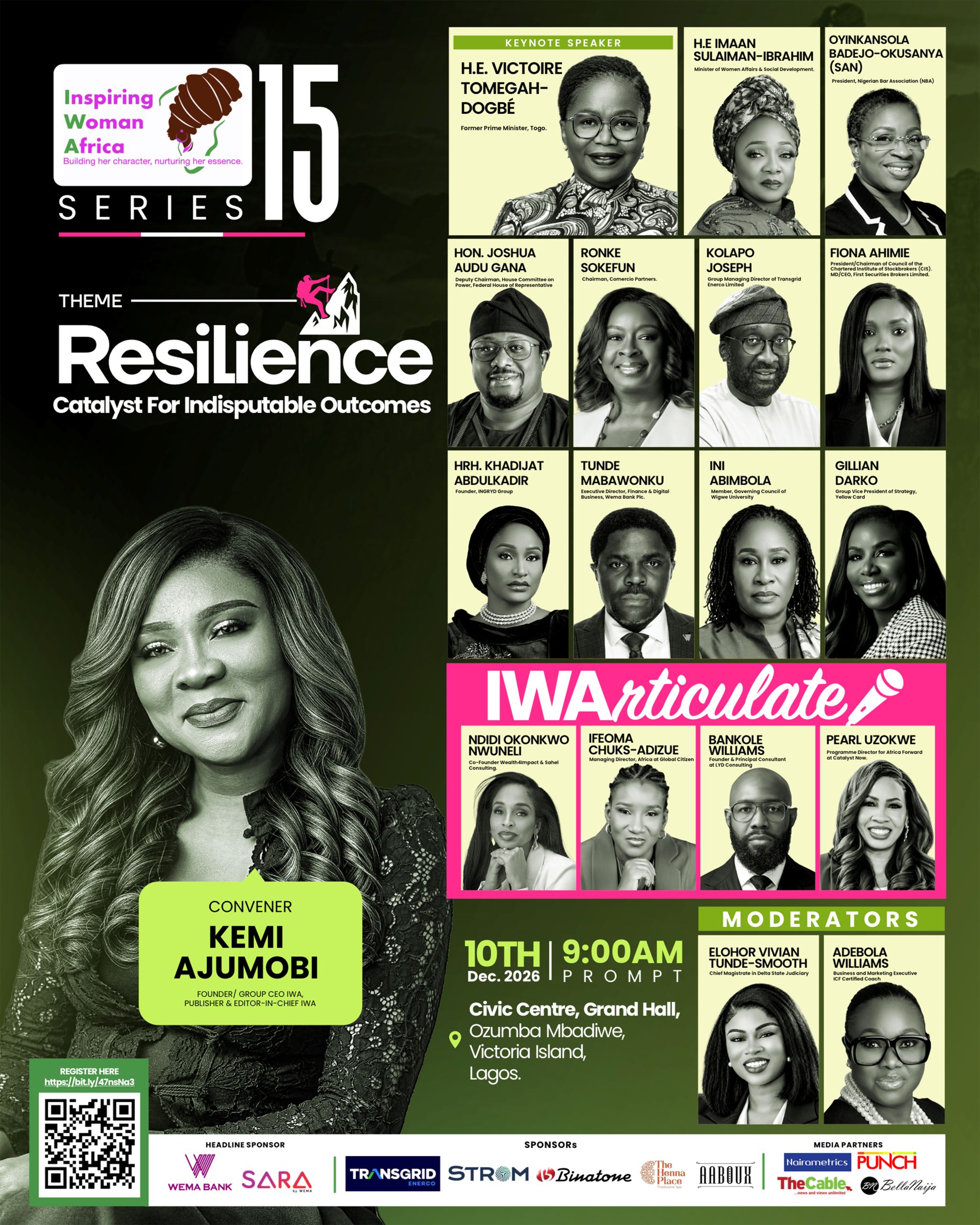
The IWA Series 15 Conference is Here
Click To Register
Latest Edition of IWA Magazine
November 24, 2026