 Kemi Ajumobi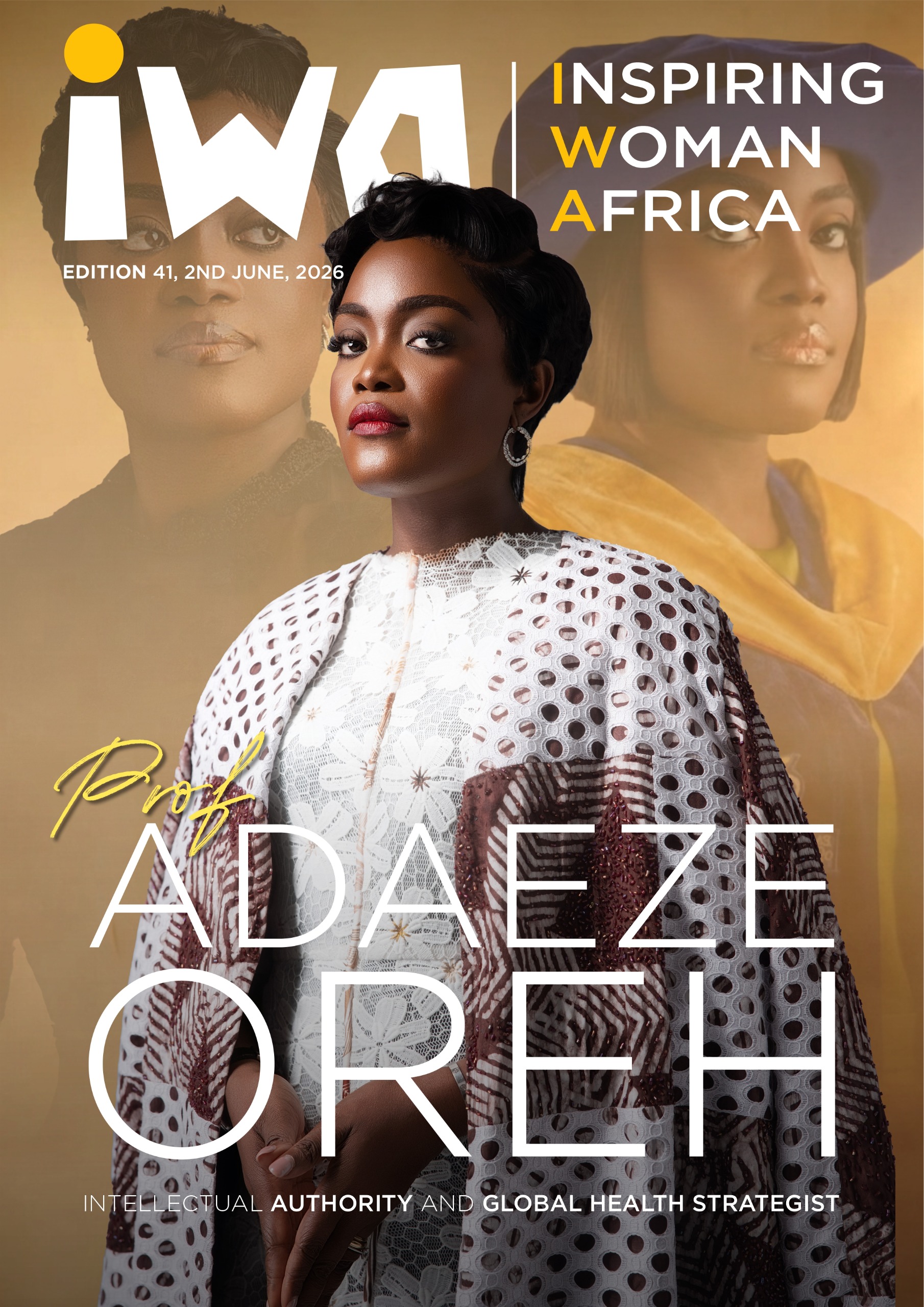
Professor Adaeze Oreh is a Consultant Family Physician and the immediate past Honourable Commissioner for Health in Rivers State, Nigeria. She has over two decades of private and public healthcare experience, and prior to her appointment as Commissioner, was the Country Director of Planning, Research and Statistics for Nigeria’s National Blood Service Commission (NBSC) where she was actively involved in the process leading up to the enactment of the National Blood Service Commission Act 2021, and secured a grant from Fund for Innovation in Development (FID) for an innovative technology for transfusion to mitigate the impacts of blood shortage in Nigeria.
Prof. Oreh was also a Senior Health Policy Advisor with the Department of Hospital Services in Nigeria’s Federal Ministry of Health, Adjunct Senior Lecturer with Baze University College of Medicine and Health Sciences teaching undergraduate Epidemiology, Health Policy and Planning, and Contemporary Issues in Public Health, and sat on the Governing Council of Pamo University of Medical Sciences – Nigeria’s first private university of Medical Sciences.
She is a Senior Fellow for Global Health with the Aspen Institute in Washington DC, and a Fellow of the West African College of Physicians contributing to the post-graduate training of clinical residents in Family Medicine, a Fellow of the Kofi Annan Global Health Leadership Programme, a Fellow of the Royal Society of Tropical Medicine and Hygiene and the Royal Society of Public Health, a Member of the White Ribbon Alliance for Safe Motherhood Global Strategy Advisory Group and the International Society of Blood Transfusion COVID-19 Working Group, Donors, and Donation Working Party, and Immune Therapy Sub-group.
With her vast experience and expertise in blood services in Africa, in 2021, she was invited by Harvard University (Harvard Kennedy School and Harvard T.H Chan School of Public Health) to support a cohort of master’s degree students in a project on blood services in Nigeria; and recently contributed on a Global Expert Panel convened by the Belgian Red Cross-Flanders to develop a Manual on Blood Donor Recruitment in Africa.
Prof. Oreh holds a Bachelor of Medicine & Surgery (MBBS) degree from University of Nigeria, Nsukka, Master of Science (MSc) degrees in International Health Management from Imperial College and Public Health from the London School of Hygiene and Tropical Medicine, Fellowship of the West African College of Physicians in Family Medicine; and is currently awaiting presentation of her Doctoral Thesis in Global Health at the University of Groningen in the Netherlands.
Additionally, she holds Leadership, Management and Public Policy certifications from Harvard Kennedy School of Government, University of Oxford Saïd Business School, Harvard Chan School of Public Health, University of Bath, and the University of Washington.
Between 2009 and 2014, Prof. Oreh was the Coordinator in charge of Abuja Federal Capital Territory, Nasarawa, and Niger States for Nigeria’s then National Blood Transfusion Service, where she worked in collaboration with the Federal Ministry of Health, the US Centers for Disease Control and Prevention (CDC), and the US President’s Emergency Plan for AIDS Relief (PEPFAR). Her role was critical to national blood and emergency services policy formulation, data analytics and management, operations supervision, quality assurance and emergency preparedness and response.
During the COVID-19 pandemic, she drew on her risk communications expertise, taking part in nearly 40 television and radio interviews nationally and internationally, and publishing over 60 editorials to help educate the public on the pandemic.
Before being appointed Commissioner for Health, she regularly conducted voluntary community medical outreach and advocacy campaigns through her foundation, Kaibeya Care Foundation Africa, providing medical and educational support to under-served communities in Northern Nigeria. She also sits on several non-profit boards in Nigeria and West Africa, volunteering, and supporting humanitarian initiatives in blood safety, medical services, maternal and child health, literacy, education, women, and youth empowerment.

A prolific writer on prevalent health and development issues in Africa, Prof. Oreh has authored publications in international, national, and local media outlets. She is a recognised advocate for respectful, dignified quality healthcare that addresses health inequities, universal health coverage and quality medical education in her advocacy and communication and has been invited to speak on several global platforms.
In March 2026, she was nominated ‘African Mental Health Advocate of the Year’ by Africa Golden Awards and spoke on topical issues such as Universal Health Coverage and Women’s Leadership at the 78th World Health Assembly in Geneva in 2025, Ibrahim Governance Weekend in Marrakech in 2025, and at the 74th United Nations General Assembly in New York in 2019. A member of the third cohort (2023 – 2024) of the Kofi Annan Fellowship in Global Health Fellowship with the African Union, Africa Centers for Disease Control, and the Kofi Annan Foundation, she was an invited speaker at the third Conference on Public Health in Africa which held in Lusaka, Zambia in 2024.
A recipient of numerous outstanding awards, barely one year following her appointment as Honourable Commissioner for Health in Rivers State, some of the initiatives delivered under her watch included the kick-starting of the state’s health insurance scheme – Rivers State Contributory Health Protection Programme, revival of 24-hours emergency medical services and ambulance system, establishment of acute malnutrition management sites, introduction of mental health services and primary eye care into the primary healthcare system, introduction of obstetric imaging in primary health care, the opening of a 750,000L/day medical oxygen plant, free malaria diagnosis and antimalarial treatment, expanded bedspace capacity in the state teaching hospital, unlocking promotion of health workers across the state, payment of 2-year residency training grant, full accreditation of undergraduate medical training and multiple specialties in the state university and teaching hospital among several others.
Prof. Oreh recently shared her career journey titled “Accessible Quality Healthcare – a doorway to improved wellbeing, opportunity, empowerment, and a better future” at TedX Abuja.
With over 125 publications on primary healthcare, infectious diseases, health systems and policy in peer-reviewed journals and mainstream media, her work has been cited by academics and researchers from across the world, and over the past year alone, her research has been cited in countries such as Australia, China, Singapore, India, United Kingdom, Ireland, Portugal, Hungary, Georgia, Saudi Arabia, Egypt, Ethiopia, Ghana, and Nigeria.
She is the co-author of two books, ‘Lessons Life Has Taught Me’ and ‘Sickle Cell Disease in Sub-Saharan Africa,’ with four (4) new books in various stages of publication.
What inspires you to consistently show excellence in your journey, career and leadership?
I remember when I was about 13 years old and still in secondary school at the University of Port Harcourt Demonstration Secondary School, Choba. I had just received a gift. It was a blue and pink folder, where I could save notes and other stationary. In trying to personalise it, I thought of writing a quote. I must have spent hours thinking about it, and then I came up with one that to my teen mind was absolutely profound – “Perfection may not be attainable but aim for excellence anyway.” I was so proud of myself! Basically, I think that I have allowed that quote from nearly thirty-five years ago drive everything that I do. So, whether it has been in the pursuit of knowledge, advancing my career in medicine and global health, or contributing my service in leadership, I have always felt that anything worth doing at all is worth doing excellently. This is also something that I observed both my parents embody. Interestingly, the motto of Pamo University of Medical Sciences, my current stomping grounds, is “Excellence for the good of all.”

As a Global Health Senior Fellow with the Aspen Institute and other fellowships, how important is it to be a member of such bodies and what impact does it have locally and internationally?
In 2019, I was one of 25 selected changemakers from countries such as Rwanda, Kenya, Ghana, Tanzania, Somalia, South Africa, Lebanon, Guyana, and Indonesia named Aspen New Voices Fellows by the Aspen Institute headquartered in Washington DC. We were selected from thousands of applications drawn from all over the Global South; to amplify and project the unique work we were doing in diverse aspects of healthcare, law, agriculture, entrepreneurship and innovative technology. This global fellowship offered me the opportunity to closely engage with colleagues outside of my core profession, and gain insights and inspiration from some very challenging yet amazing work they are doing in their various fields. It also broadened my networks to past and future cohorts of the fellowship, some of whom have become close friends and collaborators locally and internationally. Before 2019, the fellowships I had held included those of the Royal Society of Public Health, and Royal Society of Tropical Medicine and Hygiene. However, those were specific to my profession. I have gone on to become a recipient of two other amazing continental fellowships. One is the Amujae Initiative founded by Her Excellency President Ellen Johnson Sirleaf which has since 2020 convened select cohorts of African women leaders in development, politics and governance and exposed us to high-level leadership gatherings and mentorship. The other is the Kofi Annan Fellowship in Global Health Leadership by Africa CDC which selects African public health leaders from across the continent based on their work and unique contributions to global health. The KAFGHL has definitely provided me with elite opportunities to acquire advanced skills in strategy, management and leadership in public health, ultimately aimed at Africa’s public health transformation. These fellowships provide a concrete platform for networking and collaboration that have greatly expanded my work and outcomes for population health and development.
As the immediate past Honourable Commissioner for Health in Rivers State, what policies are you proud you initiated and implemented?
Some of the initiatives I am most proud of in my time as the immediate past Honourable Commissioner for Health in Rivers State, include first kick-starting of the state’s health insurance scheme – Rivers State Contributory Health Protection Programme. Interestingly, as at the time of my appointment, Rivers State was the only state in the federation that had not commenced its own state health insurance scheme despite having passed the law about two years before.
Other initiatives were the revival of 24-hours emergency medical services and ambulance system, establishment of acute malnutrition management sites, introduction of mental health services and primary eye care into the primary healthcare system, introduction of obstetric imaging in primary health care, the opening of a 750,000L/day medical oxygen plant donated by UNICEF, Canadian government and HIS Towers, donation of free malaria diagnosis and antimalarial treatment as part of the World Bank IMPACT programme, donation of cold chain equipment to support vaccine storage in Rivers State by the Oil Producers Trade Section (OPTS) a sub-group of the Lagos Chamber of Commerce and Industry, expanded bedspace capacity in the state teaching hospital, revitalisation of about 200 primary healthcare centres in collaboration with World Bank (135 centres) and National Primary Healthcare Development Agency through the Basic Healthcare Provision Fund.
Additionally, the donation of a newly constructed and donated 20-bed Comprehensive Primary Healthcare Centre in Ndoni, Ogba/Egbema/Ndoni LGA by Pamo Educational Foundation which collaborates with the state government by providing quality medical and health training through state-sponsored scholarships. There is also a major medical industrial partnership which we revived, that I hope should be made public soon enough. Evidently, attracting results-oriented partnerships formed a major part of my role as Commissioner.
Additionally, the employment of 2000 healthcare workers in a sector that had not seen the engagement of new personnel in over a decade, unlocking the promotion of health workers across the state that had been stagnated for over eight years, payment of 2-year residency training grants for resident doctors, full accreditation of undergraduate medical training and multiple specialties in the state university and teaching hospital, cutting across internal medicine, surgery, orthopaedics, paediatrics, obstetrics and gynaecology, and radiology; accreditation of the Rivers State College of Nursing Science with 142% increase in training quota, the commencement of work at the permanent site of the Rivers State College of Nursing Sciences with the support of the World Bank IMPACT project, and the expansion of digitalisation in the state health sector.
Other projects initiated include the completion of five (5) 200-bed capacity zonal hospitals, a drug rehabilitation centre, upgrading of the state neuropsychiatric hospital, and the construction of three new general hospitals. In addition, I led the Rivers State health sector to win the Primary Healthcare Leadership Challenge award by UNICEF, Gates Foundation, Aliko Dangote Foundation and National Primary Healthcare Development Agency (NPHCDA) for three (3) consecutive years – 2023, 2024, and 2025.

You have experienced the private sector, public service, and academia, what are the differences and how have these influenced or taught you generally?
While, I was in the National blood Service Agency (then Commission), I used to be teased by several senior colleagues in development who were heading different international development organisations, that I worked for the federal government with a tenacity that would cause one to believe that I was actually an international development partner staff seconded to support the ministry. It became a running joke! My approach to all the roles that I have held and continue to hold is to first identify gaps within the system that could be improved upon, communicate a vision, and work collaboratively with competent teams to create lasting change for the organisation or institution. Across these various spheres, it is always about the people who drive the work, and so, keeping them engaged and motivated is a common thread across the private sector, public service and academia. Thus, in the case of the public sector where remuneration may not be ideal, innovative ways of keeping the workforce inspired and motivated despite obvious setbacks can be enormously tasking but inherently vital to success.
Nigeria’s National Blood Service Act 2021 was a landmark. What were the key policy gaps you helped address in the lead-up to its enactment?
My first assigned task by the former Director-General of the National Blood Service Dr Omale Joseph Amedu, when I assumed office as the pioneer Country Director of Planning, Research and Statistics was to deliver a draft memorandum to be presented to the National Assembly by the then Minister of Health Prof. Osagie Ehanire. And this was just about two weeks to the scheduled public hearing. Talk about working under pressure! Obviously, I had never prepared a legislative memorandum for a Minister before, so, my team and I had to get to work immediately! It was a successful presentation and kicked off a high-speed chain of events that ultimately led to the passage of that landmark law for blood services in Nigeria by then President Muhammadu Buhari.
Some of the policy gaps that the enactment of the law sought to address included low proportions of regular voluntary blood donations, inability of the previous organisational structure of the institution to properly safeguard blood services in the country against unscrupulous and potentially harmful practices, the lack of existing legislation in Nigeria to coordinate, regulate and ensure safe blood transfusion practice for the entire country in alignment with World Health Organisation (WHO) guidelines, and the need to criminalise the collection, storage, processing and transfusion of blood without adherence to established and recognised guidelines.
You secured a grant for an innovative transfusion technology to mitigate blood shortages. Can you describe the technology, its impact so far, and how you envision it scaling nationally?
As Co-Principal Investigator at the National Blood Service, we successfully secured s substantial grant from Fund for Innovation in Development (FID) to conduct a controlled trial of cell salvage by microfiltration in gynaecologic and obstetric care in partnership with HemoClear BV as a pilot to the implementation of national autologous (patient-own) blood transfusion services in Nigeria. The goal of the pilot was to understand the optimal method of autologous blood transfusion service implementation, including the clinical and practical support requirements for successful implementation in low-and-middle income (LMIC) healthcare settings. The emphasis on patient-own blood transfusion is to reduce the use of donor blood and the associated risks and costs. This pilot revealed promising results in two high-capacity transfusion sites – one in the North and another in the South, and the outcomes of the pilot when publicised will feed into the lessons and recommendations for scaling not just nationally but to other low-and-middle income countries.
In your view, what are the biggest barriers to an efficient, safe, and equitable blood supply in West Africa, and what concrete steps can the government take to overcome them?
There are myriad barriers hindering efficient, safe, and equitable blood supply in West Africa, and since I joined the National Blood Service in 2009, these factors have been a major concern to me not just professionally, but also as a citizen and a mother. One thing I can say is that these obstacles are systemic. For one, there is an insufficient pool of readily available safe blood, drawn from poor voluntary non-remunerated blood donations, poor public health education, rampant risky lifestyle behaviour leading to potential blood donors being excluded and recipients at risk of infections such as HIV and hepatitis B and C, shortages in skilled personnel for donor counselling, blood collection, screening and blood processing. Furthermore, there is fragmented organisation, inadequate leadership and governance, limited funding, suboptimal access to trainings, and limited infrastructure. Added to these, the surveillance systems required to keep blood safe from donor to recipient are largely lacking. These systemic hindrances to the efficient, safe, and equitable blood supply of blood in sub-Saharan Africa have formed the basis of my second doctorate which I have been undertaking on a part-time basis with the Department of Health Sciences, University of Groningen, in the Netherlands. My thesis on this subject matter with recommendations for governments on the continent should be published and publicly presented by the end of this year.

Rivers state has been through interesting and challenging seasons, even while you were commissioner. What did that period teach you, what are you most hopeful for about the state and what does the state need to enjoy true progress and peace?
As I often say to friends and colleagues, Rivers State has certainly given the country plenty of media content over the past nearly three years, for many reasons – both right and wrong. The period taught me very strong lessons in the power of faith, focus, and family. Working in a highly politically charged atmosphere, where your work literally made a difference between life and death for close to 10 million citizens was not a responsibility that I ever took lightly. I felt a keen sense of duty to the people of the state who have every right to equitable, quality health care regardless of ethnicity or political affiliation. The Executive Governor, His Excellency Sir Siminalayi Fubara often reiterated this to me whenever I was privileged to raise certain healthcare initiatives with him. Regardless, the incessant political play had the potential of being tremendously distracting and detrimental to the regular women, men and children of the state. My faith in God however kept me centred, and my husband and family always kept me grounded. My dream is to see Rivers State transit to a point where the collective focus and ultimate end-goal is the growth and advancement of the state as one unifying entity, and where the needs of her citizens and residents are the drivers of governance for transformative change and development.
What role does data, research, and statistics play in decision-making for health systems reform and why must it never be ignored?
Data, research and statistics are the foundational bedrock of health systems reform. They eliminate playing a guessing game when it comes to evidence-based policy, enabling governments and healthcare organisations to identify systemic gaps in leadership/governance, funding and financing, service delivery, workforce, information systems, and medical products and technologies. These can then translate to optimised resource allocation and continuously tracking the success of health interventions.
Throughout my professional career, whether in clinical practice or leading healthcare programmes, organisations and systems, I have been keenly interested in the role of evidence-based research and its intersection with health policy reforms. Strengthening data, leveraging sound statistics and conducting robust system-wide research were some of the activities that I led not just at the National Blood Service where I conceptualised and conducted global award-winning research on COVID-19 presented by International Society of Blood Transfusion and British Blood Transfusion Society respectively. Also, while practising Family Medicine clinically where I initiated research in collaboration with other clinical specialties such as Obstetrics and Gynaecology, Paediatrics, Haematology, Otorhinolaryngology, Gastroenterology, Cardiology and Nephrology and in 2021, was awarded the Montegut Global Scholar Award by the World Organization of Family Doctors and the American Board of Family Medicine Foundation.
During the COVID-19 pandemic in 2020, while the scientific community was exploring the potential of COVID-19 convalescent plasma, I was one of only two representatives from sub-Saharan Africa (representing Nigeria and South Africa respectively) coopted into the International Society of Blood Transfusion (ISBT) COVID-19 Working Group to conduct a series of research on the relevance of blood grouping systems and COVID-19 severity, the role of artificial intelligence and predictive modelling, and management of national blood transfusion systems in addressing blood needs during global emergencies. The global recognition of my research role in global blood safety and innovation and my work in risk communication and tackling blood donation myths and misconceptions led to an invitation in early 2023 from the Belgian Red Cross Flanders to join an Expert Panel to develop a Manual for the Recruitment of Voluntary Blood Donors in Africa which we completed and which was published in 2025.
Ensuring that the Rivers State Ministry of Health was more visible in research, data and statistics was therefore very important to me in that role. We therefore sought to leverage the Health Information pillar of our #Health4AllRivers healthcare delivery strategy to enhance healthcare delivery through digital transformation, with strategic emphasis on key focus areas such as Electronic Health Records (EHR), Telemedicine and Mobile Health, Health Information Management Systems, and Data-Driven Decision Making. Our team developed two novel data systems in the state – the Riv-HealthReg digital platform for registering and regulating healthcare facilities, and enhance efficiency, transparency, and accountability in facility oversight, and MedixTrak a Hospital Management Information System (HMiS) to streamline hospital administration, improve patient care, and reduce errors. Additionally, the Ministry of Health set up the Infectious Diseases Institute for Research and Development (IIRD) in collaboration with Rivers State University. Numerous papers have subsequently been published, and some are undergoing peer review across primary healthcare, health security, health financing, blood safety, emergency management and health systems reform. The importance of data, statistics and research cannot be over-emphasised, and when effectively deployed can contribute immensely to evidence-based resource allocation, performance measurement and accountability, disease surveillance and outbreak prevention, enhanced patient safety, clinical quality and programmes and outcomes evaluation.
The recognition of the importance of data by institutions and bodies such as the Federal Ministry of Health and Social Welfare, Nigeria Governors’ Forum and the Nigeria Health Commissioners’ Forum has substantially enhanced health outcomes evaluation and state-to-state learning across the country over the past three years.

Nigeria’s healthcare system is in dire need of attention. Medical tourism has become the order of the day and people who are to fix it are flying out for treatment. What is the way forward to revive this sector?
One thing we need to realise is that the issue of medical tourism is drawn from many of the larger systemic issues that plague Nigeria’s health sector, and it has hydra-headed effects on not just the health sector, but on the economy and nation-building.
In fact, drawing from findings from research I co-authored in 2023 with some colleagues, many of the system-wide issues that lead to the emigration or brain drain of health workers contribute substantially to the decision-making that prompts widespread medical tourism. Inadequately remunerated and demotivated healthcare workers, inadequate medical infrastructure, insufficient technology, and a severe lack of basic supplies necessary for effective patient care. Also, career frustrations such as slow career advancement, limited opportunities for postgraduate training, and frequent labour strikes. Added to that, the systemic insecurity with threats to life of not just medical personnel, but patients travelling from state to state, seeking quality medical care, including kidnappings and pervasive violent crime, compounded by economic and political instability.
While addressing medical tourism is a major responsibility of government, there are also roles that physicians, and other health personnel can play. For government, the impact of social determinants of health such as education, appropriate housing, clean water and sanitation, and security of lives and property which can predispose to health challenges is not talked about enough. In addition, deliberate policies should be implemented to improve contemporary medical technology, intentional investment in improving the quality of healthcare infrastructure, services, and worker remuneration in-country, and sustainable funding models to support domestic private sector participation across the healthcare value chain. For healthcare practitioners, knowledge and skills-building, adherence to medical ethics, awareness of available services within Nigeria in their areas of practice, and humaneness exhibiting respect, compassion, empathy, and consideration during clinical encounters, effective communication and patient involvement in the decision-making process.
Share details with us on your latest feat as Professor
Being appointed Professor of Medicine by Pamo University of Medical Science (PUMS) was a culmination of an academic journey over 15 years in the making when I began conducting implementation research first on infectious diseases while with the National Blood Service. Despite leading public health programmes and being involved with postgraduate training through the West African College of Physicians Faculty of Family Medicine where I was the first resident to obtain the Fellowship of the College in that specialty from Garki Hospital Abuja, and had been considered for the Best Performing Candidate in the Part II examinations in my set, I still felt the need to give back to undergraduate medical training even if on an adjunct basis due to my obligations as Country Director of Health Planning, Research and Statistics at the National Blood Service. My first formal academic appointment was with Baze University, Abuja, as Senior Lecturer in the College of Medicine and Health Sciences, at the Department of Public Health where I contributed to the curriculum and taught Applied Epidemiology, Health Planning and Management, and Contemporary Issues in Public Health. I was also quite involved with supporting the institution with obtaining required regulatory body accreditations. At the time, the then Vice Chancellor of Baze, Prof. Tahir Mamman (who later went on to become a Federal Minister of Education) had been quite impressed by my resumé but stated that I could not be engaged as a Reader (Associate Professor) as it was my first formal appointment in a tertiary institution. However, I was still delighted to have the opportunity to contribute to shaping the training of health professionals at the undergraduate level. So, following my exit from Cabinet, joining the academic faculty at Pamo University of Medical Sciences (PUMS) in Port Harcourt was the next logical step in my professional academic journey, and an opportunity for which I am most thankful. The process of assessment and evaluation for the rank of Professor was certainly not a walk in the park. I compiled a substantial proportion (three times the requirements of the university) of my published peer-reviewed academic papers and book chapters and resumé and submitted them for the first assessment by the Vice Chancellor of PUMS, Prof. Smith Jaja. After his favourable review, my papers and credentials were forwarded to distinguished Professors of Medicine and Surgery – Professor Emeritus Francis Chinedu Akpuaka who holds a double professorial chair in Plastic/Reconstructive Surgery and Anatomy, Professor Emeritus Musa Mohammed Borodo of Bayero University Kano who was the 21st President of the National Postgraduate Medical College of Nigeria, and Professor Ugochukwu Bond Stanley Anyaehie who is the current Vice Chancellor of Nnamdi Azikiwe University in Awka. To have them describe my academic profile and contributions as “prolific, meticulous, tireless, meritorious and deserving” was heartwarming and humbling.

Currently, PUMS is in the process of completing the undergraduate training of the fourth set of medical doctors from the institution. The positive feedback from the states across the country where the first three sets have gone on to practise after graduation has been quite rewarding to the institution – teaching hospitals in Ibadan, Ilorin, Ife, Enugu, Abuja, Lagos, and of course Port Harcourt to name a few have given rave reviews on the sound quality of doctors both in knowledge and character produced from the institution. Several PUMS doctors have gone on to achieve great exploits and recognition following graduation, that we could not be prouder. I am therefore now fully involved not just from the Board of Trustees or Governing Council perspective, but with the University Senate and Faculty of Clinical Sciences to ensure the highest standards of academic and clinical training for this set of soon-to-be doctors. That involves the co-development, updating and administration of the curriculum to reflect modern medical technology and educational frameworks leading to the Bachelor of Medicine, Bachelor of Surgery (MBBS) professional degree, provision of a clinical environment where medical students gain hands-on experience by participating in ward rounds, surgeries, and clinics under the supervision of consultant physicians. Only recently, students for the final year class attended the 5th Port Harcourt Cardiovascular Conference where they interacted with leading cardiologists and experts, were exposed to contemporary cardiovascular practice, and participated in academic sessions, case discussions and practical workshops. It will be interesting to see how many of them will eventually go on to pursue the field of cardiology in future!
Furthermore, I will continue to conduct basic, translational, and clinical research to better understand disease processes and susceptibilities and transform care delivery processes. I will also be collaborating with colleagues in Community Medicine to support public health initiatives by organising rural health postings, vaccination campaigns, and health awareness programmes. I also will be involved in ensuring ongoing capacity building and pedagogical training for clinical faculty and academic staff.
What is up your front burner after being commissioner?
So much on my professional plate as stated previously, however, this time away from a high-pressure environment such as the State Executive Council (and a Rivers State Exco for that matter) has given me ample time to push through on several projects that had been in some kind of hibernation. I have four ongoing passion projects in various stages and hopefully should be able to share these sometime soon. Asides from work, being more intentional about self-care and spending more time with my family and loved ones is a major priority for me right now.
You have been involved in post-graduate training in Family Medicine and public health. What updates would you propose for curricula to prepare clinicians for evolving health system needs?
Family Medicine and Public Health are two areas of medicine that thrive on keeping abreast of evolving health system needs. These are ingrained in both the training and practice of both specialties. While the formalised awareness of wider health system needs is an early requirement in the training of all medical and surgical specialties, except in unique situations of personal interest or where the trainee’s supervisor or mentor has that health system interest, not many specialists endeavour to continue to keep abreast. This is therefore a weakness for those specialists who eventually qualify and find themselves in institutions where they need to navigate what is often a complex and constantly evolving system. One that is hugely influenced by multiple factors and interprofessional players and vested interests. I believe that to a large extent, any clinical specialist would greatly benefit from building on the training on health systems, policy and management received from the National Postgraduate Medical College of Nigeria and the West African College of Physicians at the commencement of their specialist training.
What policy and community-level actions are most effective in reducing gender disparities in health outcomes?
In 2022, I published a sole-authored paper on women’s health and rights with the Harvard Kennedy School (The John F. Kennedy School of Government) Africa Policy Journal. This article was based on the Nigerian context, and identified biosocial theories, historical antecedents, metrics relevant to maternal health, and the impact of the COVID-19 pandemic, describing the potential of policy for rights-based interventions. In that somewhat lengthy discourse, I sought to address the prevalent inequity in access to safe basic and emergency obstetric care, disenfranchisement and disempowerment of women, women’s rights and respectful maternal care in health care settings.
In that piece, I described the need for innovative strategies that are multisectoral, community-oriented and people-centered to help accelerate the response towards ending preventable maternal deaths. Any intervention which can close this gender gap in health outcomes in Nigeria must be designed with consideration of the broader economic, geographical, and social factors that affect the access of vulnerable Nigerian women to quality health services and thus provide culturally appropriate care in the community setting. This way, their individual values and fundamental human rights would be protected and assured.

What are your greatest life lessons and mantra?
I have several personal and professional philosophies, and I will just highlight a few that I have shared in the past on various platforms. First, despite any challenges or setbacks you may face, persevere and succeed anyway. Drawing inspiration from Kent Keith’s paradoxes, I subscribe that we should all continue doing good, building, and helping others even when those actions are met with ingratitude or challenges. Second, leadership has no gender. I am a strong advocate for female empowerment and maintain that competence and capability should not be gendered. Successful leadership should rely on vision, hard work, and courage. One’s background, networks or gender may open the door, but it should be your vision, hard work, courage, and integrity that keep you in the room. Third, find a way to integrate your authentic personality into your career so that you can harmonise your work and life more effectively, without relegating your personality and preferences to the back burner. Finally, as both an academic and a policymaker, I firmly believe that research should not just be for the sake of academia but must be translated into policies and actionable recommendations that transform behaviours and positively affect the wellbeing of all, especially marginalised communities. In my co-authored the book, an anthology titled, “Lessons Life Has Taught Me,” I share nuggets from some of my career and life experiences.
Concluding words
Two passages form the Holy Bible never cease to uplift and encourage me. First, Joshua 1:9 – “Have I not commanded you? Be strong and courageous. Do not be afraid; do not be discouraged, for the LORD your GOD will be with you wherever you go.” Second, Jeremiah 29:11 – “For I know the plans I have for you,” declares the LORD, “plans to prosper you and not to harm you, plans to give you hope and a future.”
That said, my concluding words to anyone who needs to hear them are that there are phases in life that we go through that may be filled with uncertainty. Questions on purpose, on placement, on positioning, and even on power. However, trust in GOD and in the power of seasons, embrace that uncertainty, enjoy the season you are in, use it to reflect, to better understand yourself, use it to grow, and use it to bloom. Believe me, the season of your answers will surely come. In the words of the blogger turned New York Times bestselling author Mandy Hale, “When nothing is certain, anything is possible.”