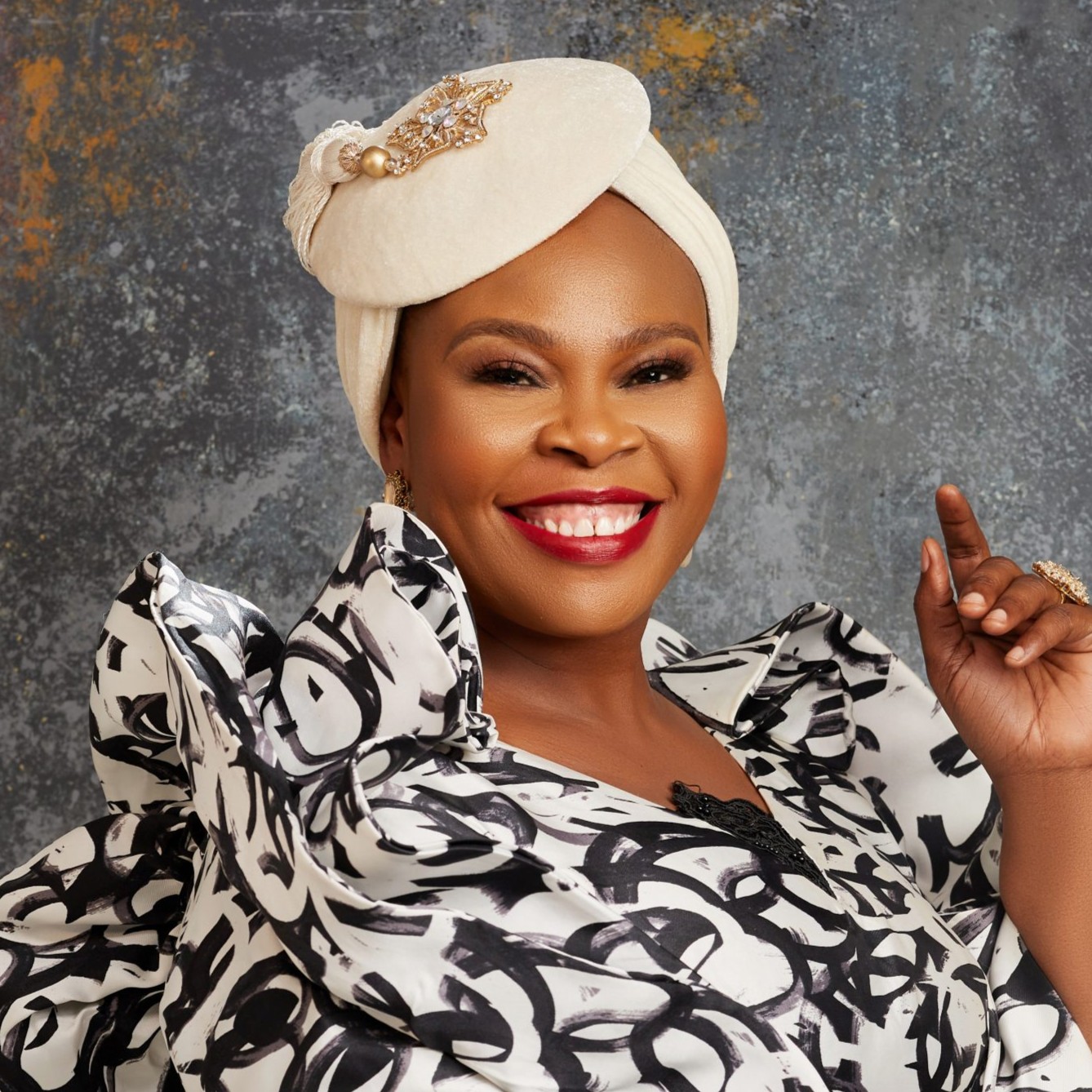
 Dr. Maymunah Yusuf Kadiri
In today’s fast-paced world, movement has become something we try to “fit in” rather than something we are designed to live through. We wake up to alarms, sit through meetings, scroll through screens, and collapse into bed, calling it productivity while quietly neglecting one of the most fundamental pillars of human wellbeing: physical activity.
The conversation must evolve. Movement is not merely exercise. It is not about gym memberships, fitness trends, or aesthetics. It is about how we live, how we function, and how we sustain energy, clarity, and resilience in a demanding world. True health is holistic, and movement is one of its most powerful expressions.
Consider the story of Sarah, a high-performing professional navigating the demands of a busy career. Like many in modern urban environments, her life was structured around deadlines, deliverables, and constant motion—yet paradoxically, very little physical movement. She was successful on paper but depleted in reality.
Her turning point was not dramatic. It was a decision. A decision to stop treating movement as optional and start seeing it as essential.
What followed was not a complete lifestyle overhaul, but a strategic integration. She began waking up slightly earlier, not to punish herself, but to create space for herself. Short bursts of movement became part of her mornings. She scheduled physical activity the same way she scheduled meetings, signalling to herself that her wellbeing was just as important as her work.
Then something shifted. Her energy improved. Her focus sharpened. Her stress became more manageable. But more importantly, she experienced something many high achievers silently crave—balance.
This is the essence of holistic living. Health is not achieved through isolated actions; it is built through consistent, integrated behaviours that support the mind, body, and social life simultaneously.
Scientific evidence continues to reinforce this reality. According to the World Health Organisation, regular physical activity significantly reduces the risk of cardiovascular disease, diabetes, depression, and anxiety, while improving cognitive function and overall quality of life. But beyond disease prevention, movement enhances how we show up daily—how we think, decide, lead, and connect.
Yet, one of the biggest misconceptions about physical activity is time. Many believe they need hours they simply do not have. The truth is simpler and more empowering: movement does not require more time; it requires more intention.
Holistic movement is not confined to gyms. It lives in everyday choices. Walking during phone calls. Taking the stairs instead of the elevator. Stretching between meetings. Turning idle moments into active ones. These are not small acts; they are cumulative investments in wellbeing.
Equally important is the relationship between movement and mental health. Physical activity is a natural regulator of stress. It reduces cortisol levels, boosts endorphins, and improves mood. In a world where burnout has become almost normalised, movement is not just beneficial—it is protective.
But beyond the individual, there is a larger conversation that must be had.
Workplaces, cities, and systems must be designed to support movement, not restrict it. Environments that encourage walking, provide access to recreational spaces, and promote flexible work structures create healthier populations. When movement becomes embedded in culture, it becomes sustainable.
The question is no longer whether we have time to move. It is whether we can afford not to.
Inactivity is not neutral. It accumulates quietly, affecting energy, mood, productivity, and long-term health outcomes. And in a society already dealing with rising mental health challenges and lifestyle-related diseases, this is a cost we cannot ignore.
Sarah’s story is not unique. It is a reflection of millions navigating modern life. But it also offers a blueprint—one that does not require perfection, only consistency.
Start small. Stay consistent. Integrate, don’t isolate. In the end, wellbeing is not something you visit occasionally. It is something you live daily, and movement is how you begin.
About Author
Maymunah Yusuf Kadiri
Dr. MAYMUNAH YUSUF KADIRI (aka DR. MAY) popularly referred to as “The Celebrity Shrink,” is a multiple award winning Mental Health Physician, Advocate & Coach. She is the convener of “The Mental Health Conference” and the Medical Director and Psychiatrist-In-Chief at Pinnacle Medical Services, Dr. Kadiri is a dynamic Consultant Neuro-Psychiatrist and a Fellow of the National Post Graduate Medical College of Nigeria (FMCPsych) with almost 20 years’ experience as a practicing Physician.
Latest Edition of IWA Magazine
September 8, 2026
Surviving the Genocide Against the Tutsi in Rwanda: ASSUMPTA NUMUKOBWA and DIMITRIE SISSI MUKANYILIGIRA Turned Pain to Purpose
Latest Posts
-
 Sep 8, 2026 You Cannot Lead From a Broken Vessel