 Kemi Ajumobi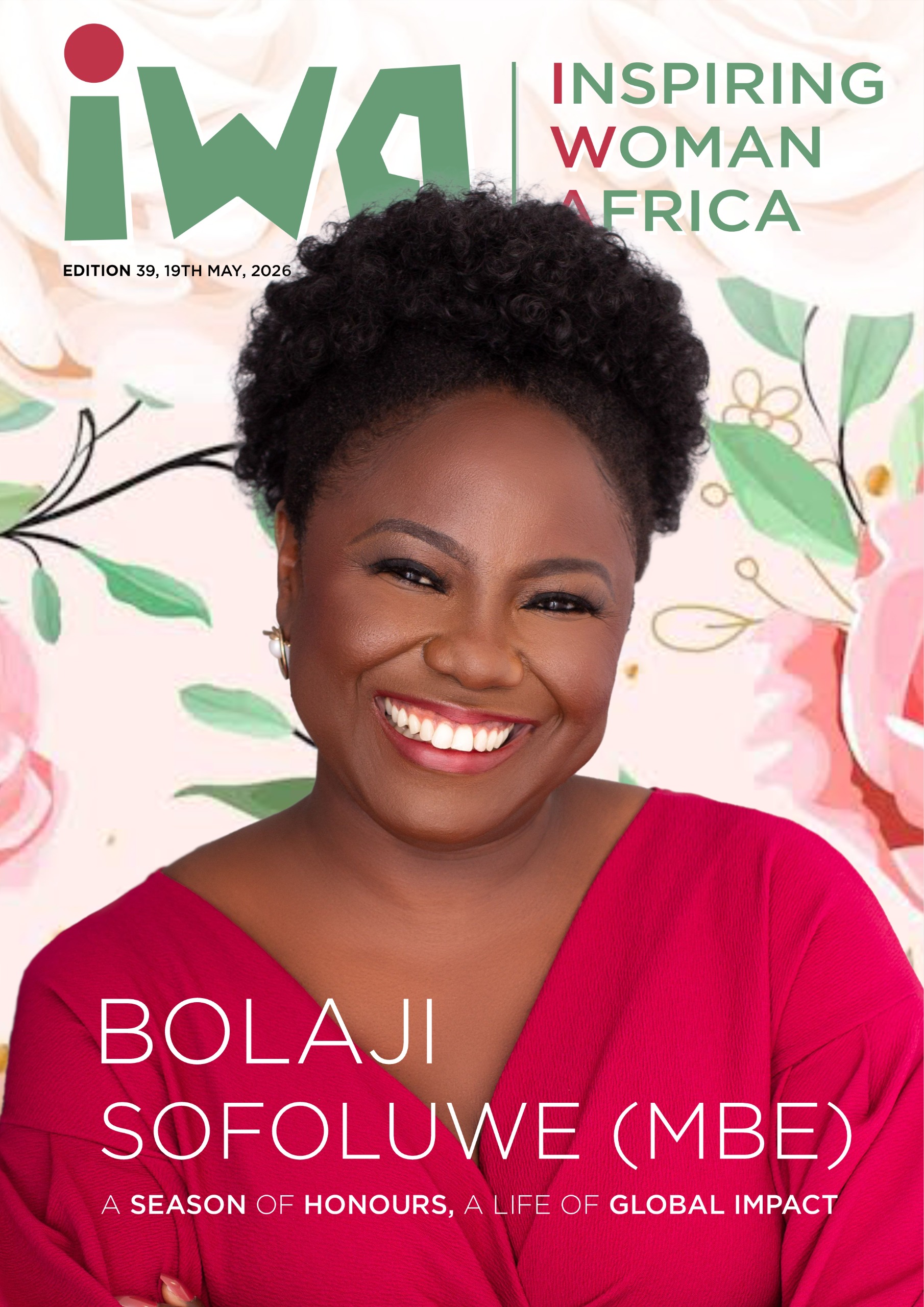
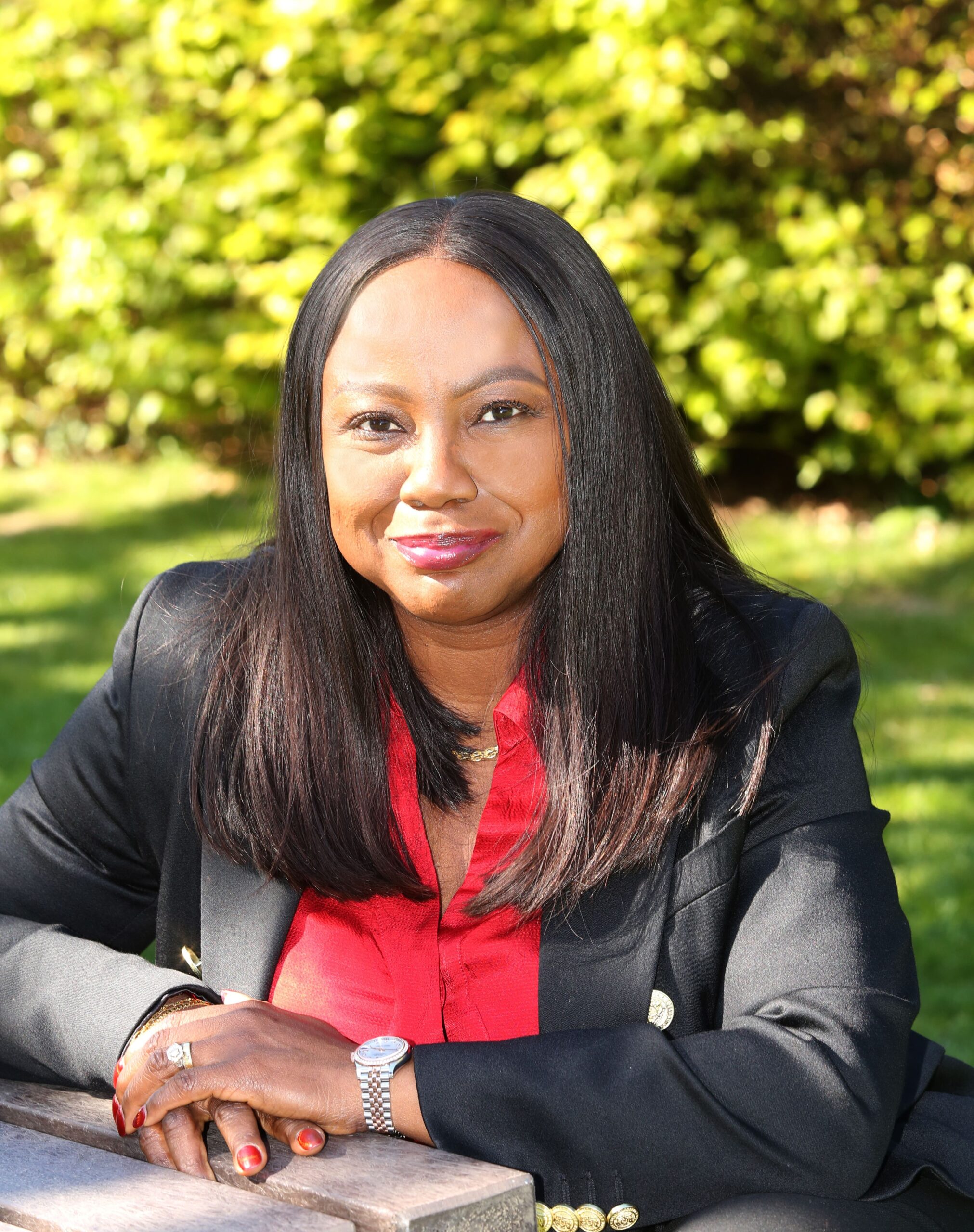
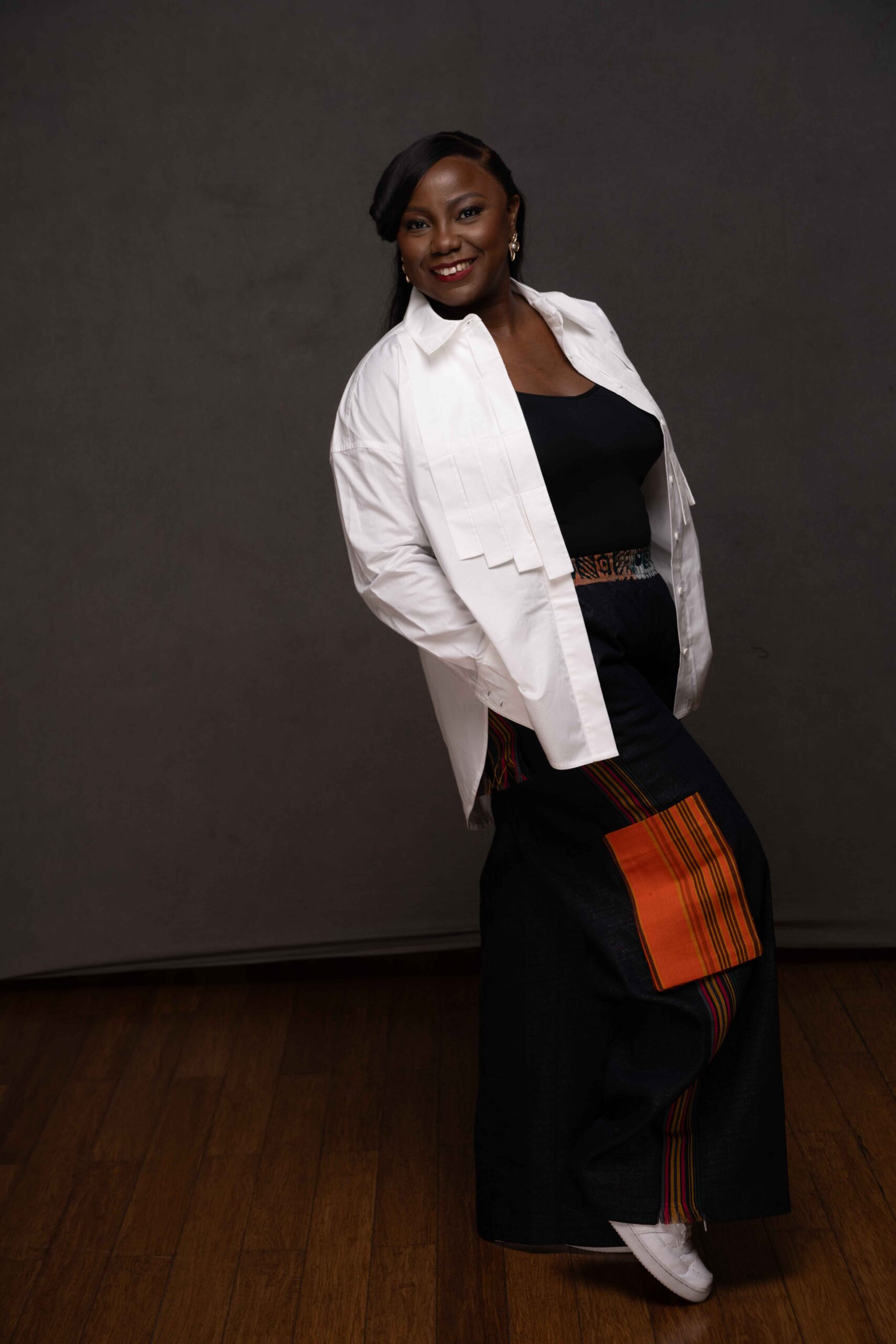
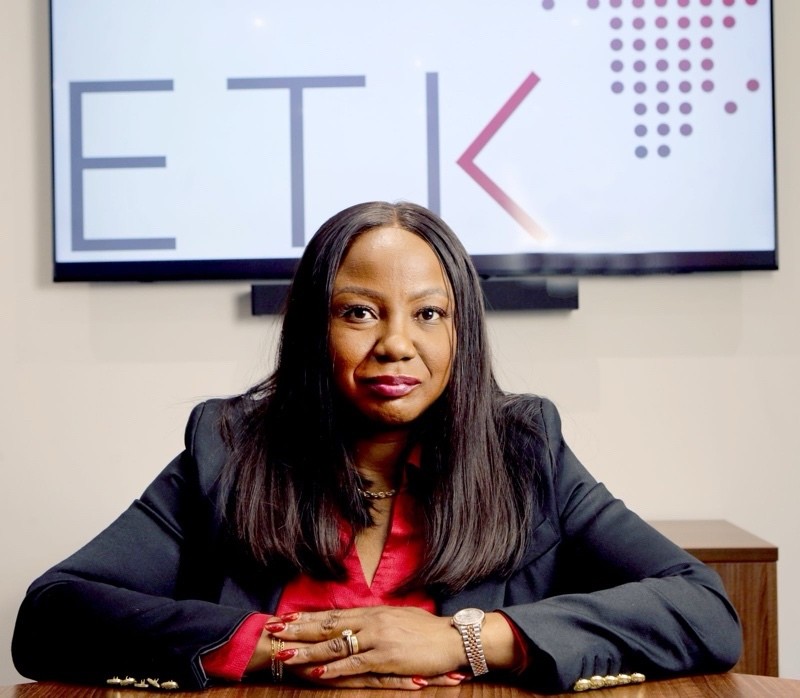
Bolaji Sofoluwe MBE is a business growth through international trade specialist with over 20 years’ experience. She is Co-Founder and Managing Director of ETK Group, a King’s Award for Enterprise winning market entry and expansion firm that has facilitated over £1.5 billion in trade and investment across 34 African countries, supporting sectors including aviation, financial services, health tech, energy, agriculture and advanced manufacturing. Four years ago, she expanded the company into Latin America, opening an office in Sao Palo, Brazil.
Bolaji is a Visiting Faculty member, Entrepreneurship and Growth Expert at Saïd Business School, University of Oxford, she serves on a number of Boards including the Greater Essex Business Board as Inward Investment Coordinator and is a DBT Export Champion. She is also an angel investor, backing female-led ventures with seed and growth capital.
Recognised in the UK Powerlist 2024, 2025 and 2026, Bolaji was awarded an MBE in the 2025 New Years’ Honours list for services to sustainable business growth, female entrepreneurship and international trade. In 2026, her company ETK received UK’s most prestigious business award – The King’s Award for Enterprise.
A respected thought leader, she has featured on several local and international media platforms.
Bolaji has two lovely daughters and is married to her husband of 21 years, Samuel.
Why the focus on international trade as a driver of growth and when was the defining moment?
The defining moment for me was seeing that international trade is not just about moving goods or services, it is about opening access. When ETK began helping British companies move from interest in Africa to real partnerships, market presence and revenue, I saw how trade could change the trajectory of businesses that understood the strategic value of international expansion. That reinforced my belief that structured market entry, local intelligence and trusted relationships can facilitate significant growth. I also realised that it didn’t have to be one-sided, both parties could equally benefit. ETK has now facilitated over £1 billion in trade and investment across African markets, which has only strengthened that conviction.
You received an MBE and ETK received the King’s Business Award, both between 2025 and 2026. What does this mean to you? How do you hope these recognitions accelerate ETK Group’s impact?
It still feels quite surreal, to be honest. I am more of an engine room girl who just gets on with my work, because I love what I do so much. The MBE was deeply personal because it recognised my contributions to sustainable business growth, international trade and women in entrepreneurship. This is my life’s work that is combined in my varied roles. The King’s Award for Enterprise belongs to the incredible ETK team. As the most prestigious award in the United Kingdom and the Commonwealth, it validates the years of work we have done helping businesses access high-growth African markets with confidence. My hope is that these recognitions open more doors, deepen trust with partners and allow ETK to scale its impact even further.
Decision made that shaped ETK Group’s path to £1.5 billion in trade and investment
Yes, and that was the decision to focus on Africa with real in-market capability, rather than simply providing desk-based advice. We built ETK around relationships, local intelligence and implementation support. That meant helping clients with market entry, partnerships, registrations, offices, projects and expansion across trade blocs. That practical, on-the-ground model shaped everything that followed and continues to be a point of differentiation amongst our competitors.
Leadership practice most influential in sustaining growth across 34 African countries and Latin America
We don’t have offices in all those countries, so one major leadership habit is being intentional about investing in relationships. My first thought is usually, “How can I help?” That approach has built the ecosystem around ETK. You can’t draw down from something you haven’t invested in. I believe the same for relationships with individuals and the companies in this ecosystem.
Identifying high-potential but under-tapped markets for entry and expansion
I look for the intersection of demand, readiness and access. A market may be large, but if the regulatory environment, route to market or partnership ecosystem is weak, timing matters. We assess sector growth, policy direction, infrastructure, competition, local partners, customer behaviour and execution risk. The opportunity is rarely in the obvious headline; it is often in the gap between unmet need and practical market access. We are also developing technology that improves the accuracy of market opportunity.
Assessing and mitigating ESG and sustainability risks in cross-border trade and investment projects
We start by understanding the local context: governance, community impact, environmental exposure, labour practices, procurement risks and stakeholder expectations. Someone once said to me “There’s no word for sustainability in Swahili!”. ESG cannot be treated as a reporting exercise at the end, it must be built into project design, partner selection, due diligence and delivery. For me, sustainable trade means growth that is commercially viable, locally respectful and ethically implemented within the nuance and the context of the market you operate in.
The role of technology in accelerating market entry and expansion for clients and sector with most potential for female-led ventures to scale globally
Technology allows us to turn years of market intelligence into better, faster decisions. At ETK, tools such as Momentum, which we use to strengthen organisational capacity and our market-entry software help clients assess readiness, navigate complexity and access data points that are critical for expansion. It would be hard to decide which sector has the most potential for female-led ventures because women can do everything. I would like to see women creating technology-enabled businesses that can be globally competitive. If I were to choose, I would definitely highlight fashion and beauty, as technology is exposing designers to global markets in an unprecedented way.
Practical steps female founders take to secure seed and growth capital in competitive markets
Be investment-ready before you start fundraising. Know your numbers, your market, your customer, your route to scale and your ask. Build relationships with investors before you need capital. I repeat, build relationships before the fact. Use mentors, advisory boards and strategic introductions, just be intentional about your networking. Also, do not underestimate the value of visibility: speak, publish, pitch and show evidence of traction. Capital follows confidence, clarity and credible execution.
How corporate boards and investors can better support female-led ventures across international markets?
They need to move from sympathy to strategy. Investing in women is not charity, it translates directly to economic development. There are studies that prove this. Boards and investors can support female-led ventures by widening access to networks, challenging bias in due diligence, offering commercial introductions and backing women into international supply chains. We also need more female-led venture funds, and equity investors. Representation in investment decision-making also matters.
Most critical skills as a facilitator at Saïd Business School for aspiring entrepreneurs
I work with our MBAs and Executive MBAs on their entrepreneurship projects, as well as aspiring entrepreneurs from across the Oxford ecosystem, through our Venture Builder Programme. I am known for my insistence on clarity, commercial discipline and execution. Whilst we encourage out-of-the-box, innovative thinking, for me, a good idea is not enough. Entrepreneurs must understand their customer, their value proposition, their business model, their route to market and the operational structure required to deliver. I also encourage them to test assumptions early rather than fall in love with an unvalidated idea.
Tell us about your podcast, reason for it and results
The Unlocking Africa podcast is hugely popular and is hosted by my colleague, Terser Adamu. It was created to make business growth, international trade and entrepreneurship more accessible. He wanted to use conversations to demystify what it takes to build, scale and enter new markets, particularly for founders who may not have access to traditional networks. The result has been stronger visibility for our thought leadership, deeper engagement with entrepreneurs and a platform to amplify the voices of founders and experts who are shaping growth.
Criteria that guides your decision to back female-led ventures as an angel investor?
I always need a disciplined approach because I tend to get very excited when I meet an entrepreneur with a focused vision and clarity of thinking. The founder needs to be solving a real problem. I am particularly interested in businesses where international expansion is possible.
Evaluating the scalability and social impact potential of a start-up before investing
I ask two questions: can this business grow beyond the founder, and does that growth create meaningful value for others? I look at the repeatability of the model and evidence of demand.
Day never to be forgotten and why?
The day my father died. In that moment, my world stood still, but almost immediately I felt an overwhelming sense of responsibility to honour and preserve his legacy through my work and the way I relate to others. His passing reminded me how fleeting life truly is. My father died empty, he genuinely gave everything he had to his work, his family and the people around him. Watching the way he poured himself out so selflessly shaped me profoundly, and I became determined to live by that same example.
Concluding Words
There is a tendency for us to measure our lives against the achievements of others, but it is ultimately an exercise in futility. We all arrive with different gifts, talents, experiences, stories and scars. No two journeys are ever truly the same. In the end, what matters most is not how closely your story resembles someone else’s, but what you choose to make of your own.
Secondly, my path in life was shaped by a deep love for the continent that raised me, despite being born in Britain. As a child, I was endlessly curious and deeply creative, devouring encyclopaedias and learning a little about almost everything. Looking back, that curiosity became the foundation for the work I do today.