 Kemi Ajumobi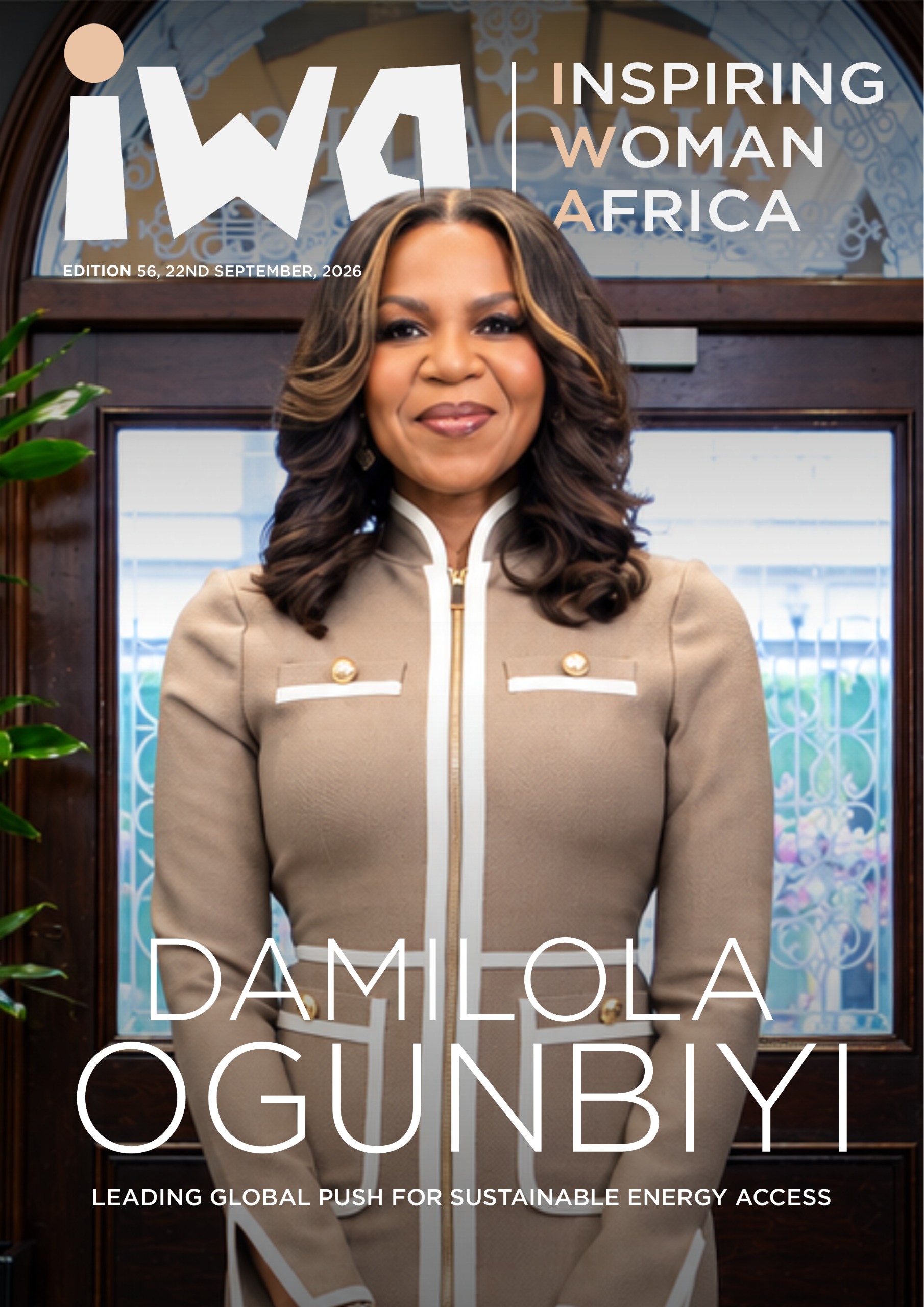
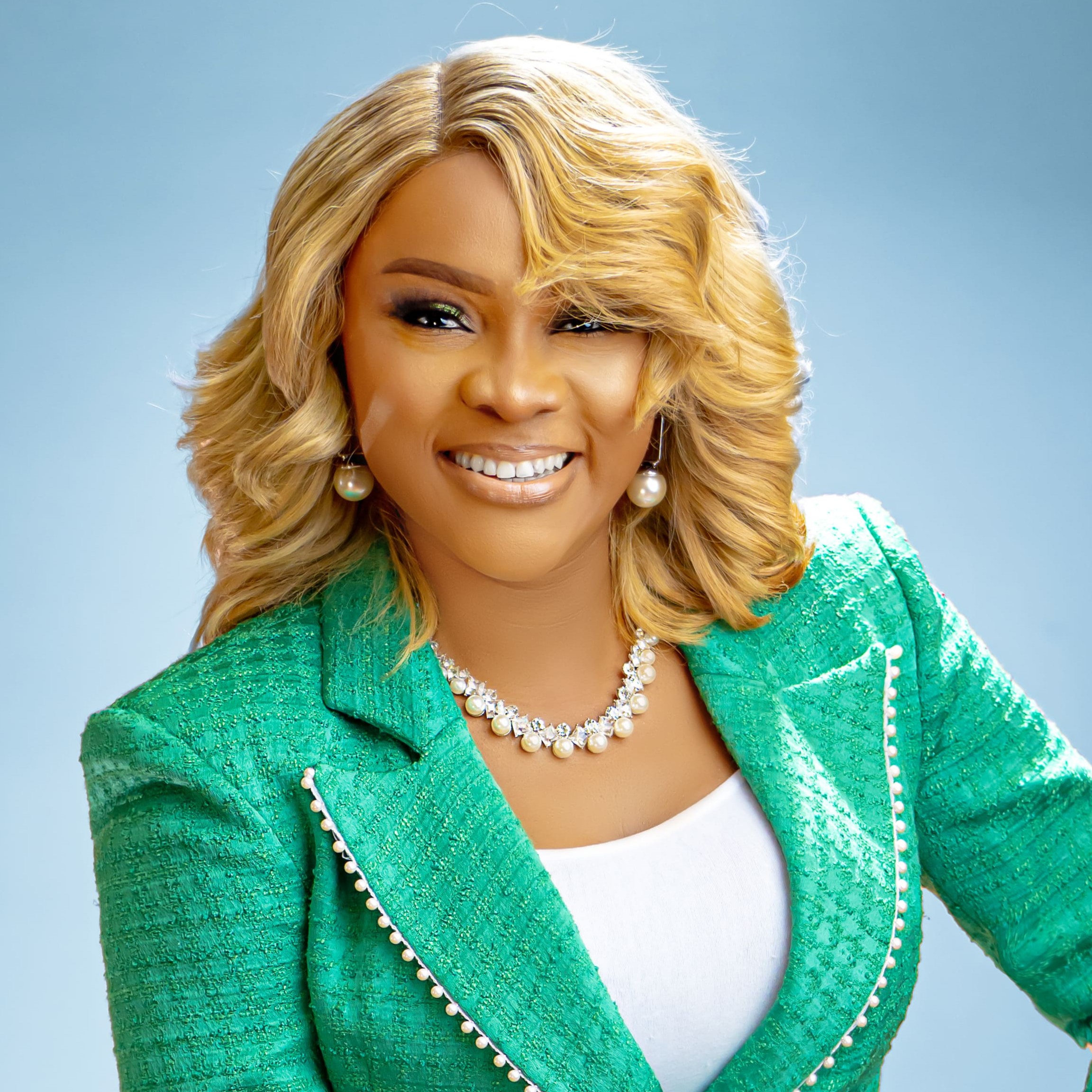
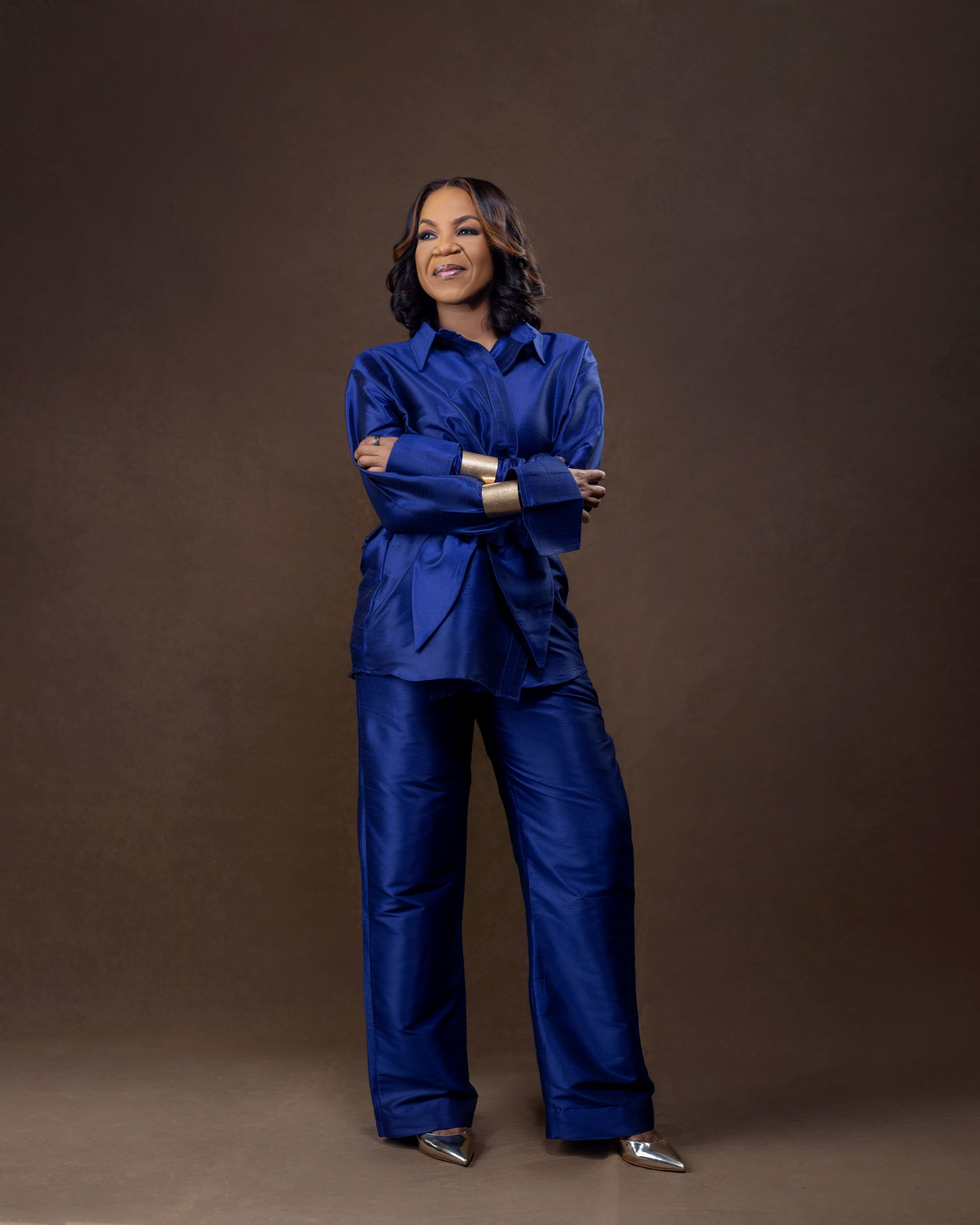
Damilola Ogunbiyi is the CEO and Special Representative of the UN Secretary-General for Sustainable Energy for All, and Co-Chair of UN-Energy. With Ogunbiyi at the helm, Sustainable Energy for All (SEforALL) has entered into working relationships with over 200 partners, supported over 100 countries globally, and secured commitments of more than USD1.6 trillion in energy finance.
She has practical on the ground experience, she initiated the Nigerian Electrification Project, a USD550 million facility which is a joint World Bank and African Development Bank programme that to date has provided energy access to over 8 million people across Nigeria and implemented over 100 megawatts of decentralised energy projects supplying electricity to hospitals, schools, and government facilities.
Ogunbiyi is a member of the World Bank’s Private Sector Investment Lab, a member of the Global Leadership Council of the Global Energy Alliance for People and Planet (GEAPP), an Advisory Board member of the Center on Global Energy Policy at Columbia University, and a member of the Climate and Environment Advisory Council of the European Investment Bank (EIB). She was part of the COP28 Advisory Committee and was Co-Chair of the COP26 Energy Transition Council (ETC).
She is a global leader and advocate for the achievement of the Sustainable Development Goals (SDGs), and is passionate about achieving SDG7, which calls for access to reliable, affordable, sustainable, and modern energy for all by 2030.
Damilola Ogunbiyi was recognised in the 2026 TIME Earth Awards, the 2025 Forbes sustainability leaders list, the 2024 TIME100 Climate list and is the recipient of the First Class Order of Zayed II from the UAE President in recognition of her contribution to the success of the climate conference, COP28. She also received the Think Global Leadership Award in 2026, the Global Female Leadership Impact (GFLI) Award in 2024 and the Energy Institute President’s Award for 2023.
Why the passion for energy and its sustainability?
Energy is the lifeblood of modern life and so you can imagine the number of things that people cannot do if they do not have access to energy. I have seen first-hand how lack of energy access hampers economic growth and undermines efforts to improve living standards. If done rightly, access to energy will address social inequalities and help to achieve environmental sustainability goals. Leading the global call to do it rightly is part of my responsibilities.
I focus a lot of my time on energy access as it underpins nearly every productive activity in an economy, yet millions of people, 655 million to be exact, do not currently have electricity. We must do all we can to ensure that we get these people out of energy poverty.
The sustainability aspect of energy is a critical conversation as the power sector is the largest source of global greenhouse gas emissions, and to avoid the worst impacts of climate change, emissions must be reduced by almost half by 2030, and reach net-zero by 2050. To achieve this, we need to invest in alternative sources of energy that are clean, affordable and reliable.
What are your responsibilities as CEO and Special Representative of the UN Secretary-General (UN SRSG) for Sustainable Energy for All, and Co-Chair of UN-Energy?
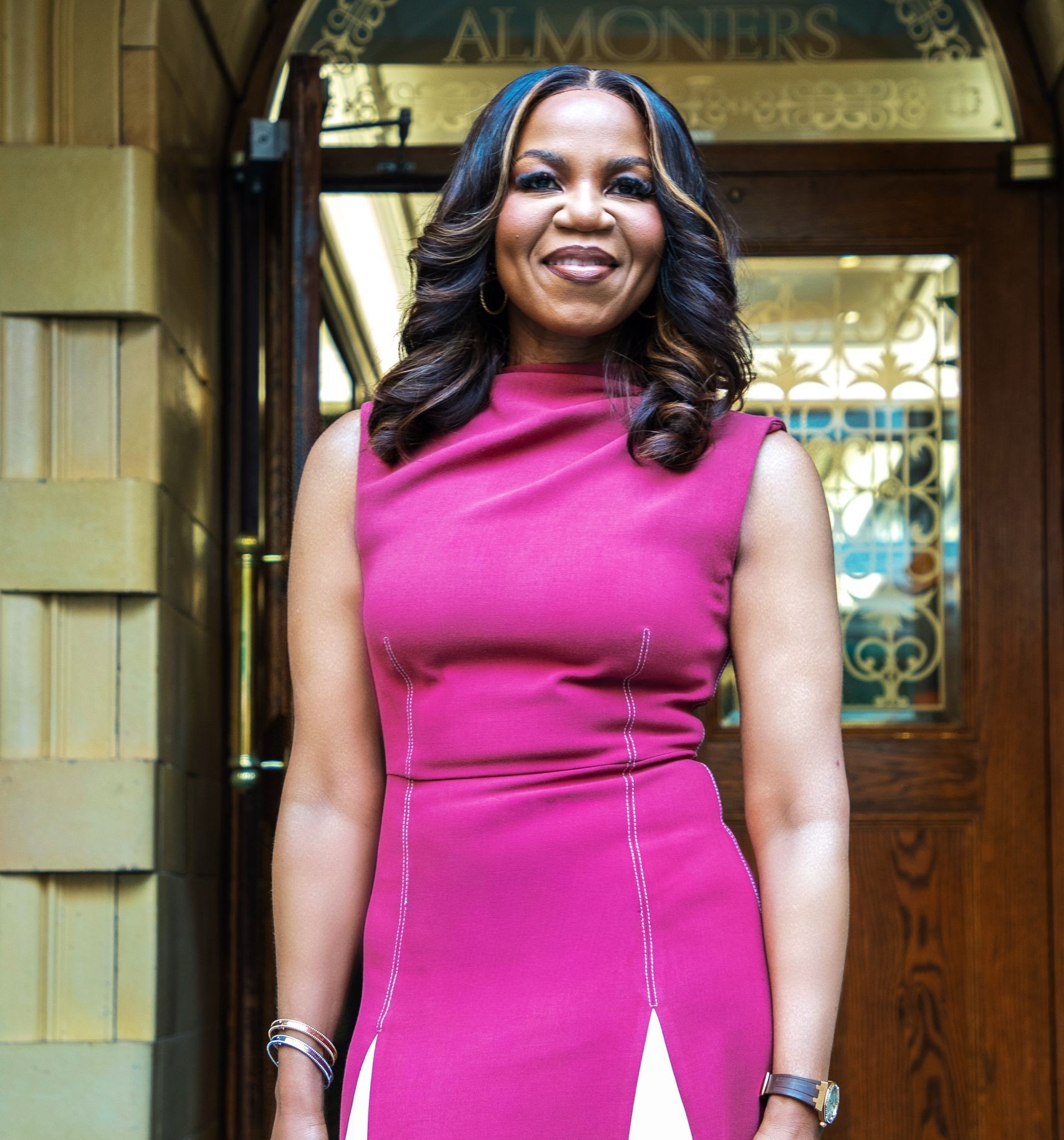
I serve as the United Nations Secretary-General’s Special Representative (SRSG) for Sustainable Energy for All, as well as the co-chair of UN-Energy, advising the UN Secretary-General and his staff on issues relating to sustainable energy and the implementation of Sustainable Development Goal 7 (SDG7), which calls for access to affordable, reliable, sustainable and modern energy for all.
As the Chief Executive Officer of Sustainable Energy for All (SEforALL), I focus my efforts on closing energy access gaps and accelerating clean energy transitions across the world. I lead SEforALL’s work to bring clarity and focus to energy issues across the world in the context of the Paris Agreement on Climate Change and in doing so, working across the private and public sectors with a global network of institutions and companies to catalyse country-level action and support cross-cutting high-impact opportunities.
I work together with UN colleagues and development partners to give everyone the opportunity of a prosperous, dignified and healthy life.
First female Managing Director of the Nigerian Rural Electrification Agency, first female General Manager of the Lagos State Electricity Board. What did these achievements mean to you and how are you encouraging more women to come into this field?
Being the first woman in predominantly male spaces is not easy. Being the only woman in the room meant that I had to work extremely hard and prove that as a woman leader I can deliver results at pace and at scale. I remember during my tenure as the Managing Director of the Nigerian Rural Electrification Agency, I successfully negotiated within just 18 months, the Nigeria Electrification Programme, which has to date impacted over 8 million people. Why I mention this is because such short timelines had not been experienced when it comes to conceptualising and kicking off such high-level programmes. I work in a sector with a worryingly small proportion of women, and I am keen to ensure that I open the door for more women to not only enter the energy sector but also thrive. Through programmes such as a global STEM Traineeship and Women in Clean Cooking Mentorship, young women are gaining practical hands-on experience and valuable skills applicable to the energy sector. The STEM Traineeship has been particularly successful and we currently have cohorts in Mozambique and Nigeria and have previously undertaken the Traineeship in Sierra Leone, Tanzania, Ghana, Kenya, Panama, Honduras, Mexico, Colombia and Ecuador. What stands out for me is how this STEM Traineeship continues to build a robust community of young women professionals driving national energy goals forward. When our STEM trainees step out into the world, they don’t just fill roles, they break barriers. From winning prestigious awards like the Chevening Scholarship to founding enterprises like Women in Energy Sierra Leone Limited, our alumni are driving change at every level. Whether leading complex engineering teams or mobilizing grassroots NGOs, they are proof of what happens when potential meets opportunity.
Early signal that tells you a country/market will successfully convert energy commitments into measurable access within 24 months
In my experience, it is the willingness of key actors to make this happen; starting from the top of Government to those working on the ground. If the leadership at a government level believes in its commitments and backs it up with the right enabling environment and incentives, then it becomes much easier for all other sector players to come in. This willingness by the government needs to be matched by the ability of the private sector to step up and mobilise quickly, which in turn means that the financial sector should have the right products, whether it is debt, equity or derisking, to allow for a sustainable and sustained growth. I should also highlight that the countries that sustain momentum usually invest early in integrated energy planning, regulatory clarity, utility reform, data systems and local delivery capacity.
When competing interventions fight for attention (grid vs. decentralised, policy vs. capital), what framework decides the first move?
I would say that several processes need to happen in parallel. On one hand, strong and clear policies and regulatory frameworks provide clarity for actors; they can derisk the sector and thus reduce the cost of financing of energy projects. On the other hand, national planning plays a key complementary step (to policy) that provides the roadmap for any given country, in a tech-agnostic way, which in turn provides more certainty for private sector actors to target specific areas or invest in particular technologies that meet the requirements set out by a national plan.

Which leadership behaviour do you believe most consistently improves outcomes for multi-stakeholder energy programmes (public, private, development partners)?
I am a firm believer in data-driven decision-making. In international development, where resources are scarce, challenges are complex, and the consequences of decisions are often felt most acutely by the people we are trying to serve, we have a responsibility to let evidence guide our choices.
Over the years, I have built my leadership around facts, impact metrics and results. This provides a solid foundation from which to ask better questions, challenge assumptions and make more informed decisions.
But I also believe that some of the most important development challenges cannot be solved by data alone. They require bringing together people who see the world differently: governments and the private sector, development institutions and civil society, technical experts and political leaders, global institutions and local actors. Divergent perspectives can create friction, but they can also produce better solutions when they are brought together around a shared objective and a common understanding of the evidence.
If you stood in front of a sea of African leaders and you were to speak to them, what would you share with them, what would you want them to know and do?
We must treat universal energy access not simply as a development objective, but as a foundation for Africa’s economic transformation. Electrification drives jobs and industrialisation, strengthens food and health systems, enhances productivity and supports economic and fiscal resilience. The countries that have made the most durable progress are those where political leadership has placed energy at the centre of the national development agenda. This is why we must move with greater urgency to establish the policies, regulations and institutions that create the right enabling environment for renewable energy investment and unlock the scale of private capital that Africa requires. We must also invest in data and tools that can help identify and structure bankable investment opportunities, determine the appropriate mix of public, private and concessional finance; thus providing you as African leaders with the tools to engage effectively with investors and development partners.
Share with us on helping to secure commitments of USD1.6Trillion in energy finance.
Together with colleagues from UNDP and UN DESA, I led the planning and organisation of a historic milestone, the first global meeting on energy under the auspices of the UN General Assembly in 40 years, the dialogue presented a unique opportunity to inspire and commit to transformative action.
On 24 September 2021, we successfully held the High-level Dialogue on Energy, gathering more than 130 global leaders, including Heads of States and Government, Ministers and other stakeholders.
A global roadmap towards attainment of SDG7 was agreed upon including the availing of the first Energy Compacts. These Energy Compacts are unique as they are voluntary commitments submitted by governments, the private sector, international organisations, philanthropies, and a range of other stakeholders towards achieving SDG7 and the clean energy transition.
I have since then actively championed the Energy Compacts which have seen commitments of 1.6 trillion, a major milestone that is already reducing the electrification deficit across the world and pushing for more renewable energy and better cooking solutions. We continue to push for more commitments from Member States and other stakeholders, including business, subnational authorities and civil society, to achieve universal energy access.
For decentralised projects supplying hospitals, schools, and government facilities: what is the hardest metric to get right (utilisation, reliability, tariff discipline, maintenance capacity, something else)?
I would say the hardest metric to get right is ensuring the long-term sustainability of decentralised projects. Installing a solar system on a health centre, school or other public facility is not particularly difficult; the real challenge is ensuring that the system is still functioning effectively five, ten or fifteen years later. That requires much more than the initial capital investment, it requires clear ownership, appropriate system design, operations and maintenance arrangements, as well as access to spare parts, technical capacity and a sustainable source of funding to keep the system operating.
This is particularly important for social and public institutions, which often have a very low (and sometimes zero) ability to pay because they provide essential services free of charge. We therefore cannot simply apply commercial business models to these facilities and expect them to work. We need to understand the economics and institutional realities of each context and design delivery models accordingly.
That means finding the right combination of government contribution, concessional capital, private-sector participation and, where appropriate, results-based or other innovative financing mechanisms.
Just as importantly, we need to understand who owns the asset, who is responsible for operating and maintaining it, who pays when something breaks, and what happens when the original project or donor funding ends. Ultimately, sustainability is not just about installing infrastructure; it is about building a system of ownership, accountability, financing and capacity that can keep that infrastructure delivering services for decades.
The right delivery model will therefore vary by context, and getting that model right is just as important as getting the technology right.
When you look at the Nigeria Electrification Project results, which system capability mattered most: customer acquisition, operations/maintenance, last-mile distribution, affordability mechanisms, governance or all?
The short answer is all of them, but not equally.
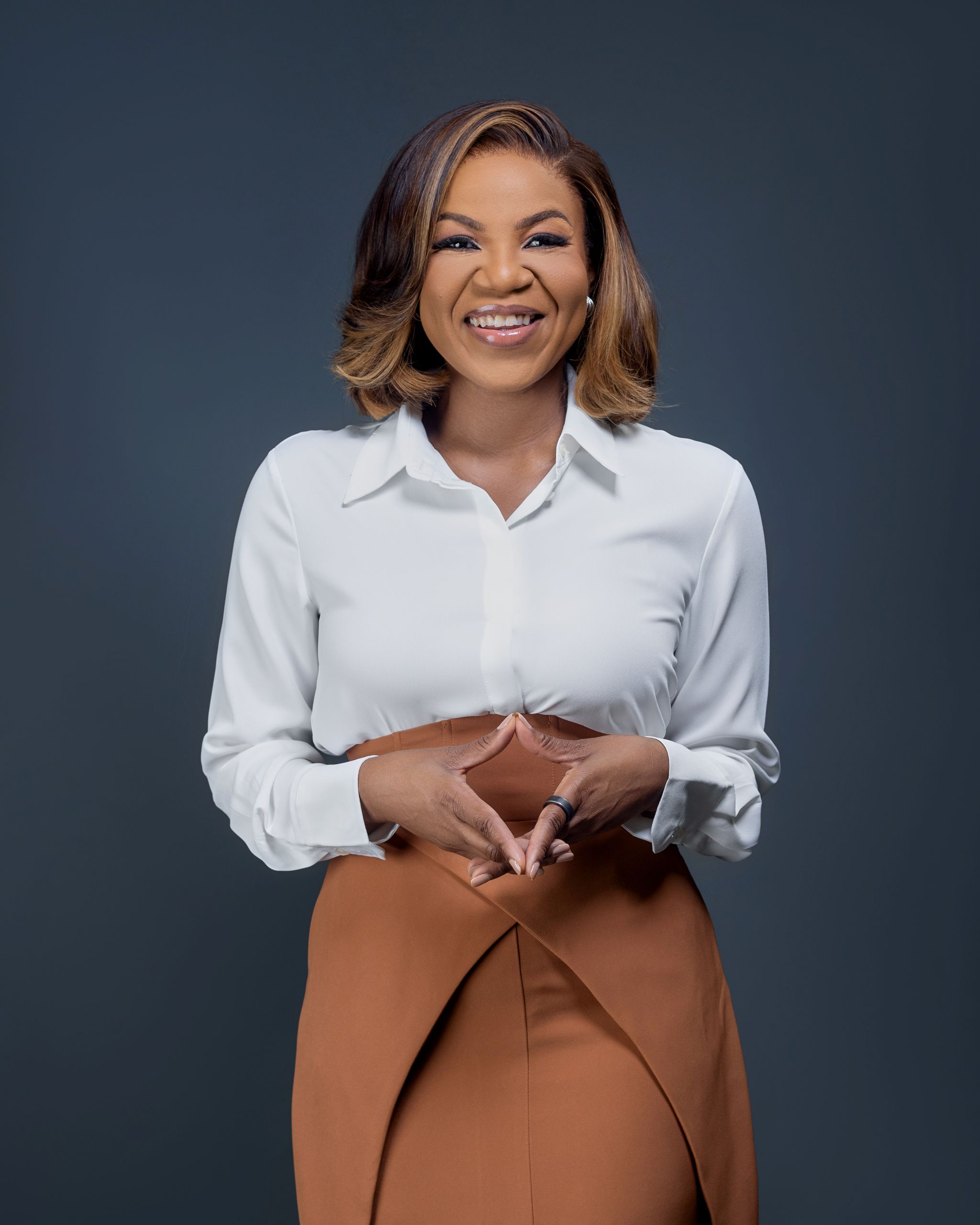
The Nigeria Electrification Project (NEP) demonstrates that governance was the foundational capability, while last-mile distribution was the delivery capability that translated policy into results. The project successfully leveraged private-sector mini-grid developers, clear procurement processes, results-based financing and a capable implementation agency (the Rural Electrification Agency), enabling electricity to reach households, small and medium enterprises, universities and health facilities at scale. Strong technical assistance, institutional capacity building and regulatory support were built into the project rather than treated as afterthoughts.
The key lesson from the NEP is that electrification is not primarily an infrastructure challenge, it is a systems challenge and therefore when strong governance aligned with finance, regulation and private-sector participation, we saw tangible results, including better customer acquisition and affordability mechanisms.
Without the governance architecture, the other components would have struggled to achieve comparable impact.
Which policy constraint is most underestimated by investors: permitting timelines, land rights, regulatory clarity, off-taker risk, or currency risk?
This is like choosing your favourite child. Or maybe your least favourite. If the question is: what is most underestimated by investors, I would say probably regulatory clarity, or perhaps regulatory consistency. In some countries, the regulatory framework (e.g. tariff setting, grid-arrival clauses, and VAT exemptions) are still under development, or sometimes they can change over time, which creates risk for developers that investors are increasingly aware of.
I get the sense that investors have a good sense of the risk; maybe in some cases even overestimating it and thus not investing at all. The issue is also that most of the risk is all borne by the developer, and thus that gets priced into investments. The reality though is that energy demand or energy consumption, tends to be low in rural areas and doesn’t grow very quickly, as this is a function of ability to pay plus ability to consume (i.e. having the right appliances, which in turn require financing to acquire them).
So, for me, this is an argument in favour of an evaluation and reallocation of risks, so that more entities carry part of the risk and/or do more to derisk (by providing guarantees, regulatory clarity, etc).
How do you manage the tension between long-term transition goals and short-term access urgency when stakeholders have different incentives?
I normally ask the question, ‘we are asking countries to transition out of what?’ because the perceived tension between energy access and the energy transition does not reflect the reality in many African countries. For much of the continent, expanding energy access and accelerating the transition are inseparable objectives, with decentralised renewables and modern energy systems driving both development and decarbonisation simultaneously.
We are supporting governments to advance their collective energy objectives through policy and analytical tools such as integrated energy plans, that help to determine the best mix of technologies and through energy transition and investment plans, that provides a whole-of-economy approach to energy, identifying priority sectors and technologies, shaping investment pipelines, and translating commitments into concrete plans.
What do you want the next generation of energy policy leaders to measure that current dashboards ignore?
Current energy dashboards still focus heavily on inputs and outputs: megawatts installed, investment mobilised, electricity connections, the share of renewable energy and emissions reduced. These are essential, but they don’t tell us whether energy systems are actually improving people’s lives or becoming more resilient.
Research increasingly argues that next-generation dashboards need to move beyond technical performance to include resilience, equity and governance outcomes.
Ultimately, the most important metric may be one that few dashboards track today: whether access to energy creates opportunity. Success should not simply mean that a household is connected to the grid, it should be whether the socio-economic status of this family is improving and if communities are becoming more prosperous and resilient.
Measuring these outcomes would give policymakers a far clearer picture of whether energy investments are delivering lasting development, not just infrastructure.
When trust is low between governments, financiers, and implementers, what’s your first trust-building move?
My first trust-building move is to bring the conversation back to the people we are all ultimately there to serve. If we can agree on the problem from the perspective of the person who is experiencing energy poverty, we have a much stronger foundation for collaboration.
From there, I would focus on transparency and evidence: agree on what success looks like, what we are going to measure, who is accountable for what, and then be honest about what is and is not working.
Trust is not built by promising that everything will go well; it is built by delivering, being transparent when things go wrong, and keeping the focus on outcomes for people rather than on institutional interests.
My experience has shown that when stakeholders can see that their different roles are contributing to a shared outcome, the basis for trust becomes much stronger, and this is what I would ultimately work towards, the shared outcome.
Practically speaking, how can energy poverty be ended?
Ending energy poverty requires matching the right energy solution to the right community. In cities and densely populated areas, expanding national electricity grids is often the best option, while mini-grids and standalone solar systems can quickly reach rural and remote communities.
But technology alone is not enough. Governments need clear policies, strong institutions and partnerships that attract investment, while public and private finance must work together to make energy projects affordable and sustainable.
Most importantly, energy access should be treated as a foundation for development, not just a matter of connecting homes. Reliable and affordable electricity must power schools, health centres and businesses so people can improve their livelihoods and local economies can grow.
Ending energy poverty is achievable, the solutions already exist, what is needed now is greater urgency, stronger political commitment and more investment to deliver energy access at the scale and speed required.
Concluding words
I have been keen to show a different aesthetic of what an African woman can bring to the table. I want to encourage young African women and girls to dream without limits and that they should have the courage to go into spaces and sectors that do not have people that look or speak like you. You need to work extra hard and hone your skills and knowledge, and also find people who can mentor and guide you on your journey.