 Kemi Ajumobi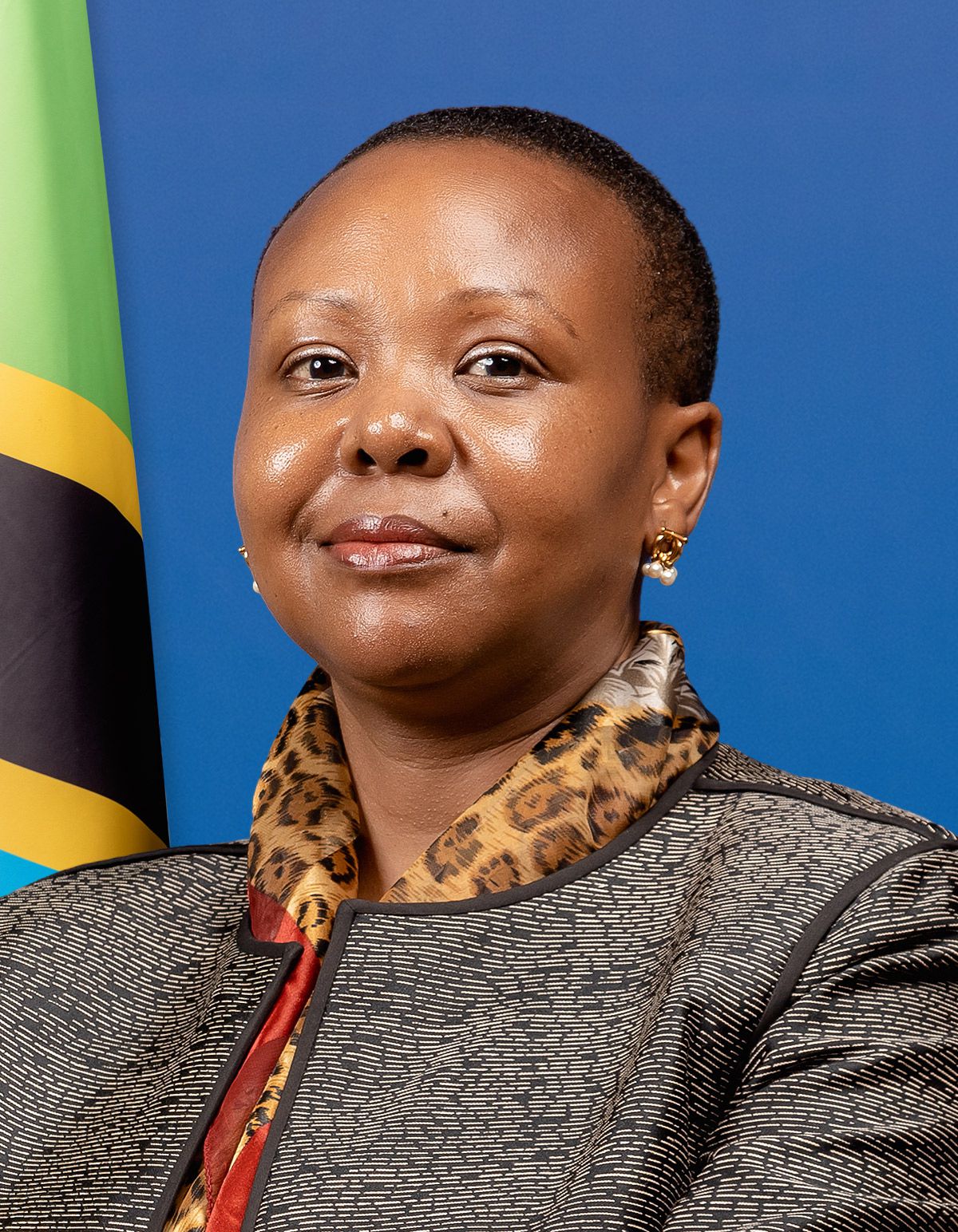
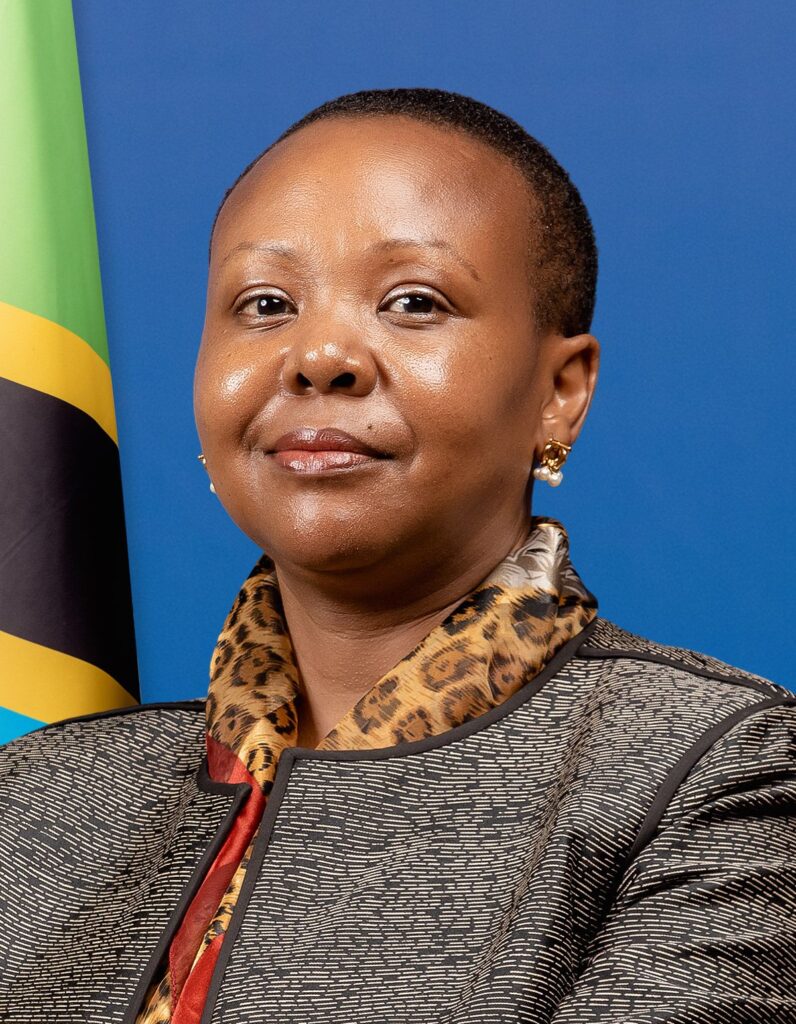
Elsie S. Kanza,
Ambassador of Tanzania to the United States
Elsie S. Kanza is thr Ambassador of Tanzania to the United States. She was born in Kenya to Tanzanian parents, which granted her Tanzanian citizenship by lineage while anchoring her earliest years in a Kenyan setting. This lineage forged a link to Tanzania’s national story even as she spent her youth in Kenya, fostering natural cross-border ties within East Africa.
Her upbringing occurred against Kenya’s varied social and economic backdrop, shaped by the region’s post-colonial evolution. Public sources offer limited detail about her family’s occupations or exact moves, but her Tanzanian family roots and East African context gave her an early sense of the continent’s interconnected economies and cultures.
In March 2006, Elsie S. Kanza joined the Tanzanian Presidency as Personal Assistant to President Jakaya Mrisho Kikwete, focusing on Economic Affairs. Before that, she spent four years (2002–2006) on secondment from the Bank of Tanzania to the Ministry of Finance. There, she wore several hats: Personal Assistant to the Permanent Secretary to the Treasury (2004–2006), Acting Commissioner for Debt Policy, and Principal Policy Analyst for Finance and Capital Markets (2002–2004).
During her time at the Ministry, she played a key role in several impactful initiatives, including preparing Tanzania’s eligibility proposal for the Millennium Challenge Account, developing government credit guarantee schemes, creating frameworks to encourage private sector lending in mortgage finance, and supporting debt relief efforts with 16 countries through HIPC negotiations.
Earlier in her career, from 1997 to 2002, Elsie worked at the Bank of Tanzania as a Financial Market Analyst and Money Market Dealer in the Directorate of Financial Markets.
Elsie believes partnerships to improve access to finance are key to accelerating the growth of both public and private sectors in Africa. She says, according to a report by the United Nations Development Programme, Africa could save up to $74.5 billion in excess interest and foregone funding if credit companies based their ratings on less subjective assessments.
She says that by leveraging initiatives such as the United States Agency for International Development’s Feed the Future programme, Tanzania has been able to develop programmes that have facilitated private investments worth over $1.3 billion and positively impacted more than 900,000 smallholder farmers.
The IWA Series 15 Conference is Here
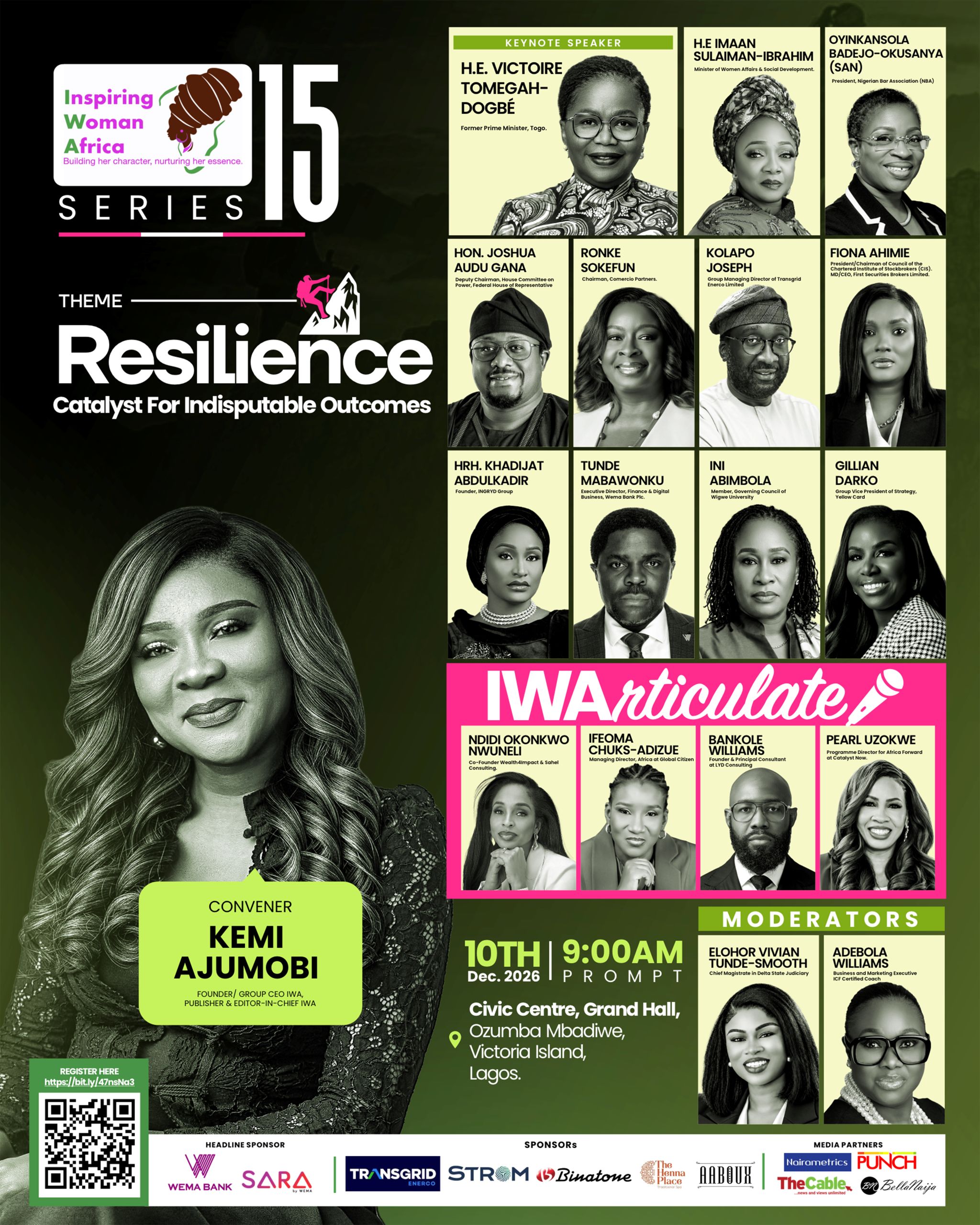
Click To Register
Latest Edition of IWA Magazine
October 20, 2026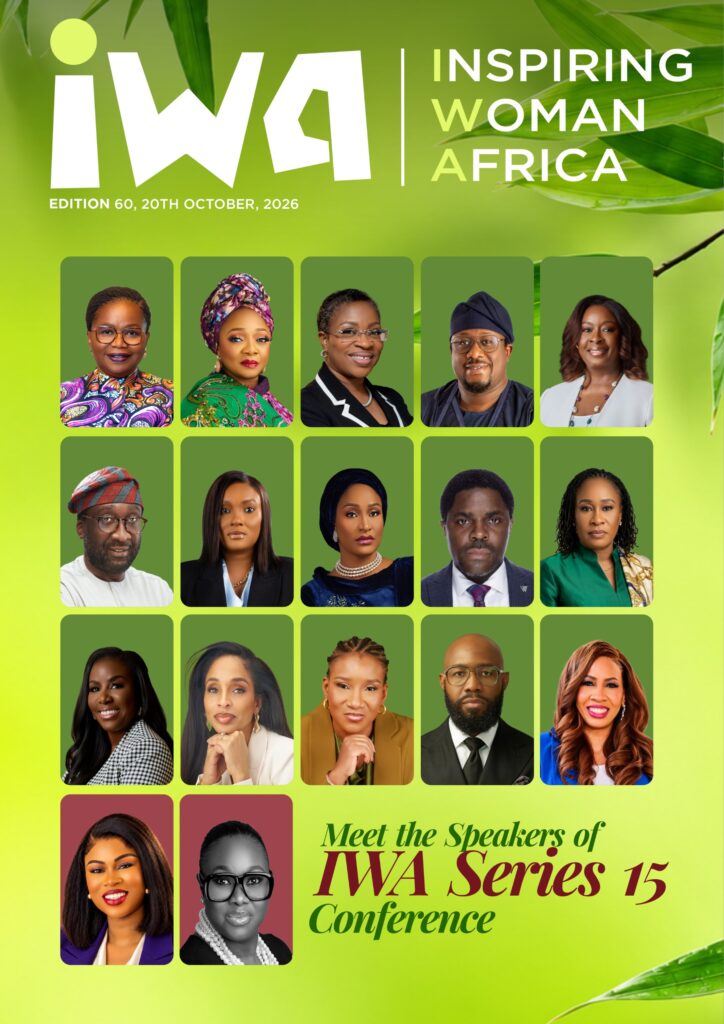
Meet the Speakers of IWA Series 15 Conference
Latest Posts
-
 Oct 20, 2026 Hard Conversations: The Skill No One Puts on a CV
 -
 Oct 20, 2026 5 Africa Women Listed as 2026 Forbes Icons
 -
 Oct 20, 2026 You Are Wealthier Than You Think