 Sola Adesakin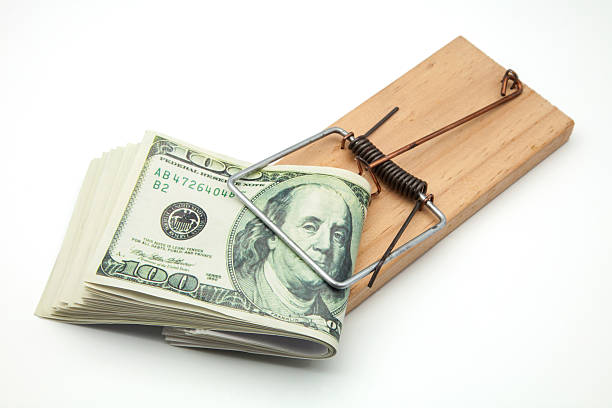
We spend a lot of time in financial education talking about the overspender. The person who earns well and has nothing to show for it. The one whose lifestyle expands to meet every raise, whose savings account never quite gets started, who arrives at the end of each month genuinely surprised by the balance. That person gets the warnings, the budgeting advice, the gentle lectures about delayed gratification.
But there is another person sitting quietly in the room, and she almost never gets addressed. She has the savings. She has the plan. She opened the vacation fund, named it, funded it faithfully for eight months. And then the trip came and she could not bring herself to spend the money. She booked a cheaper hotel. She skipped the experience she saved for. She came home with money still in the account and called it discipline.
It was not discipline. It was a different kind of problem entirely.
Researchers Scott Rick, Cynthia Cryder and George Loewenstein describe a spectrum they call the tightwad-spendthrift scale. At one end is the spendthrift, who spends more than they intend to and feels little pain parting with money. At the other is the tightwad, who spends less than they intend to, not because the money is not there, but because spending it triggers a disproportionate emotional response, something close to pain or loss, even when the purchase is fully funded and entirely planned. Both ends of this spectrum create problems. They just look very different from the outside.
The overspender’s problem is visible. The under-spender’s problem looks like virtue.
Understanding which pattern is yours, or which one is running quietly underneath your financial decisions, matters more than most people realise. Because the fix for each one is different, and applying the wrong correction makes things worse.
For the overspender, the work is structural. Automate savings before lifestyle can absorb income. Give every naira a destination before it arrives. Build a small but real emergency reserve so that every unexpected cost does not become a credit event. The goal is creating enough friction between earning and spending that decisions get made with intention rather than impulse. This is not punishment. It is architecture.
But for the under-spender, adding more friction is exactly the wrong answer. More saving targets, more locked accounts, more discipline is not the medicine. The pattern to interrupt is the one that has made accumulation feel like the point, when accumulation was always only supposed to be the method.
Here is the reframe that tends to land: money that is never converted into life is not good stewardship. It is hoarding with better branding. The vacation fund that sits untouched after the vacation has come and gone is not a financial win. It is a goal abandoned at the finish line. For those who know the parable, the servant who buried the talent to keep it safe was the one rebuked. Wealth that only accumulates and never deploys is the buried talent.
So how do you build a healthy middle? A few things that actually work in practice.
Make the spending decision when the saving begins, not at the point of purchase. When you open a fund for a specific purpose, write the commitment immediately. This money is for this trip, this standard, this experience, and spending it fully is what success looks like. The decision to spend should be made when it is emotionally easy, not at the moment of payment when the pain of parting spikes.
Rename your accounts from assets to experiences. Not “Savings” but “Family Holiday, December.” Not “Funds” but “Tolu’s 45th.” You are not losing savings. You are spending on something you already decided mattered. The label is small. The psychological shift is not.
Give every fund a deadline and a definition of done. Open-ended savings invite indefinite deferral. A fund with a specific end date and a clear spending target forces conversion, which is the whole point.
And run the regret audit alongside the cost audit. The question is not only what does this cost. The second question is: in five years, will I regret the money, or will I regret the memory I did not make? Overspenders rarely ask the first question. Under-spenders rarely ask the second. Both questions belong in the room.
The goal was never the balance. It was always what the balance was supposed to buy: the rest, the memory, the freedom, the moment with people you love.
Earn it. Protect it. Grow it. And then, when the time is right, have the courage to convert it into a life.
That is what money is for.
About Author
Sola Adesakin
Sola Adesakin is a highly respected wealth coach and chartered accountant with over two decades of transformative impact in the finance industry. As the visionary founder of Smart Stewards Financial Advisory Limited and Smart Stewards Advisory LLC, she has revolutionized the financial wellbeing of countless individuals and businesses across 40 countries. Her methodical approach to ‘make-manage-multiply’ money principles has elevated many from financial stress to prosperity, and mediocrity to exceptional achievement.
Author
The IWA Series 15 Conference is Here
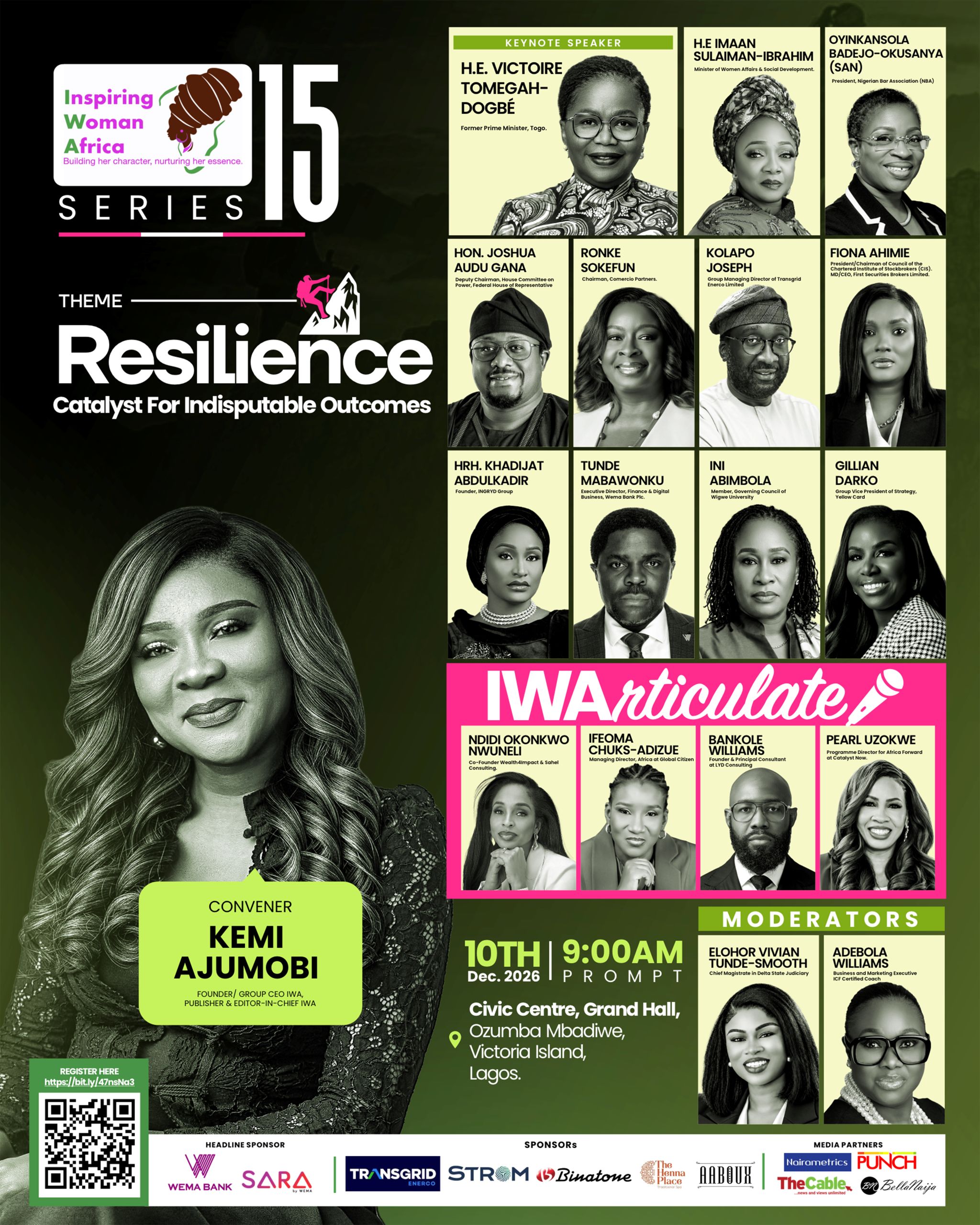
Click To Register
Latest Edition of IWA Magazine
October 20, 2026
Meet the Speakers of IWA Series 15 Conference
Latest Posts
-
 Oct 20, 2026 Hard Conversations: The Skill No One Puts on a CV
 -
 Oct 20, 2026 5 Africa Women Listed as 2026 Forbes Icons
 -
 Oct 20, 2026 You Are Wealthier Than You Think