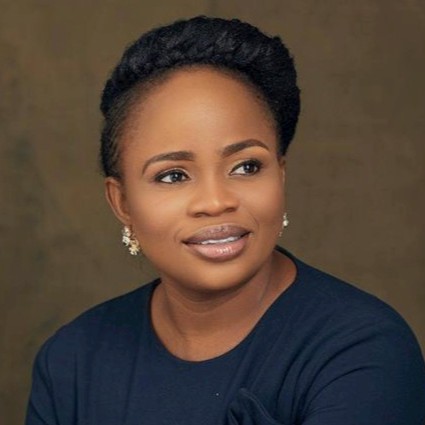
 Sola Adesakin
As a Chartered Accountant, from my personal experience and the experience of many others, one of the most common regrets people express when they begin investing is simple: “I wish I started earlier.”
Not because they lacked intelligence or lacked income, but because they misunderstood what investing really required.
Many people delay investing for years because of a few assumptions that feel reasonable at the time but quietly cost them progress. The truth is that wealth building rarely fails because of lack of opportunity. It often fails because of hesitation.
If you are still waiting to start investing, it may be helpful to examine some of the misconceptions that hold people back. These are things I learnt much later in my investing journey.
1. Waiting for “big money” to start
A common belief is that investing requires a large amount of capital. People assume they must accumulate a significant sum before they begin.
In reality, investing rewards consistency far more than size.
Small amounts invested regularly can grow meaningfully over time. A few thousand naira set aside every month may not feel dramatic, but discipline compounds. What matters is not the initial size of the investment but the habit of participating.
Many people delay because they want the first investment to feel impressive. But the real progress comes from starting small and staying consistent.
2. Assuming investing is too complex
Another barrier is intimidation. The world of investing can appear technical, filled with unfamiliar language and complicated strategies.
Because of this, many people postpone learning, telling themselves they will begin once they understand everything.
But investing does not require mastering every concept on day one. It often begins with simple steps: understanding savings vehicles, exploring mutual funds, learning about stocks, or participating in structured investment platforms.
Clarity usually follows action. The more you engage with the process, the more comfortable it becomes.
3. Expecting quick, dramatic returns
Some people approach investing with the expectation that large profits should come quickly. This mindset often leads them toward risky or unregulated opportunities promising extraordinary returns.
History shows that excitement is not a strategy.
Sustainable investing usually happens within regulated environments such as mutual funds, publicly traded stocks, diversified portfolios, or verified financial institutions. These options may not promise overnight wealth, but they offer something more valuable: stability and credibility.
The goal of investing is not sudden windfalls. It is steady growth.
4. Treating money conversations as taboo
Money is often treated as a private subject that should never be discussed. While discretion is important, complete silence can also lead to isolation.
Financial growth is easier when ideas, experiences, and lessons are shared. Learning in community helps people avoid mistakes and discover opportunities they might never encounter alone.
Accountability partners, small financial groups, and responsible discussions about money can strengthen discipline and expand perspective.
Healthy financial conversations are not about comparison. They are about learning.
5. Thinking investing means only one thing
For many years, people associated investing almost exclusively with stocks. While equities remain an important asset class, the investment landscape today is much broader.
Investors can now participate in mutual funds, exchange-traded funds, real estate opportunities, gold and commodities, fixed-income securities, and diversified portfolios designed for different risk levels.
Understanding that investing includes multiple asset classes helps individuals build balanced strategies rather than relying on a single opportunity.
6. Confusing income with wealth
Another subtle delay occurs when individuals rely entirely on their salaries or business income and assume that steady earnings automatically translate into financial security.
Income is important, but it is not the same as wealth.
Income is fuel. Wealth is what happens when that fuel is directed into assets that grow, produce returns, and create long-term stability.
Without a strategy, income disappears into expenses. With intention, income becomes the seed for investments that build future independence.
The most significant mistake many people make is simply waiting.
Waiting to earn more money.
Waiting to fully understand the market.
Waiting for the perfect time.
But investing rarely begins under perfect conditions. It begins with small steps taken consistently.
The earlier those steps begin, the more time has to work in your favor. Time is one of the most powerful forces in wealth creation because it allows compounding to do its work.
Starting imperfectly today is far more powerful than waiting for perfect clarity tomorrow.
Wherever you are in your financial journey, the most important decision is not whether you started early enough. It is whether you are willing to start now.
Because in investing, progress belongs not to those who waited for certainty, but to those who chose to begin.
Sola Adesakin is a highly respected wealth coach and chartered accountant with over two decades of transformative impact in the finance industry. As the visionary founder of Smart Stewards Financial Advisory Limited and Smart Stewards Advisory LLC, she has revolutionized the financial wellbeing of countless individuals and businesses across 40 countries. Her methodical approach to ‘make-manage-multiply’ money principles has elevated many from financial stress to prosperity, and mediocrity to exceptional achievement.
Latest Edition of IWA Magazine
August 25, 2026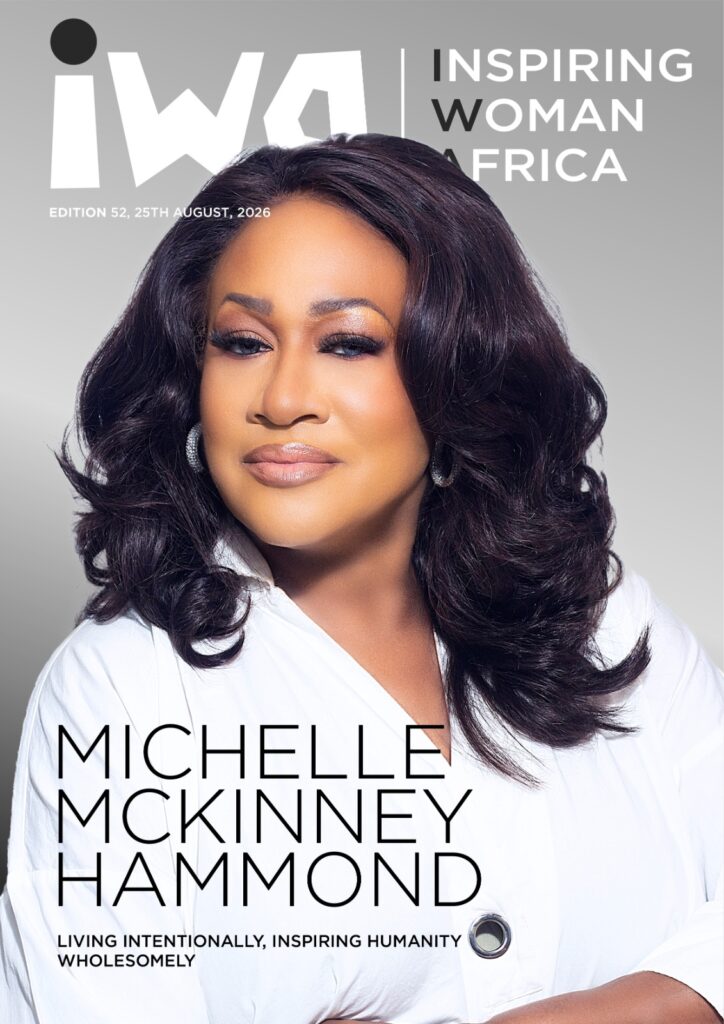
Michelle McKinney Hammond — Living Intentionally, Inspiring Humanity Wholesomely
Latest Posts
-
 Aug 25, 2026 Money Responds to Clarity