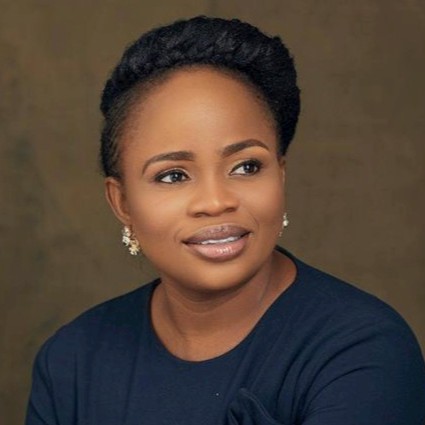
 Sola Adesakin
One of the most loving things you can do for a child is not just pay their school fees. That matters enormously, but it is table stakes. The deeper gift, the one that keeps working long after they leave your house, is giving them a relationship with money that actually serves them. Not just survival instincts. Real financial fluency.
Most of us are raising children in a world that looks almost nothing like the one we grew up in. The jobs they will have may not exist yet. The economy they will navigate will have instruments and opportunities we are only beginning to see. Which means transferring our specific financial story is not enough. What we need to transfer is financial thinking, the ability to understand money, make decisions with it, and not be afraid of it.
Start with money conversations at home. Not lectures, conversations. Children absorb beliefs about money from the environment around them far more than they do from anything explicitly taught. If money in your household is only ever discussed as a source of stress, scarcity becomes their default frame. If they occasionally see you reviewing a budget, hear you talk about an investment decision, or watch you decline something because it does not fit the plan right now, they begin to understand that money is manageable. That it responds to decisions. That is the foundation everything else is built on.
Give them practice with real money early. A child who receives N2,000 a month and decides how to split it between spending, saving, and giving is learning more than most adults give them credit for. When a child saves for three months to buy something they want and walks away with it using their own money, the lesson about patience and value is not theoretical anymore. It is in their body. That lesson stays.
For parents with children under ten, the most powerful financial move you can make right now is opening an investment account in their name and putting something consistent into it. N10,000 a month invested from age three in an instrument returning 12% annually becomes approximately N9.5 million by the time that child turns 21. That is not a fantasy. That is compound interest running its full course. Not every parent can do N10,000, but N3,000 consistently beats N20,000 done once and forgotten. Consistency is the variable that matters most.
For parents of teenagers, the conversation needs to become more direct. Let them see what things actually cost. University education at a decent Nigerian private institution now runs between N800,000 and N3 million annually depending on the school and programme. Abroad is a different number entirely. They need to understand what that means, what it requires, and why the financial decisions being made in your household today are connected to the options they will have tomorrow. These are not conversations that burden children. They are conversations that prepare them.
Talk to your teenagers about credit before the world introduces it to them on worse terms. Explain what it means to borrow, what interest does to the actual cost of something, and why paying on time is not just a rule but a reputation that follows you financially. The earlier they understand this, the less expensive their education in this area will be.
And think about what happens to everything you have built if something happens to you. A will is not morbid. It is one of the most practical financial documents you can have as a parent. Without one, assets you spent decades assembling can end up in legal processes that take years, cost money, and sometimes deliver outcomes you would never have chosen. If you have children and no will, writing one is not a task for later. It is overdue.
The best inheritance is not just an asset. It is a mindset that knows what to do with one. Build both, and your children will start their adult lives on completely different ground than most.
About Author
Sola Adesakin
Sola Adesakin is a highly respected wealth coach and chartered accountant with over two decades of transformative impact in the finance industry. As the visionary founder of Smart Stewards Financial Advisory Limited and Smart Stewards Advisory LLC, she has revolutionized the financial wellbeing of countless individuals and businesses across 40 countries. Her methodical approach to ‘make-manage-multiply’ money principles has elevated many from financial stress to prosperity, and mediocrity to exceptional achievement.
The IWA Series 15 Conference is Here
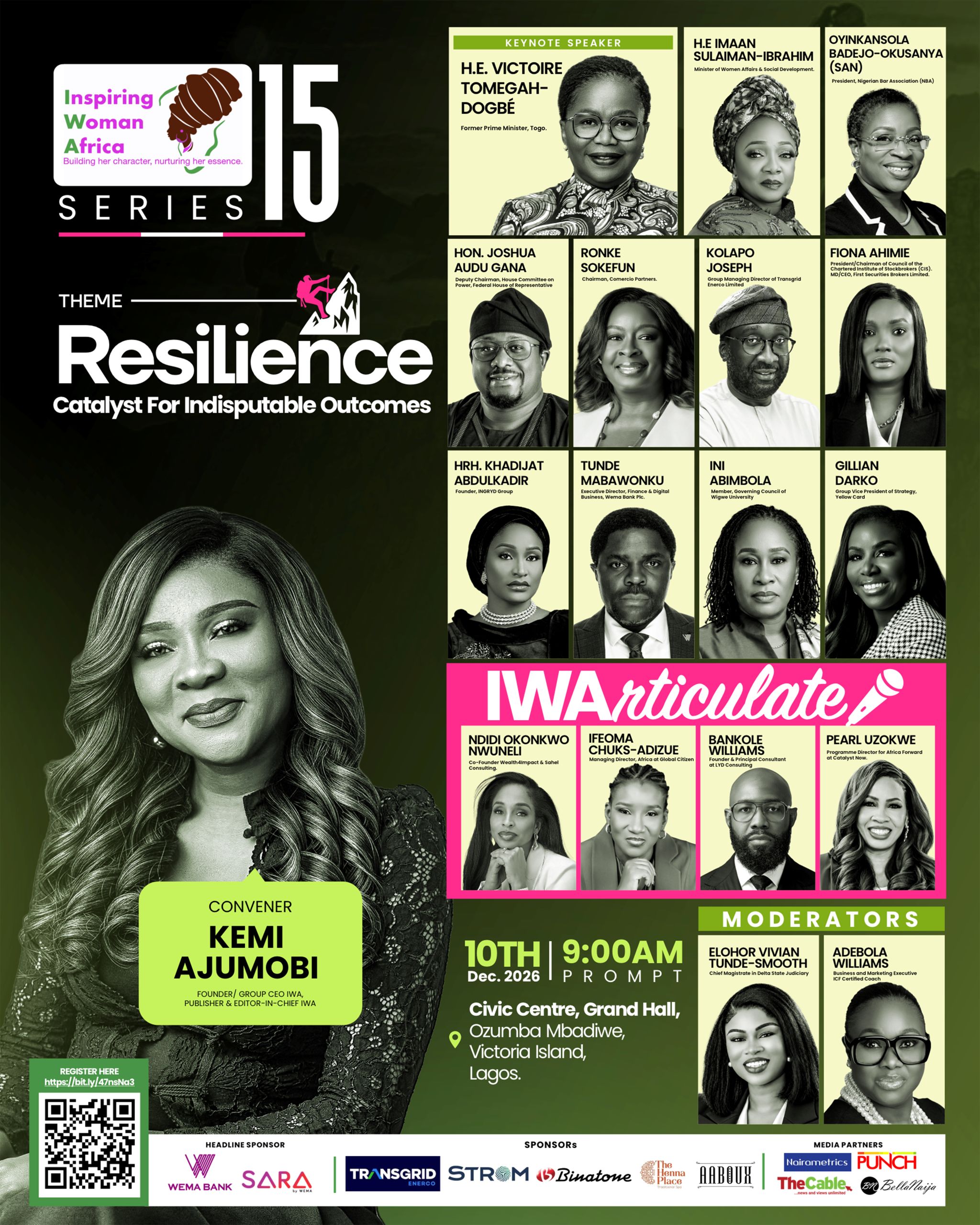
Click To Register
Latest Edition of IWA Magazine
October 20, 2026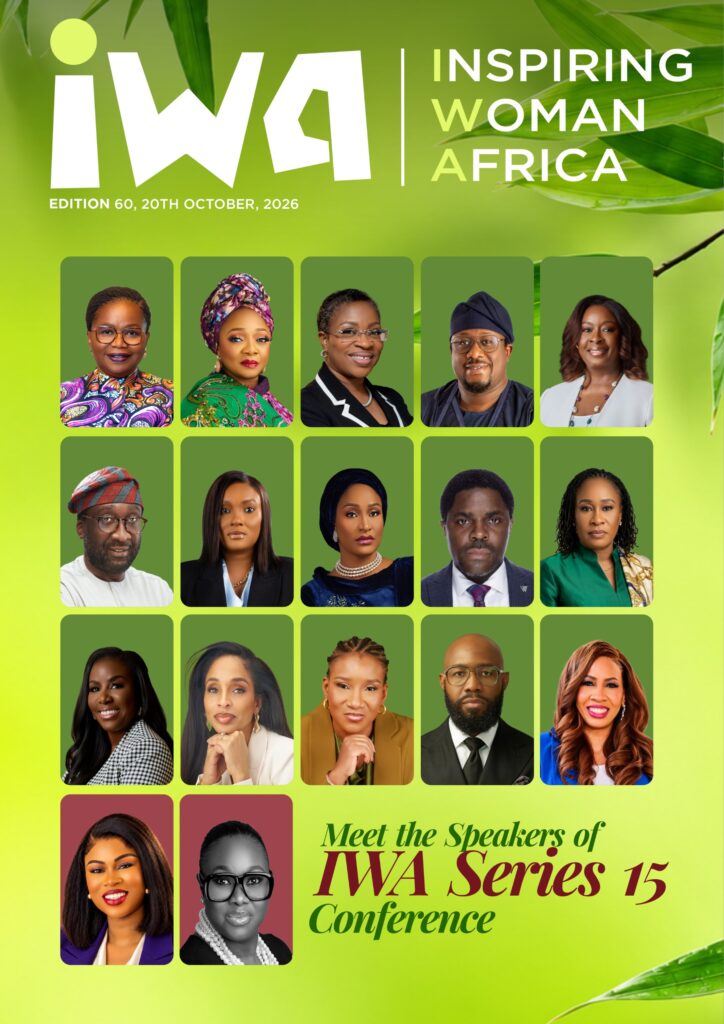
Meet the Speakers of IWA Series 15 Conference
Latest Posts
-
 Oct 20, 2026 Hard Conversations: The Skill No One Puts on a CV
 -
 Oct 20, 2026 5 Africa Women Listed as 2026 Forbes Icons
 -
 Oct 20, 2026 You Are Wealthier Than You Think