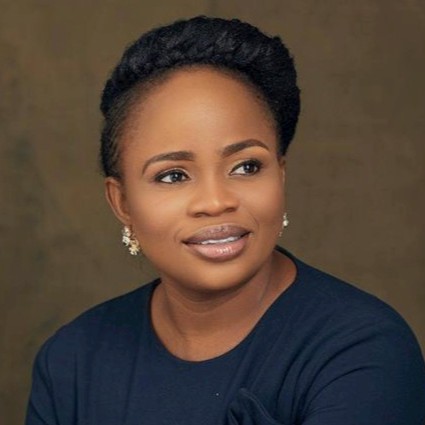
 Sola Adesakin
There is a question I started asking myself a few years ago that quietly changed the way I spend money. It is not complicated. It does not require a spreadsheet or a financial calculator. But it has probably saved me more money and made me more money than any single budgeting technique I have ever used.
The question is this. Am I buying comfort or creating capacity?
Once you start filtering your spending through this question, you will never look at a transaction the same way again.
Let me explain what I mean, because on the surface it sounds like I am about to tell you to stop enjoying your money. I am not. Comfort is not the enemy. You are allowed to rest. You are allowed to enjoy what you have worked for. The problem is not comfort itself. The problem is when comfort is the only thing your money is buying, month after month, year after year, and you wake up one morning realising that you have been very comfortable and very stuck at the same time.
Comfort spending is the meal that was lovely but forgettable by Thursday. The upgrade you did not need but felt you deserved. The subscription you stopped using two months ago but have not cancelled because it is only N5,000. The new phone when the current one works perfectly well. Individually, none of these are financial disasters. But collectively, over twelve months, they form a pattern. And the pattern is this: money flowing consistently toward making today feel slightly better, with nothing flowing toward making tomorrow fundamentally different.
Capacity spending is a different animal entirely. It does not always feel good in the moment. Sometimes it feels like sacrifice. But it creates something that did not exist before. A skill. An asset. An opportunity. A connection.
The N150,000 you spend on a professional course that moves your consulting rate from N200,000 to N500,000 per engagement is capacity. It feels like an expense on the day you pay. Six months later it looks like the best investment you made all year. The N30,000 monthly contribution to an investment account does not give you the immediate satisfaction of a nice dinner out. But in five years, that account is generating returns that the dinner never could. The N80,000 you spend attending a conference where you meet the person who introduces you to your next client or business partner is not a cost. It is a door.
The distinction is not always clean. I know that. Some spending is both. A holiday that genuinely restores you so you can perform at a higher level when you return is comfort and capacity. A good meal with someone who becomes a meaningful business relationship is dinner and investment. Life is not a ledger with perfectly separated columns. But the general direction of your money, where most of it flows most of the time, tells a very honest story about what you are building.
Here is what I have noticed working with women across different income levels. The ones who are moving forward financially are not necessarily earning the most. They are the ones who have learned to catch themselves before a transaction and ask what this purchase is actually doing for them. Not with guilt, or rigidity, but with awareness. They still enjoy their money. They just do not let enjoyment be the only instruction their money receives.
And here is the part that surprises people. When you start directing more of your spending toward capacity, the comfort does not disappear. It increases. Because capacity generates returns, and returns eventually fund a quality of comfort that impulse spending never reaches. The woman who invested in her skills and built a consulting practice can afford a nicer holiday than the woman who spent the same money on small comforts spread across three years. She just delayed the gratification long enough to let the capacity do its work.
The next time you are about to make a purchase, any purchase, pause for three seconds and ask the question. Is this buying me comfort or creating capacity? You do not have to answer capacity every time. That is not realistic and it is not the point. The point is that you asked. Because asking consistently changes the ratio over time. And the ratio is what determines whether you are funding a lifestyle or building a life.
Comfort or capacity. The question is simple. What it builds over time is extraordinary.
About Author
Sola Adesakin
Sola Adesakin is a highly respected wealth coach and chartered accountant with over two decades of transformative impact in the finance industry. As the visionary founder of Smart Stewards Financial Advisory Limited and Smart Stewards Advisory LLC, she has revolutionized the financial wellbeing of countless individuals and businesses across 40 countries. Her methodical approach to ‘make-manage-multiply’ money principles has elevated many from financial stress to prosperity, and mediocrity to exceptional achievement.
Latest Edition of IWA Magazine
September 1, 2026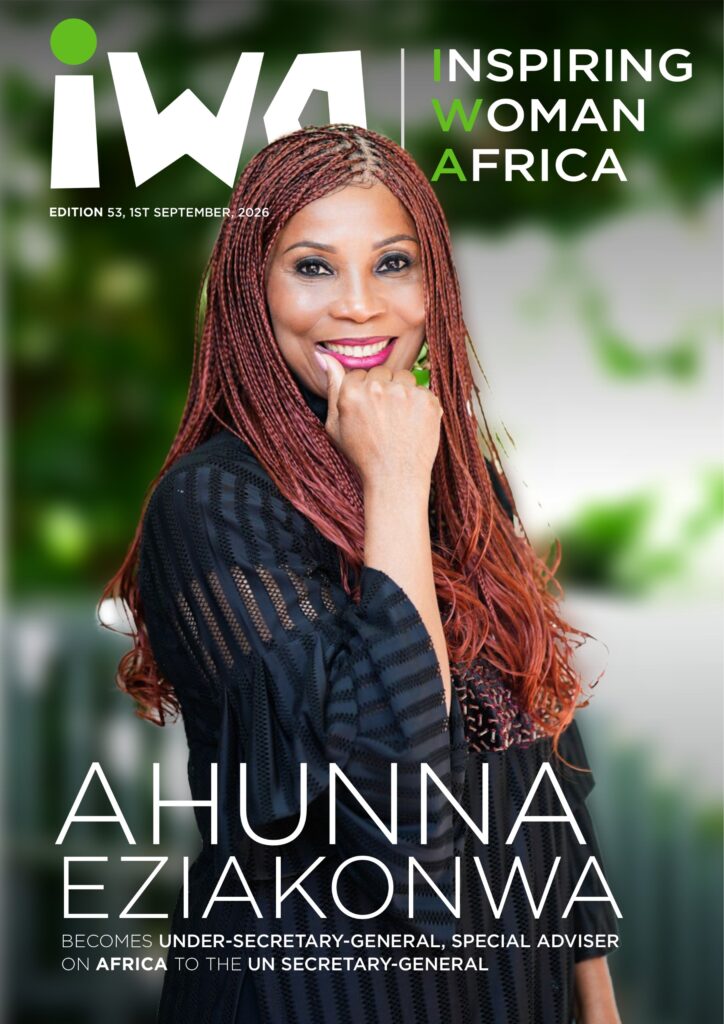
Ahunna Eziakonwa Becomes Under-Secretary-General, Special Adviser on Africa to the UN Secretary-General
Latest Posts
-
 Sep 1, 2026 Pain Is Not the End of the Story