 Kemi Ajumobi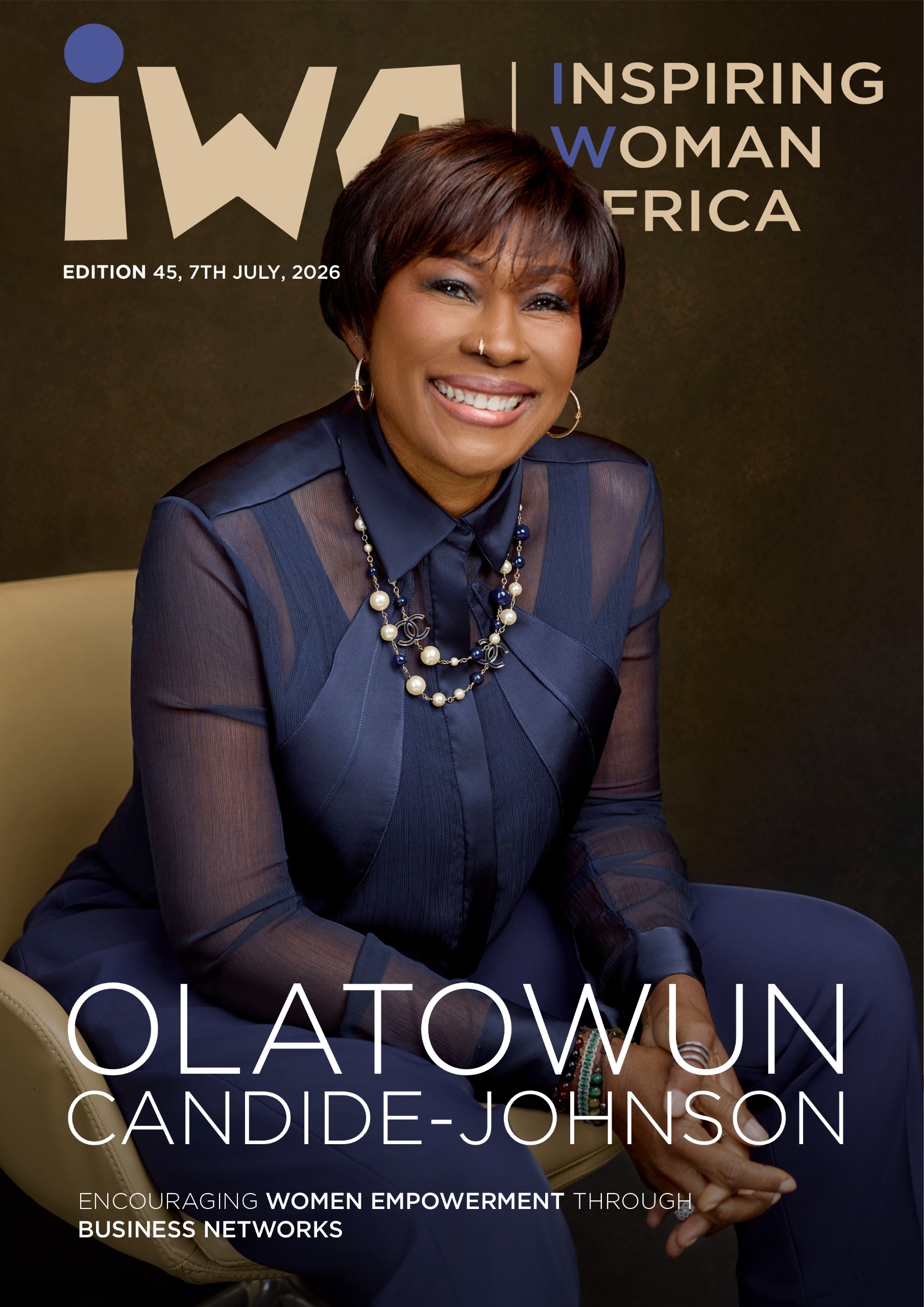
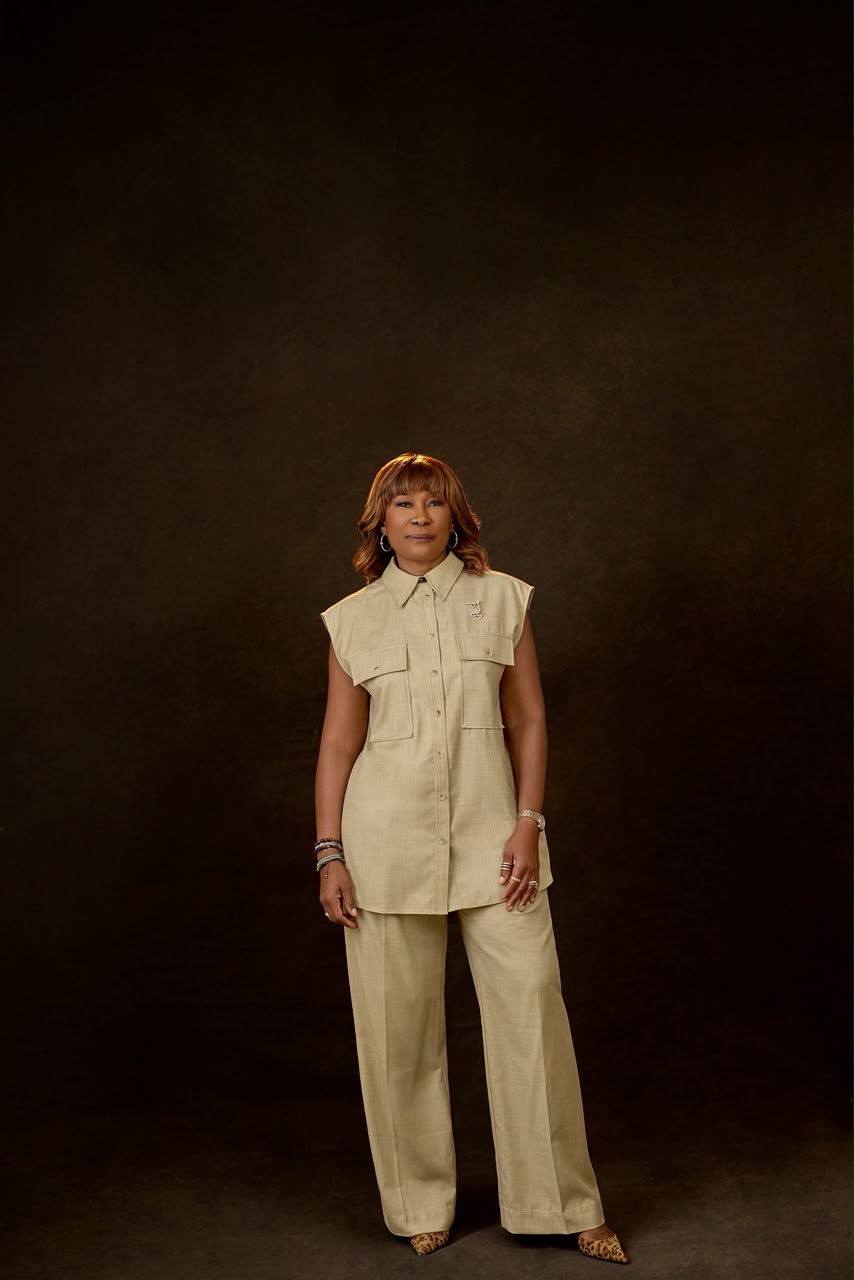
Olatowun Candide-Johnson is a highly accomplished lawyer and executive with decades of experience in corporate and commercial law, governance, and strategic business development across the legal, shipping & logistics, and oil & gas sectors. Her distinguished career includes several leadership roles at TotalEnergies, where she held key positions both in Nigeria and internationally.
At TotalEnergies Upstream Companies Nigeria, she served as General Counsel and Executive General Manager of the Management Services Division—overseeing Legal, Audit, Insurance, and Anti-Corruption Compliance functions. She was also the Chief Compliance Officer for the company’s upstream operations in Nigeria. Her international tenure includes three years in Paris as Project Director within the Affaires Nouvelles Division at the group’s headquarters.
In 2016, she earned the prestigious TRIUM Global Executive MBA, jointly awarded by NYU Stern, the London School of Economics, and HEC Paris.
In 2018, Olatowun transitioned from corporate leadership to entrepreneurship, founding GAIA AFRICA—a pioneering private business club dedicated to Africa’s top female decision-makers. GAIA offers a trusted, empowering space for women leaders to connect for business, collaborate, invest, and support each other through curated events, a learning platform, partnerships, peer mentorship and engagement.
- She is the CEO, Voltaire Lifestyle Services Ltd (Owner of GAIA AFRICA and GABY Lagos).
- Independent Non-Executive Director, & Chair, Governance & Ethics Committee Pinnacle Oil & Gas Ltd.
- Chairperson, Knock Knock Lifestyle Services (Owner of Lost in Lagos and Lost in a City).
Olatowun is also an angel investor and a member of Rising Tide Africa, a network of women business angels committed to empowering entrepreneurs across the African continent. Her passions extend beyond business into books, the arts, culture, wine, and travel.
She is WSET Level 2 Certified and was honoured as Dame Chevalier de l’Ordre des Coteaux de Champagne in 2017. An advocate for excellence and innovation, she continues to champion women’s leadership and entrepreneurship throughout Africa and beyond.
From TotalEnergies to entrepreneurship: how did those roles prepare you for the move from in-house counsel to executive leadership?
My years at TotalEnergies taught me about governance, structure, process and procedures. It also taught me how to assess risk, manage complexity and make commercially sound decisions under pressure. As General Counsel and Chief Compliance Officer I sat where risk, and reputation converge, with a front-row view of how major decisions get made. What I learned is that the law is rarely the hard part; judgement under ambiguity is. I didn’t get P&L ownership, but I did learn about financial models, and all the important things that help your assessment of the viability of a business/project during my stint in the Business Development Division in Paris. I also learned a lot during my MBA that has helped me understand the commercial side of business. Today I probably still think like a lawyer, but I lead like a business builder, ensuring as we go along that we create sustainable value and build an institution that will outlive me.
Most critical governance challenges facing multinational energy companies today?
I believe that the challenge now goes far beyond compliance. Boards are navigating energy transition while balancing shareholder expectations, geopolitical uncertainty, cybersecurity, supply-chain resilience and ESG scrutiny. The sharpest tension is between global compliance frameworks and the realities of the markets where the value is created. A policy drafted in one jurisdiction has to survive contact with a different jurisdiction and boards can sometimes mistake the existence of a policy for the presence of control. Good governance today means staying disciplined for the long term in a world that rewards quick reactions. It also means building ethics and accountability throughout the whole organisation, not just in the boardroom.
What has surprised you most about the GAIA community?
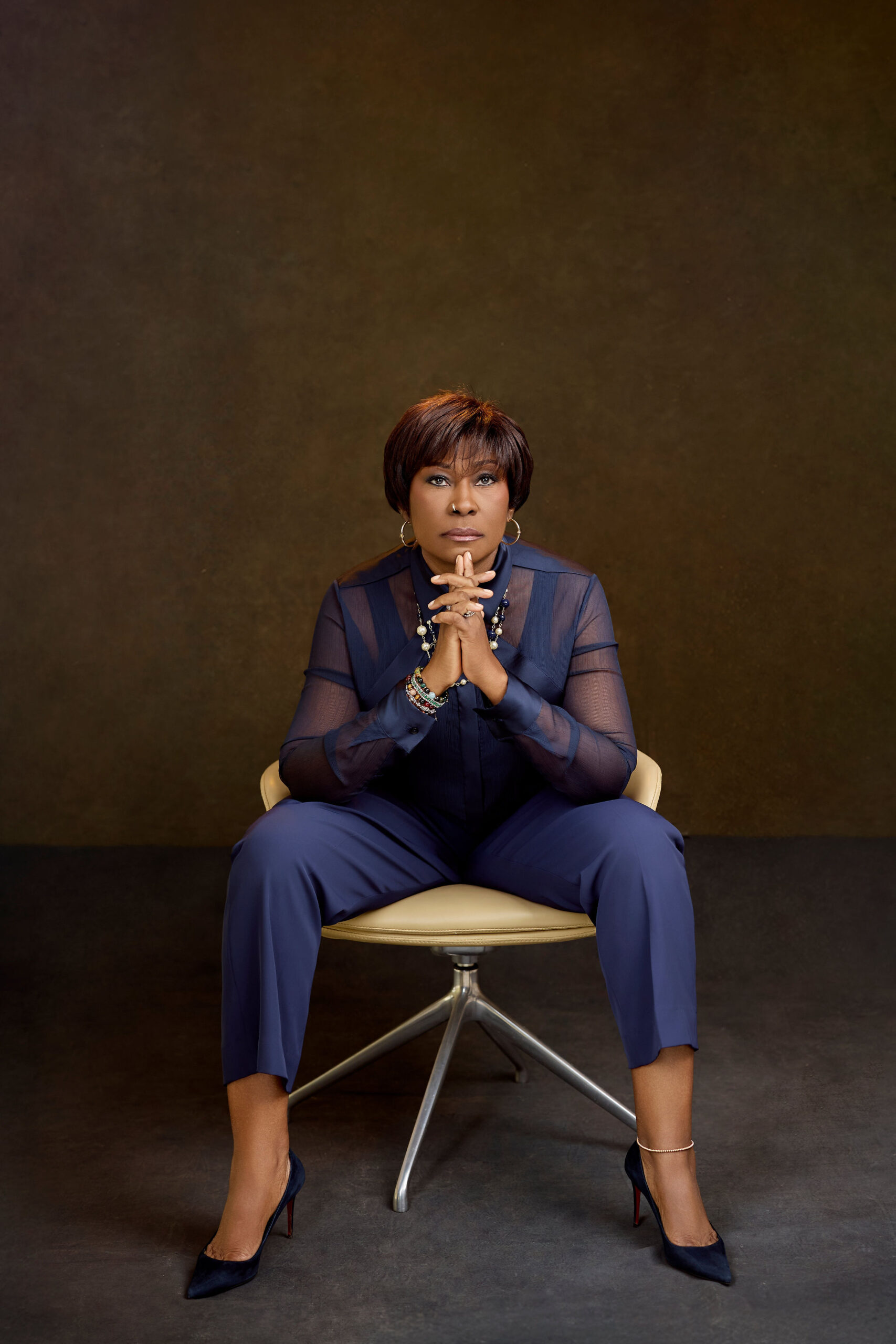
The generosity of women with other women and how eager accomplished women are for a non-performative room. We often hear that women compete with one another – and perhaps this was true at one time – I don’t know for sure. What I underestimated is how much candour and collaboration is unlocked when focused women get together. The best part about a trusted community is the ease by which women open doors for one another, share opportunities and invest in each other.
What are the biggest barriers for women leaders in Africa when it comes to collaboration, investment and scaling ventures?
Access to capital is a big barrier, but underneath it sits something thinner: a network of trust. Men have had generations to build the informal architecture of business for example – A man will offer a deal to a buddy before it reaches the market. Women on the other hand are often transacting with people they met recently, and that shows up as slower syndication, harder due diligence, questions no man in the same position gets asked, and smaller cheques. Women tend to also undervalue what they have built, pricing conservatively and waiting until everything is perfect before seeking investment. The barrier isn’t ambition or competence; it’s the absence of the connective tissue that lets collaboration and capital move at speed. This is exactly the ecosystem we are trying to build at GAIA AFRICA.
Could you share a success story from GAIA AFRICA where collaboration among members led to a meaningful business outcome?
One of GAIA’s greatest successes is not in a single transaction; it is the culture we’ve created. Over the years members have opened doors to one another for board seats, engaged each other as professional advisers, invested in each other’s businesses, made strong introductions that have led to investment, formed partnerships and referred to significant commercial opportunities. None of that happened by chance — it happened because we have deliberately designed an ecosystem where meaningful relationships underscored by trust develop over time. Conversations create opportunities, networks create access, and collaboration creates measurable economic impact.
What criteria do you use to decide whether to invest as an angel in a female-led start-up?
I think most early-stage investors invest in the founder – they believe that he/she can actually do what they say they can do because they have the right skill/competencies and the proper team. I look for integrity, resilience, coachability and clarity of purpose, because markets change and models pivot, but character is much harder to build. I am keen on a founder who understands her unit economics better than I do and better still one who has already survived one thing going badly wrong. Then we go to whether the business solves a problem that people will pay for today and can scale beyond the founder herself. And finally, if I can add something beyond the cheque – even better. Angel investor cheques are moderate and there is shared risk, shared reward.
Involvement with Rising Tide Africa’s influence and how your investment philosophy helps to support founders
Rising Tide reinforced something I already believed: capital alone is never enough. It also taught me the discipline of collective diligence – you see your own blind spots far faster in a room of women asking sharper questions than you were prepared for. Our real value to founders goes beyond the cheque – It lies in the education, governance, introductions, and the unglamorous work of helping a company become investable at the next round. Investing is a long-term partnership, not a one-off transaction.
How did earning the TRIUM Global Executive MBA influence your approach to global strategy and leadership?
TRIUM (LSE, NYU STERN & HEC (Paris)) fundamentally broadened my perspective. You cannot theorise your way to understanding how differently strategy is conceived from company to company; you learn through case studies, the perspective of members of your cohort with diverse backgrounds and skill sets. I had the privilege of learning from experienced men and women from 42 different countries. It certainly taught me about how to run a company the right way and what happens when you fail to do so. The greatest lesson was learning to think globally while remaining deeply rooted in local realities: learn from the world but build solutions that genuinely fit your own market(s).
You’re passionate about books, arts, culture, wine and travel. How do these interests inform your work or decision-making?
They open up my mind – allow me to think beyond borders and beyond the things that I know. Exposure to different cultures provides ideas that you can test in your own market. A good book can challenge your thinking and motivate you in one direction or another. These interests also provide a nice break from thinking about business all the time. Books are a great way to travel without travelling. Learning keeps me curious, grounded and excited. A relaxed and focused mind will make better decisions.
Your WSET Level 2 and interest in wine — how does wine culture connect to leadership and relationships?
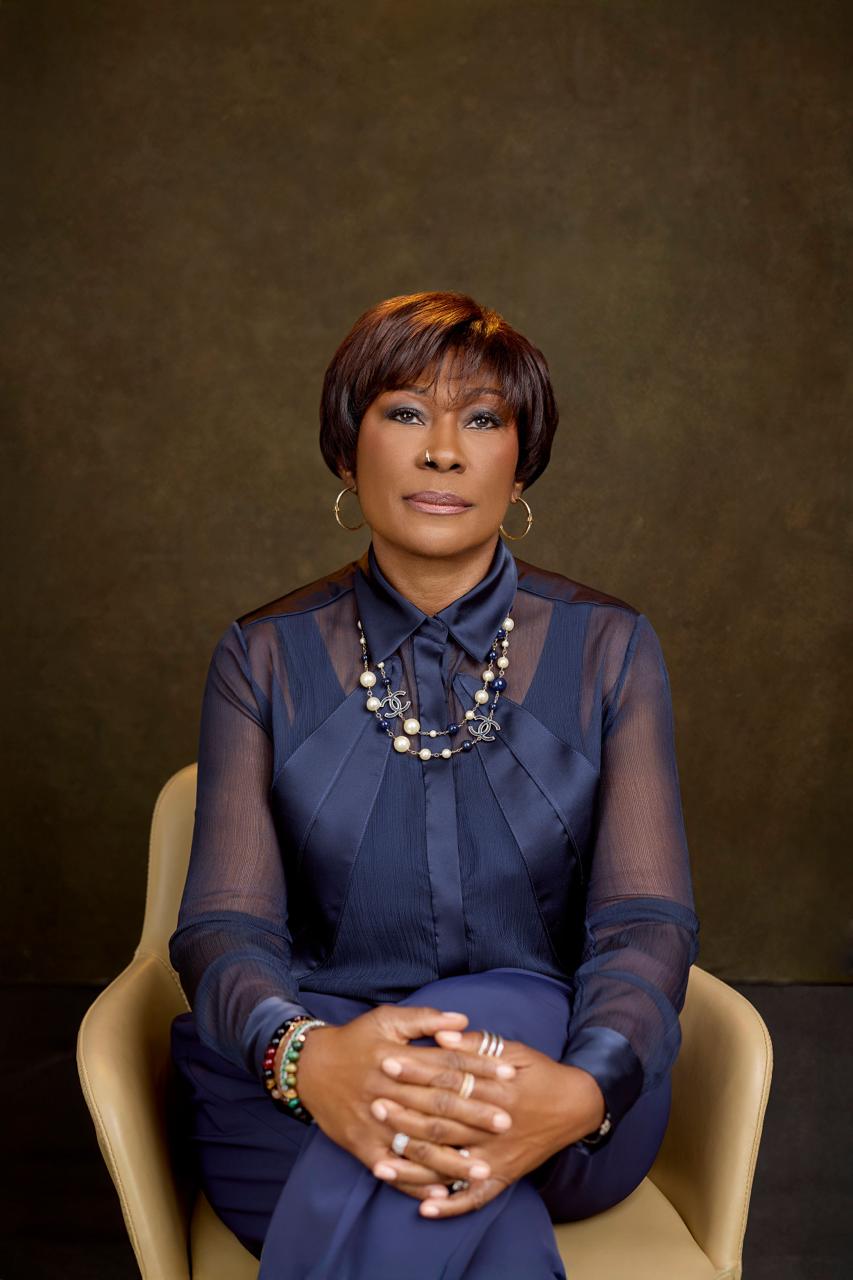
Wine is a wonderful leveller and a terrible bluff-detector. Around a table it dissolves hierarchy in a way a boardroom never can — people reveal themselves over a bottle. And the discipline of tasting properly is really a lesson in paying attention: naming what you notice -what you see, smell and taste and resisting the easy verdict of ‘it tastes nice’. That is not a bad description of good leadership.
What initiatives or programmes have you found most effective for supporting women entrepreneurs and investors in Africa?
The most effective initiatives build institutions. Single events inspire and then evaporate; what lasts is durable infrastructure such as a standing investment community, continuous learning, opportunities to up-skill when needed, access to networks, sponsorship, and exposure to investors and customers. The test is the lasting effect it creates, whether people can return to it and whether it outlives its creator(s).
How do you envision GAIA AFRICA’s impact evolving over the next decade?
My real ambition is for GAIA AFRICA to be a recognised institution across the continent and beyond. One that women simply assume has always existed. GAIA AFRICA is located across the continent, led by strong leaders. Success won’t be measured by membership numbers, but by the businesses created, the capital mobilised, the jobs generated and the boards influenced. Less a club, more infrastructure for women’s advancement across the continent.
How can organisations design roles and career paths that prevent the “stop-start” pattern often seen in women’s advancement?
We have to stop treating career progression as a ladder you can only climb continuously – in one direction. We have to stop thinking about careers as being linear – Life is not linear – Careers are long and dynamic — periods of accelerated growth, periods of caregiving, times when people deliberately slow down. The fix is to design roles that assume life happens: re-entry paths that don’t punish an eighteen-month absence, sponsorship that survives a maternity leave, and promotion measured on judgement and output rather than unbroken presence. The stop-start penalty is a design flaw, not a fact of nature. Organisations that recognise this and fix it, will always have the best talent.
Women often struggle to find sponsors for projects and business development. What is the solution?
The first step is recognising that sponsorship is not mentorship. Mentorship is advice; sponsorship is risk — a sponsor spends their own capital advocating for you when you’re not in the room. The difficulty is that people tend to sponsor those they see themselves in, so part of the solution is structural: make sponsorship an explicit, accountable responsibility of senior leaders rather than a favour. Women must also become highly visible and known for the quality of their work, build relationships long before they need them, and ask directly — something we’re trained not to do. You rarely get sponsored through quiet excellence. It may happen – but it is rare.
What strategies do you recommend for women negotiating for leadership roles or pay equity at senior levels?
Negotiate the mandate, not just the money. The most expensive mistake a senior woman can make is to accept the title without the authority, then wonder why the role underdelivers. Come prepared with your market data and commercial impact, name your number without apologising for it, and be equally rigorous about scope, decision-making authority, exposure to the board and incentives. Above all, do not negotiate from a position of gratitude; negotiate from a position of the value you bring. Pay follows scope – so, secure the scope.
What advice would you give to someone stepping into a first-time leadership role to build credibility quickly?
Listen before you lead, and resist the urge to prove yourself by having the answer to everything. No one knows it all. Credibility comes from asking better questions than anyone expects and then doing exactly what you say you will do. Stay focused – Deliver one visible thing early and keep your promises; decide promptly and be honest about what you don’t know. Leadership is not about being the smartest person in the room, it’s about creating an environment where others are inspired by you to do their best work. Credibility is earned through character, competence and consistency, and over time those speak far louder than any title.